Quick Answer
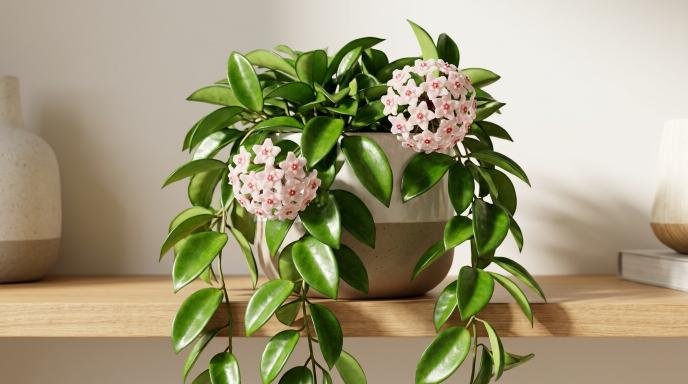
Hoya carnosa care is mainly about bright, indirect light, well-draining soil, careful watering, moderate humidity, and avoiding consistently wet roots.
Let the potting mix dry partly between waterings, provide warmth and good airflow, and avoid moving the plant frequently once it begins forming flower buds. With mature growth and the right conditions, Hoya carnosa can produce fragrant clusters of star-shaped flowers.
Introduction
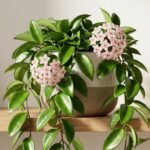
Hoya carnosa, commonly called the wax plant or wax flower, is a popular houseplant known for its thick, glossy leaves, trailing growth, and attractive clusters of fragrant flowers. It can be surprisingly easy to maintain once you understand one important principle: Hoya carnosa prefers a little neglect rather than constantly wet soil.
Many problems come from treating it like a tropical plant that needs frequent watering. Its succulent-like leaves store moisture, while its roots need plenty of oxygen. The result is a plant that generally performs best when you provide strong filtered light, a loose potting mix, and enough time for the soil to partially dry.
Understanding Hoya Carnosa
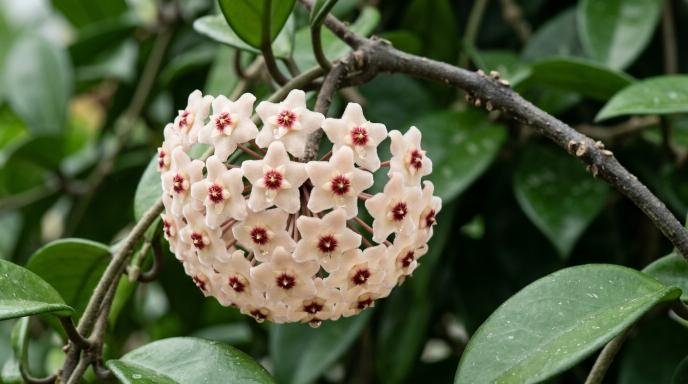
Hoya carnosa is a tropical and subtropical climbing or trailing plant with thick, waxy foliage. Mature plants can develop long vines and, under suitable conditions, produce rounded flower clusters called umbels.
Its thick leaves are an important clue to its care requirements. They retain water, allowing the plant to tolerate periods of dryness better than many thin-leaved tropical houseplants.
The goal is not to keep Hoya carnosa constantly moist. The goal is to create a cycle of thorough watering followed by partial drying.
Why Hoya Carnosa Can Be Slow to Flower
A healthy Hoya can grow leaves and vines for quite some time before producing flowers. Young plants often need to mature before flowering becomes reliable.
If your plant is growing but not blooming, consider:
- Insufficient light.
- Excessive nitrogen fertilizer.
- Frequent relocation.
- Constantly wet soil.
- A very young plant.
- Removing developing flower spurs.
- Seasonal changes in growth.
One overlooked point is the peduncle, the small flowering structure from which future flower clusters can emerge. Avoid cutting these off after flowering because Hoya may reuse them for future blooms.
Hoya Carnosa Light Requirements
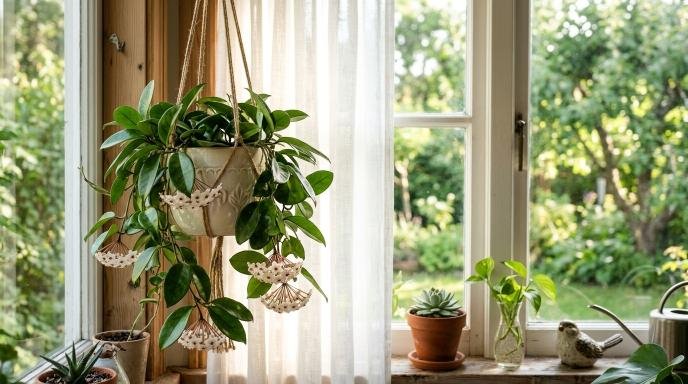
Bright, indirect light is one of the most important parts of successful Hoya carnosa care.
A location near a bright east- or west-facing window can work well. A south-facing window may also be suitable if strong midday sunlight is filtered through a sheer curtain.
How Much Light Does Hoya Carnosa Need?
Aim for several hours of bright filtered light each day.
Too little light can result in:
- Long gaps between leaves.
- Weak or stretched growth.
- Smaller leaves.
- Slow development.
- Poor flowering.
Too much intense direct sunlight, especially through hot glass, can cause:
- Leaf bleaching.
- Brown patches.
- Scorched foliage.
- Excessive heat stress.
A Practical Light Test
Instead of relying only on a window’s direction, observe the plant.
If new growth is consistently thin and widely spaced, increase light gradually.
If leaves develop pale, crispy, bleached areas after strong afternoon exposure, reduce the intensity.
How to Water Hoya Carnosa
Watering is where many Hoya problems begin.
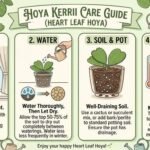
Hoya carnosa should be watered thoroughly, but the potting mix should have an opportunity to dry partially before the next watering.
Do not water simply because a certain number of days has passed.
How to Know When to Water
Check the soil with your finger or a moisture meter and consider the weight of the pot.
When the upper portion of the mix has dried and the pot feels noticeably lighter, it is usually time to water.
When watering:
- Saturate the potting mix thoroughly.
- Allow excess water to drain from the bottom.
- Empty standing water from the saucer.
- Return the plant to its normal location.
The exact interval depends on temperature, light, pot size, soil composition, humidity, and season.
Why Overwatering Is Dangerous
Hoya carnosa does not necessarily die because you gave it too much water once. Problems become more likely when the roots remain wet repeatedly and the growing medium has poor drainage.
Constantly wet conditions reduce oxygen around the roots and can contribute to root deterioration.
Choosing the Right Soil for Hoya Carnosa
Hoya carnosa needs a potting medium that drains efficiently while retaining enough moisture for healthy growth.
A practical mix can contain:
- Quality indoor potting mix.
- Orchid bark.
- Perlite or another coarse aeration material.
The exact proportions are less important than the final texture.
The finished mix should feel loose, airy, and fast draining rather than dense and muddy.
Why Soil Structure Matters
A dense mix may remain wet for too long. A very coarse mix may dry extremely quickly.
If you repeatedly notice that the soil remains wet long after watering, improve the growing medium before simply reducing the amount of water.
Best Pot for Hoya Carnosa
Choose a container with drainage holes.
Hoya carnosa does not require an oversized pot. In fact, moving a plant into a much larger container can increase the amount of soil that stays wet around its roots.
A slightly snug container can work well when the plant is otherwise healthy.
When to Repot
Consider repotting when:
- Roots are densely filling the container.
- Water runs through the pot unusually quickly because the root mass has become crowded.
- The potting mix has broken down.
- Drainage has deteriorated.
- The plant has become unstable in its current container.
Avoid repotting unnecessarily, particularly when the plant is actively developing flower buds.
Hoya Carnosa Temperature and Humidity
Hoya carnosa generally prefers warm indoor conditions and should be protected from prolonged cold.
Avoid placing it directly beside:
- Cold drafts.
- Air-conditioning vents.
- Heating vents.
- Frequently opened exterior doors.
Does Hoya Carnosa Need High Humidity?
Higher humidity can support healthy growth, but extremely high humidity is not essential for an established indoor Hoya if other conditions are good.
Good airflow is equally important.
Instead of relying entirely on misting, focus on:
- Appropriate watering.
- Adequate ventilation.
- A suitable growing medium.
- Avoiding prolonged leaf wetness.
- Stable indoor temperatures.
A humidifier can be useful in particularly dry rooms, but it should not compensate for poor watering or stagnant air.
Fertilizing Hoya Carnosa
Hoya carnosa benefits from regular feeding during active growth, but more fertilizer does not automatically mean more flowers.
Use a balanced, diluted houseplant fertilizer according to the product’s instructions.
Avoid repeatedly applying concentrated fertilizer because excess salts can accumulate in the growing medium and damage roots.
A Practical Fertilizing Approach
During active growth:
- Fertilize at an appropriate diluted strength.
- Avoid fertilizing severely stressed or recently damaged plants.
- Reduce feeding when growth naturally slows.
- Water appropriately so fertilizer does not accumulate excessively.
If your Hoya is producing vigorous foliage but refusing to flower, increasing fertilizer is not necessarily the answer. Light, maturity, and growing conditions deserve attention first.
How to Encourage Hoya Carnosa to Bloom
Flowering is often the biggest goal for Hoya growers.
The most useful approach is to optimize the plant’s overall growing conditions rather than trying to force flowers.
Focus on These Factors
1. Provide adequate light.
Insufficient light is a common reason mature Hoyas fail to flower.
2. Avoid constantly wet soil.
Healthy roots are essential for sustained growth and flowering.
3. Allow the plant to mature.
Young plants may need considerable time before flowering.
4. Avoid excessive pruning.
Removing flowering structures can eliminate potential sites for future blooms.
5. Keep conditions relatively stable.
Frequent changes in location can interrupt growth and bud development.
Do Not Remove Old Flower Spurs
After flowers fade, you may see a small stalk remaining on the vine.
That structure can produce flowers again. Removing it can therefore reduce future flowering potential.
Image Suggestion: Close-up comparison showing a Hoya carnosa flower spur before and after blooming.
Hoya Carnosa Pruning and Training
Hoya carnosa can be grown as a trailing plant or trained around a support.
A trellis, hoop, or other suitable support can help organize long vines.
When to Prune
Prune to:
- Remove dead or damaged growth.
- Control excessive length.
- Improve the plant’s shape.
- Encourage a manageable structure.
Avoid aggressive pruning simply because the plant looks untidy.
Healthy long vines may eventually produce additional leaves, roots, and flowering structures.
Common Hoya Carnosa Care Problems
Yellow Leaves
Yellow leaves can have several causes.
Possible factors include:
- Excessive watering.
- Poor drainage.
- Root problems.
- Natural aging of older leaves.
- Environmental stress.
Do not assume every yellow leaf means the plant needs more water.
Check the soil and roots before changing your watering routine.
Wrinkled or Soft Leaves
Wrinkled leaves often indicate that the plant is experiencing water stress, but the cause needs to be identified.
Check:
- Soil moisture.
- Root health.
- Recent watering.
- Pot drainage.
- Temperature.
- Exposure to intense heat.
If the soil is bone dry, thorough watering may resolve the issue. If the soil is wet and the leaves are deteriorating, adding more water can make the underlying problem worse.
Brown or Crispy Leaves
Brown edges can develop because of:
- Excessive direct sunlight.
- Severe dryness.
- Low humidity combined with other stress.
- Root problems.
- Fertilizer buildup.
Look at the pattern of damage rather than treating the symptom alone.
Hoya Carnosa Not Growing
Slow growth does not always indicate a serious problem.
Growth can slow because of:
- Low light.
- Cool temperatures.
- Shorter daylight periods.
- Root problems.
- Recent repotting.
- Natural dormancy or seasonal slowdown.
If the plant is healthy but simply growing slowly, avoid responding with excessive fertilizer or water.
Hoya Carnosa Leaves Turning Red
Some Hoyas can develop reddish or purplish coloration when exposed to strong light.
This can be a natural stress-related pigmentation response rather than an immediate sign of disease.
However, if the leaves are becoming bleached, scorched, crispy, or damaged, reduce excessive direct exposure.
Pests That Can Affect Hoya Carnosa
Hoya carnosa can occasionally experience common houseplant pests such as:
- Mealybugs.
- Aphids.
- Scale insects.
- Spider mites.
Inspect leaf joints, stems, leaf undersides, and new growth regularly.
Early detection is much easier to manage than a large established infestation.
When pests are discovered, isolate the affected plant from nearby houseplants and use an appropriate treatment according to its label directions.
Seasonal Hoya Carnosa Care
Spring and Summer
During active growth, the plant may use water more quickly.
Pay attention to:
- Increasing light.
- Faster soil drying.
- New vine growth.
- Fertilizing appropriately.
- Pest activity.
Do not automatically maintain the same watering schedule you used during winter.
Fall and Winter
Growth may slow as light levels decrease.
You may need to water less frequently because the potting mix can remain moist longer.
This is an important seasonal adjustment: watering should respond to the plant’s drying rate, not the calendar.
Common Hoya Carnosa Care Mistakes
Watering on a Fixed Schedule
A plant does not know that it is “watering day.” Soil dries at different rates depending on environmental conditions.
Using a Heavy Potting Mix
Dense soil can create an oxygen-poor root environment.
Choosing a Huge Pot
More soil means more moisture retention, which can increase the risk of prolonged wetness.
Keeping the Plant Too Dark
Hoya may survive in lower light but often performs better and flowers more reliably with brighter conditions.
Cutting Flower Spurs
Old flowering structures may produce flowers again.
Constantly Moving the Plant
Once a Hoya has adapted to a good location, stability can be beneficial.
Fertilizing Too Heavily
Excess fertilizer can damage roots and create additional problems instead of solving slow growth.
A Simple Hoya Carnosa Care Routine
For beginners, this routine keeps care practical:
Every few days:
Check the plant for pests, unusual leaf changes, and environmental stress.
Before watering:
Check the growing medium instead of following a fixed schedule.
When watering:
Water thoroughly and allow excess water to drain.
During active growth:
Provide suitable light and appropriately diluted fertilizer.
After flowering:
Leave healthy flower spurs intact.
Every few months:
Inspect roots, soil condition, drainage, and the overall structure of the plant.
This approach is more reliable than trying to follow an exact seven-day watering schedule.
Hoya Carnosa Care: Quick Reference Table
| Care Factor | Practical Recommendation |
|---|---|
| Light | Bright, indirect light |
| Water | Water thoroughly after partial drying |
| Soil | Loose, airy, well-draining mix |
| Pot | Container with drainage holes |
| Humidity | Moderate to higher humidity is beneficial |
| Temperature | Warm, stable indoor conditions |
| Fertilizer | Diluted feeding during active growth |
| Pruning | Remove dead or unwanted growth |
| Repotting | Only when genuinely needed |
| Flowering | Bright light, maturity, stable care |
| Common risk | Prolonged wet soil |
Frequently Asked Questions
How often should I water Hoya carnosa?
Water when the growing medium has partially dried rather than using a fixed weekly schedule. Environmental conditions determine how quickly the soil dries.
Does Hoya carnosa need direct sunlight?
It can tolerate some gentle direct sunlight, particularly during less intense parts of the day, but harsh midday sunlight through glass can scorch the leaves. Bright filtered light is generally a safer starting point.
Why is my Hoya carnosa not flowering?
Insufficient light, young plant age, excessive nitrogen, unsuitable watering, and removal of old flower spurs can all contribute. Start by evaluating light and overall plant health.
Should I mist my Hoya carnosa?
Misting is not essential for successful Hoya carnosa care. Consistent watering, appropriate humidity, good airflow, and healthy roots are more important.
Does Hoya carnosa like small pots?
Hoya generally does not need an oversized container. A pot that is appropriately sized for the root system can help the growing medium dry at a reasonable rate.
Why are my Hoya carnosa leaves wrinkled?
Wrinkling can indicate dehydration, but it can also occur when roots are damaged and cannot absorb water properly. Check both soil moisture and root health before watering more frequently.
Can Hoya carnosa grow indoors?
Yes. It can perform very well indoors when provided with bright light, appropriate watering, an airy growing medium, and stable temperatures.
How long does Hoya carnosa take to flower?
There is no universal flowering timeline. Plant maturity, light, growing conditions, genetics, and previous care all influence when flowering occurs.
Conclusion
Successful Hoya carnosa care is less about constant attention and more about getting the fundamentals right. Give the plant bright filtered light, an airy growing medium, thorough but appropriately spaced watering, good drainage, and stable growing conditions.
The most important lesson is to avoid treating Hoya carnosa like a thirsty tropical houseplant. Its thick leaves store moisture, while its roots benefit from oxygen and periods of partial drying. If flowering is your goal, prioritize sufficient light, plant maturity, stable conditions, and preservation of existing flower spurs. With those basics in place, Hoya carnosa can become a long-lived, attractive houseplant with impressive flowering potential.