Quick Answer
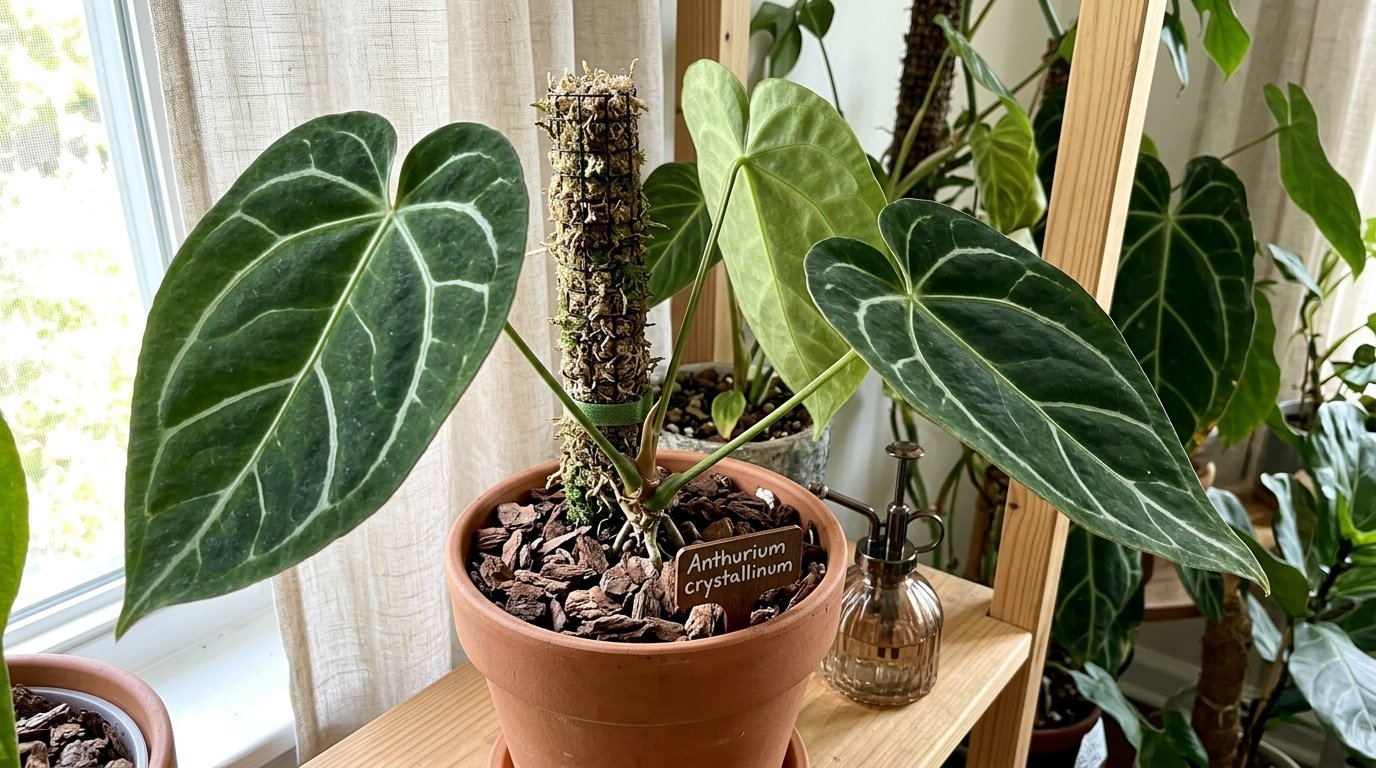
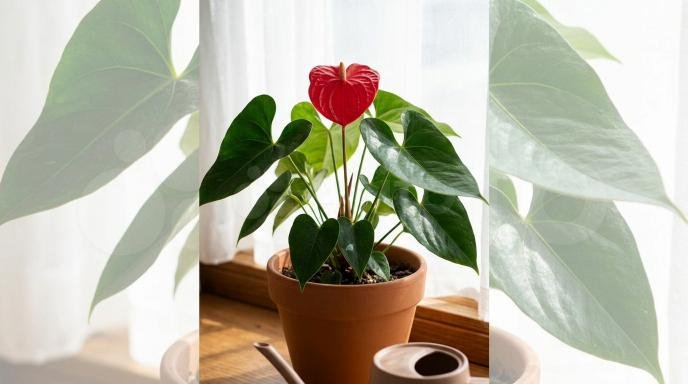
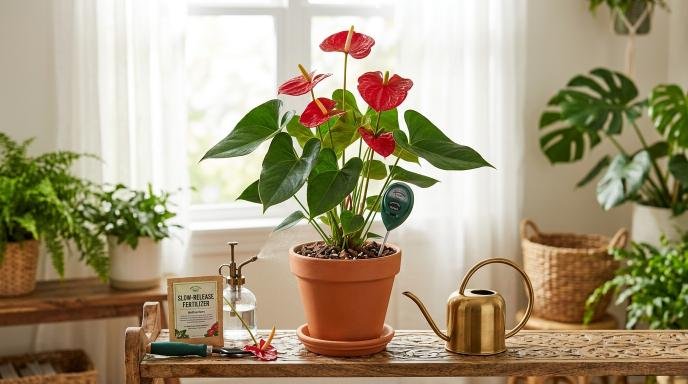
Flamingo flower, commonly sold as Anthurium, grows best in bright, indirect light, warm temperatures, moderate-to-high humidity, and a loose, well-draining potting mix.
Water when the upper portion of the mix begins to dry rather than following a rigid schedule. Avoid standing water, harsh direct sunlight, cold drafts, and heavy fertilizer. Consistent light and proper root-zone moisture are especially important if you want regular flowers.
Introduction
Flamingo flower care becomes much easier once you understand what this tropical plant actually needs. Its glossy leaves and long-lasting, colorful flower structures make it a popular indoor plant, but problems such as yellow leaves, brown tips, drooping foliage, and a lack of flowers are common when light and watering are slightly off.
One of the biggest mistakes is treating every watering as beneficial. Flamingo flowers prefer moisture, but constantly saturated soil reduces oxygen around the roots and can contribute to root problems. At the same time, insufficient light can result in weak growth and fewer flowers.
The goal is not to create a constantly wet environment. Instead, aim for bright filtered light, evenly managed moisture, good drainage, warmth, humidity, and steady care.
What Is a Flamingo Flower?
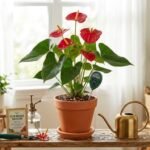
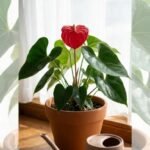
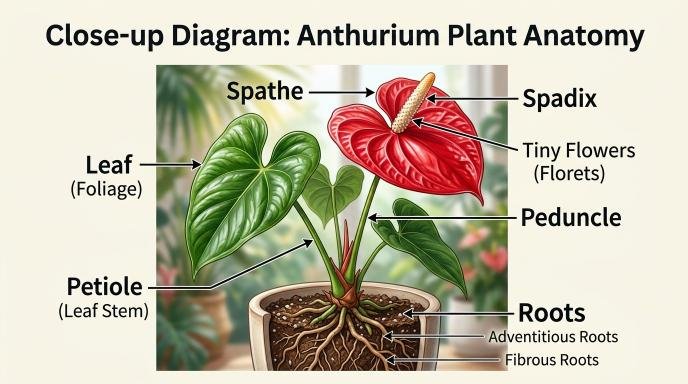
The name flamingo flower is commonly used for plants in the Anthurium group, particularly flowering anthuriums such as Anthurium andraeanum. The colorful structure that looks like a flower is actually a spathe, while the narrow central structure called the spadix contains the tiny flowers.
This distinction matters because a healthy plant can continue producing attractive spathes when its basic growing conditions are consistently good.
Anthuriums are tropical plants, so an indoor environment that provides warmth, filtered light, moisture without waterlogging, and adequate humidity generally suits them well.
Flamingo Flower Care Requirements at a Glance
| Care factor | What to provide | Why it matters |
|---|---|---|
| Light | Bright, indirect light | Supports healthy foliage and flowering |
| Water | Water when the upper mix begins drying | Prevents both prolonged dryness and soggy roots |
| Soil | Loose, airy, well-draining mix | Allows roots to receive oxygen |
| Humidity | Moderate to high humidity | Supports tropical foliage and reduces dry-air stress |
| Temperature | Warm, stable conditions | Protects tropical growth from cold stress |
| Fertilizer | Light feeding during active growth | Supplies nutrients without excessive salt buildup |
| Pot | Drainage holes are essential | Prevents water from accumulating around roots |
| Airflow | Gentle air circulation | Helps reduce persistently wet foliage and pest problems |
Indoor plants generally need care adjusted to their actual room conditions rather than a fixed watering calendar. Light intensity, temperature, humidity, and airflow all influence how quickly potting mix dries.
How Much Light Does a Flamingo Flower Need?
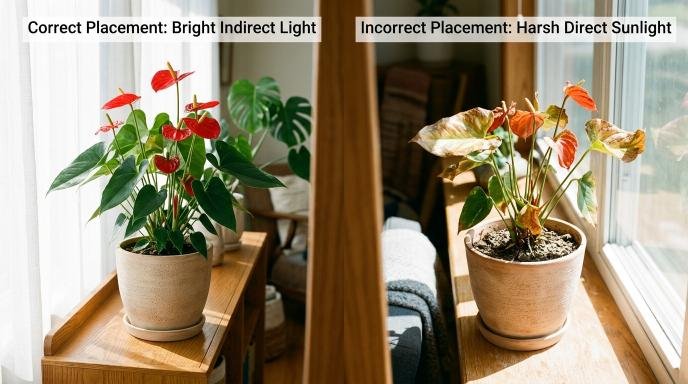
Give your flamingo flower bright, indirect light for the best balance between foliage growth and flowering.
A location near a bright window with filtered light is usually more suitable than a dark corner or a window where intense afternoon sun hits the leaves for hours.
Too little light
Insufficient light may cause:
- Slow growth.
- Pale or weak foliage.
- Longer gaps between leaves.
- Reduced flowering.
- A plant that appears healthy but rarely produces new blooms.
Flowering plants generally need adequate light to produce flower buds, and low-light conditions can reduce flowering.
Too much direct sunlight
Strong direct sunlight can cause:
- Bleached patches.
- Brown or scorched areas.
- Leaf stress.
- Excessively rapid moisture loss.
Practical placement
Try an east-facing window, or position the plant near a brighter window while protecting it from harsh direct afternoon sunlight.
If your home is naturally dark, supplemental grow lighting can help provide the additional light needed for healthy growth and flowering.
How to Water a Flamingo Flower Correctly
Watering is one of the most important parts of flamingo flower care.
Do not water simply because it has been seven days. Instead, check the potting mix and consider the plant’s light, temperature, humidity, and pot size.
A simple watering method
- Check the upper portion of the potting mix with your finger.
- If it still feels noticeably moist, wait.
- When the upper layer has started to dry, water thoroughly.
- Allow excess water to escape through the drainage holes.
- Empty water collected in the saucer or outer container.
Overwatering does not simply mean giving a plant a large amount of water once. Repeatedly keeping the root zone saturated is the bigger problem because excessively wet soil can reduce oxygen availability and contribute to root rot.
A useful rule for beginners
Check the soil, not the calendar.
A flamingo flower sitting in bright light may dry faster than one in a darker room. A plant in a small porous pot may also require different watering from one growing in a large plastic container.
What Type of Soil Is Best for Flamingo Flowers?
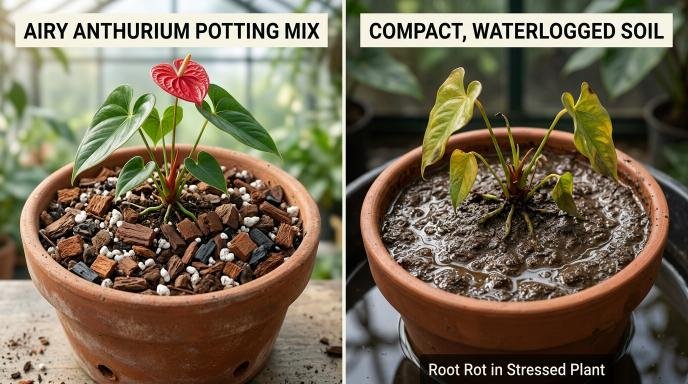
Use a loose, airy, well-draining potting mix rather than dense garden soil.
A suitable homemade approach can combine materials such as:
- Quality indoor potting mix.
- Orchid bark.
- Perlite or another drainage-promoting component.
The objective is to create a medium that retains some moisture while allowing excess water and air to move through the root zone.
Avoid compact soil that remains wet for long periods. Good drainage is particularly important because indoor plants should not be left standing in water.
Why soil structure matters
If the mix holds too much water:
Wet roots → reduced oxygen → root stress → yellowing/wilting → possible root rot.
If the mix dries excessively and repeatedly:
Dry roots → water stress → wilting → damaged foliage and reduced growth.
The best mix creates a middle ground.
How Much Humidity Does a Flamingo Flower Need?
Flamingo flowers appreciate humid conditions, particularly compared with the dry air found in many air-conditioned or heated homes.
Signs that dry air may be contributing to stress include:
- Brown leaf edges.
- Curling leaf margins.
- Crispy foliage.
- Poor-looking new growth.
However, increasing humidity does not mean keeping the leaves constantly wet.
Better ways to increase humidity
You can:
- Group compatible houseplants together.
- Use a room humidifier.
- Place the plant in a naturally humid room if sufficient light is available.
- Keep it away from hot or cold air vents.
A pebble tray can modestly increase humidity immediately around a plant, but the pot should remain above the water rather than sitting directly in it. Constantly wet roots can cause problems.
Expert tip: If your home is already humid, don’t automatically add a humidifier. First check whether the plant is actually showing signs of dry-air stress.
Best Temperature for Flamingo Flowers
Flamingo flowers prefer warm, stable indoor conditions.
Keep them away from:
- Cold drafts.
- Very cold windows.
- Air-conditioning outlets.
- Heating vents.
- Sudden temperature changes.
Temperature fluctuations can stress indoor plants, and tropical houseplants generally perform better under warm conditions without exposure to cold drafts.
If you move a flamingo flower between substantially different environments, acclimate it gradually rather than changing its conditions abruptly.
How to Fertilize a Flamingo Flower
A flamingo flower benefits from regular but moderate nutrition during active growth.
A practical approach is to use a balanced houseplant fertilizer according to the product label, avoiding excessive applications.
Why more fertilizer is not better
Excess fertilizer can lead to salt accumulation in the growing medium and damage roots.
Fertilizer needs also depend on growth conditions. Plants growing vigorously under brighter light generally require more nutrition than plants growing slowly in low light.
Better feeding practice
- Fertilize during active growth.
- Follow the fertilizer’s dilution instructions.
- Avoid applying concentrated fertilizer to dry roots.
- Occasionally water thoroughly so excess soluble salts can be flushed from the potting medium.
- Reduce feeding when growth slows significantly.
How to Encourage More Flamingo Flower Blooms
If your plant produces lots of leaves but very few flowers, light should be one of the first things you investigate.
Work through these factors:
1. Check the light
A dark room may keep the plant alive but may not provide enough energy for strong flowering.
2. Check the roots
Persistently wet soil can damage roots and reduce overall plant performance.
3. Check nutrition
Long-term lack of nutrients can contribute to weak growth.
4. Avoid constant disturbance
Repeatedly moving a plant between very different light conditions can create unnecessary stress.
5. Keep conditions stable
Consistent light, moisture, warmth, and humidity are generally more useful than repeatedly changing several factors at once.
Indoor flowering plants need sufficient light to develop flower buds, so improving light is often more productive than simply adding more fertilizer.
How to Prune a Flamingo Flower
Pruning is mainly about cleaning up damaged or spent growth, not aggressively cutting the plant back.
Remove:
- Completely dead leaves.
- Severely damaged leaves.
- Spent flower structures when they are no longer attractive.
- Yellowing material that is clearly declining.
Use clean, sharp pruning tools and make deliberate cuts rather than repeatedly tearing plant tissue.
Removing old plant material also helps keep the plant cleaner and makes it easier to inspect for insects.
When and How to Repot a Flamingo Flower
Repot when the existing container or potting mix is no longer serving the plant well, rather than automatically repotting every year.
Consider repotting when:
- Roots are becoming tightly crowded.
- Water runs through the pot unusually quickly.
- The potting mix has broken down and become compact.
- The plant repeatedly dries extremely quickly.
- Roots are growing from drainage holes.
Choose a container with drainage holes and avoid jumping to an excessively large pot.
A huge container can retain more moisture than the plant can use, increasing the risk of prolonged wet soil.
Common Flamingo Flower Problems and Solutions
Yellow Leaves
Yellowing can have several causes, so don’t automatically assume the plant needs fertilizer.
Check:
- How wet the soil stays.
- Drainage.
- Light levels.
- Recent changes in temperature.
- Natural aging of older leaves.
Overwatering and underwatering can both produce yellow or wilted foliage, which is why the surrounding growing conditions must be considered rather than relying on one symptom alone.
Brown Leaf Tips
Brown tips may be associated with:
- Dry air.
- Inconsistent watering.
- Root stress.
- Excessive fertilizer salts.
- Environmental stress.
Look for patterns. If only the newest leaves are affected, investigate current conditions. If older leaves are naturally aging while new growth looks healthy, the situation may be less serious.
Drooping Leaves
Check the soil before watering.
If the mix is very dry, the plant may be thirsty. If the mix is wet and the plant remains limp, investigate drainage and root health instead of adding more water.
Brown or Bleached Leaf Patches
Strong direct sunlight can scorch indoor plant foliage. Move the plant to brighter filtered light rather than immediately placing it in a darker room.
No Flowers
Start with:
- Light.
- Overall plant health.
- Root condition.
- Nutritional status.
- Temperature stability.
Do not assume that adding fertilizer alone will make a poorly lit plant bloom.
Flamingo Flower Pests
Common indoor plant pests can affect anthuriums, particularly when plants are stressed.
Inspect:
- Leaf undersides.
- New growth.
- Petioles.
- Areas around flower structures.
Potential pests include aphids, thrips, mealybugs, scale, and spider mites.
Regular inspection is valuable because catching an infestation early makes management much easier. Keeping plants healthy through suitable light, moisture, humidity, and temperature can also reduce pest-related problems.
If you discover insects, isolate the affected plant from nearby houseplants and identify the pest before choosing a treatment.
A Practical Weekly Flamingo Flower Care Routine
Instead of following a rigid watering schedule, use this quick inspection routine.
Once or twice a week
Check the soil.
Determine whether watering is actually needed.
Inspect the leaves.
Look underneath leaves for insects or unusual spotting.
Check the light.
Make sure the plant has not been moved into a darker location.
Inspect new growth.
New leaves provide useful clues about current growing conditions.
Look at the drainage.
Make sure the container is not sitting in accumulated water.
Remove damaged material.
Clear away dead leaves and spent flowers.
This routine takes only a few minutes but can identify problems before they become severe.
Seasonal Flamingo Flower Care
Spring and Summer
Growth may increase when conditions are warm and bright.
During this period:
- Monitor soil moisture more frequently.
- Provide adequate light.
- Fertilize during active growth according to label directions.
- Watch for pests.
- Maintain good airflow.
Brighter conditions can cause indoor plants to use water more rapidly, so watering frequency may naturally increase.
Fall and Winter
Growth can slow when light levels decline.
Avoid automatically maintaining a summer watering schedule.
Instead:
- Check soil before watering.
- Reduce fertilizer if growth has slowed.
- Keep the plant away from cold drafts.
- Watch for dry indoor air.
- Avoid placing it directly against a cold window.
Changes in indoor light, humidity, and temperature can significantly affect houseplant water requirements.
7 Common Flamingo Flower Care Mistakes
Watering on a Fixed Calendar
The plant does not know that it is Sunday. Its water requirements change with light, temperature, humidity, and potting mix.
Keeping the Soil Constantly Wet
Moisture is useful; saturation is not.
Putting It in a Dark Corner
Anthuriums may survive in lower light, but insufficient light can compromise growth and flowering.
Exposing It to Harsh Afternoon Sun
Bright light is helpful, but intense direct sunlight can scorch foliage.
Using a Huge Pot
More soil can mean more retained moisture around the roots.
Overfertilizing
Extra fertilizer cannot compensate for inadequate light or damaged roots.
Ignoring the Undersides of Leaves
Many pests are easier to detect on leaf undersides and around new growth than on the upper leaf surface.
Is Flamingo Flower Easy to Care For?
Yes, flamingo flower care is manageable for beginners, provided the plant receives suitable light and the roots are not kept continuously wet.
The biggest learning curve is watering. Once you stop treating watering as a fixed weekly task and start responding to the plant’s actual growing conditions, care becomes much more predictable.
It is also important to understand that an anthurium can remain alive in conditions that are not good enough for impressive flowering. Survival and thriving are not the same thing.
Frequently Asked Questions
How often should I water a flamingo flower?
Water when the upper portion of the potting mix has begun to dry, then water thoroughly and let excess water drain away. The exact interval depends on light, temperature, humidity, pot size, and soil composition.
Why is my flamingo flower not blooming?
Insufficient light is one of the first factors to investigate. Check the plant’s light exposure, root condition, nutrition, and general growing environment before adding more fertilizer.
Can flamingo flowers grow in low light?
They may tolerate lower light, but flowering can suffer when light is inadequate. A brighter indirect-light location is generally more suitable for maintaining strong growth and encouraging flowers.
Should I mist my flamingo flower?
Misting is not the only or necessarily the most effective way to manage humidity. A humidifier or suitable room environment can provide more consistent humidity, while good airflow helps prevent persistently wet foliage.
Why are my flamingo flower leaves turning yellow?
Check both overwatering and underwatering, along with drainage and light. Yellowing alone cannot identify the cause because multiple forms of plant stress can produce similar symptoms.
Why are the leaves turning brown?
Brown tips or patches can result from dry air, inconsistent moisture, root stress, excessive fertilizer salts, or excessive light. Look at the entire growing environment rather than treating the leaf symptom alone.
Does a flamingo flower need direct sunlight?
It generally performs better in bright, indirect light. Strong direct sunlight can scorch foliage, particularly when the plant is not acclimated to intense exposure.
When should I repot my flamingo flower?
Repot when the plant has become significantly root-bound, the potting mix has deteriorated, or drainage has become problematic. Use a container with drainage holes and avoid choosing an unnecessarily large pot.
How can I make my flamingo flower bushier?
Provide adequate light, maintain consistent moisture without waterlogging, remove declining foliage, and give the plant enough space for healthy new growth. Avoid excessive pruning simply to force bushiness.
Can I grow a flamingo flower indoors?
Yes. Indoor conditions can work very well when the plant receives sufficient bright filtered light, warmth, appropriate watering, and adequate humidity.
Final Takeaways
Successful flamingo flower care is less about complicated techniques and more about getting several basic conditions right at the same time.
Remember these priorities:
- Give it bright, indirect light.
- Water according to soil moisture, not a fixed calendar.
- Use a loose, well-draining potting mix.
- Never allow the container to sit in standing water.
- Maintain warm, stable conditions.
- Provide suitable humidity without keeping foliage constantly wet.
- Fertilize moderately during active growth.
- Inspect regularly for pests.
- Treat yellowing, browning, and wilting as clues, not diagnoses.
The most useful mindset is simple: watch the plant and its growing environment together. When light, moisture, roots, temperature, and nutrition are balanced, a flamingo flower has a much better chance of producing the glossy foliage and colorful blooms that make it such a rewarding houseplant.