Pink quill plant care can seem confusing because Tillandsia cyanea is often sold alongside air plants, yet it behaves differently from many of the silvery, soil-free Tillandsia species. Its green, strap-shaped leaves and colorful pink flower bracts make it an attractive houseplant, but its watering needs are easy to misunderstand.
The biggest mistake is treating every Tillandsia exactly the same. Pink quill prefers bright filtered light, warmth, humidity, and moisture without staying waterlogged. Understanding that balance is the key to keeping the foliage healthy and getting the plant to flower.
Quick Answer
Pink quill plant care is mainly about bright filtered light, consistent moisture, warmth, humidity, and excellent airflow. The pink quill, Tillandsia cyanea, is a tropical bromeliad that can grow in a pot and appreciates more moisture than many true air plants. Water thoroughly when the growing medium begins to dry, but never leave the plant sitting in soggy soil. Keep it warm, provide bright indirect light, and avoid water remaining trapped in the central crown. With the right conditions, it can produce its distinctive pink bracts and violet flowers.
What Is a Pink Quill Plant
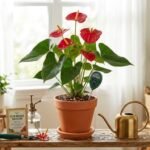
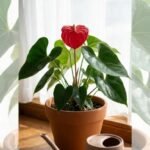
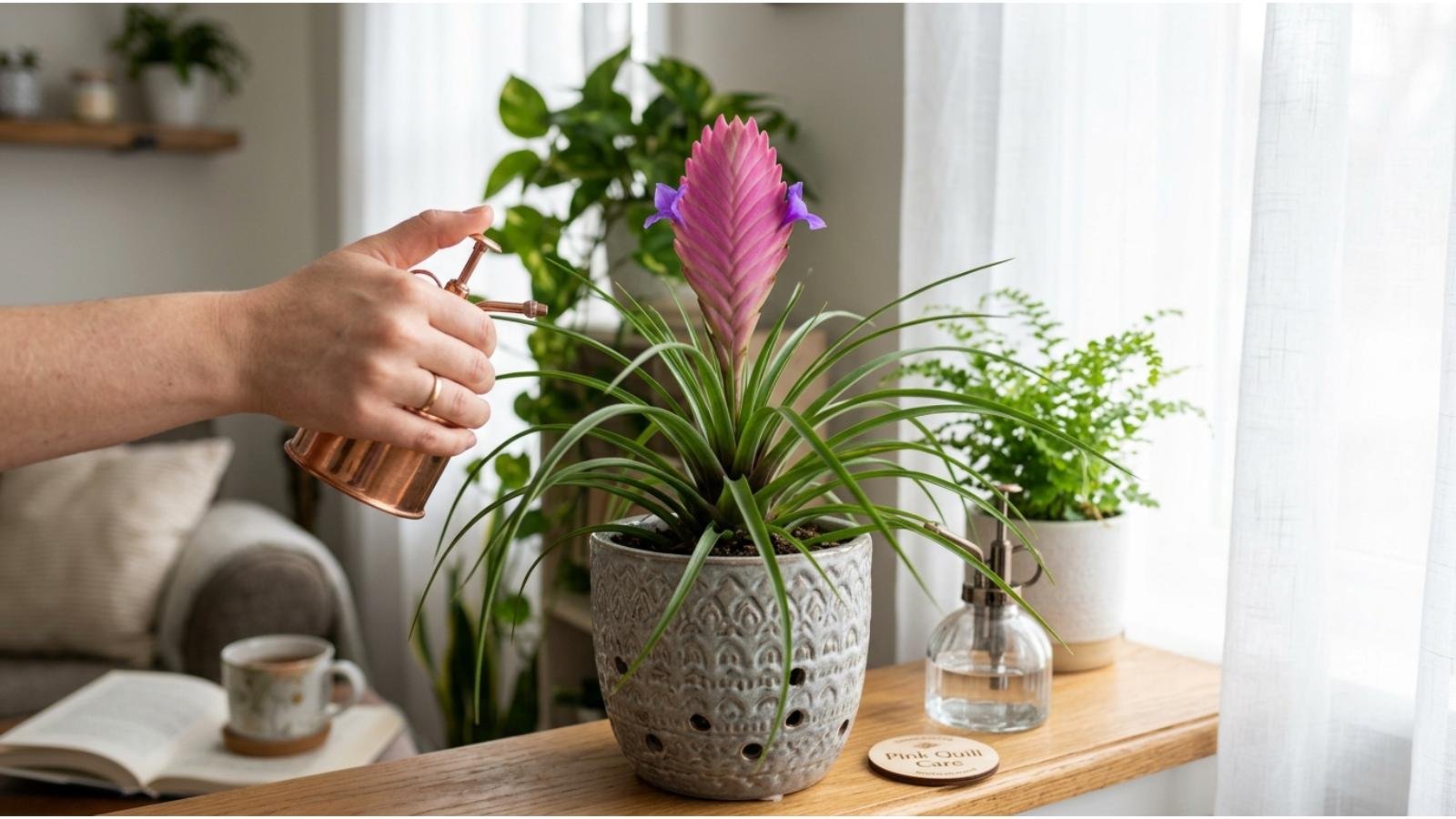
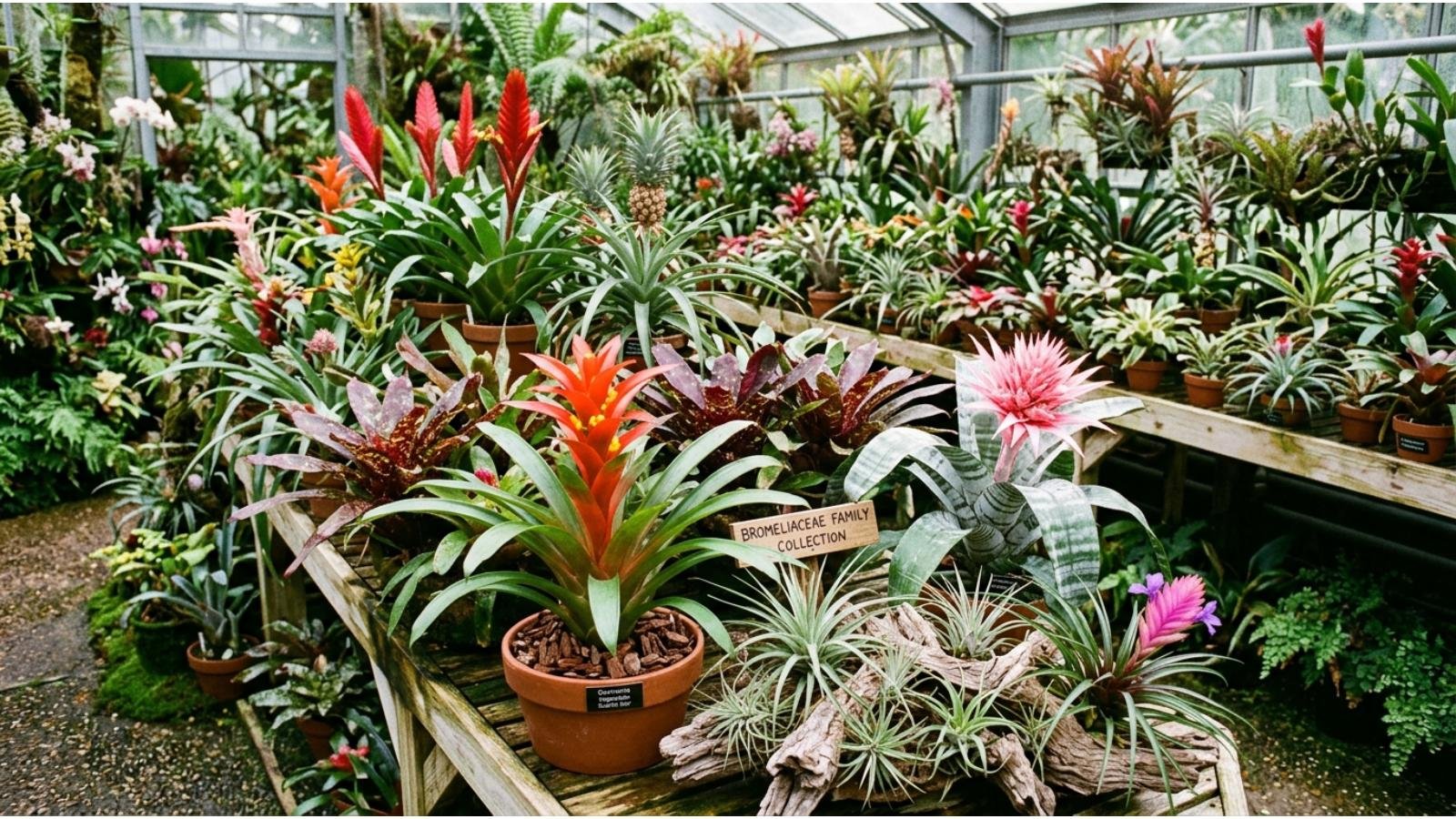
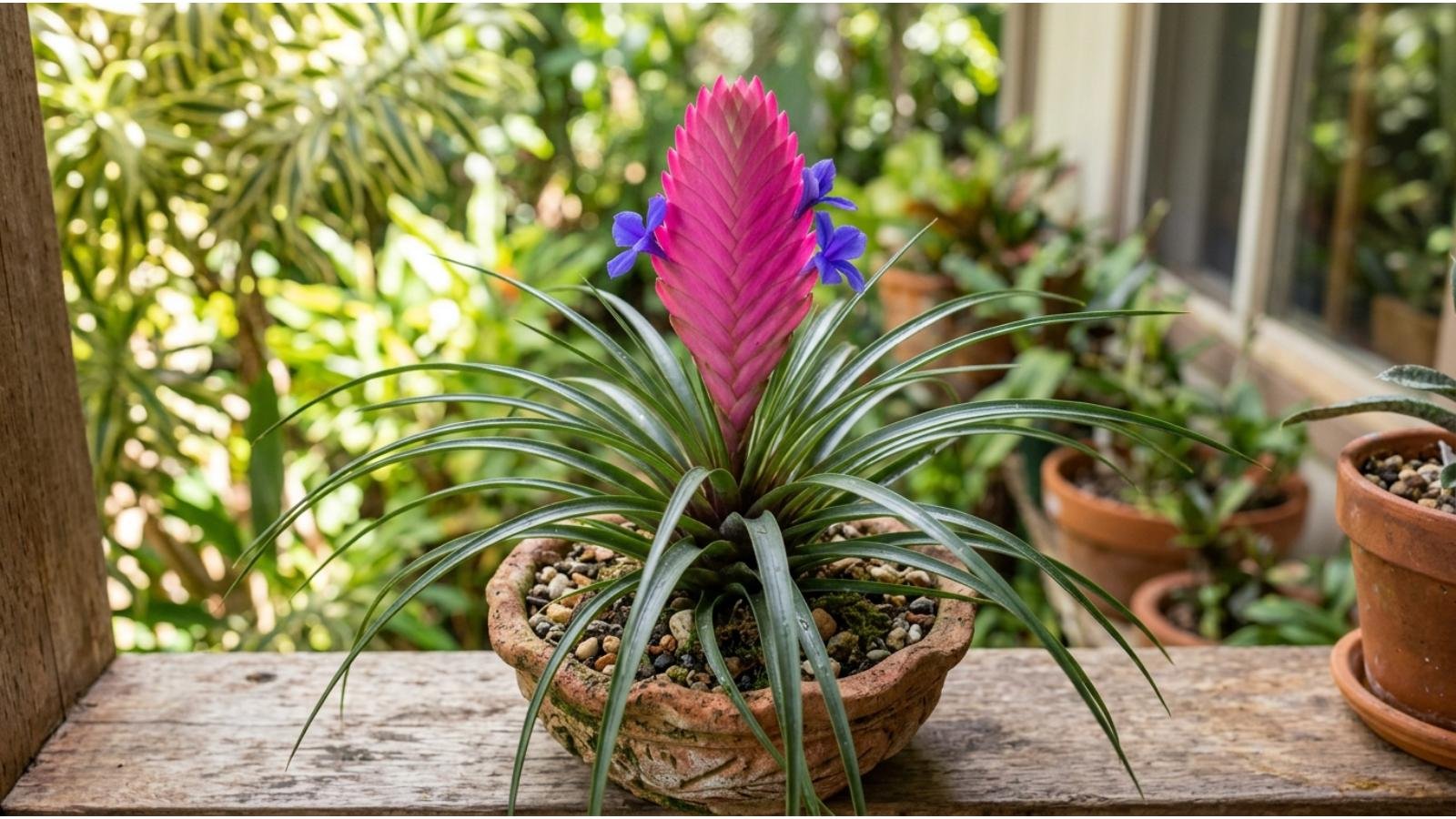
The pink quill plant is Tillandsia cyanea, a member of the Bromeliaceae family. It produces a rosette of narrow green leaves and a flattened pink flower spike that resembles a quill. Small violet or purple flowers emerge from the colorful bracts.
Although it is commonly associated with air plants, pink quill has somewhat different growing requirements. Clemson Extension notes that T. cyanea can be grown in moist soil, while the RHS lists it among tropical epiphytic plants and recommends bright, diffused light and good ventilation.
This distinction matters when choosing a potting method. A beginner who assumes the plant must remain completely soil-free may accidentally keep it too dry.
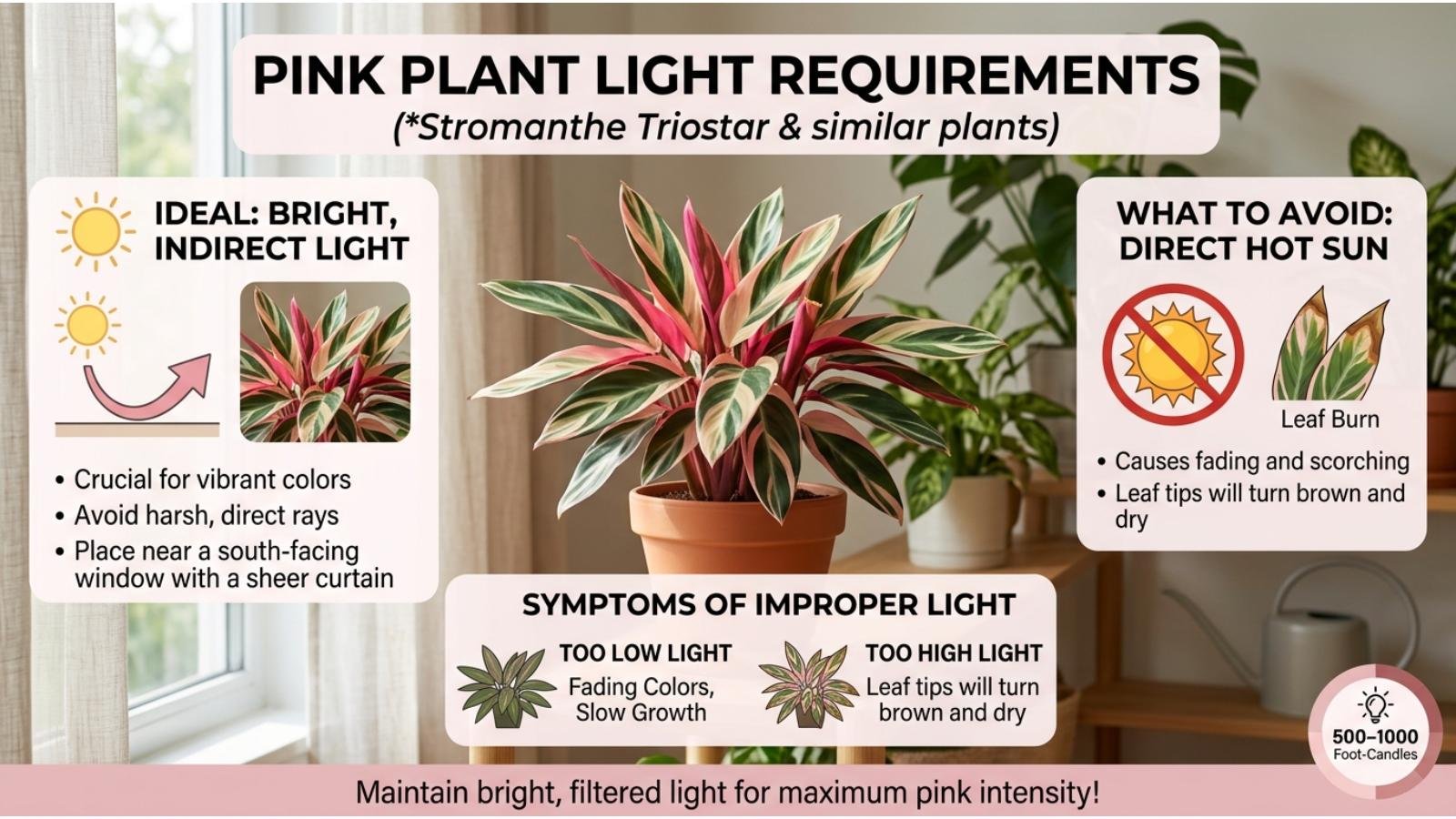
Pink Quill Plant Light Requirements
Bright, indirect or filtered light is usually the safest choice.
An east- or west-facing window can work particularly well. A bright south-facing location may also work if harsh direct sunlight is filtered through a curtain or otherwise softened.
Too little light can result in:
- Slow growth.
- Weak or stretched foliage.
- Reduced flowering potential.
- Pale-looking leaves.
Too much intense direct sunlight can scorch the leaves, particularly behind hot glass.
The RHS recommends bright but diffused light for Tillandsia cyanea, making filtered sunlight a useful target for indoor growers.
Practical tip: If your plant receives gentle morning sunlight but harsh afternoon sun, morning light is generally easier to manage.
How to Water a Pink Quill Plant
Watering is one of the most important parts of pink quill plant care.
Unlike many desert-style Tillandsia, T. cyanea appreciates a consistently moist growing environment without being left saturated. Clemson Extension specifically describes it as a Tillandsia that needs moist soil.
For a potted plant, check the upper portion of the growing medium before watering. When it has started to dry but the plant has not become completely dry, water thoroughly.
During active growth:
- Check the potting medium regularly.
- Water thoroughly when it has begun to dry.
- Allow excess water to drain completely.
- Empty water collected in the saucer.
- Avoid keeping the roots continuously saturated.
The exact schedule depends on temperature, humidity, pot size, light, and the type of growing medium.
In a warm, bright room, the plant may need water more frequently than one kept in a cool, dim location.
Can You Water Pink Quill From the Top
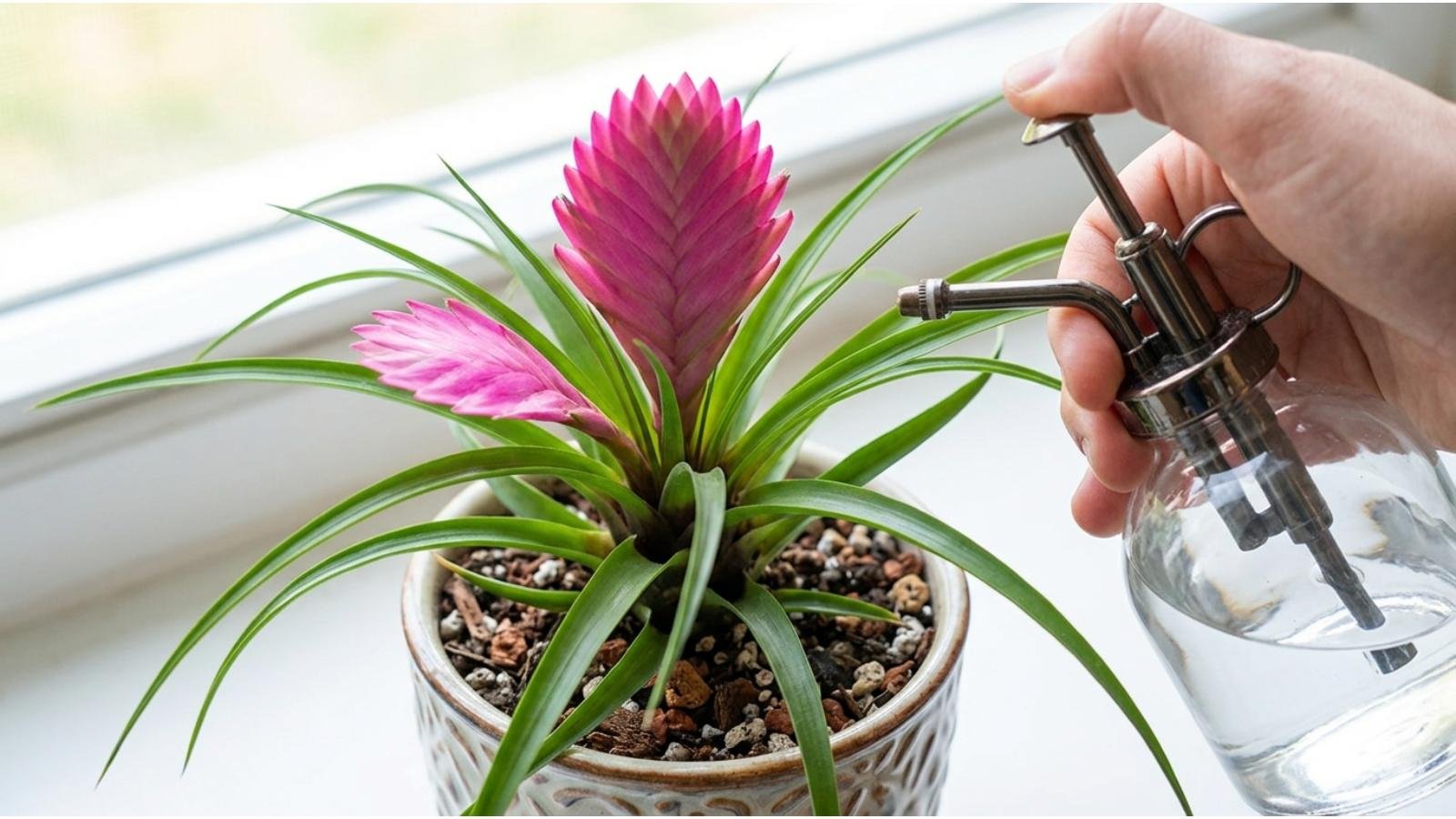
Yes, but be careful about water collecting in the crown.
The central crown is the point where the leaves emerge. Standing water combined with poor airflow can encourage rot. The RHS specifically identifies water trapped in the crown together with poor air circulation as a major cause of rotting in Tillandsia.
After watering, make sure the plant can drain and dry appropriately.
If water accumulates deeply in the center, gently tip the plant or otherwise allow excess water to escape.
This is particularly important in cooler rooms, where evaporation is slower.
Best Soil for Pink Quill Plant Care
Pink quill is more forgiving about soil than many people expect.
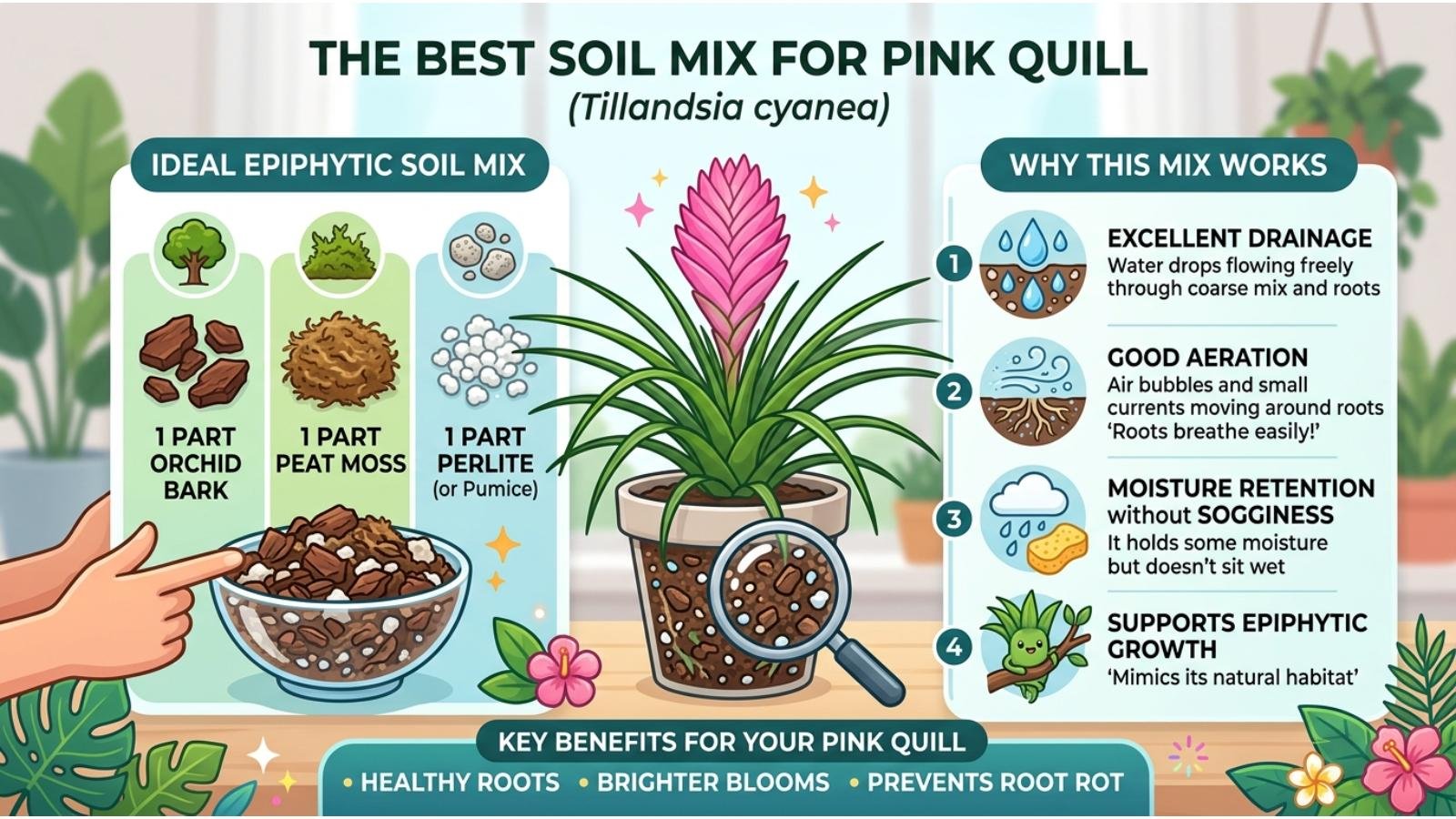
Because Tillandsia cyanea can grow in a pot, use a loose, well-draining medium rather than dense garden soil. Clemson Extension specifically notes that this species can be grown in moist soil.
A suitable mix should:
- Hold some moisture.
- Drain excess water quickly.
- Allow air to reach the roots.
- Resist compacting over time.
A bromeliad or orchid-style growing medium can be a practical choice.
Avoid heavy garden soil that stays wet for long periods. The goal is moist but airy, not muddy.
Choosing the Right Pot
A pot with drainage holes is essential.
The container does not need to be oversized. A pot that is much larger than the root system can retain moisture for too long, increasing the risk of root problems.
When repotting, choose a container only moderately larger than the existing root system and make sure excess water can escape freely.
A decorative cachepot can still be used, but remove the plant’s inner pot when watering if necessary and empty any water that collects underneath.
Pink Quill Plant Humidity Requirements
Pink quill appreciates humidity because it originates from tropical environments.
A naturally humid bathroom with adequate bright light can be a good location.
However, high humidity should not replace airflow.
A common indoor-plant mistake is creating a warm, enclosed, constantly damp environment. High humidity combined with stagnant air can create conditions favorable to rot.
Aim for:
- Moderate to high humidity.
- Good air movement.
- Proper drainage.
- Leaves that are allowed to dry appropriately after watering.
If your home is very dry, a humidifier can provide more consistent humidity than repeatedly misting the plant.

Best Temperature for Pink Quill
Pink quill prefers warm indoor conditions and should be protected from cold temperatures.
The recommends temperatures above 12°C for Tillandsia generally, while Penn State Extension notes that Tillandsias perform well with warm daytime temperatures and nights above approximately 55°F.
Keep the plant away from:
- Cold drafts.
- Frequently opened exterior doors.
- Air-conditioning vents.
- Heating vents.
- Very cold windows during winter.
Sudden temperature changes can be particularly stressful for tropical houseplants.
How to Fertilize Pink Quill
Fertilizer is useful when the plant is actively growing, but more fertilizer is not automatically better.
Use a diluted fertilizer formulated for bromeliads or other suitable houseplants and follow the product’s directions.
Avoid applying concentrated fertilizer to dry, stressed plants.
Good light, adequate water, warmth, and healthy roots are more important than heavy feeding. Fertilizer should supplement good care rather than compensate for poor growing conditions.
How to Make a Pink Quill Plant Bloom
The colorful pink structure is one of the main reasons people grow this plant.
The pink bract is not itself the flower. The small violet flowers emerge from the pink inflorescence.
To encourage healthy flowering, focus first on overall plant health:
- Provide bright filtered light.
- Maintain appropriate moisture.
- Keep temperatures warm.
- Maintain useful humidity.
- Provide good airflow.
- Avoid severe stress from drought or overwatering.
The RHS reports flowering in spring or autumn for Tillandsia cyanea.
If your plant is healthy but refuses to bloom, insufficient light is one of the first environmental factors worth examining.
What to Do After Pink Quill Flowers
Pink quill belongs to a group of bromeliads that generally flower once from an individual rosette.
After flowering, the mother plant gradually declines while producing offsets, or pups, around its base. Penn State Extension explains that Tillandsias flower once and subsequently produce offsets as part of their life cycle.
This can surprise beginners.
A declining mother plant does not necessarily mean the entire plant has failed.
Continue caring for the plant while the offsets develop. Once the original rosette has completely died back, it can be removed while the young plants continue growing.
How to Propagate Pink Quill Plant
The easiest method for most home growers is propagation through offsets.
Wait until a pup has developed enough size and its own foliage before separating it. The recommends separating offsets once they reach at least around one-third the size of the parent plant.
A simple approach is:
- Wait for a healthy offset to develop.
- Carefully inspect where it joins the mother plant.
- Separate it using a clean, sharp tool if necessary.
- Place the young plant into an appropriate growing medium.
- Continue providing warmth, moisture, filtered light, and airflow.
Avoid removing tiny offsets too early. Giving them time to develop improves their chances of establishing successfully.
Common Pink Quill Plant Care Mistakes
Overwatering
Keeping the roots constantly wet is one of the easiest ways to create problems.
Remember that the goal is moisture with drainage, not permanently saturated soil.
Treating It Like a Desert Air Plant
Not every Tillandsia has the same watering requirements.
Pink quill has green foliage and is adapted to more moisture than many drought-tolerant, silvery Tillandsias.
Poor Airflow
Humidity without ventilation can become counterproductive.
Good airflow helps the plant dry appropriately after watering and reduces the risk of crown rot.
Keeping It Too Dark
Pink quill may survive in lower light for a while, but insufficient light can reduce vigor and make flowering less likely.
Leaving Water in the Crown
This is particularly risky when the plant is kept in cool or poorly ventilated conditions.
Using a Huge Pot
A large container can hold moisture longer than necessary. Match the pot to the plant rather than automatically choosing the largest container available.
Pink Quill Plant Leaves Turning Brown
Brown leaves can have several causes, so examine the entire growing environment before changing your watering routine.
Possible causes include:
- Underwatering.
- Very dry indoor air.
- Excessive direct sunlight.
- Root problems.
- Poor water quality.
- Natural aging of individual leaves.
If the brown tissue is concentrated at the tips and the growing medium becomes extremely dry between waterings, dehydration may be involved.
If the base or center is becoming brown or black and feels soft, suspect rot instead.
Pink Quill Plant Leaves Turning Yellow
Yellowing leaves can indicate stress from watering, poor root health, insufficient light, or natural aging.
Start by checking the growing medium.
If it remains wet for a long time, improve drainage and examine the roots for signs of deterioration. If the plant is extremely dry, increase watering consistency rather than giving it occasional excessive amounts of water.
Also assess light. A plant growing in a dark corner may struggle even if watering is perfect.
Why Is My Pink Quill Plant Dying
When a pink quill looks severely unhealthy, avoid changing five things at once.
Instead, inspect it systematically.
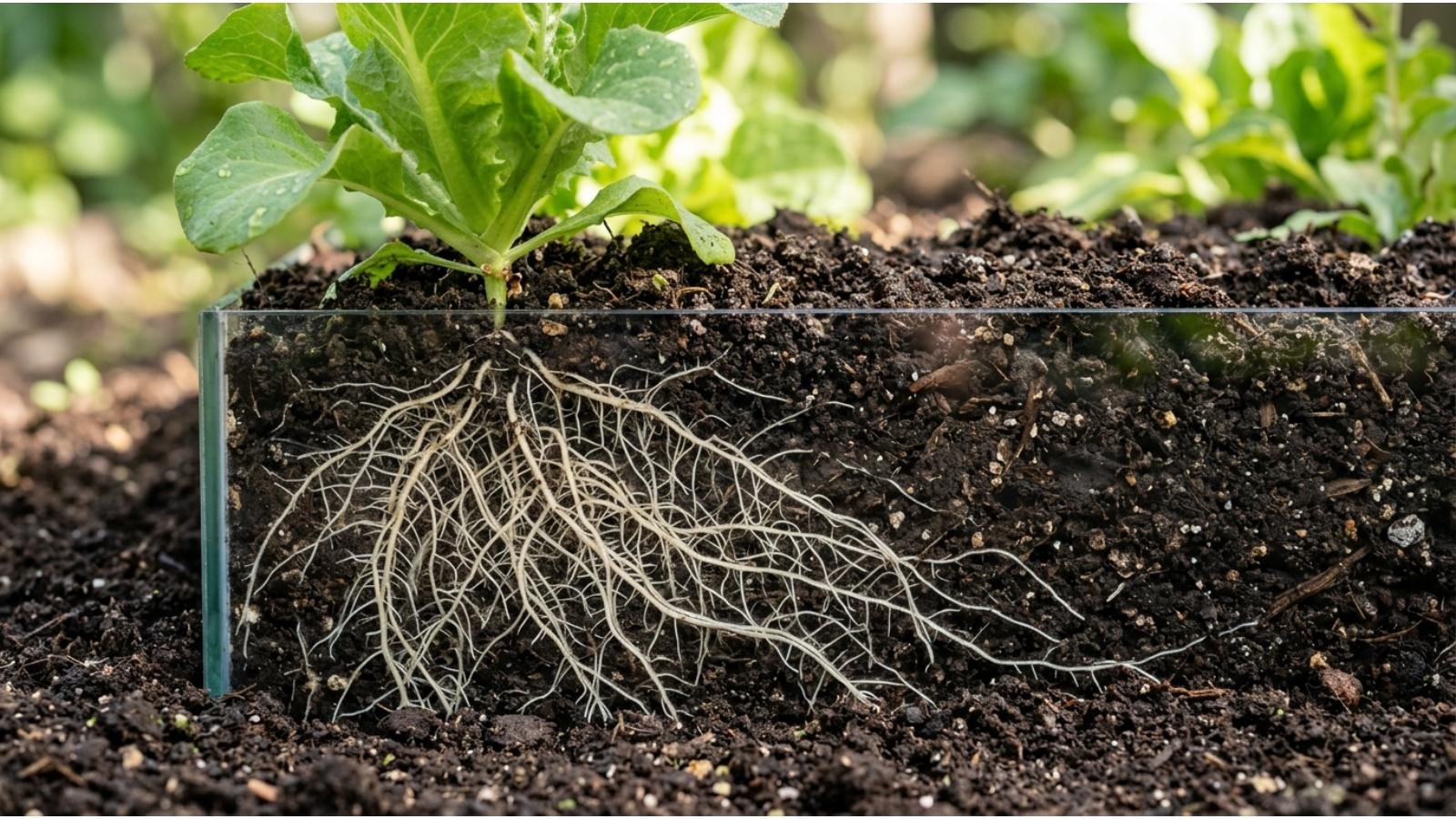
First, check the roots and base. Soft, dark tissue can indicate rot.
Next, check moisture. Is the growing medium constantly wet or becoming bone dry?
Then check light. Is the plant receiving bright filtered light?
Finally, check airflow and temperature. A plant kept in a cold, stagnant corner can struggle even when watering appears reasonable.
This diagnostic approach makes it easier to identify the actual problem instead of treating symptoms randomly.
Is Pink Quill an Air Plant
Yes, pink quill is a Tillandsia and is commonly associated with air plants, but it should not automatically be treated like every other Tillandsia.
The classifies Tillandsia cyanea as an epiphytic perennial, while Clemson Extension specifically notes that it can be grown in moist soil.
That difference is important for beginners.
If your pink quill came growing in a small pot, there is usually no reason to immediately remove it and force it into a soil-free air-plant setup.
Pink Quill Plant Care in Winter
Winter care should focus on preventing cold stress and excessive moisture.
Because indoor temperatures and evaporation rates often decrease during winter, the plant may not need water as frequently as it does during warm, bright months.
Before watering:
- Check the growing medium.
- Consider how quickly the pot is drying.
- Keep the plant away from cold drafts.
- Maintain adequate light.
- Avoid leaving the crown saturated.
Do not follow a rigid watering calendar throughout the year. Indoor conditions change, and the plant’s watering needs change with them.
Pink Quill Plant Care at a Glance
| Care Factor | Best Approach |
|---|---|
| Light | Bright, filtered or indirect light |
| Water | Keep medium appropriately moist but well drained |
| Soil | Loose, airy, well-draining mix |
| Humidity | Moderate to high humidity |
| Temperature | Warm indoor conditions |
| Airflow | Good circulation is important |
| Fertilizer | Diluted feeding during active growth |
| Flowering | Healthy growth and adequate light encourage flowering |
| Propagation | Separate healthy offsets |
| Main danger | Overwatering combined with poor airflow |
Image Suggestions
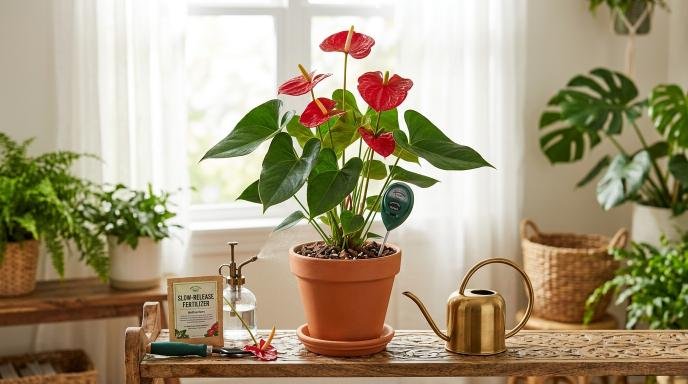
Image Suggestion: Healthy pink quill plant showing its green rosette and pink flower spike.
Image Suggestion: Pink quill plant positioned near a bright filtered window.
Image Suggestion: Correct watering technique showing a thoroughly watered plant with excess water draining away.
Image Suggestion: Healthy pink quill roots compared with roots affected by rot.
Image Suggestion: Mature pink quill with a young offset growing beside the mother plant.
Frequently Asked Questions
How often should I water a pink quill plant?
Water when the growing medium begins to dry, then allow excess water to drain. Frequency depends on temperature, light, humidity, pot size, and airflow rather than a fixed weekly schedule.
Does pink quill need direct sunlight?
It generally performs well in bright filtered light. Strong direct sunlight, particularly through hot glass, can scorch the foliage, so filtered sunlight is a safer option.
Can pink quill grow in soil?
Yes. Although it is a Tillandsia, Tillandsia cyanea can be grown in moist, well-draining soil or a suitable airy growing medium.
Why is my pink quill not flowering?
Insufficient light is one possibility. Check that the plant receives bright filtered light and that watering, temperature, humidity, and general health are also appropriate.
Does pink quill die after flowering?
The individual flowering rosette eventually declines, but the plant can produce offsets before it dies. Those offsets can develop into new plants.
Should I cut off the pink flower spike?
You can remove a spent flower spike once it has finished its display, but there is no need to remove healthy foliage unnecessarily. Focus on allowing the plant’s offsets to develop.
Can I keep a pink quill in a bathroom?
Yes, provided the bathroom has enough bright filtered light and good ventilation. Humidity can be beneficial, but a dark, stagnant bathroom is not an ideal growing environment.
Why is the center of my pink quill turning brown?
A brown or black center can indicate crown rot, particularly when water remains trapped in the crown and airflow is poor. Allow excess water to drain and improve ventilation.
Conclusion
Successful pink quill plant care comes down to balance. Give Tillandsia cyanea bright filtered light, warmth, appropriate moisture, humidity, and plenty of airflow rather than treating it like a completely dry air plant.
The most useful habit is to observe the plant and its growing medium instead of following a rigid watering calendar. When you combine good drainage with consistent moisture and adequate light, your pink quill has a much better chance of maintaining healthy foliage, producing its striking pink bracts, and developing new offsets after flowering.