Quick Answer
Eugenia plant care is relatively simple when the plant receives plenty of bright light, well-draining soil, consistent moisture, and regular pruning.
Water when the top layer of soil begins to dry, but avoid keeping the roots constantly wet. Eugenia grows well in containers and can be shaped into attractive topiaries with regular trimming. Protect it from freezing temperatures and monitor for pests, especially when growing it indoors.
Introduction
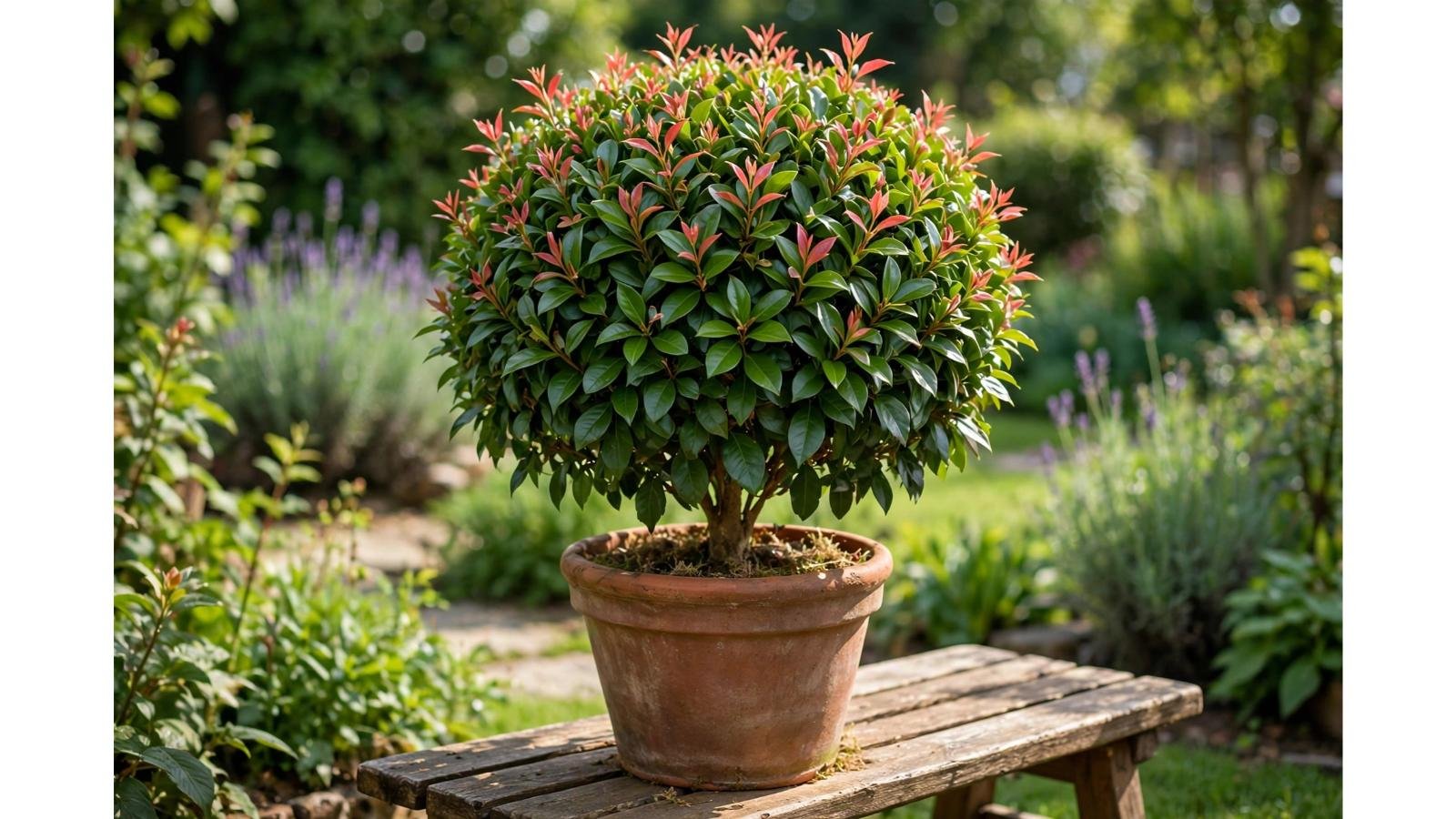
Eugenia is a popular evergreen plant known for its glossy foliage, dense growth, and ability to tolerate regular pruning. It is often grown as a shrub, container plant, hedge, or carefully shaped topiary.
The plant can look deceptively easy to maintain. A healthy Eugenia may remain compact and attractive for years, but problems can develop when light, watering, drainage, or pruning are neglected. Brown leaves, leaf drop, sparse growth, and weak branches are often signs that something in the growing environment needs attention.
The good news is that most Eugenia problems become easier to manage when you focus on the basics. Give the plant enough light, avoid extremes in soil moisture, provide good drainage, and prune gradually rather than aggressively.
What Is a Eugenia Plant?
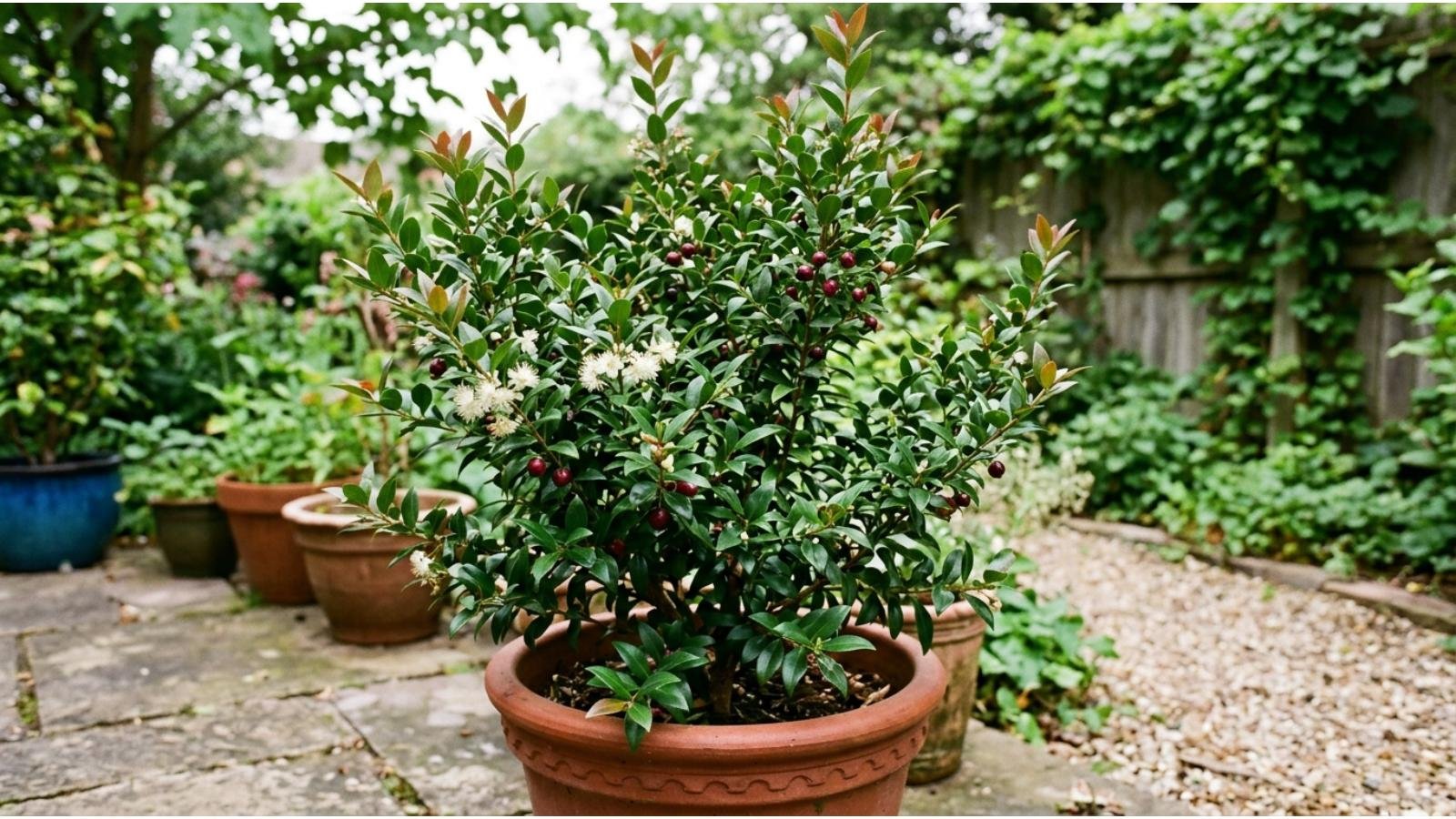
Eugenia is a group of evergreen plants that includes species grown for ornamental foliage, hedging, fruit, and topiary. Plants sold as ornamental Eugenia are particularly valued for their small leaves, woody stems, and dense growth.
Many container-grown Eugenia plants are trained into decorative shapes. Their ability to produce new growth after pruning makes them useful for formal gardens, patios, entrances, balconies, and indoor spaces with strong natural light.
One important point is that the name Eugenia can be used for different species and cultivars. Exact cold tolerance, mature size, and fruiting behavior can therefore vary.
For general ornamental care, however, the same fundamentals remain important: light, drainage, moisture, nutrition, temperature, and pruning.
Eugenia Light Requirements
Light has a major influence on the appearance and growth of Eugenia.
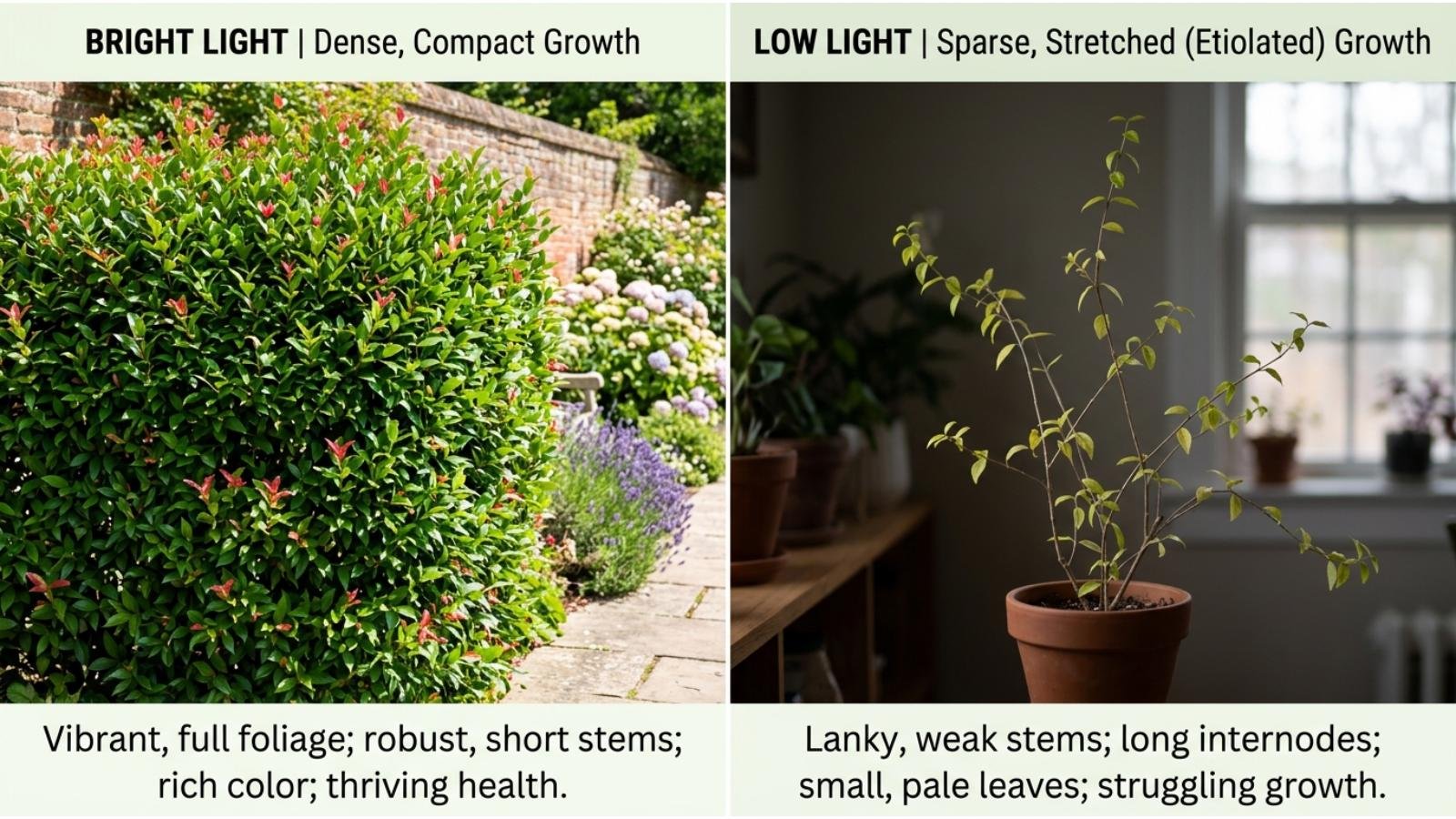
A Eugenia grown in bright conditions generally develops stronger, denser growth. A plant kept in inadequate light may survive but gradually become thin and stretched.
How much light does Eugenia need?
Eugenia generally prefers bright light and can grow well in full sun outdoors when properly acclimated.
Indoor plants should be placed near the brightest suitable window. A location with several hours of strong natural light is preferable to a dark corner several feet away from a window.
If the plant has been growing indoors in lower light, do not suddenly move it into intense outdoor sunlight. Gradually increase its exposure so the foliage has time to adjust.
Signs of insufficient light
Watch for:
- Long, thin stems.
- Large gaps between leaves.
- Sparse foliage.
- Weak new growth.
- Uneven development.
- Loss of a neat topiary shape.
Pruning will not permanently solve a light problem. If the plant continues receiving insufficient light, new growth may become thin again.
How to Water Eugenia
Watering is one of the most important parts of Eugenia plant care.
The goal is to provide enough moisture for healthy roots while allowing excess water to drain away.
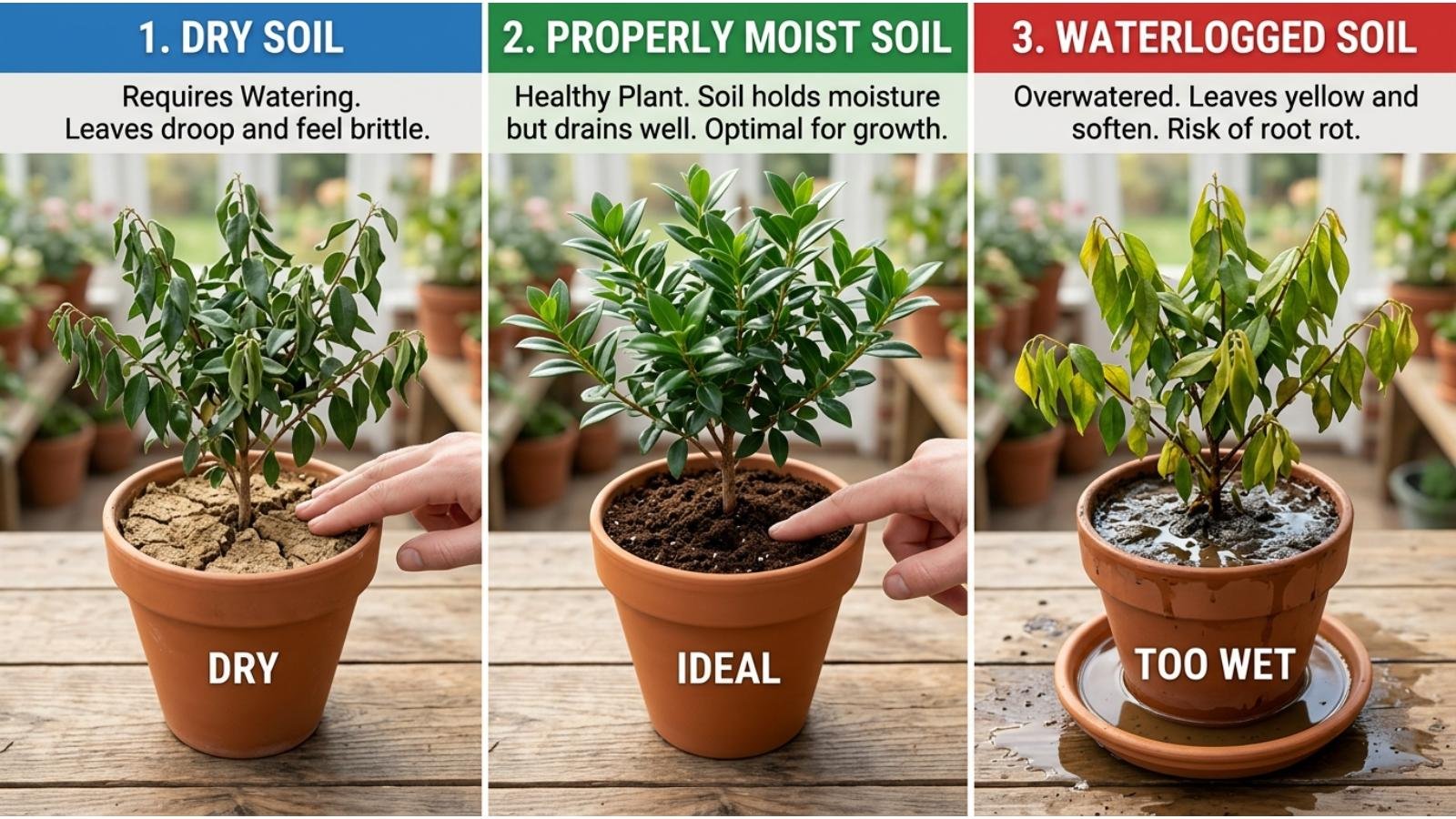
Instead of watering according to a fixed schedule, check the soil first. When the upper layer has started to dry, water thoroughly until excess water drains through the container’s drainage holes.
Then allow the excess water to leave the pot completely.
Why fixed watering schedules can fail
A Eugenia growing in a small pot under strong summer sunlight may dry out much faster than one growing in a large container in a cool room.
Water requirements can change because of:
- Temperature.
- Light intensity.
- Humidity.
- Pot size.
- Soil composition.
- Plant size.
- Season.
- Indoor or outdoor conditions.
This is why checking the soil is more reliable than automatically watering every few days.
Signs of underwatering
A thirsty Eugenia may develop:
- Wilting.
- Dry or crispy leaves.
- Brown leaf edges.
- Leaf drop.
- Slow growth.
Signs of overwatering
Too much water can be just as problematic.
Possible warning signs include:
- Yellowing leaves.
- Sudden leaf drop.
- Soil that stays wet for long periods.
- Weak growth.
- Root deterioration.
- Unpleasant-smelling soil.
The most common beginner mistake is assuming that a struggling plant automatically needs more water. If the soil is already wet, additional watering can make the situation worse.
Best Soil for Eugenia
Eugenia performs best in soil that provides both moisture retention and good drainage.
The growing medium should hold enough water for the roots without remaining saturated for long periods.
For container plants, a quality potting mix designed for good drainage is a practical choice. A mix containing materials that improve aeration can help prevent the soil from becoming dense and compacted.
Why drainage matters
Roots need oxygen as well as water. When all the spaces between soil particles remain filled with water, oxygen availability decreases.
Over time, persistently wet soil can weaken roots and make the plant more vulnerable to root problems.
For outdoor planting, avoid locations where rainwater consistently pools around the roots.
What soil pH does Eugenia prefer?
Eugenia generally performs well in slightly acidic to near-neutral soil.
There is usually no reason to make dramatic pH adjustments when the plant is growing well. Soil testing becomes more useful when persistent nutrient deficiencies or unusual growth problems appear.
Choosing the Right Pot for Eugenia
A suitable container should always have adequate drainage.
Look for a pot with:
- Drainage holes.
- Enough room for healthy root growth.
- A stable base.
- A size appropriate for the existing root system.
Avoid placing a small Eugenia into a huge container simply because you want it to grow faster.
A very large amount of wet soil can take a long time to dry, especially when the plant has a relatively small root system.
When repotting, moving into a moderately larger container is generally more practical.
How to Fertilize Eugenia
Container-grown Eugenia can benefit from regular feeding because nutrients gradually become depleted from the growing medium.
During active growth, a balanced fertilizer can be applied according to the product’s directions.
However, fertilizer should support good growing conditions rather than compensate for poor ones.
If your Eugenia has insufficient light, damaged roots, poor drainage, or severe watering problems, adding extra fertilizer will not solve the underlying issue.
Signs you may be overfertilizing
Watch for:
- Brown leaf tips.
- Poor growth despite regular feeding.
- Crusty buildup on the soil.
- Sudden leaf problems after heavy fertilization.
When in doubt, it is generally better to correct the growing environment before increasing fertilizer.
How to Prune Eugenia
Pruning is particularly important when Eugenia is grown as a topiary.
Regular trimming encourages the plant to maintain a compact appearance and allows you to control its shape.
Eugenia can be trained into forms such as:
- Balls.
- Cones.
- Spirals.
- Standards.
- Formal shrubs.
Step-by-step Eugenia pruning
- Inspect the plant from all sides.
- Remove dead or damaged branches first.
- Identify shoots that extend beyond the desired shape.
- Use clean, sharp pruning tools.
- Make controlled cuts rather than removing large amounts at once.
- Step back regularly to check the overall shape.
- Allow new growth to develop before performing another major correction.
Regular light trimming is usually easier than allowing the plant to become badly overgrown and then cutting it back heavily.
When should Eugenia be pruned?
The ideal timing depends on your climate and the growth rate of the particular plant.
Pruning during active growth generally allows the plant to recover and produce new shoots more quickly.
Avoid combining severe pruning with major environmental stress such as extreme heat, drought, or sudden cold.
Image Suggestion: Step-by-step Eugenia topiary pruning illustration showing the original shape, trimming points, and finished shape.
How to Make Eugenia Bushier
If your Eugenia is becoming thin or leggy, first investigate its growing conditions.
The most important factors are:
- Provide sufficient light.
- Avoid prolonged drought.
- Maintain good root health.
- Prune long shoots strategically.
- Give the plant appropriate nutrition.
Pruning can encourage branching, but light is equally important.
A plant that is continually grown in a dim location may produce weak new growth even after pruning.
The best approach is to improve the growing environment first and then use pruning to shape the resulting healthy growth.
Eugenia Indoor Care
Eugenia can be grown indoors when it receives enough light.
The biggest challenge indoors is usually not watering. It is insufficient light.
Place your plant near a bright window where it can receive strong natural light.
Indoor Eugenia care checklist
- Place it in bright light.
- Check soil moisture regularly.
- Use a container with drainage holes.
- Do not leave water sitting underneath the pot.
- Keep it away from extreme heating or cooling drafts.
- Inspect foliage for pests.
- Prune regularly to maintain its shape.
- Adjust watering as indoor conditions change.
Indoor air can become very dry, particularly during heating or air-conditioning periods. However, increasing humidity should not be used as a substitute for proper watering, light, or drainage.
Eugenia Outdoor Care
Outdoor Eugenia can develop dense, attractive foliage when grown in suitable conditions.
Choose a location with plenty of sunlight and soil that drains well.
Newly planted Eugenia usually requires more consistent watering while its root system becomes established.
Once established, the plant may handle short periods of dry conditions better, although prolonged drought can still cause stress.
Protect Eugenia from extreme cold
Many ornamental Eugenia plants prefer warm conditions and can suffer from freezing temperatures.
Container plants have an advantage because they can be moved into a protected location when severe cold threatens.
If you live in a climate with regular freezing temperatures, consider the plant’s cold tolerance before leaving it outdoors through winter.
Eugenia Care in Different Seasons
Spring Eugenia Care
Spring is a useful time to:
- Inspect for winter damage.
- Resume regular feeding as growth increases.
- Check the root system.
- Repot if necessary.
- Begin shaping new growth.
- Adjust watering as temperatures rise.
Summer Eugenia Care
Summer often increases water demand.
Check containers more frequently during hot weather, particularly when the plant receives strong sunlight.
Pay attention to:
- Soil moisture.
- Leaf scorch.
- Pests.
- New growth.
- Container drainage.
A container can dry surprisingly quickly during periods of high heat.
Fall Eugenia Care
As temperatures decline, growth and water use may slow.
Gradually adjust watering instead of continuing the same summer routine automatically.
If you plan to move an outdoor Eugenia indoors, inspect it carefully for insects before bringing it inside.
Winter Eugenia Care
Winter care depends heavily on your climate.
Indoor plants may need:
- Maximum available light.
- Less frequent watering.
- Protection from cold drafts.
- Regular pest inspections.
Do not continue heavy fertilization if the plant’s growth has slowed significantly.
Why Are My Eugenia Leaves Turning Brown?
Brown leaves can result from several different problems.
Common possibilities include:
- Underwatering.
- Excessive heat.
- Sudden environmental changes.
- Root problems.
- Excess fertilizer.
- Poor drainage.
Start by checking the soil.
If the soil is extremely dry, moisture stress may be involved.
If the soil remains wet for days, investigate drainage and watering frequency before adding more water.
Also consider whether the plant has recently been moved from a shaded location into strong sunlight.
Important: Brown leaves are a symptom, not a diagnosis. Look at the plant’s entire growing environment before deciding what caused them.
Why Is My Eugenia Dropping Leaves?
Leaf drop can happen when Eugenia experiences environmental stress.
Check for:
- Sudden changes in light.
- Dry soil.
- Constantly wet soil.
- Temperature fluctuations.
- Poor drainage.
- Pest activity.
- Recent repotting.
- Heavy pruning.
- Fertilizer stress.
A newly moved plant may temporarily lose some leaves while adapting to a different environment.
However, continued leaf drop should prompt a closer inspection of the roots, soil, light, and watering routine.
Why Are Eugenia Leaves Turning Yellow?
Yellow leaves can occur for several reasons.
If the soil is consistently saturated, excessive moisture may be affecting root health.
If the plant is extremely dry, moisture stress may also cause foliage problems.
Older leaves can naturally yellow and drop as part of the plant’s normal growth cycle, so one or two yellow leaves are not necessarily alarming.
Look for patterns.
If many leaves are yellowing at once, examine the plant’s watering, drainage, light, and root condition.
Why Is My Eugenia Losing Its Shape?
A Eugenia topiary can lose its shape when new shoots grow faster than they are trimmed.
Low light can also contribute to long, weak growth.
To restore the plant:
- Improve its light.
- Remove weak or excessively long shoots.
- Prune gradually.
- Encourage new growth under better conditions.
- Continue light shaping regularly.
Trying to fix an unhealthy, light-starved plant through aggressive pruning alone usually provides only a temporary improvement.
Common Eugenia Pests
Eugenia can occasionally attract common plant pests, particularly when growing conditions are stressful.
Inspect:
- New shoots.
- Leaf undersides.
- Stem joints.
- Tender foliage.
Watch for:
- Sticky residue.
- Fine webbing.
- Tiny insects.
- Distorted leaves.
- Speckled foliage.
- Unusual leaf discoloration.
Early detection makes pest problems much easier to manage.
If you discover insects, identify the pest before choosing a treatment. Different pests respond to different control methods.
How to Repot Eugenia
Repotting is useful when the plant has outgrown its container or the existing growing medium has deteriorated.
Signs that repotting may be appropriate include:
- Roots circling heavily around the container.
- Roots emerging from drainage holes.
- Water passing through the container unusually quickly.
- Slowed growth despite good care.
- Soil that has become compacted or broken down.
Choose a container only moderately larger than the current one.
After repotting, water appropriately and give the plant time to recover from root disturbance.
Avoid repotting simply because a certain amount of time has passed. The condition of the roots and plant is more useful than a strict calendar schedule.
Can Eugenia Be Grown From Cuttings?
Eugenia can be propagated from cuttings, although success depends on the plant’s species, cutting maturity, temperature, moisture, and propagation technique.
A suitable cutting can be placed into a clean, well-draining propagation medium and maintained under conditions that prevent excessive moisture loss while encouraging root development.
The important point is to avoid keeping the propagation medium constantly saturated.
New cuttings need moisture, but developing roots also need oxygen.
Eugenia Plant Care Mistakes to Avoid
Watering on a strict calendar
Plants do not use water at exactly the same rate every week. Check the soil instead.
Keeping the roots constantly wet
Consistently saturated soil can damage root health.
Growing Eugenia in deep shade
Insufficient light often produces weak and sparse growth.
Using an oversized pot
Large containers can retain excess moisture around a small root system.
Pruning too aggressively
Heavy pruning can stress a plant, especially when it is already struggling.
Adding fertilizer to solve every problem
Fertilizer cannot fix poor light, damaged roots, drought, or drainage problems.
Ignoring seasonal changes
A plant that needs frequent watering during hot summer weather may need considerably less during cool winter conditions.
Forgetting to inspect indoor plants
Indoor plants can develop pest problems that are easy to miss until the infestation becomes noticeable.
A Simple Eugenia Care Routine
You do not need a complicated maintenance schedule.
Every Week
Check:
- Soil moisture.
- Leaf color.
- New growth.
- Pest activity.
- Overall plant shape.
Every Month
Review:
- Fertilizer needs.
- Container condition.
- Drainage.
- Topiary shape.
- Soil condition.
Every Season
Adjust:
- Watering frequency.
- Fertilizer.
- Pruning.
- Light exposure.
- Cold protection.
This simple routine helps you catch problems before they become severe.
Eugenia Plant Care at a Glance
| Care Factor | Eugenia Requirement |
|---|---|
| Light | Bright light to full sun outdoors |
| Water | Consistent moisture without waterlogging |
| Soil | Well-draining, airy growing medium |
| Pot | Container with drainage holes |
| Fertilizer | Balanced feeding during active growth |
| Pruning | Regular light shaping |
| Temperature | Warm conditions are preferred |
| Indoor Location | Bright window or strong supplemental lighting |
| Outdoor Location | Sunny, well-drained area |
| Main Problems | Poor light, incorrect watering, poor drainage, pests |
Frequently Asked Questions
Is Eugenia easy to care for?
Yes, Eugenia can be relatively easy to maintain when it receives enough light, appropriate watering, good drainage, and regular shaping. The most common problems come from extremes rather than complicated care requirements.
Does Eugenia need full sun?
Eugenia generally grows well in bright sunlight outdoors. However, plants moved suddenly from lower light into intense sun may need gradual acclimation.
Can Eugenia grow indoors?
Yes. Eugenia can grow indoors when it receives strong natural light. A bright window is usually much better than a dim room.
How often should I water Eugenia?
Water when the upper portion of the soil begins to dry rather than following a fixed schedule. Environmental conditions determine how quickly the plant uses water.
Why is my Eugenia losing leaves?
Leaf drop can be caused by underwatering, overwatering, sudden environmental changes, poor light, temperature stress, pests, or root problems. Examine the entire growing environment before changing the watering routine.
How do I make my Eugenia bushier?
Give the plant sufficient light and prune long shoots to encourage a compact shape. Healthy light levels are essential because pruning alone cannot correct low-light growth.
Should Eugenia be pruned?
Yes. Regular pruning is particularly useful for Eugenia topiaries because it keeps the plant compact and maintains its desired shape.
What is the best soil for Eugenia?
Use a well-draining growing medium that retains some moisture while allowing excess water to escape. Avoid dense soil that remains saturated.
Can Eugenia grow in a pot?
Yes. Eugenia is well suited to container growing. Containers are particularly useful for topiary plants because they make it easier to control size and protect the plant from unsuitable weather.
Can Eugenia survive cold weather?
Cold tolerance depends on the species and cultivar, but many ornamental Eugenia plants prefer warm conditions and can be damaged by freezing temperatures. Container plants can be moved to a protected location when necessary.
How often should I prune a Eugenia topiary?
Prune whenever new growth begins extending beyond the desired shape. Light, regular trimming is usually easier than waiting until the plant becomes heavily overgrown.
Why are my Eugenia leaves turning yellow?
Yellow leaves can be caused by excessive moisture, underwatering, environmental stress, nutrient issues, or natural aging. Check the soil moisture and root conditions before changing the care routine.
Conclusion
Successful Eugenia plant care is less about following a rigid schedule and more about understanding the plant’s growing conditions.
Give Eugenia bright light, well-draining soil, appropriate moisture, regular but controlled feeding, and consistent pruning. Pay particular attention to drainage because roots that remain wet for too long can develop serious problems. At the same time, avoid allowing the plant to become severely dry for extended periods.
For topiary Eugenia, regular light trimming keeps the plant attractive and prevents difficult shaping problems later. For indoor plants, light deserves special attention, while outdoor plants require careful consideration of heat, water, and cold exposure.
The most useful habit is to inspect the plant before taking action. Check the soil, examine the foliage, look at the new growth, and consider recent environmental changes. This approach helps you identify the actual problem instead of treating every symptom with more water or fertilizer.
With the right balance of light, moisture, drainage, and pruning, Eugenia can remain a healthy, dense, and attractive plant for years.