Hellebores are valued for bringing flowers and evergreen foliage into the garden when many other plants are dormant. Often called Christmas rose or Lenten rose, hellebores are not actually roses; they belong to the buttercup family and include several species and hybrids with different growing preferences.
The good news is that most popular hellebores are remarkably easy to maintain once their planting location is right. The biggest problems usually come from extremes rather than neglect, especially soil that stays waterlogged, prolonged drought, excessive summer sun, or planting too deeply.
Quick Answer
Hellebore plant care is mainly about providing partial or dappled shade, evenly moist but well-draining soil, and protection from extreme summer heat or winter wet. Most hellebores are hardy, low-maintenance perennials that bloom from late winter into spring. Water newly planted plants regularly, mulch annually, remove old or diseased foliage at the appropriate time, and avoid planting them too deeply.
What Are Hellebores
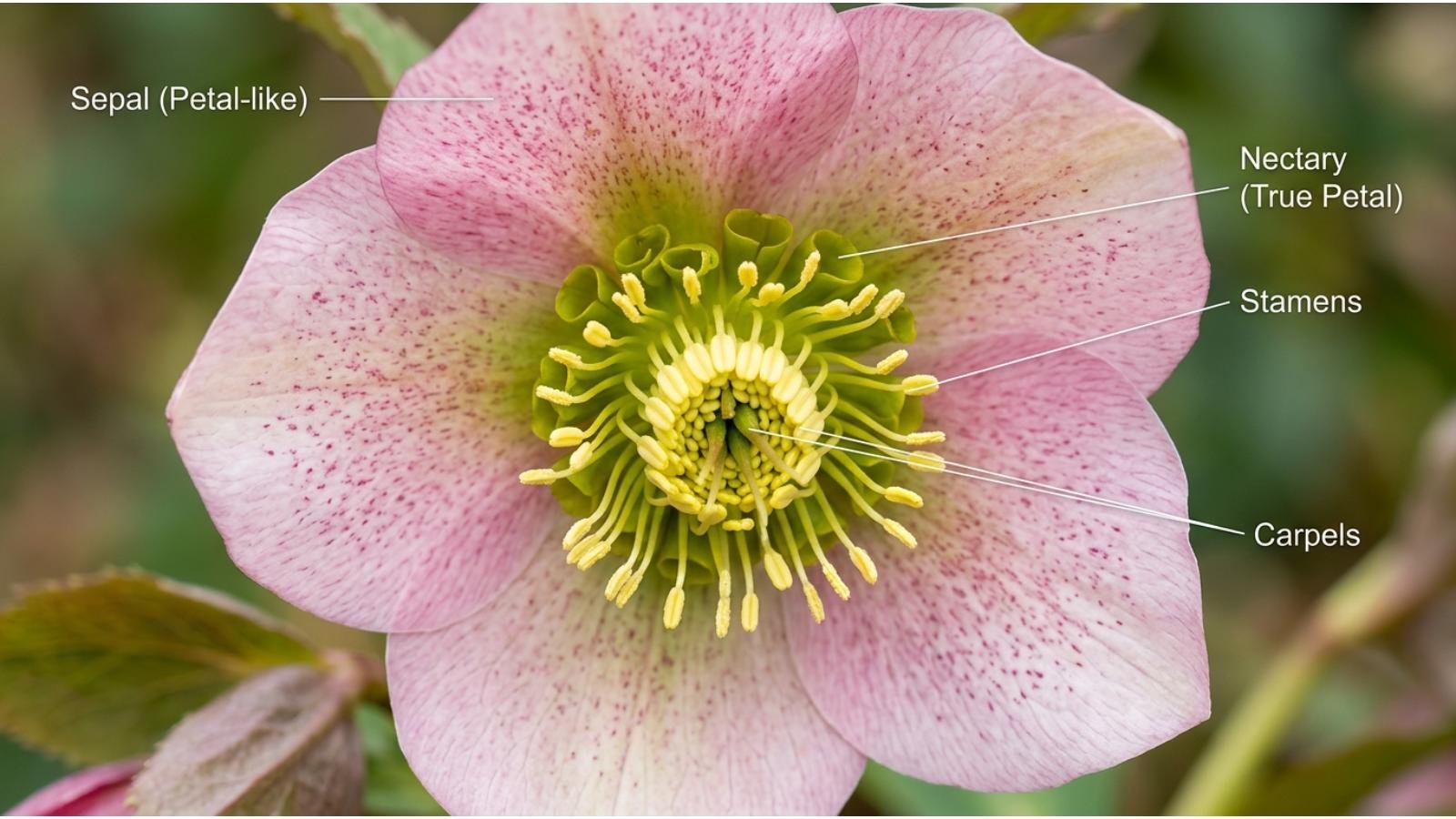
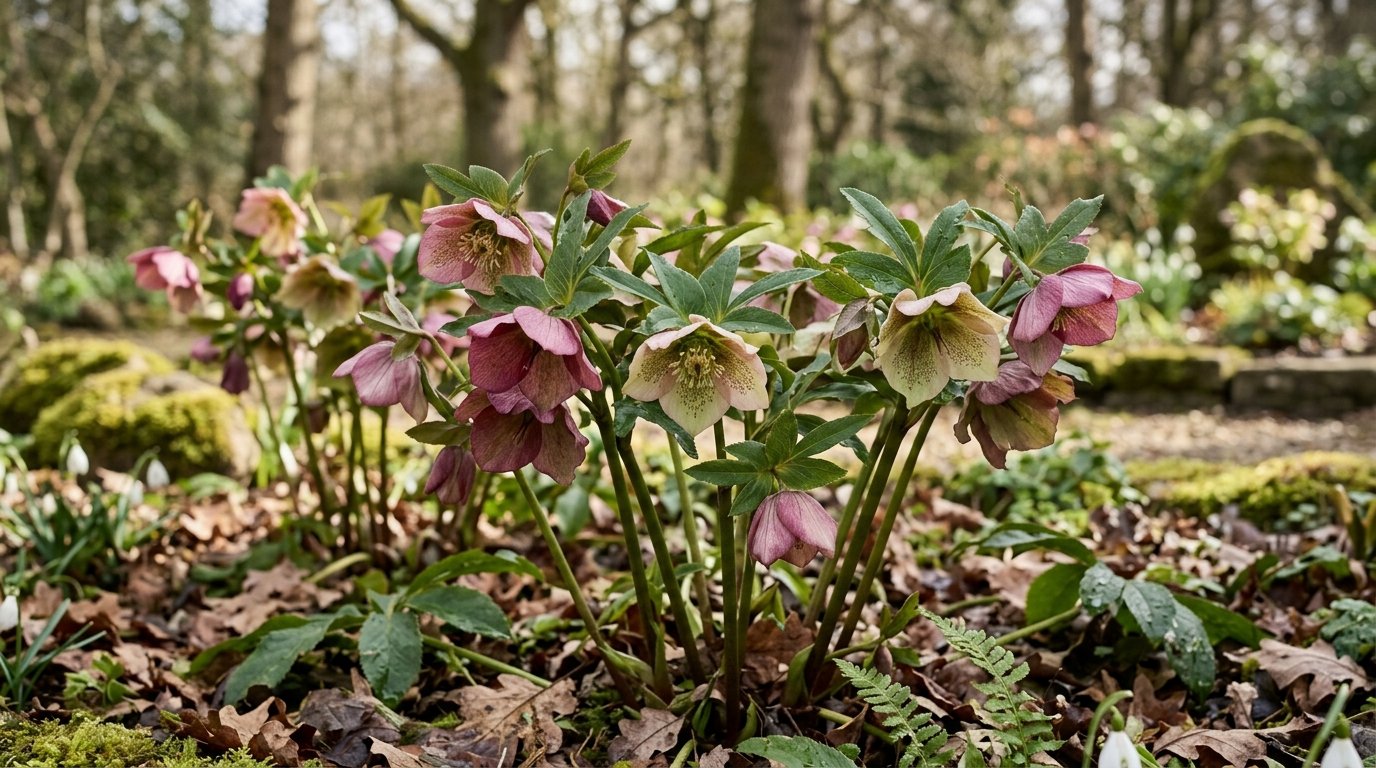
Hellebores belong to the genus Helleborus and are perennial plants known for nodding flowers in shades including white, green, pink, plum, and dark purple. Many have attractive evergreen foliage and flower from late winter into spring.
One of the most commonly grown groups is Helleborus × hybridus, often called Oriental hybrids. They are generally hardy, long-lived, and available in a wide range of flower colors and forms. Other species have more specific requirements, so identifying your hellebore can make its care considerably easier.
Best Light for Hellebores
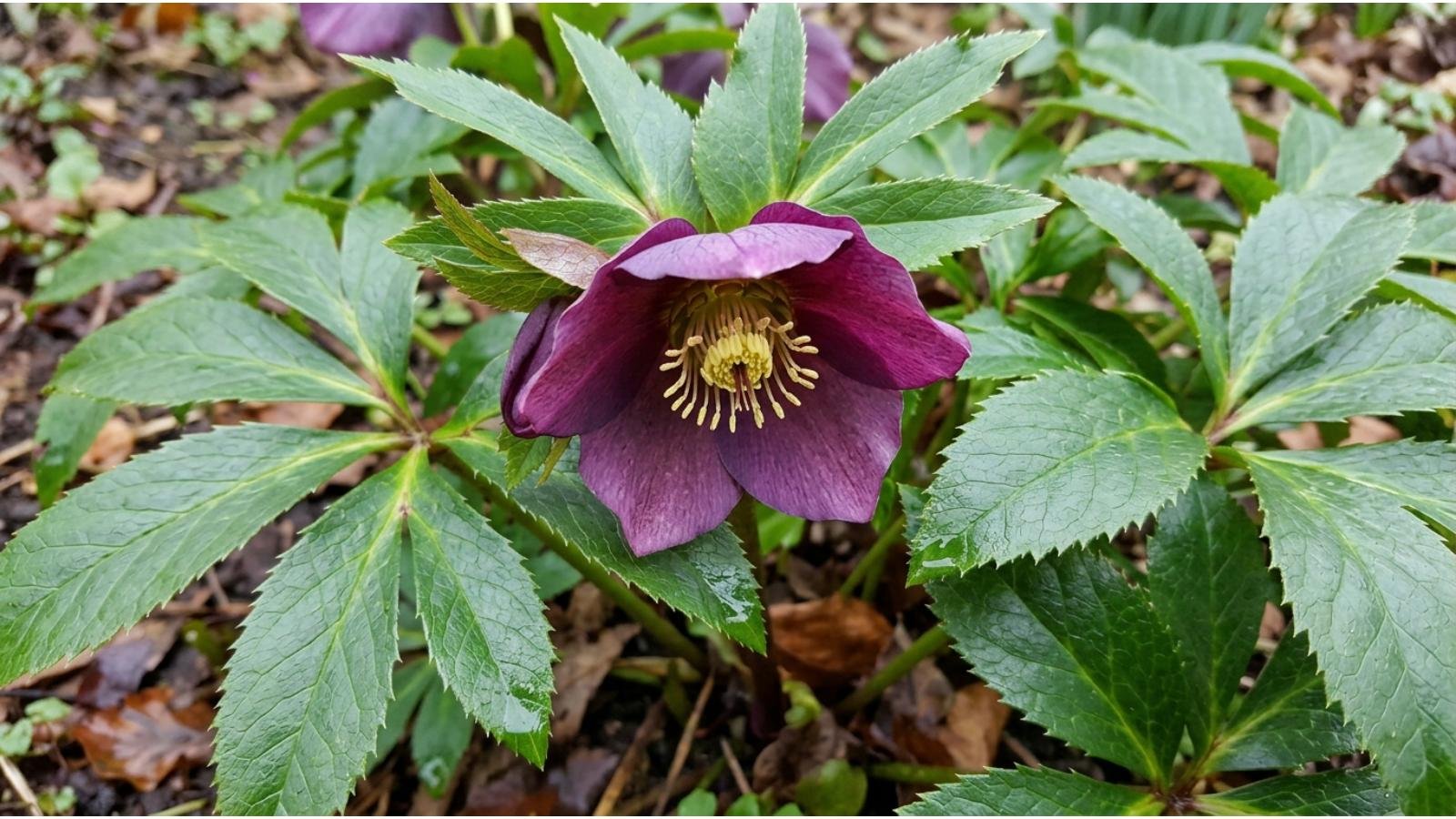
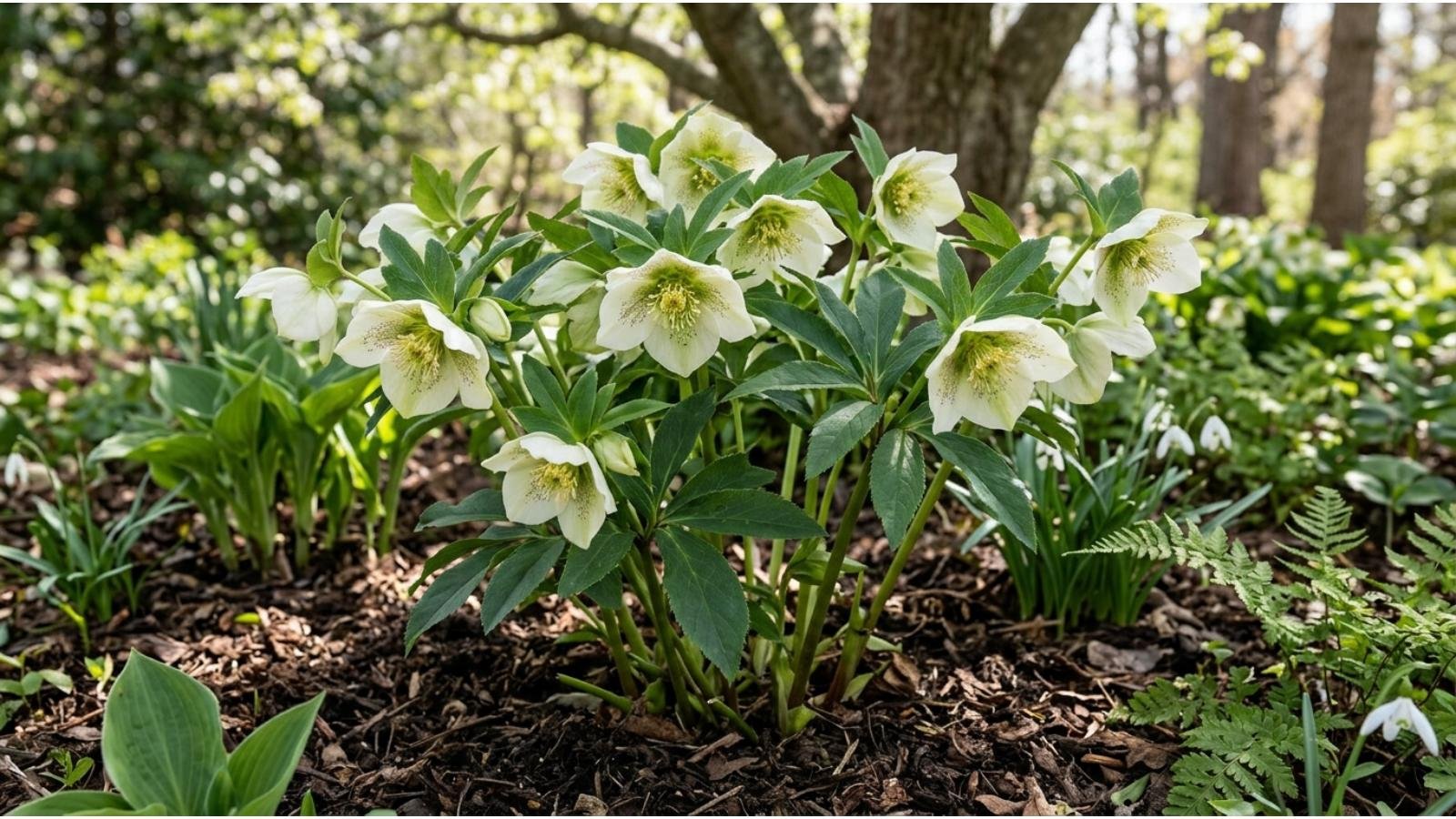
Most hellebores perform best in light shade, partial shade, or dappled shade.
A location beneath deciduous trees can work particularly well because the plant receives more light during winter and early spring while getting some protection from stronger summer sunlight.
However, not every hellebore has exactly the same preference.
- Helleborus foetidus tolerates deeper shade.
- Helleborus argutifolius and Helleborus × sternii generally perform better with more sun.
- Helleborus niger, H. lividus, and H. thibetanus prefer cool, sheltered conditions with good drainage.
Practical tip: If your hellebore has scorched-looking foliage during summer, consider whether it is receiving intense afternoon sun combined with dry soil.
Best Soil for Hellebore Plant Care
The ideal soil is fertile, moisture-retentive but free draining.
That distinction is important. Hellebores appreciate consistent moisture, but their roots should not sit in saturated soil. Both very wet and very dry conditions can cause problems.
Before planting, improve poor soil with organic matter such as well-rotted compost. If your garden has heavy, poorly drained soil, a raised bed or container can provide better conditions.
A layer of organic mulch can also help conserve moisture and improve soil quality over time. Keep the mulch slightly away from the plant crown to reduce the risk of rot.
Image Suggestion: Diagram showing ideal hellebore soil with good drainage compared with waterlogged soil.
How to Plant Hellebores
Planting correctly is one of the most important parts of successful hellebore care.
- Choose a location with suitable light and drainage.
- Prepare the soil with organic matter if necessary.
- Dig a hole slightly wider than the root ball.
- Place the hellebore at approximately the same depth at which it was growing in its container.
- Backfill around the roots and gently firm the soil.
- Water thoroughly after planting.
- Add a layer of mulch while leaving space around the crown.
Avoid burying hellebores too deeply. The RHS specifically recommends planting them at their original growing level.
For many common hellebores, spacing plants about 35–45 cm apart provides room for mature growth. Larger species may require considerably more space.
How Often to Water Hellebores
Watering requirements depend heavily on the plant’s age, soil, weather, and whether it is growing in the ground or a container.
Newly planted hellebores need additional water during their first growing season. Established plants generally require supplemental watering mainly during prolonged hot or dry periods. Container-grown plants dry out faster and therefore require more frequent monitoring.
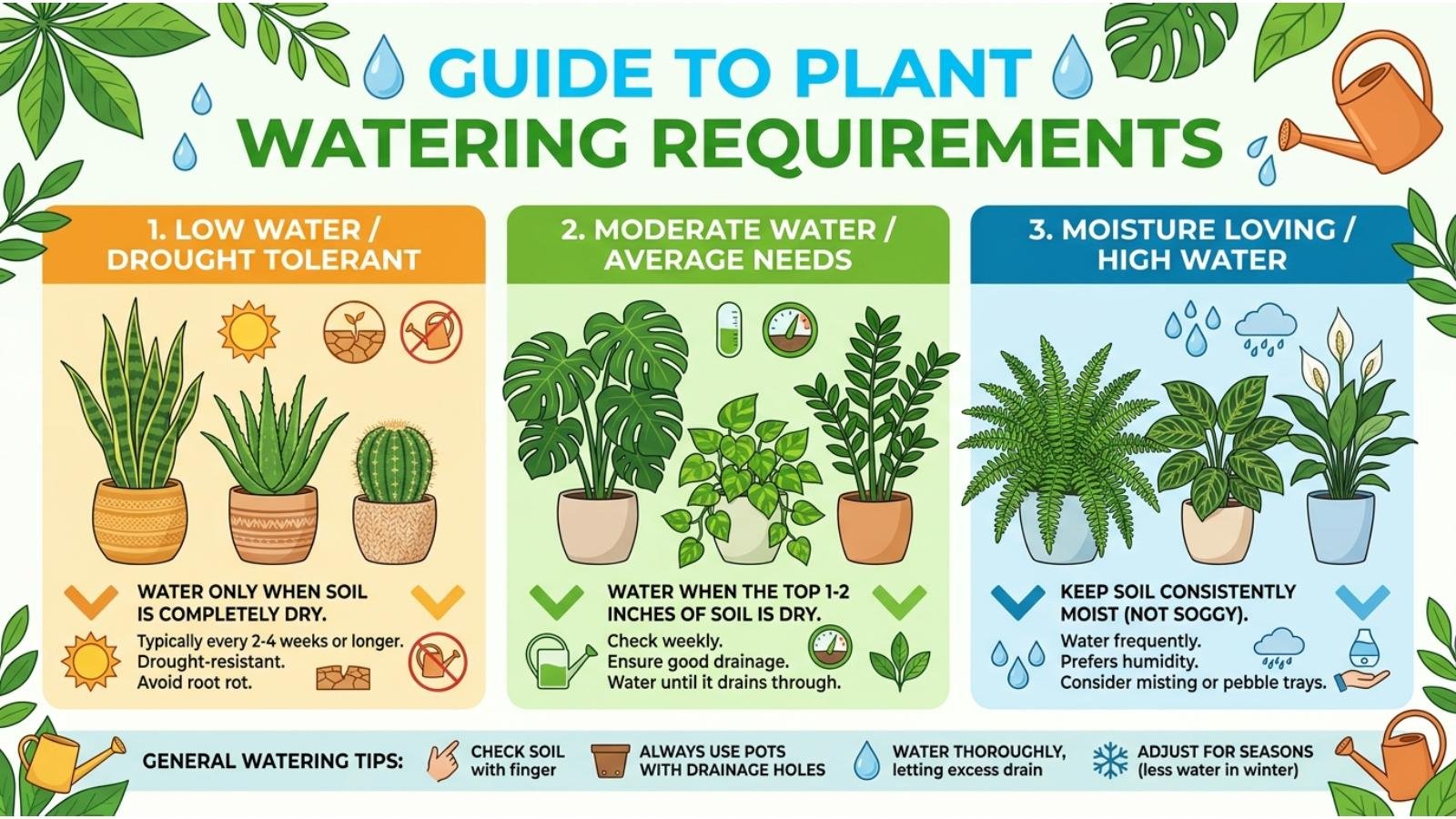
Instead of watering automatically on a fixed schedule, check the soil.
If the upper soil is becoming dry and the weather is hot, water deeply. If the soil remains wet for extended periods, improve drainage rather than simply adding more water.
Common mistake: Assuming drooping foliage always means the plant needs water. With hellebores, poor drainage can create similar-looking stress.
Do Hellebores Need Fertilizer
Usually, established hellebores growing in a good garden bed do not require heavy feeding.
Poor growth can be caused by environmental problems such as drought or waterlogged soil rather than insufficient fertilizer. Check those conditions before reaching for a fertilizer.
A spring application of a general-purpose fertilizer can be used if additional feeding is appropriate. Container plants have less access to nutrients and may benefit from regular balanced liquid feeding according to the product directions.
The goal is healthy growth, not excessive leafy growth at the expense of the plant’s natural form.
When and How to Prune Hellebores
Pruning hellebores is mainly about removing old, damaged, or diseased growth and improving the appearance of the plant.
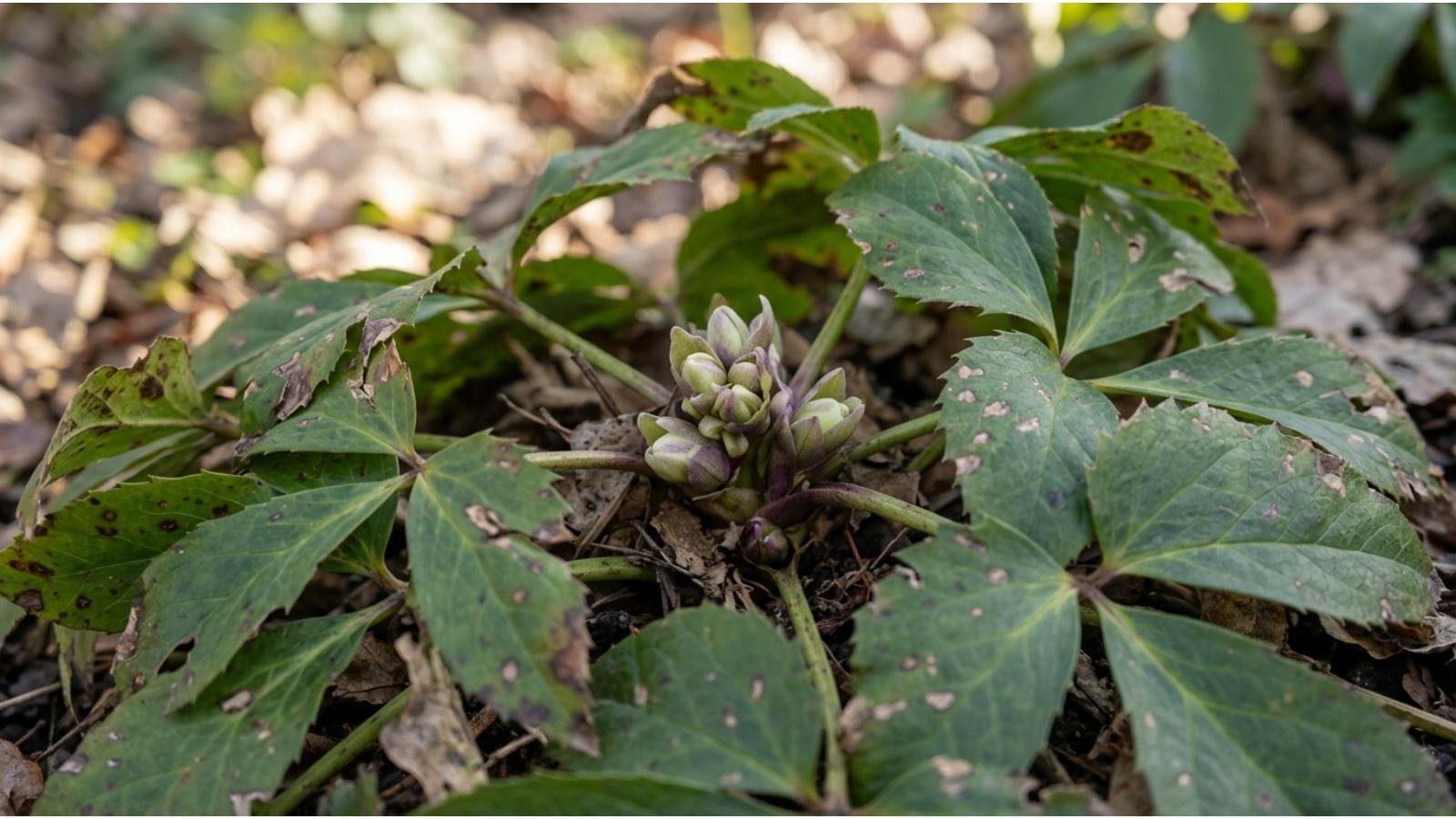
For Oriental hybrids, old foliage can be cut back in late winter or early spring so the flowers are easier to see. Removing old foliage can also help reduce the opportunity for hellebore leaf spot to persist.
For other types, the timing can differ. Damaged or diseased leaves can be removed, while old flowering stems can be cut back after flowering if you do not want the plant to produce seed.
Use clean, sharp pruners and remove unhealthy material from the growing area.
Practical tip: Don’t remove healthy foliage simply because the plant looks untidy. First determine whether the leaves are old, diseased, or still contributing to the plant.
Hellebore Care Through the Seasons
Spring
Spring is often the most rewarding season because many hellebores are flowering or finishing their bloom period.
After flowering, decide whether you want the plant to self-seed. If you do not, remove developing seed pods before they mature. Hellebores can produce seedlings freely, and offspring from hybrids may differ from the parent plant.
Continue watering newly planted specimens as necessary.
Summer
Summer care is primarily about preventing severe dryness and excessive heat stress.
Established plants can tolerate periods of dry weather better than newly planted ones, but prolonged drought can still affect performance. Keep the soil reasonably moist without creating waterlogged conditions.
Container hellebores need particular attention because containers can heat up and dry out faster.
Autumn
Autumn is an excellent time to plant hellebores and can also be a useful period for dividing suitable mature clumps.
Refresh the mulch layer and remove damaged or diseased foliage where appropriate.
Winter
Many popular hellebores are naturally hardy and require little winter protection. Oriental hybrids are especially dependable.
The important exception is that some species are more sensitive to cold, winter wet, or both. Helleborus niger, for example, requires excellent winter drainage.
Image Suggestion: Four-season hellebore care calendar showing planting, flowering, summer watering, and winter protection.
Common Hellebore Problems
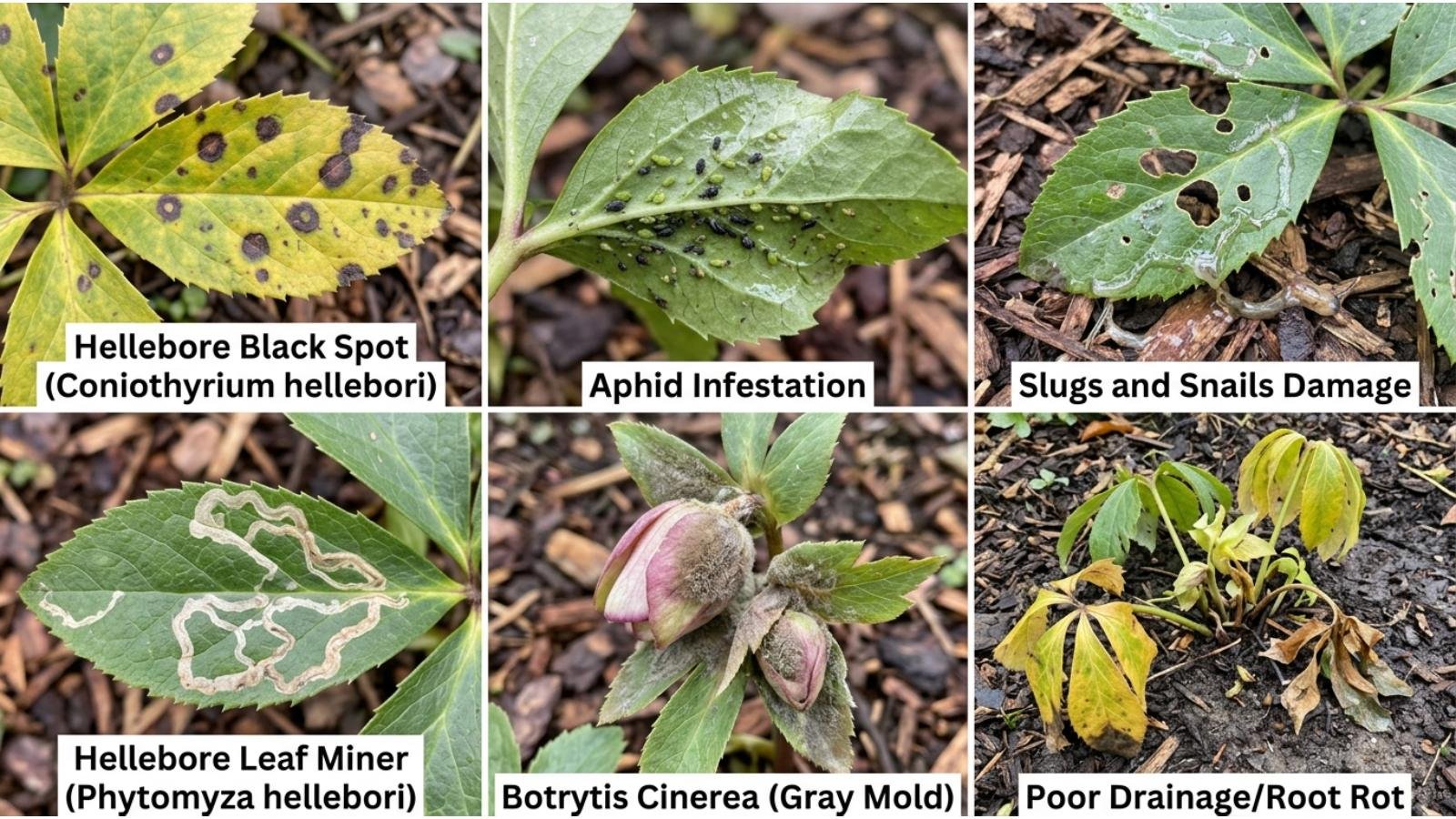
Yellowing or Poor Growth
Start by checking moisture levels and drainage rather than immediately adding fertilizer.
Soil that remains saturated can damage roots, while prolonged dryness can also reduce growth. Hellebores generally prefer an even moisture supply rather than extremes.
Leaf Spot
Hellebore leaf spot can cause unattractive markings on foliage. Removing affected foliage and maintaining good garden hygiene can help reduce problems.
For susceptible Oriental hybrids, removing old leaves at the appropriate time is recommended as part of routine care.
Aphids
Hellebore aphids can sometimes appear on plants. Small infestations can often be removed manually, while more serious infestations require closer monitoring and appropriate pest-management measures.
Black Death
Hellebore black death is considerably more serious than ordinary leaf spotting. The RHS describes it as a serious disease with no cure, and affected plants should be destroyed to prevent its spread.
If you suspect a serious disease, avoid moving infected plant material around the garden.
Should You Grow Hellebores in Pots
Hellebores can grow in containers, but container care requires closer attention to drainage and watering.
Most hellebores are better planted permanently in the garden rather than kept indefinitely in a pot. Some species that are sensitive to winter wet or cold can benefit from container growing because the container can be moved to a sheltered location.
Choose a container with drainage holes and use a free-draining growing medium.
Do not compensate for poor drainage by simply watering less. The growing medium itself needs to allow excess water to escape.
How to Propagate Hellebores
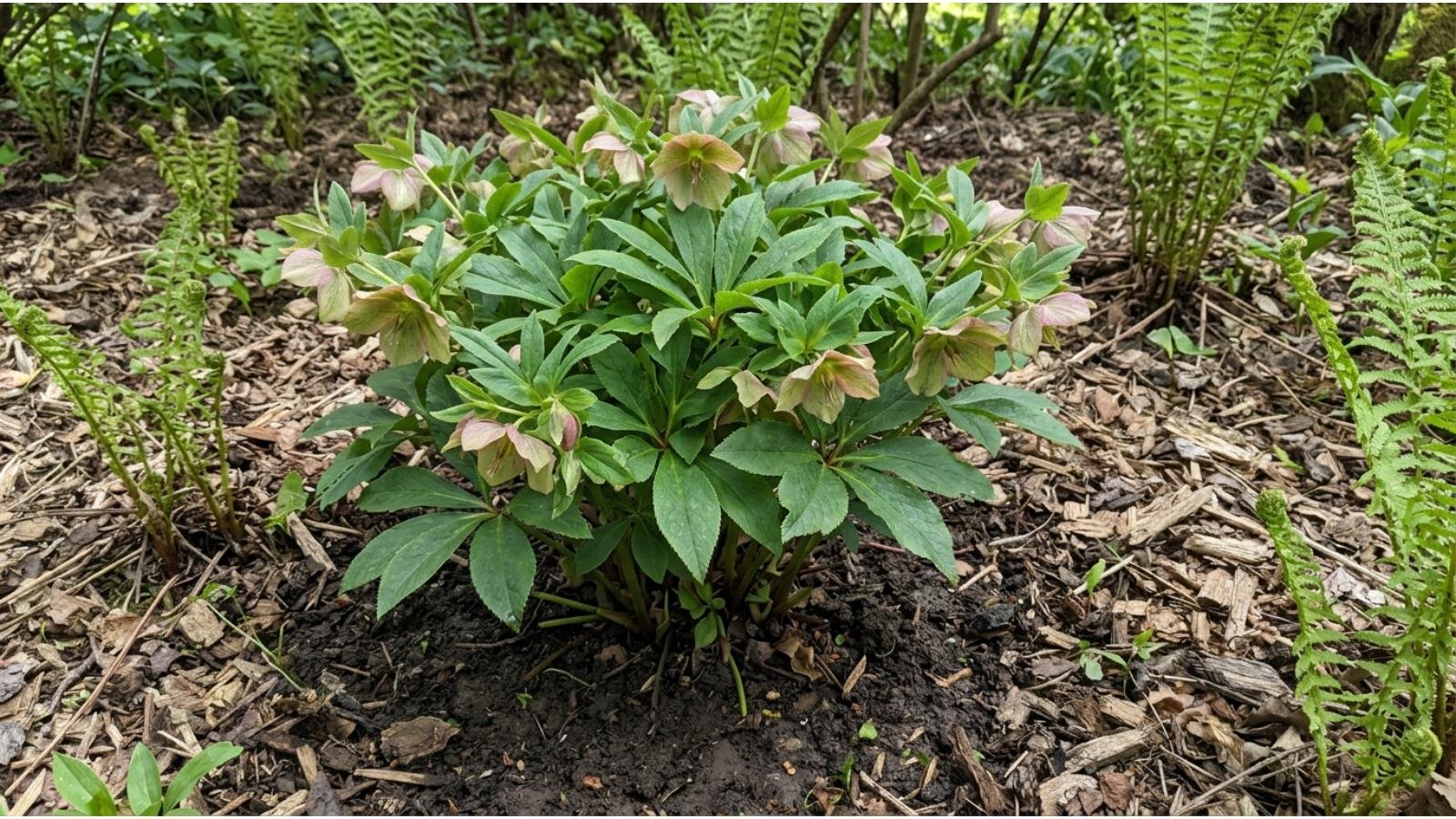
Hellebores can be propagated through division or seed, although the best approach depends on the species.
Division is commonly used for suitable mature clumps and is generally best done in early autumn or shortly after flowering in spring. Newly divided plants can take time to establish and may need a couple of years before flowering strongly.
Growing from seed can be rewarding but requires patience. Hellebore seeds can have complex dormancy requirements, and germination may be irregular or take a long time.
For gardeners who want an exact named cultivar, buying an established plant is usually more predictable than growing from seed.
Are Hellebores Toxic
Yes. Hellebores should be treated as toxic plants and handled responsibly.
The ASPCA lists Helleborus niger as toxic to dogs, cats, and horses and identifies several toxic compounds associated with the plant. Reported signs of ingestion can include drooling, abdominal discomfort, diarrhea, colic, and depression.
Wear gloves when handling hellebores, particularly during pruning or propagation, and keep plant material away from pets and children.
If a pet has eaten part of a hellebore, contact a veterinarian or an appropriate animal poison-control service promptly.
Hellebore Care Mistakes to Avoid
The most common mistakes are surprisingly simple.
- Planting too deeply. Keep the plant at its original planting level.
- Keeping the roots constantly wet. Good drainage is essential.
- Allowing newly planted plants to dry out repeatedly. Young plants need more attention while establishing.
- Assuming fertilizer fixes every growth problem. Check soil moisture and drainage first.
- Putting every hellebore in full shade. Some types actually perform better with more light.
- Giving every species identical winter care. Different Helleborus species have different tolerances.
- Ignoring diseased foliage. Remove problematic plant material promptly.
- Forgetting that hellebores are toxic. Use sensible precautions around children and pets.
Best Hellebore Care Routine
For most established garden hellebores, a simple routine works well.
In spring, monitor flowering, remove unwanted seed pods, and water newly planted specimens as needed.
In summer, protect plants from prolonged drought and intense heat, particularly those in containers.
In autumn, refresh mulch, remove problematic foliage, and consider planting or dividing suitable plants.
In winter, enjoy the flowers while monitoring drainage. Most popular hardy varieties need little additional protection.
The key is consistency rather than constant intervention.
Frequently Asked Questions
How much sun does a hellebore need.
Most hellebores prefer partial or dappled shade, although some species and hybrids tolerate or prefer more sun. Avoid locations where strong summer sunlight causes the soil to dry excessively.
Can hellebores grow in full shade.
Some species tolerate deeper shade, particularly Helleborus foetidus. However, many hellebores perform best with at least some filtered or partial light.
Why is my hellebore not flowering.
Check its age, light, moisture, drainage, and overall growing conditions. Newly divided plants can take time to establish, while excessive shade or environmental stress can also reduce performance.
Do hellebores need lots of water.
No. They prefer evenly moist soil but dislike both drought and waterlogged conditions. Newly planted plants need more frequent watering than established specimens.
When should I cut back hellebores.
For Oriental hybrids, old foliage can be removed in late winter or early spring. Other hellebore species may have different pruning requirements, so identify the plant before cutting it heavily.
Can hellebores survive winter.
Many commonly grown hellebores are hardy and tolerate winter well. However, some species are more vulnerable to cold or winter wet and may require a sheltered location or container.
Can I grow hellebores indoors.
Hellebores are primarily outdoor garden plants. A cool, bright, sheltered environment can be useful temporarily for certain container-grown specimens, but they generally perform best outdoors in suitable garden conditions.
Are hellebores poisonous to pets.
Yes. At least some Helleborus species are toxic to pets. The ASPCA specifically lists Helleborus niger as toxic to dogs, cats, and horses.
Conclusion
Successful hellebore plant care is less about constant feeding and pruning and more about getting the growing environment right. Give your plant suitable partial light, fertile but well-draining soil, consistent moisture without waterlogging, and enough room to mature.
Most importantly, learn which Helleborus species or hybrid you own. A hardy Oriental hybrid may need very little winter attention, while a more sensitive species can require substantially better drainage or shelter. With the right conditions, hellebores can become dependable, long-lived plants that provide valuable flowers during the colder months.
Related content opportunities: Snake Plant Care, Pothos Plant Care, Prayer Plant Care, Jade Plant Care, Monstera Plant Care, and Bird of Paradise Plant Care.