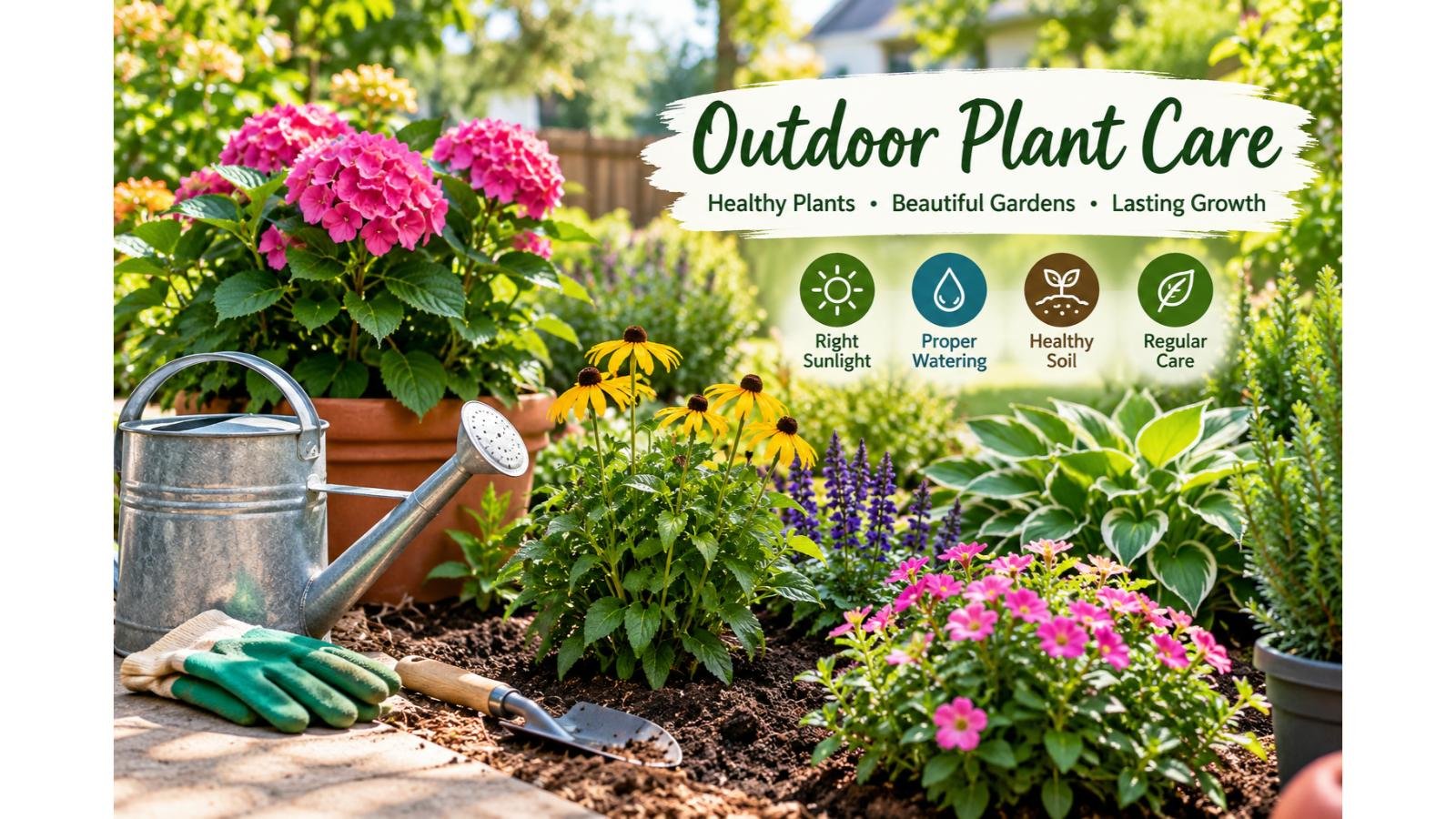
Successful outdoor plant care is less about following a rigid watering schedule and more about understanding what your plants are telling you. A plant growing in full afternoon sun may need very different treatment from one growing beneath a tree, even if both are planted in the same garden.
Many outdoor plant problems begin with simple mistakes. Plants may wilt because the soil is genuinely dry, but they can also wilt when damaged roots can no longer absorb water. Yellow leaves may indicate overwatering, poor drainage, nutrient problems, or normal aging. Learning to distinguish these conditions saves time, prevents unnecessary treatments, and gives plants a much better chance of thriving.
The good news is that you do not need a complicated routine. The most effective approach is to match plant selection and care to the actual conditions in your yard, patio, balcony, or container garden.
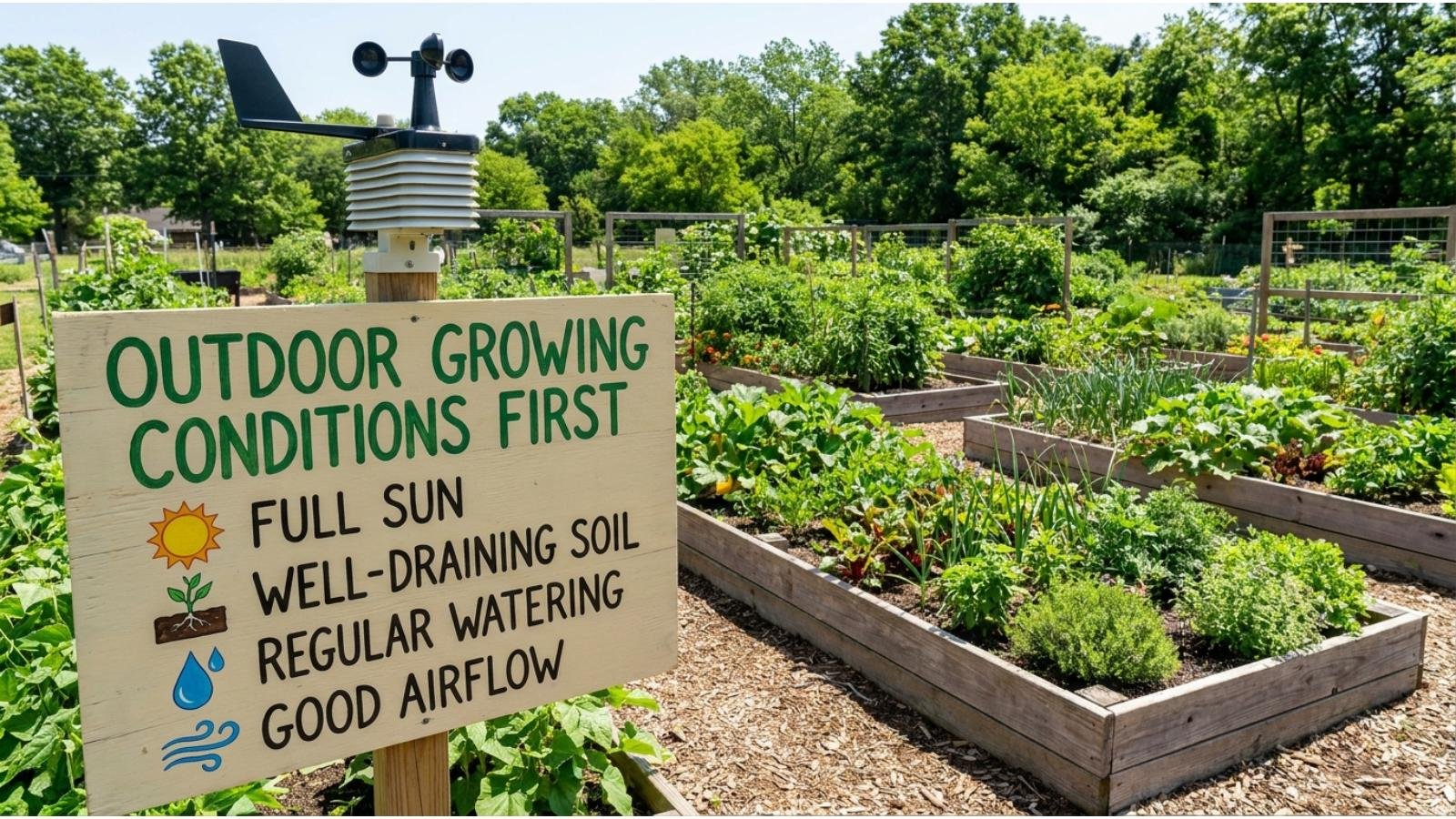
Understand Your Outdoor Growing Conditions First
Before changing how you water, fertilize, or prune a plant, look at the environment around it.
Four factors have an especially strong influence on outdoor plant health:
- Light: Full sun, partial shade, and deep shade can produce very different growing results.
- Temperature: Heat, cold snaps, and sudden temperature changes can stress plants.
- Soil: Drainage, texture, organic matter, and moisture retention affect root health.
- Exposure: Wind and reflected heat from walls, concrete, and paving can increase plant stress.
A common beginner mistake is choosing a plant because it looks attractive without checking whether the location suits it. A shade-loving plant placed beside a hot south-facing wall can struggle even when it receives plenty of water.
A simple site check
Spend a day observing the planting location.
Ask:
- How many hours of direct sunlight does the area receive?
- Is the sunlight mainly morning or afternoon?
- Does rainwater naturally collect there?
- Does the soil remain wet for several days?
- Is the location exposed to strong wind?
- Does a wall, pavement, or building reflect additional heat?
- Does the area become particularly cold at night?
These observations can be more useful than simply labeling a location as “sunny” or “shady.”
Image Suggestion: Diagram showing full sun, partial shade, and shade areas around a typical garden.
Choose Plants That Match Your Climate
The easiest plant to care for is usually one that naturally suits the conditions where it is growing.
When selecting outdoor plants, consider:
- Local winter temperatures.
- Summer heat.
- Humidity and rainfall.
- Soil type.
- Available sunlight.
- Expected mature size.
- Water availability.
- Whether the plant is perennial or annual in your climate.
Climate suitability matters because plants have different tolerances for heat, cold, drought, humidity, and prolonged wet conditions.
For example, a drought-tolerant plant may perform beautifully in a sunny, well-drained bed but decline when planted in heavy, constantly wet soil. Conversely, a moisture-loving plant can struggle when exposed to prolonged drought.
Expert Tip: Do not judge a plant’s suitability by temperature alone. A plant may tolerate your general climate but still fail in a particular microclimate, such as an exposed rooftop container or a heat-reflecting patio.
Water Outdoor Plants Based on Need
Watering is one of the most misunderstood parts of outdoor plant care.
There is no universal rule saying every plant should be watered every day or every week. Water requirements change according to plant species, soil, container size, temperature, wind, rainfall, and season.
Instead of automatically watering on a schedule, check the soil.
For many garden plants, push a finger several centimeters into the soil. If the soil is dry where the plant’s roots are active, watering may be necessary. If it is still noticeably moist, waiting may be better.
How to water effectively
When a plant needs water:
- Apply water slowly enough that it can penetrate the soil.
- Moisten the root zone rather than only wetting the surface.
- Allow excess water to drain away.
- Check the soil again before watering next time.
- Adjust frequency during periods of heavy rain or extreme heat.
Shallow, frequent watering can encourage roots to remain close to the surface. Deeper watering, when appropriate for the plant and soil, can encourage moisture to reach a larger portion of the root zone.
Container plants need extra attention
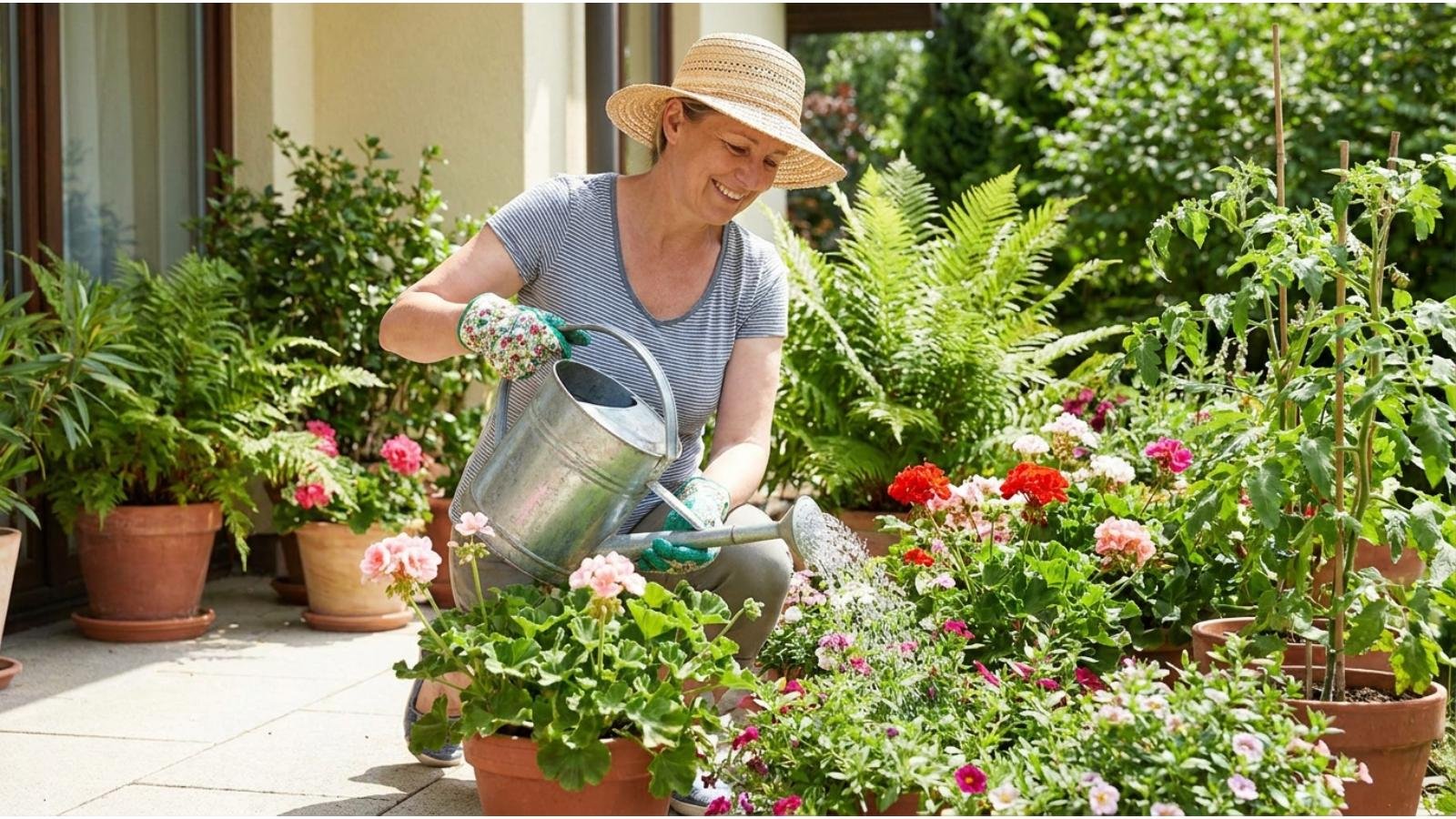
Plants in containers often dry out faster than plants growing in the ground because pots contain a limited amount of soil.
During hot or windy weather, container plants may require much more frequent monitoring.
However, watering more often does not mean keeping the pot permanently saturated. Roots need oxygen as well as moisture.
Image Suggestion: Illustration showing correctly watered soil compared with waterlogged and completely dry soil.
Improve Soil Before Adding More Fertilizer
Healthy roots depend on a suitable growing medium.
Outdoor soil can range from sandy and fast-draining to heavy clay that holds water for long periods. Neither extreme automatically means the garden cannot succeed, but the planting strategy may need to change.
Good soil management can include:
- Adding suitable organic matter where appropriate.
- Improving drainage in persistently wet areas.
- Using raised beds when native soil is difficult to manage.
- Avoiding unnecessary soil compaction.
- Applying organic mulch to protect the soil surface.
Avoid working very wet soil aggressively because this can damage its structure and create compacted areas.
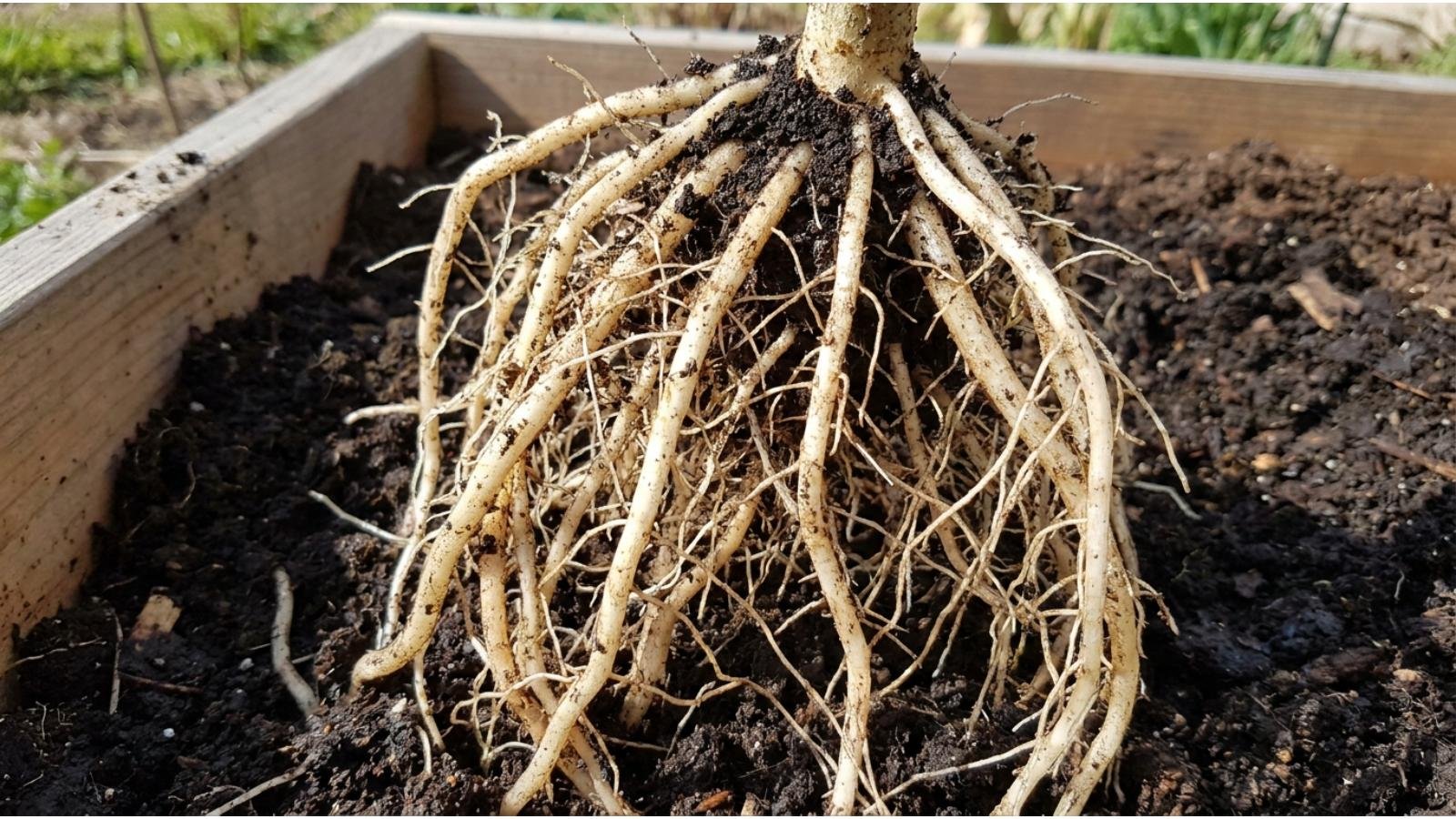
Why drainage matters
Roots sitting in saturated soil for extended periods can suffer from poor oxygen availability. The result may look surprisingly similar to drought stress: leaves can wilt even though the soil is wet.
That is why repeatedly adding water to a wilted plant is not always the solution.
Real-world observation: One of the easiest diagnostic mistakes is assuming that a wilted plant automatically needs water. Always check the soil and drainage before reaching for the hose.
Use Fertilizer Strategically
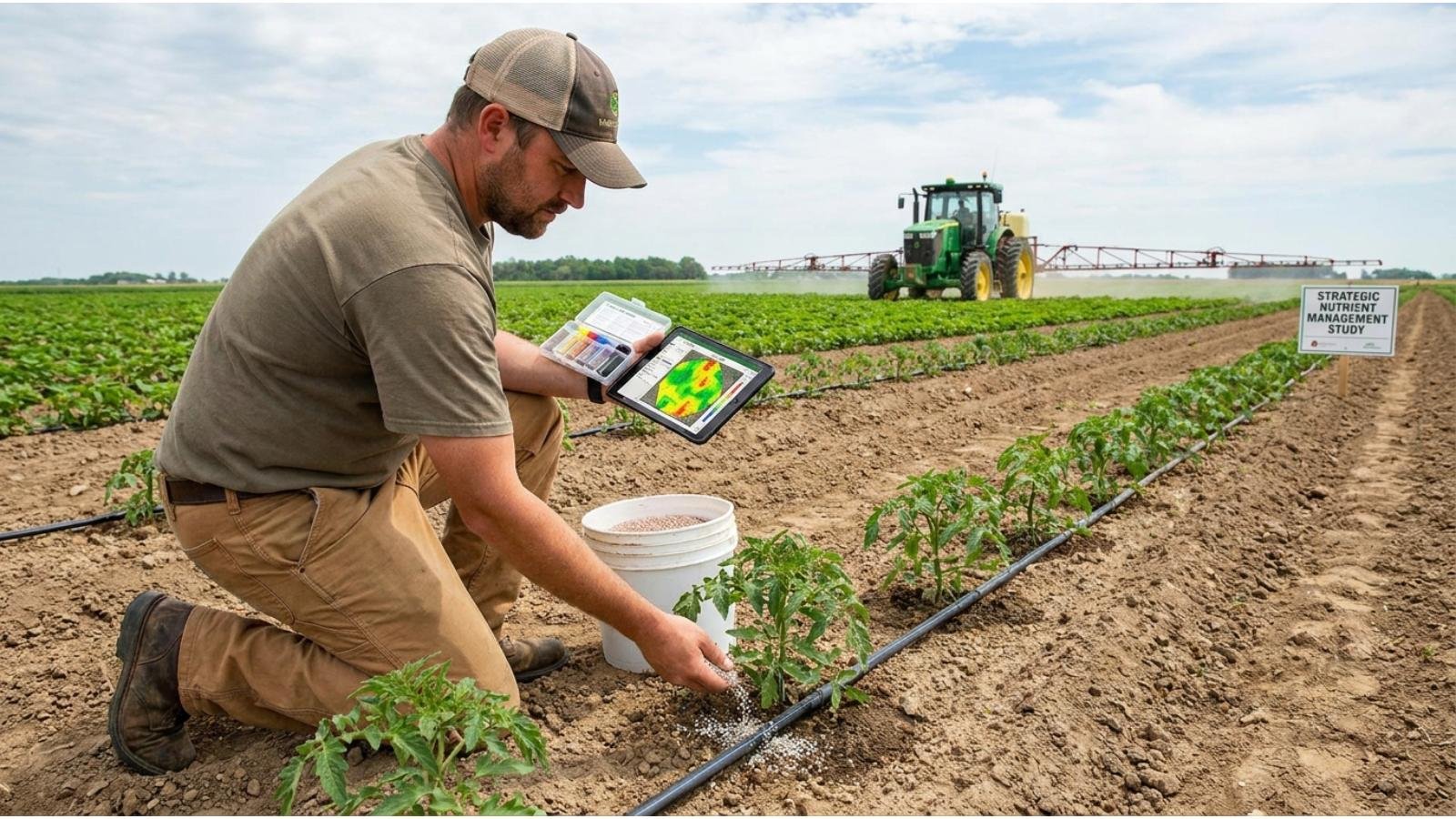
Fertilizer supplies nutrients, but more fertilizer does not automatically mean faster or healthier growth.
Plants have different nutritional requirements, and excessive fertilizer can cause problems such as salt buildup, damaged roots, excessive soft growth, or nutrient imbalance.
Before fertilizing, consider:
- Plant species.
- Soil fertility.
- Growth stage.
- Season.
- Existing symptoms.
- Whether the plant is actively growing.
A slow-growing plant is not necessarily hungry. Poor light, root problems, unsuitable temperatures, pests, and watering issues can all reduce growth.
A better feeding approach
Use a fertilizer appropriate for the plant and follow its label directions. Avoid repeatedly increasing the dose because a plant is not growing as quickly as expected.
If a plant consistently shows nutrient-related symptoms, soil testing can be more useful than guessing.
Mulch Can Make Easier
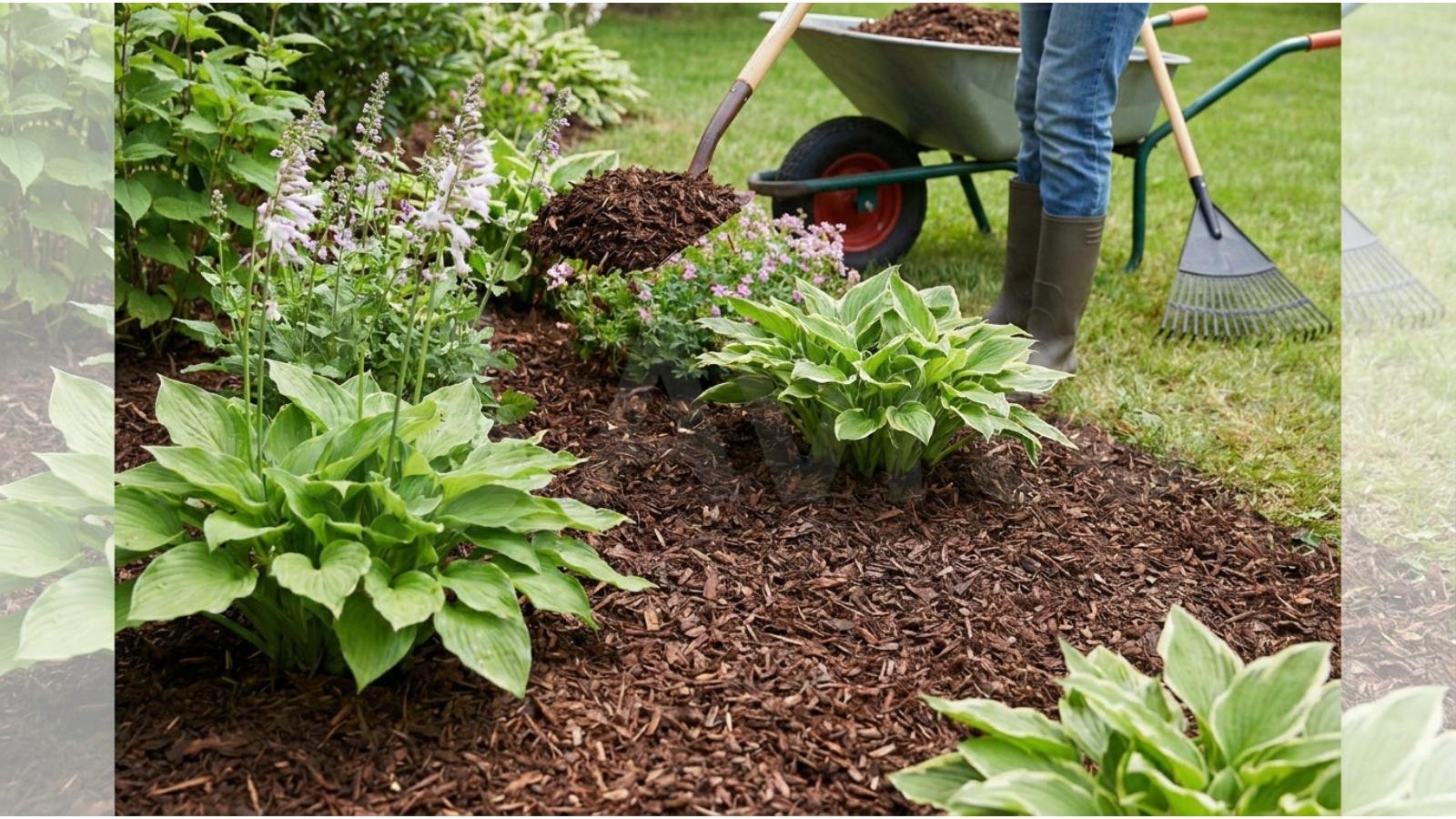
A layer of appropriate mulch can reduce evaporation, moderate soil temperature, suppress some weeds, and gradually contribute organic matter depending on the material used.
Common mulch materials include:
- Shredded bark.
- Wood chips.
- Compost.
- Leaves.
- Straw where appropriate.
Keep mulch away from direct contact with plant stems and trunks. Piling mulch tightly against stems can create persistently damp conditions and encourage problems.
Expert Tip: Think of mulch as a soil-management tool rather than plant food. Its biggest immediate benefit is often improving the conditions around the roots.
Prune With a Purpose
Pruning should solve a specific problem rather than become an automatic part of every plant-care routine.
Reasons to prune may include:
- Removing dead or damaged growth.
- Controlling size.
- Improving structure.
- Removing crossing branches.
- Encouraging a particular growth habit.
- Removing spent flowers on plants that benefit from deadheading.
Before cutting, identify the plant and learn its natural growth habit. Some plants flower on old wood, while others produce flowers on new growth. Pruning at the wrong time can therefore reduce flowering.
Use clean, sharp tools and avoid removing large amounts of healthy growth unnecessarily.
Image Suggestion: Step-by-step pruning illustration showing dead, damaged, crossing, and healthy branches.
Inspect Outdoor Plants Regularly
You do not need to examine every leaf every day. A quick inspection once or twice a week can catch many problems early.
Look underneath leaves as well as on top.
Check for:
- Sticky residue.
- Webbing.
- Discolored leaves.
- Chewed foliage.
- Distorted new growth.
- Spots or lesions.
- Unusual insects.
- Wilting.
- Stem damage.
- Sudden changes in growth.
Early detection matters because a small pest population is generally easier to manage than a widespread infestation.
Avoid immediately spraying a plant simply because you see an insect. First determine what the insect is and whether it is actually causing damage. Some insects are harmless or beneficial.
Watch for These Common Problems
| Symptom | Possible causes | What to check first |
|---|---|---|
| Wilting leaves | Dry soil, root damage, heat, disease | Soil moisture and roots |
| Yellow lower leaves | Overwatering, aging foliage, nutrient issues | Drainage and watering |
| Brown leaf edges | Drought, heat, salt buildup, wind | Soil moisture and growing conditions |
| Pale growth | Insufficient light or nutrient issues | Light and soil |
| Holes in leaves | Caterpillars, beetles, other pests | Undersides of leaves |
| Sudden decline | Root problems, extreme weather, disease | Roots, soil, and recent weather |
| Slow growth | Poor light, unsuitable temperatures, root restriction | Growing conditions |
Symptoms should be treated as clues rather than diagnoses.
For example, yellow leaves do not automatically mean a plant needs fertilizer. Adding fertilizer without identifying the cause can make an existing problem worse.
Protect Plants During Extreme Heat
Hot weather increases water loss through leaves and can rapidly dry containers.
During heat waves:
- Check container plants more frequently.
- Monitor soil moisture.
- Water deeply when appropriate rather than relying on light surface sprinkling.
- Avoid unnecessary pruning during severe heat.
- Provide shade to plants that cannot tolerate intense exposure.
- Protect newly planted specimens from excessive stress.
- Use mulch to reduce evaporation from the soil surface.
Plants recently moved outdoors can be particularly vulnerable because they may not yet be acclimated to stronger sunlight and wind.
Acclimate plants gradually
If a plant has been grown indoors or in a sheltered nursery environment, moving it immediately into intense outdoor sun can cause leaf scorch.
Gradually increasing exposure can give the plant time to adjust.
Prepare Outdoor Plants for Cold Weather
Cold protection depends heavily on the plant’s species and local climate.
Before a cold event:
- Know the plant’s cold tolerance.
- Move suitable container plants to a protected location.
- Protect vulnerable plants according to reliable local gardening guidance.
- Avoid unnecessary late-season fertilization that encourages tender new growth.
- Monitor weather forecasts for sudden temperature drops.
A plant’s tolerance can also depend on age, health, moisture status, and exposure to wind.
Do not assume that every plant needs protection simply because temperatures are falling. Overprotecting plants can sometimes create other problems, especially if coverings trap moisture or restrict airflow.
Container
Container gardening requires a slightly different routine from growing directly in the ground.
Choose the right container
A suitable container should provide:
- Adequate drainage.
- Enough root space for the plant.
- A stable base for tall plants.
- A growing medium appropriate for containers.
Drainage holes are essential for most outdoor container plants.
Monitor moisture more closely
Containers can become extremely hot in direct sunlight, particularly when dark-colored pots are exposed to intense afternoon heat.
Check both the plant and the growing medium rather than assuming that rain has completely watered the container. Dense foliage can sometimes prevent rainfall from reaching the soil effectively.
Image Suggestion: Comparison of healthy outdoor container drainage versus a pot without adequate drainage.
A Simple Weekly Routine
You can keep outdoor plant care manageable by dividing it into small tasks.
Once or twice a week
- Check soil moisture.
- Inspect leaves and stems.
- Look for pests.
- Remove dead or badly damaged foliage.
- Check containers for drainage problems.
- Look for signs of heat or cold stress.
Monthly or as needed
- Inspect plant structure.
- Check whether roots are becoming crowded in containers.
- Refresh or maintain mulch.
- Review fertilizer needs.
- Clean and sharpen pruning tools.
Seasonally
- Adjust watering.
- Change protection strategies.
- Prune according to the plant’s flowering and growth cycle.
- Move tender container plants when necessary.
- Plan new plantings around appropriate growing conditions.
This approach is more reliable than trying to complete every possible gardening task every day.
Common Mistakes
Watering by the Calendar
A fixed schedule ignores rainfall, temperature, soil type, and plant requirements.
Better approach: Check actual soil moisture and plant condition.
Planting Without Checking Mature Size
A small nursery plant can eventually become much larger than expected.
Better approach: Check mature height and width before planting.
Ignoring Drainage
A plant may fail even when it receives adequate sunlight and fertilizer if its roots remain in saturated soil.
Better approach: Check how quickly water drains before planting.
Fertilizing a Stressed Plant Automatically
Fertilizer does not fix every plant problem.
Better approach: Identify whether the problem is related to water, light, roots, temperature, pests, or nutrition first.
Pruning at the Wrong Time
Incorrect timing can remove flower buds or disrupt the plant’s natural growth cycle.
Better approach: Learn whether the plant flowers on old or new growth before making major cuts.
Treating Every Insect as a Pest
Not every insect damages plants.
Better approach: Identify the insect and determine whether it is causing meaningful damage before treating it.
How to Tell When an Needs Help
Plants communicate stress through changes in appearance and growth.
Pay particular attention to sudden changes.
A plant that has gradually developed a few yellow older leaves may have a very different issue from a plant that suddenly wilts across its entire canopy.
When diagnosing a problem, work through these questions:
- What changed recently?
- Has the weather changed?
- Is the soil unusually dry or wet?
- Has the plant been moved or transplanted?
- Has fertilizer recently been applied?
- Are there insects or disease symptoms?
- Are the roots healthy?
- Is the plant receiving appropriate light?
This process prevents the common mistake of treating the visible symptom while ignoring its underlying cause.
Internal Link Opportunities
For a comprehensive plant-care website, this article can naturally connect to related guides such as:
- Snake plant care.
- Spider plant care.
- Pothos plant care.
- Jade plant care.
- Prayer plant care.
- Bird of paradise plant care.
- Monstera plant care.
- Aloe plant care.
- Kalanchoe plant care.
- Elephant ear plant care.
- Air plant care.
- Zebra plant care.
- Hibiscus plant care.
- Daphne plant care.
- Coleus plant care.
These links work best when placed beside relevant discussions rather than added simply to increase the number of internal links.
Frequently Asked Questions
How often should outdoor plants be watered?
There is no single schedule that works for every outdoor plant. Check soil moisture, rainfall, temperature, plant type, and growing conditions. Water when the plant’s root zone has become appropriately dry for that species.
Should outdoor plants be watered every day?
Usually, daily watering is unnecessary for established plants unless conditions are unusually hot, dry, or the plant has specific moisture requirements. Frequent shallow watering can also create problems if the soil remains excessively wet.
What is the best time to water outdoor plants?
Early morning is generally a useful time because plants have access to moisture during the day’s heat and water loss can be lower than during the hottest part of the day. The most important factor, however, is providing appropriate moisture rather than following a rigid clock.
Why are my leaves turning yellow?
Possible causes include excessive moisture, poor drainage, nutrient problems, insufficient light, pests, disease, or normal aging of older leaves. Examine the soil and the entire plant before deciding on treatment.
Why is my wilting even though the soil is wet?
Wet soil does not guarantee healthy roots. Poor drainage, root damage, disease, or severe heat can prevent roots from supplying sufficient water to the foliage. Check drainage and root health before adding more water.
Do outdoor plants need fertilizer?
Many plants benefit from nutrients when soil fertility is inadequate, but fertilizer requirements vary. Use a suitable product according to the plant’s needs and label directions rather than assuming more fertilizer will produce faster growth.
Should I remove brown leaves from outdoor plants?
Dead or badly damaged leaves can generally be removed, particularly when they are no longer contributing to the plant. However, avoid removing large amounts of partially green foliage simply because it has some cosmetic damage.
Can indoor plants be moved outdoors?
Some indoor plants can spend time outdoors, but sudden exposure to intense sunlight, wind, or temperature changes can cause stress and leaf scorch. Gradually acclimate plants to outdoor conditions.
How can I protect outdoor plants from extreme heat?
Monitor soil moisture, provide appropriate shade for sensitive plants, maintain suitable mulch, and pay particular attention to container plants. Newly planted and shallow-rooted plants generally need closer monitoring during extreme heat.
What is the biggest mistake beginners make with?
One of the most common mistakes is treating all plants the same. Different species have different requirements for sunlight, moisture, soil, nutrients, pruning, and temperature. Successful care begins by understanding the individual plant and its growing environment.
Conclusion
Good outdoor plant care starts with observation rather than a complicated schedule. Match plants to their growing conditions, provide appropriate sunlight and drainage, check soil moisture before watering, feed thoughtfully, inspect regularly, and adjust your routine as weather and seasons change.
Most importantly, learn to investigate symptoms instead of treating them automatically. A wilted plant is not always thirsty, a yellow leaf does not always mean nutrient deficiency, and an insect is not necessarily a pest. When you understand the reason behind a problem, you can choose a much more effective solution.
Healthy outdoor plants are usually the result of many small, consistent decisions: the right plant in the right location, appropriate watering, healthy roots, suitable soil, and timely attention when something changes.