Quick Answer
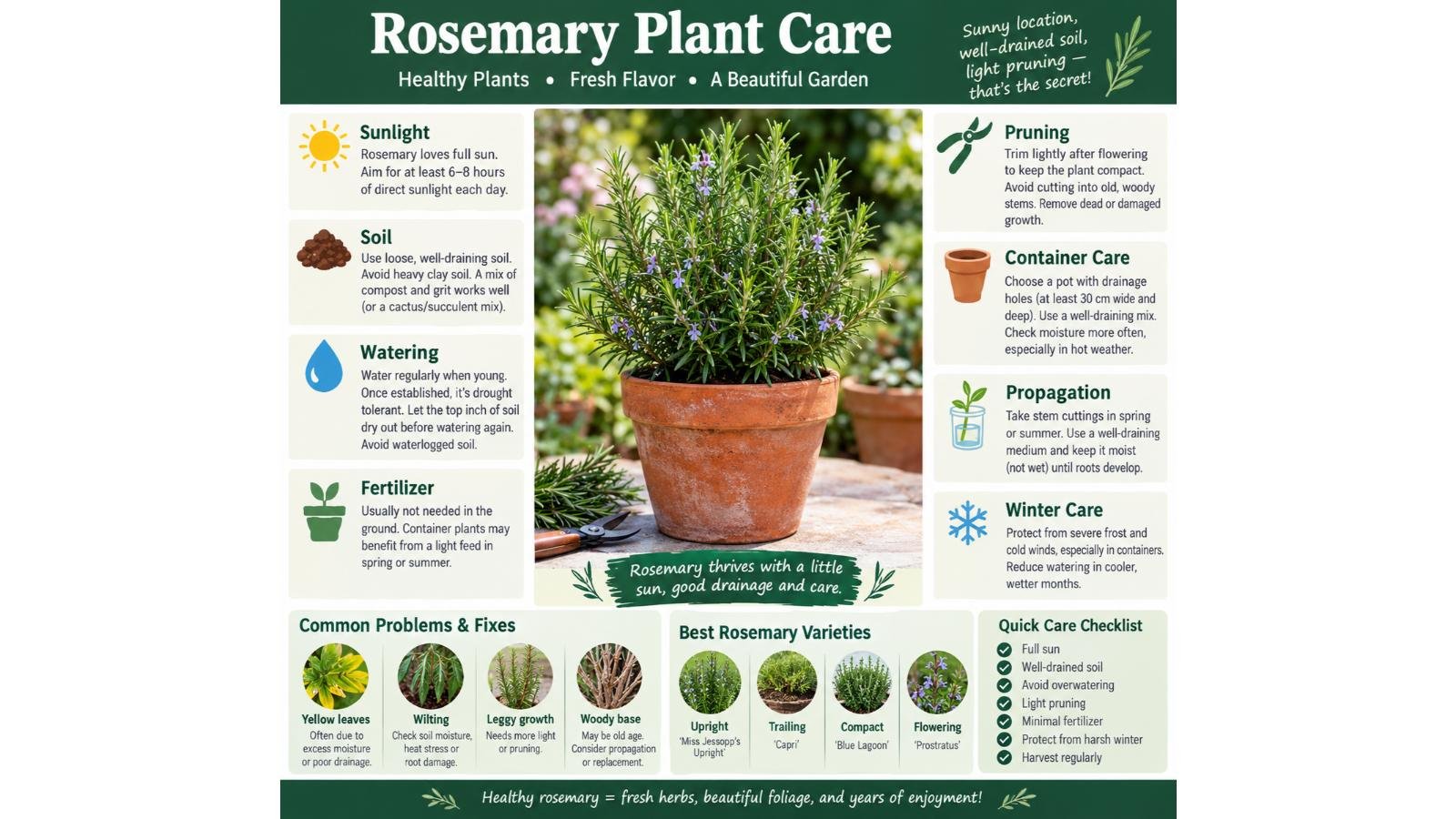
Rosemary plant care is mainly about providing plenty of sunlight, excellent drainage, moderate watering, and light pruning. Grow rosemary in full sun and loose, well-draining soil, and let the soil dry somewhat between waterings. Established plants are drought tolerant, while container-grown rosemary needs more attention during hot, dry weather. Avoid constantly wet soil because poor drainage can lead to root problems.
Introduction
Rosemary is one of those herbs that can be surprisingly easy to grow—provided you give it the conditions it naturally prefers. Problems often begin when gardeners treat rosemary like moisture-loving herbs and water it frequently.
The key to successful rosemary plant care is to think Mediterranean: strong sunlight, warm conditions, good air circulation, and soil that drains quickly. Rosemary (Salvia rosmarinus, formerly Rosmarinus officinalis) is an evergreen, aromatic herb that can be grown in garden beds, raised beds, containers, and many sunny outdoor spaces.
The most important lesson is simple: rosemary is generally more forgiving of short periods of dryness than constantly wet roots.
Rosemary Plant Care at a Glance
| Care factor | What rosemary prefers |
|---|---|
| Light | Full sun |
| Soil | Loose, sharply draining soil |
| Water | Moderate when young; less once established |
| Humidity | Generally prefers good air circulation |
| Fertilizer | Usually little needed in the ground |
| Pruning | Light annual trimming |
| Container | Excellent choice with drainage holes |
| Propagation | Stem cuttings are usually easier than seed |
| Harvest | Small amounts can be harvested throughout the growing season |
| Main problem | Excess moisture and poor drainage |
These conditions reflect guidance from the Royal Horticultural Society, which recommends full sun, free-draining soil, and protection from excessive winter wet.
How Much Sun Does Rosemary Need?
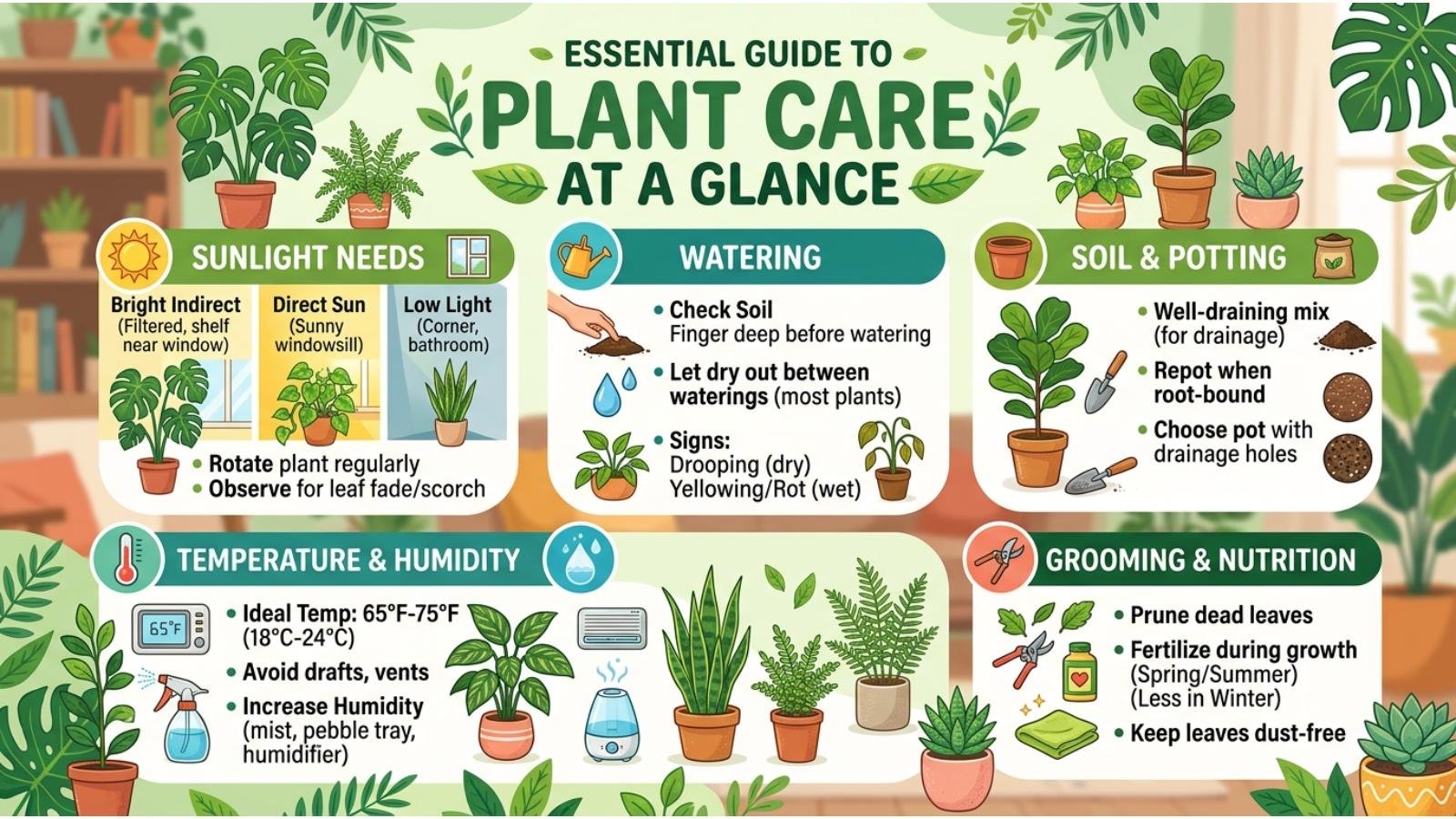
Rosemary performs best in full sun.
Choose a location where the plant receives several hours of direct sunlight each day. A bright, open position is usually better than a shaded corner, particularly if your goal is dense growth and strong aromatic foliage.
Insufficient light can contribute to weak, stretched growth. In contrast, a sunny location combined with good drainage closely matches the conditions rosemary naturally favors.
Best location for outdoor rosemary
Look for a spot that is:
- Sunny for much of the day.
- Protected from prolonged exposure to severe cold.
- Well ventilated.
- Free from standing water.
- Away from areas where irrigation keeps the soil constantly damp.
If you live in a very hot climate, intense afternoon heat can still be challenging for a newly planted rosemary. Give young plants time to establish and monitor the soil rather than automatically increasing watering.
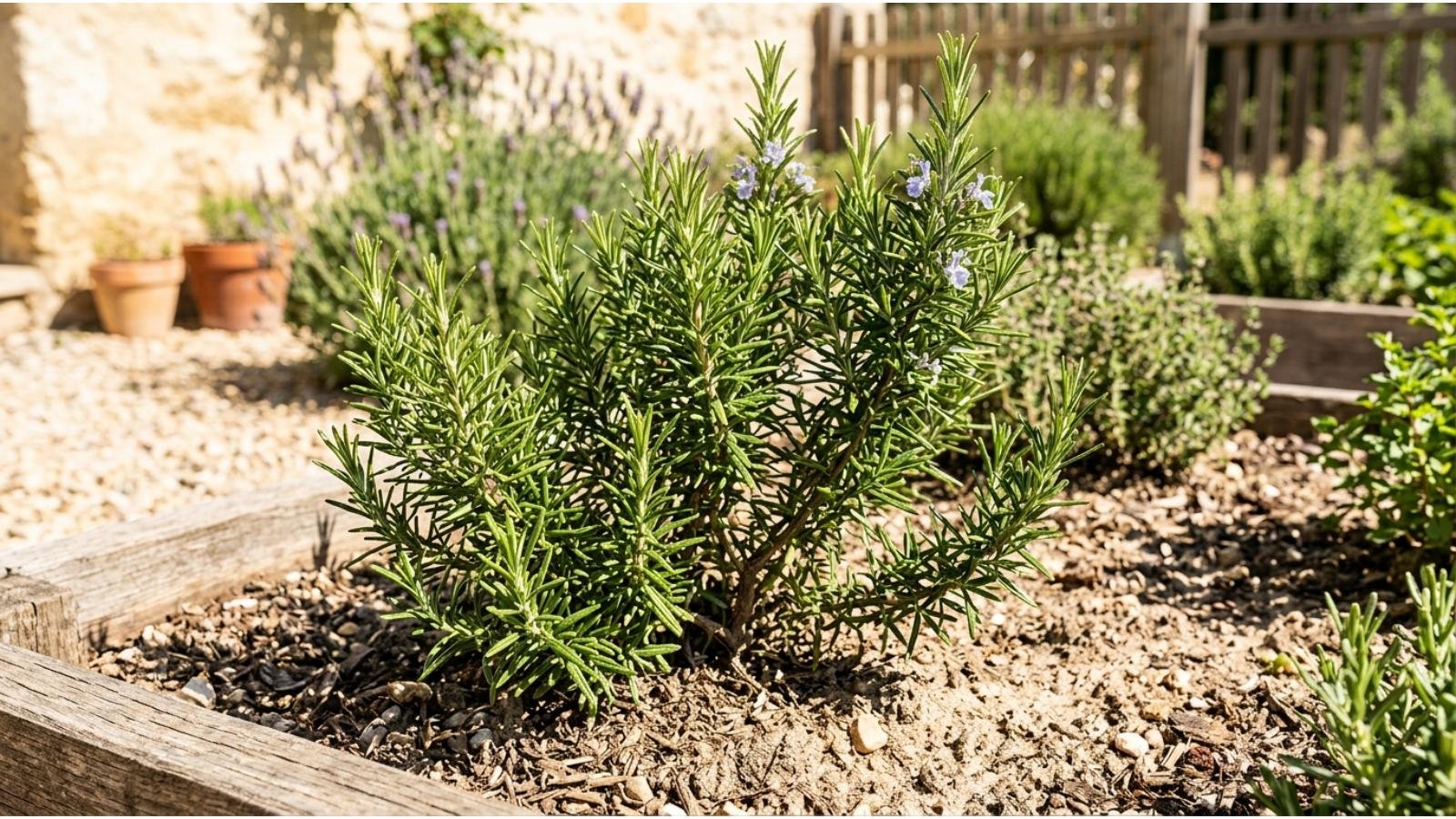
Image Suggestion: A healthy rosemary plant growing in a sunny garden bed beside thyme and sage.
What Soil Is Best for Rosemary?
Drainage is more important than rich soil.
Rosemary prefers light, well-draining soil and generally does well without highly fertile conditions. Heavy soil that stays wet after rain is much more concerning than soil that is relatively lean.
If your garden soil contains a lot of clay, consider:
- Planting rosemary in a raised bed.
- Improving drainage before planting.
- Growing it in a container.
- Choosing a naturally fast-draining location such as a slope or raised area.
Avoid burying the plant too deeply.
A useful soil test
After heavy rain, check the area around your rosemary.
If water remains pooled around the roots for an extended period, the problem is not simply how often you water. The growing site itself may be holding too much moisture.
How Often Should You Water Rosemary?
This is where many beginners go wrong.
Newly planted rosemary needs regular attention while its roots establish, particularly during dry weather. Once established in the ground, rosemary is relatively drought tolerant and may require little supplemental irrigation except during prolonged dry periods. Container plants dry out faster and therefore require more monitoring. (RHS)
Instead of watering by calendar
Don’t automatically water every day or every few days.
Check the growing medium first.
If the upper portion of the soil has dried and the plant actually needs water, water thoroughly around the root zone. Then allow excess water to drain away.
The goal is deep watering followed by appropriate drying, rather than keeping the soil permanently damp.
Signs your rosemary may be too wet
Watch for:
- Yellowing or declining foliage.
- Weak growth.
- A consistently wet growing medium.
- Poor overall vigor.
- Root deterioration in severe cases.
Wet soil, especially during cooler periods, can create conditions for root problems.
Image Suggestion: Side-by-side comparison of healthy rosemary roots and roots affected by prolonged waterlogging.
How to Grow Rosemary in a Pot
Rosemary is particularly well suited to containers because a pot makes it easier to control drainage and growing conditions.
Choose a container with:
- Multiple drainage holes.
- Enough depth for a developing root system.
- A well-draining growing medium.
- A sunny position.
The container at least 30 cm (about 12 inches) wide and deep, with plenty of drainage holes. It also suggests adding horticultural grit to a suitable peat-free, soil-based compost to improve drainage.
Container rosemary care
Potted rosemary deserves more frequent inspection than established garden rosemary because containers can dry rapidly during hot weather.
At the same time, don’t compensate by keeping the pot constantly wet.
A pot sitting inside a decorative cachepot can also create a hidden problem: irrigation water may collect underneath the inner pot. Always empty standing water rather than allowing the roots to sit in it.
Does Rosemary Need Fertilizer?
Usually, not much.
Rosemary naturally performs well in relatively lean, well-drained conditions. Established plants growing in the ground generally don’t need regular feeding. Container-grown plants that have remained in the same pot for more than a year may benefit from a general-purpose granular feed in late spring or early summer.
Overfertilizing is not a shortcut to better rosemary.
If growth is healthy and the foliage looks vigorous, adding fertilizer simply because it is a herb is unnecessary.
How to Prune Rosemary Without Killing It
Pruning keeps rosemary compact, attractive, and productive.
A light annual trim after flowering can encourage a bushier appearance. However, avoid cutting deeply into old, woody stems because rosemary may struggle to regenerate from older wood.
Simple rosemary pruning method
- Remove dead or damaged growth.
- Identify healthy green stems.
- Trim lightly to maintain the desired shape.
- Remove overly long shoots.
- Avoid severe cuts into bare, old wood.
- Don’t remove a large percentage of the plant at once.
If an old rosemary has become extremely woody and bare, aggressive rejuvenation may not work well. Taking cuttings from healthy growth and starting a replacement can be more reliable. The RHS notes that older, straggly plants are often best replaced and that rosemary is easy to propagate from cuttings.
Image Suggestion: Diagram showing where to cut rosemary stems and where not to cut into old woody growth.
How to Harvest Rosemary
Rosemary can be harvested throughout the year because it is evergreen.
For everyday cooking, snip small sections of healthy stems rather than stripping large amounts of foliage from one area.
Young growth can be especially useful for culinary purposes, and the late spring and summer soft growth has particularly good flavor.
A better harvesting habit
Instead of repeatedly cutting one side of the plant, harvest from different areas.
This helps maintain an attractive shape while providing a steady supply of fresh sprigs.
For dried rosemary, harvested sprigs can be dried in a warm, dark, well-ventilated location and stored in an airtight container once completely dry.
How to Propagate Rosemary
Rosemary can be grown from seed, but stem cuttings are generally the more practical option when you want a new plant sooner.
Seed-grown plants can take several years to become large enough for substantial harvesting, according to the RHS.
Propagating rosemary from cuttings
A simple approach is:
- Select a healthy, non-flowering shoot.
- Take a cutting from fresh or semi-ripe growth.
- Remove the lower foliage.
- Place the cutting into a suitable, well-draining propagation medium.
- Keep the medium appropriately moist but never waterlogged.
- Give the cutting bright light while avoiding conditions that cause excessive drying.
- Wait for roots to develop before transplanting.
The softwood cuttings in late spring or summer and semi-ripe cuttings in summer among suitable propagation methods.
Image Suggestion: Step-by-step infographic showing rosemary propagation from stem cutting to rooted plant.
Rosemary Care Through the Seasons
Spring
Spring is an excellent time to:
- Plant new rosemary.
- Remove damaged growth.
- Begin light pruning.
- Start propagation.
- Check containers for compacted or poorly draining soil.
The RHS recommends spring planting once the soil begins warming. (RHS)
Summer
Summer care focuses on:
- Adequate sunlight.
- Monitoring container moisture.
- Harvesting regularly.
- Avoiding unnecessary irrigation.
- Maintaining good air circulation.
Container rosemary may require additional water during prolonged hot, dry periods because pots can dry out quickly.
Autumn
Reduce unnecessary watering as conditions become cooler and wetter.
This is particularly important for potted plants exposed to rainfall.
Winter
Cold and wet conditions can be more dangerous than ordinary dryness.
Common Rosemary Care Mistakes
1. Watering Too Frequently
Rosemary is drought tolerant once established. Constant moisture can create much bigger problems than occasional dryness.
2. Using Poorly Draining Soil
A sunny location cannot compensate for roots sitting in saturated soil.
3. Growing Rosemary in Deep Shade
Rosemary is a sun-loving Mediterranean herb. A dark location is unlikely to produce the compact, vigorous growth most gardeners want. (RHS)
4. Overfertilizing
Rosemary doesn’t require a heavy feeding program, especially when growing in the ground.
5. Cutting Into Old Wood
Light pruning is beneficial; severe pruning of old woody stems can leave the plant unable to recover properly.
6. Ignoring Container Drainage
A pot without adequate drainage can turn an otherwise healthy rosemary into a struggling plant.
7. Treating Every Brown Leaf as a Watering Problem
Brown or declining foliage doesn’t automatically mean the plant needs more water. Check the roots, soil moisture, drainage, temperature, and light conditions before changing your watering routine.
Rosemary Troubleshooting Guide
| Problem | Likely cause | What to check |
|---|---|---|
| Yellow leaves | Excess moisture or root stress | Soil drainage and watering |
| Wilting | Dry roots, heat stress, or root damage | Soil moisture and roots |
| Leggy growth | Insufficient light or lack of pruning | Light exposure and plant shape |
| Brown or dead branches | Cold damage, drought stress, or aging | Weather history and affected stems |
| Root problems | Waterlogged soil | Drainage holes and soil structure |
| Weak container growth | Poor light, depleted medium, or root issues | Location, roots, and potting mix |
| Bare woody base | Age and insufficient pruning | Consider light renewal pruning or propagation |
A useful troubleshooting principle is to diagnose the growing environment before treating the symptom. Rosemary problems often have more than one possible cause.
Can Rosemary Grow Indoors?
Yes, but indoor rosemary can be more challenging than outdoor rosemary.
The biggest issue is usually light. A typical room may be much darker than an outdoor location, even when it appears bright to your eyes.
If growing rosemary indoors:
- Put it in the brightest suitable location.
- Use a container with drainage holes.
- Avoid keeping the soil constantly wet.
- Provide good air circulation.
- Rotate the container periodically for more even growth.
- Watch for pests and declining foliage.
If an indoor rosemary repeatedly becomes weak and stretched despite good care, insufficient light should be one of the first things you investigate.
When Should You Replace an Old Rosemary Plant?
Rosemary is a woody perennial, but individual plants don’t necessarily remain attractive forever.
An old plant may gradually become:
- Very woody.
- Bare at the base.
- Sparse in the center.
- Difficult to reshape without cutting into old wood.
Rather than attempting an extreme cutback, take healthy cuttings while the plant is still vigorous and grow replacement plants. The RHS specifically notes that rosemary can become straggly and that replacing older plants with young propagated plants is often preferable.
Choosing the Right Rosemary for Your Space
Not every rosemary grows in exactly the same way.
Some cultivars have an upright habit, while others are trailing or arching. For example, the RHS lists upright types such as ‘Miss Jessopp’s Upright’ as well as lower-growing forms such as ‘Capri’.
Choose based on your growing space:
- Upright rosemary: useful for borders and vertical structure.
- Trailing rosemary: attractive in containers and over walls.
- Compact varieties: useful when space is limited.
- Flowering varieties: good when ornamental value matters as much as culinary use.
This is an easy detail to overlook when buying rosemary: choose the growth habit, not just the plant label.
Frequently Asked Questions
How much sunlight does rosemary need?
Rosemary prefers full sun and performs best in a bright, open location. Strong light helps maintain healthy, compact growth.
Water newly planted rosemary when needed during dry periods. Once established outdoors, it is relatively drought tolerant. Container plants generally need more frequent monitoring because their growing medium dries faster.
Why is my rosemary turning yellow?
Yellowing can occur for several reasons, but excessive moisture and poor drainage should be checked first. Don’t automatically respond by adding more water.
Can rosemary grow in pots?
Yes. Rosemary grows very well in containers when the pot has adequate drainage and the plant receives plenty of sunlight.
What is the best soil for rosemary?
Use loose, well-draining soil rather than heavy soil that stays wet. In containers, a well-draining mix amended with suitable grit can help improve drainage.
Should I fertilize rosemary?
Established rosemary in the ground generally needs little fertilizer. Container plants that have been growing in the same pot for more than a year may benefit from a light general-purpose feed during the growing season.
Can I prune rosemary heavily?
Heavy pruning is risky, particularly when it involves cutting deeply into old woody growth. Light annual trimming is safer and helps maintain a compact shape.
Why is my rosemary becoming woody?
Woody stems are a natural part of mature rosemary growth. Regular light pruning helps maintain shape, but very old plants can become bare and difficult to rejuvenate. Propagating a younger plant from healthy cuttings may be the better long-term solution.
Can I grow rosemary from cuttings?
Yes. Rosemary is readily propagated from suitable stem cuttings, and this is generally faster and more predictable than growing a mature plant from seed.
Is rosemary drought tolerant?
Yes. Established rosemary is relatively drought tolerant, although newly planted and container-grown plants still require appropriate watering during dry conditions.
Final Rosemary Care Checklist
For consistently healthy rosemary, remember these essentials:
- Give it plenty of sunlight.
- Prioritize drainage over rich soil.
- Don’t keep the roots constantly wet.
- Water young plants more carefully while they establish.
- Monitor potted rosemary more closely during hot weather.
- Fertilize sparingly.
- Prune lightly rather than cutting deeply into old wood.
- Protect plants from severe cold and prolonged winter wet.
- Propagate healthy plants before they become old and woody.
- Harvest regularly without stripping the plant bare.