Quick Answer
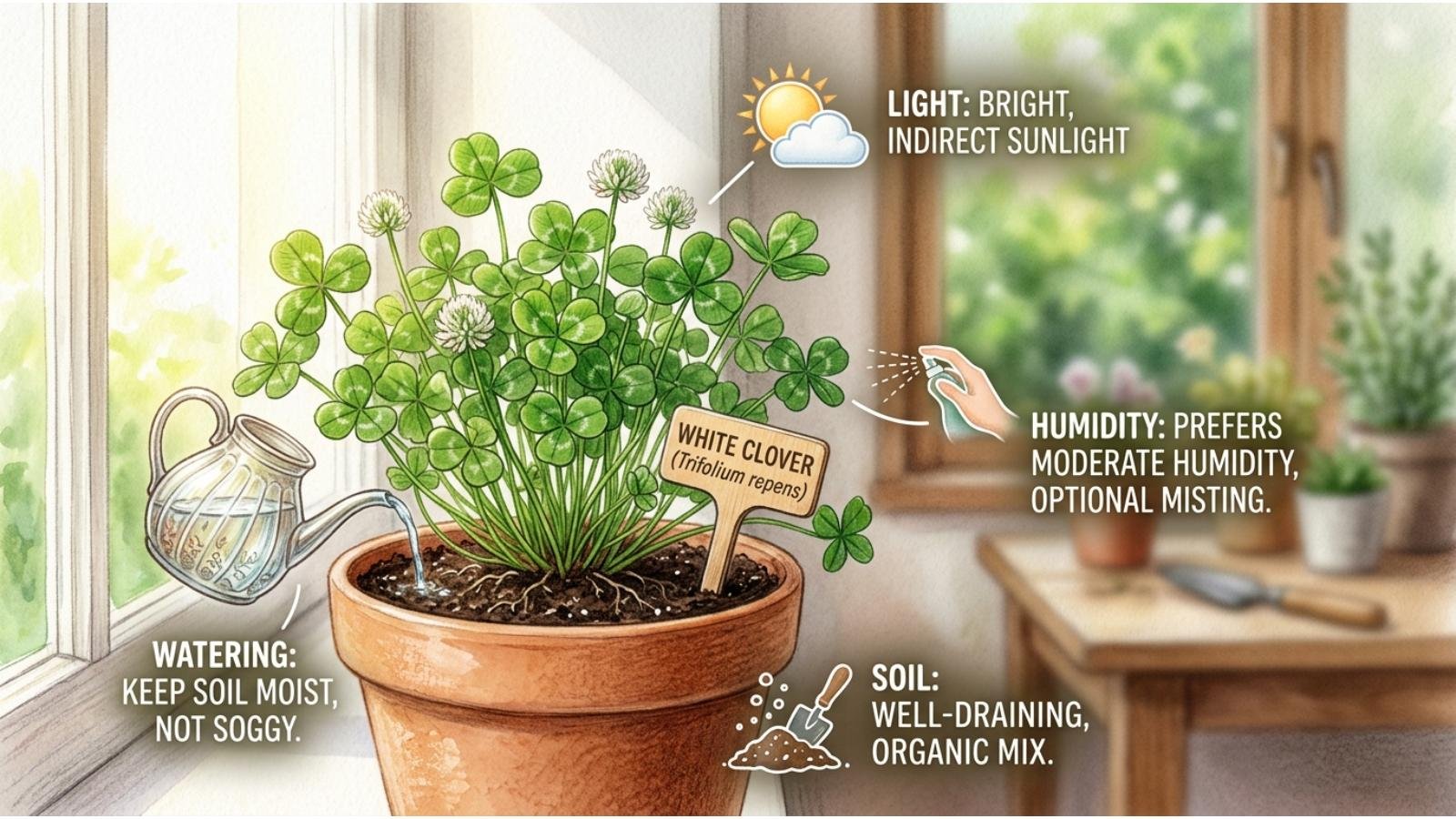
Clover plant care starts with identifying the type of clover you have. True clover generally grows best with adequate sunlight, well-draining soil, and consistent moisture during active growth.
Clover-like plants such as shamrock or Oxalis have different needs and may require bright indirect light, moderate watering, and a natural dormant period. Avoid overwatering, provide good drainage, and adjust care according to the plant’s growth stage.
Introduction
Clover is a familiar plant with attractive three-leaflet foliage, small flowers, and a naturally spreading growth habit. It can be grown in gardens, containers, lawns, and, depending on the species, indoors.
One important detail makes clover plant care slightly confusing: not every plant sold as clover is actually true clover. Some popular houseplants called shamrocks or lucky clovers belong to the Oxalis genus. They may look similar but have different watering, light, and dormancy requirements.
Learning to identify your plant before changing its care routine can prevent many common problems. Once you understand its light, watering, soil, feeding, and seasonal requirements, clover is generally straightforward to maintain.
What Is a Clover Plant?
True clovers are primarily plants in the Trifolium genus. They are members of the legume family and commonly produce rounded flower heads.
Different types can vary considerably in appearance and growth habit. Some remain compact, while others spread through creeping stems.
Common characteristics include:
- Three leaflets on each leaf.
- Small flowers grouped into rounded flower heads.
- Low-growing or spreading growth.
- Ability to tolerate a range of growing conditions.
- Attraction to pollinating insects when flowering.
Plants commonly called shamrocks can look almost identical but may belong to Oxalis rather than Trifolium. This distinction is especially important for indoor plant care.
How Much Light Does Clover Need?
The right amount of light depends on the species.
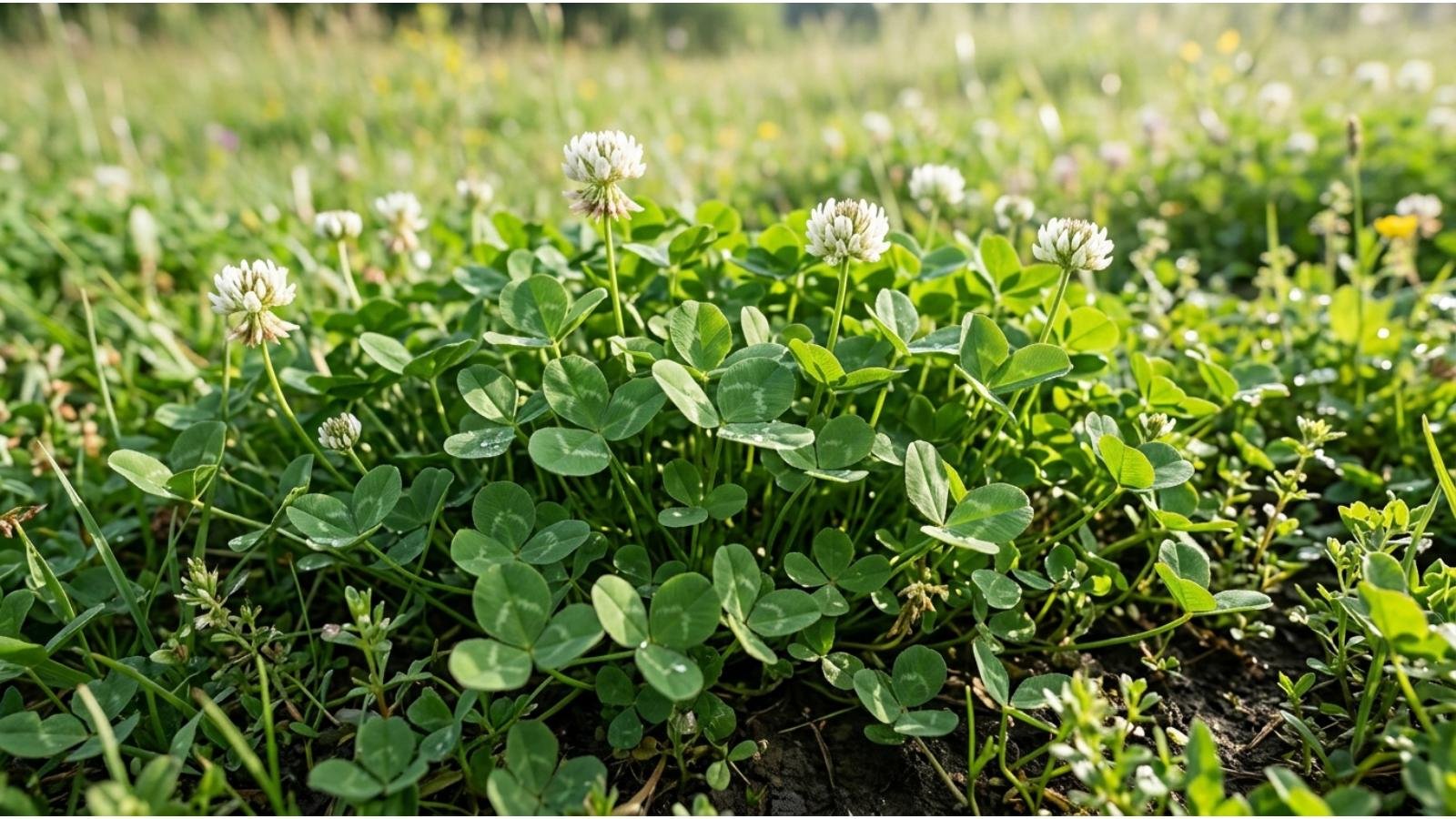
Outdoor clover generally performs well in sunny locations, although some types tolerate partial shade. Indoor clover-like plants usually need bright light to maintain compact growth and good leaf color.
Too little light can cause:
- Long, weak stems.
- Sparse foliage.
- Reduced flowering.
- Pale or less vibrant leaves.
- Growth leaning toward the nearest window.
If you are growing a clover-like plant indoors, place it near a bright window where it receives plenty of natural light without exposing sensitive foliage to intense heat for long periods.
Practical Light Tip
If the plant has been growing in a dim location, don’t suddenly move it into strong direct sunlight for the entire day. Gradually increase its exposure so the foliage has time to adjust.
Image Suggestion: Healthy clover growing in bright light compared with stretched clover growing in insufficient light.
How Often Should You Water Clover?
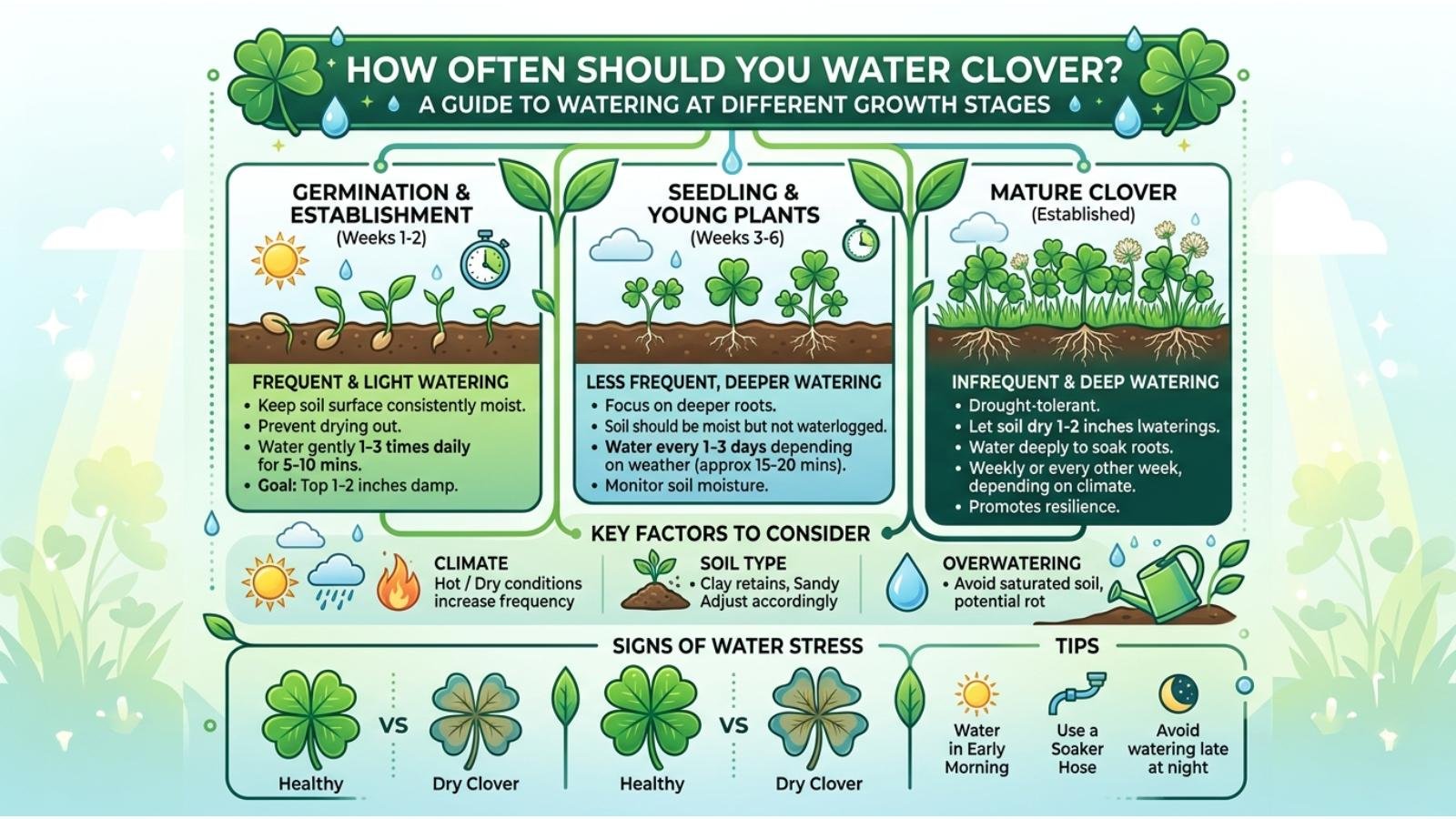
Clover prefers moisture during active growth, but constantly saturated soil can cause serious problems.
Instead of watering according to a fixed calendar, check the growing conditions first.
Before watering, consider:
- Is the soil still wet?
- Does the container have drainage holes?
- Has the weather recently become hotter?
- Is the plant actively growing?
- Is the plant showing signs of natural dormancy?
For container-grown clover, water thoroughly when the soil has begun to dry, allowing excess water to drain away.
The Most Common Watering Mistake
Many beginners assume that a drooping plant automatically needs more water. That isn’t always true.
Drooping can also occur because of:
- Root damage.
- Excessively wet soil.
- Heat stress.
- Sudden environmental changes.
- Natural dormancy in some clover-like plants.
Always check the soil before adding more water.
Best Soil for Clover
Good drainage is one of the most important parts of successful clover plant care.
Outdoor clover can grow in different soil types, but extremely compacted or poorly drained soil can restrict root development and create unfavorable conditions.
For container-grown clover or Oxalis, use a loose potting mix that drains efficiently.
A practical container mix can include:
- Quality potting soil.
- Perlite or another drainage material.
- Organic matter in moderation.
- A container with drainage holes.
Avoid heavy soil that stays wet for long periods.
Why Drainage Matters
Roots need access to both moisture and oxygen. When soil remains saturated for too long, air spaces become filled with water and roots can become stressed or damaged.
This is why watering less frequently is not always the solution. Sometimes the real problem is poor drainage.
Temperature and Humidity
Most commonly grown clover varieties can handle normal outdoor conditions, while ornamental clover-like houseplants often prefer moderate indoor temperatures.
Protect container plants from:
- Extreme heat.
- Sudden temperature changes.
- Cold drafts.
- Direct hot air from heaters.
- Very dry conditions for prolonged periods.
If an indoor Oxalis suddenly loses its leaves during a stressful period, don’t immediately assume the plant has died. Some varieties naturally enter dormancy.
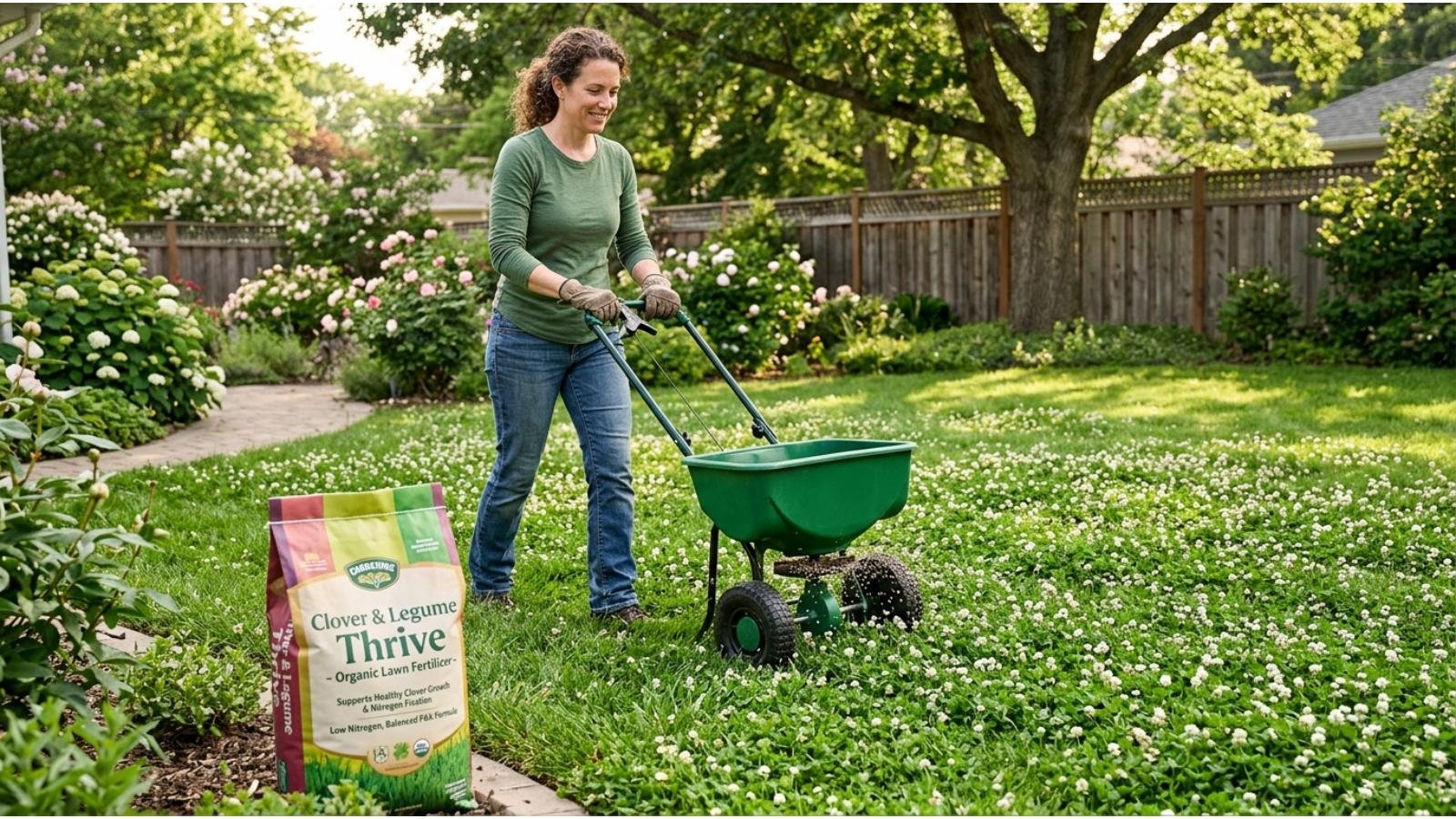
Does Clover Need Fertilizer?
True clover has an interesting advantage because it is a legume. Clover can form a relationship with specialized bacteria associated with its roots that help make nitrogen available to the plant.
Because of this, excessive nitrogen fertilizer is usually unnecessary for established true clover.
Container-grown ornamental clover or Oxalis can benefit from occasional balanced fertilizer during active growth.
Fertilizing Tips
- Follow the fertilizer label.
- Feed during active growth.
- Avoid excessive applications.
- Reduce or stop feeding during dormancy.
- Do not use fertilizer to compensate for poor lighting.
A plant receiving inadequate light cannot simply be fixed by adding more fertilizer.
Why Are My Clover Leaves Turning Yellow?
Yellow leaves can have several causes, so look at the entire growing environment before deciding what went wrong.
Overwatering
Consistently wet soil can damage roots and lead to yellow foliage.
Poor Drainage
Even if you are watering correctly, compacted soil or a container without adequate drainage can keep the roots too wet.
Insufficient Light
Low light can weaken growth and contribute to unhealthy-looking foliage.
Natural Aging
Older leaves naturally turn yellow and eventually die.
Dormancy
Some plants commonly sold as clover, especially certain Oxalis varieties, may lose their foliage during a natural dormant period.
What to Check First
If your plant suddenly turns yellow, check these conditions in order:
- Soil moisture.
- Drainage.
- Light exposure.
- Temperature.
- Recent changes in care.
- Whether the plant is entering dormancy.
This approach is more useful than immediately increasing fertilizer or water.
Clover Plant Dormancy
Dormancy can be confusing because the plant may look completely unhealthy while actually following its natural growth cycle.
Some Oxalis varieties can lose much or all of their foliage during dormancy. The underground portion of the plant may remain alive and produce new growth later.
During dormancy:
- Reduce watering.
- Stop routine fertilizing.
- Remove completely dead foliage.
- Avoid keeping the soil constantly wet.
- Monitor the plant for new growth.
When new shoots begin appearing, gradually resume normal watering and active-growth care.
How to Tell Dormancy From Death
Don’t discard a leafless clover-like plant immediately.
Look for:
- Healthy underground structures.
- No foul smell from the soil.
- No widespread mushy or rotten tissue.
- Signs of new growth.
- A seasonal pattern that matches previous growth cycles.
Understanding dormancy can save you from throwing away a perfectly healthy plant.
Why Are My Clover Leaves Closing?
If you are growing an Oxalis variety, leaves that fold or close during certain times of the day may be completely normal.
Many Oxalis plants respond to changing light conditions by opening and folding their leaves.
This behavior can look alarming when you first see it, but it does not necessarily indicate underwatering or disease.
If the leaves consistently open during daylight and fold later, the plant may simply be following its natural daily rhythm.
Image Suggestion: Oxalis leaves shown open during daylight and folded during the evening.
How to Encourage Clover to Flower
Flowering depends on the species and growing conditions.
For ornamental clover-like plants, focus on:
- Adequate light.
- Proper watering.
- Well-draining soil.
- Appropriate feeding during active growth.
- Suitable temperatures.
- Healthy roots.
If the foliage looks healthy but the plant isn’t flowering, examine the light first.
A common mistake is adding more fertilizer when the actual problem is insufficient light.
Plants need adequate light to produce the energy required for healthy growth and flowering.
How to Prune Clover
Clover generally does not require complicated pruning.
Remove:
- Dead leaves.
- Severely damaged foliage.
- Completely dried flower stems.
- Yellow leaves that are clearly dying.
For outdoor spreading clover, mowing or trimming can be used when appropriate for the growing area.
Avoid removing healthy green foliage unnecessarily. Healthy leaves help the plant produce energy.
How to Propagate Clover
Propagation depends on the type of clover.
True clover can be propagated from seed, while spreading varieties can also expand naturally through creeping growth.
Some ornamental Oxalis varieties are commonly propagated by dividing their underground structures.
Propagating Container-Grown Oxalis
- Remove the plant carefully from its container.
- Examine the underground growth.
- Separate healthy sections carefully.
- Place each section in suitable well-draining soil.
- Water lightly after planting.
- Provide appropriate light.
- Increase normal watering as new growth develops.
Do not divide a dormant plant unnecessarily. First determine whether the plant is naturally resting.
Common Clover Plant Care Mistakes
1. Treating Every Clover the Same
True clover and Oxalis may look similar but have different growing habits.
2. Watering on a Strict Schedule
Plants don’t use the same amount of water every week. Temperature, light, pot size, soil, and growth stage all matter.
3. Ignoring Drainage
A beautiful container can still create unhealthy conditions if water cannot escape.
4. Overwatering During Dormancy
A dormant plant needs considerably less water than one actively producing leaves.
5. Giving Too Little Light
Insufficient light can lead to weak and sparse growth.
6. Fertilizing Too Often
More fertilizer does not automatically mean faster or healthier growth.
7. Throwing Away a Leafless Oxalis
Leaf loss can be part of a normal dormant cycle.
Clover Plant Care Through the Seasons
| Season | Main Care Focus |
|---|---|
| Spring | Encourage new growth and maintain appropriate moisture |
| Summer | Watch for heat, drying soil, and possible dormancy |
| Fall | Adjust care as growth slows |
| Winter | Reduce watering when growth is limited and provide suitable light |
The calendar should be treated as a guide rather than a strict schedule. Your plant’s actual growth and environmental conditions are more useful indicators.
Clover Plant Problems and Solutions
| Problem | Possible Cause | What to Check |
|---|---|---|
| Yellow leaves | Overwatering, low light, aging, dormancy | Soil, drainage, light, season |
| Drooping leaves | Dry soil, heat, root stress, dormancy | Moisture and roots |
| Weak stems | Insufficient light | Light exposure |
| Few flowers | Low light or poor growing conditions | Light and active growth |
| Root problems | Waterlogged soil | Drainage |
| Leaves closing | Normal Oxalis movement | Time of day |
| Foliage disappearing | Dormancy | Plant type and season |
| Slow growth | Low light, poor roots, unsuitable conditions | Entire growing environment |
The goal is to identify the cause rather than treating every symptom in the same way.
Can Clover Grow Indoors?
True clover is generally better suited to outdoor growing, especially when used as ground cover or lawn planting.
However, several clover-like plants, particularly Oxalis varieties, can make attractive indoor container plants.
For indoor growing, focus on:
- Bright natural light.
- A container with drainage.
- Well-draining soil.
- Controlled watering.
- Proper seasonal care.
- Understanding dormancy.
If your plant was sold as a shamrock or lucky clover, identifying it can make indoor care much easier.
Is Clover Easy to Grow?
Yes, many clover varieties are relatively easy to grow once their basic requirements are met.
The biggest challenge is usually not complicated maintenance. It is understanding what the plant is actually telling you.
Healthy clover generally needs:
- Appropriate light.
- Suitable moisture.
- Good drainage.
- Healthy soil.
- Reasonable temperatures.
- Seasonal adjustments.
Avoid constantly changing your care routine whenever the plant develops a minor cosmetic change. Observe the plant, inspect the soil, and consider recent environmental changes first.
Frequently Asked Questions
How often should I water a clover plant?
Water when the soil has begun to dry rather than following a fixed schedule. During active growth, maintain appropriate moisture without leaving the roots in constantly saturated soil.
Does clover need full sun?
Many outdoor clovers grow well in full sun, although some varieties tolerate partial shade. Indoor clover-like plants generally need bright light for strong growth.
Why is my clover plant dying?
Check the soil, drainage, light, temperature, and plant type. If it is an Oxalis variety, apparent decline may actually be a natural dormant period.
Why do clover leaves close?
If your plant is an Oxalis, leaf movement can be a normal response to changes in light. Leaves may open during the day and fold later.
Can clover grow in pots?
Yes. Clover and clover-like plants can be grown in containers when the pot provides adequate drainage and the soil is suitable for the plant.
Does clover need fertilizer?
True clover generally has relatively low nitrogen requirements because of its relationship with nitrogen-fixing bacteria. Ornamental container-grown varieties may benefit from balanced fertilizer during active growth.
Why is my clover turning yellow?
Overwatering, poor drainage, insufficient light, natural aging, environmental stress, and dormancy can all cause yellowing. Check the growing conditions before changing your care routine.
Can I grow clover indoors?
Some clover-like plants, particularly Oxalis varieties, are well suited to indoor containers. True lawn-type clover is generally better suited to outdoor conditions.
How do I revive a wilted clover plant?
First check the soil. If it is extremely dry, water thoroughly and allow excess water to drain. If the soil is already wet, do not add more water. Instead, investigate drainage, root health, temperature, and light.
Should I remove dead clover leaves?
Yes. Removing completely dead foliage can keep the plant cleaner and make it easier to monitor new growth. Avoid removing healthy green leaves unnecessarily.
Final Takeaway
Successful clover plant care is less about following a rigid watering schedule and more about understanding the plant’s identity and growth cycle.
Give outdoor clover suitable light, healthy soil, and adequate moisture. For indoor clover-like plants such as Oxalis, pay closer attention to bright light, drainage, watering, and natural dormancy.
Most importantly, don’t treat every problem with more water or fertilizer. Check the soil, roots, light, temperature, and season first. That simple habit can prevent many of the most common clover-care problems and help your plant remain healthy for the long term.