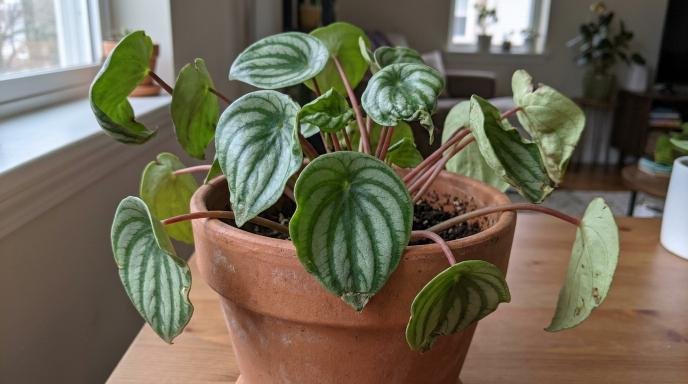
Watermelon peperomia ( Peperomia argyreia ) is a beautiful houseplant known for its round, silver-and-green striped leaves that resemble the skin of a watermelon. If you love this attractive tropical plant, learning how to propagate watermelon peperomia is an easy way to grow new plants without purchasing more.
The good news is that you can propagate watermelon peperomia at home using leaf cuttings, stem cuttings, or plant division. Each method has its own advantages, but choosing the right technique and providing proper moisture, warmth, and indirect light will make a big difference in your success.
In this guide, you’ll learn three practical propagation methods, step-by-step instructions, common mistakes to avoid, and how to care for new baby plants until they become established.
Quick Answer
You can propagate watermelon peperomia in three ways: leaf cuttings, stem cuttings, and division. Leaf cuttings are a popular option for growing several new plants, stem cuttings work well when you have healthy stems, and division is the quickest method when your plant has multiple established crowns. Use a well-draining propagation mix, maintain gentle moisture, and provide bright, indirect light.
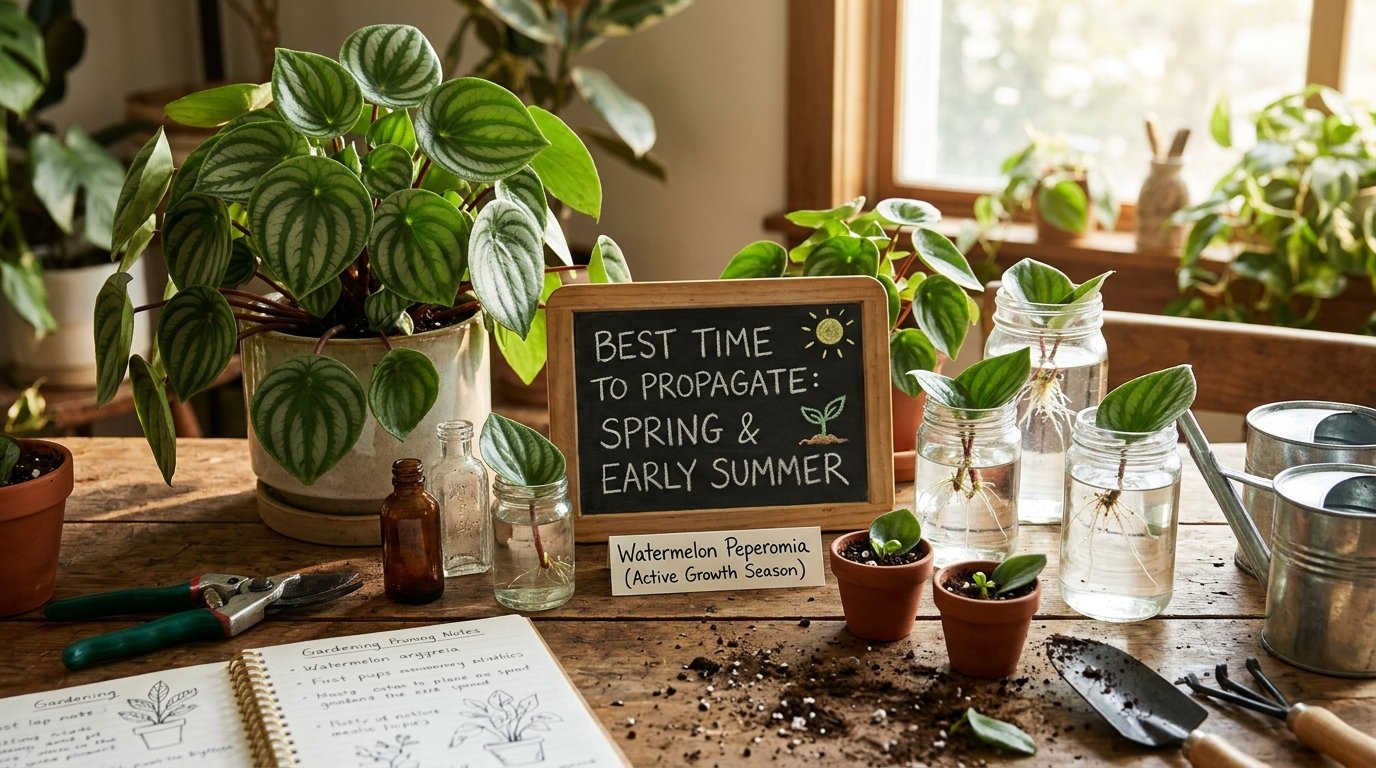
Best Time to Propagate Watermelon Peperomia
Spring and early summer are generally the best times to propagate watermelon peperomia because the plant is actively growing and can develop new roots more readily.
You can also propagate it during other seasons if you provide suitable indoor conditions. However, cooler temperatures and reduced winter light may slow root development.
Before starting, make sure your parent plant is healthy. Avoid taking cuttings from plants with yellowing leaves, mushy stems, root rot, or active pest infestations.
What You Need to Propagate Watermelon Peperomia
Gather these simple supplies before you begin:
- A healthy watermelon peperomia plant.
- Clean, sharp scissors or pruning shears.
- Small pots with drainage holes.
- A well-draining propagation mix.
- Perlite or coco coir.
- A clear plastic bag or propagation dome.
- A small watering can or spray bottle.
- Fresh water.
Helpful tip: Always clean your scissors before cutting. Dirty tools can transfer bacteria and fungi to fresh wounds, increasing the risk of cutting failure.
Method 1: Propagate Watermelon Peperomia From Leaf Cuttings
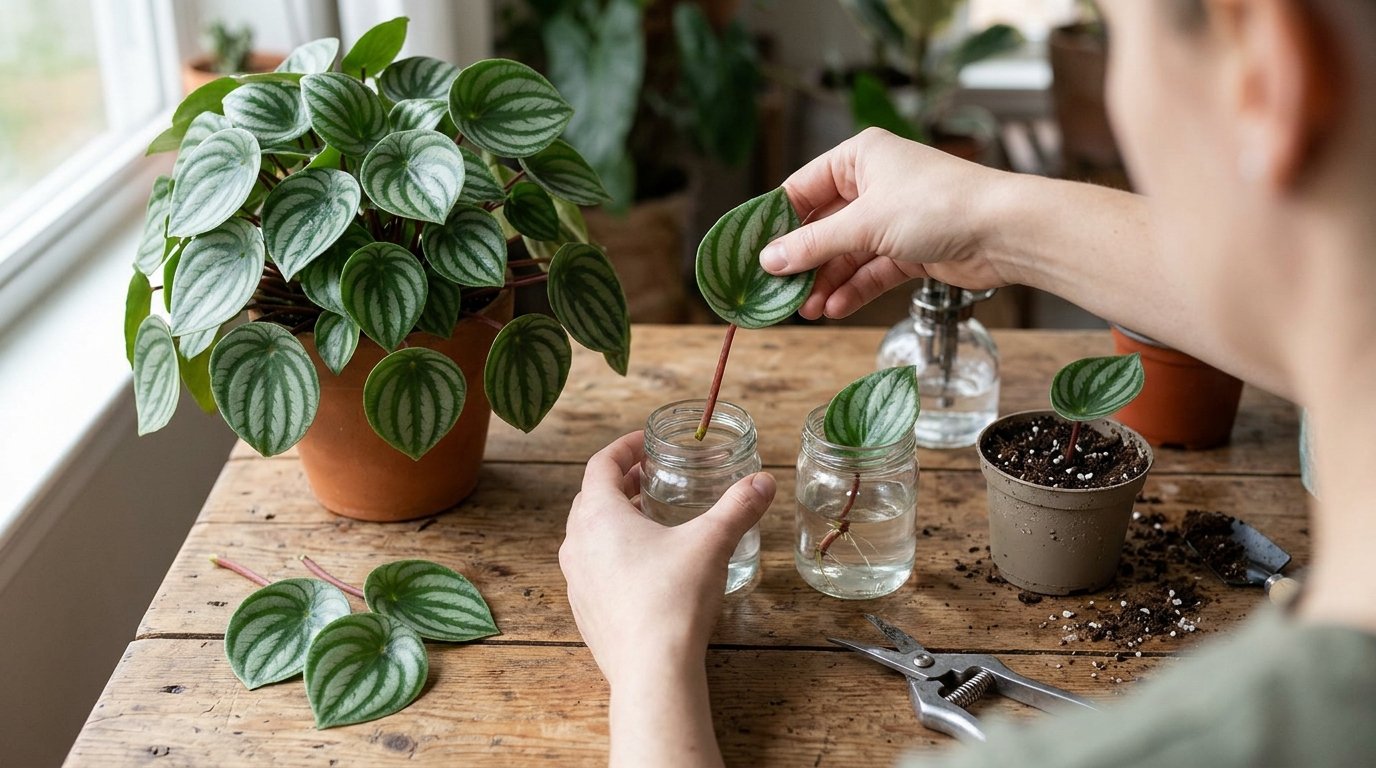
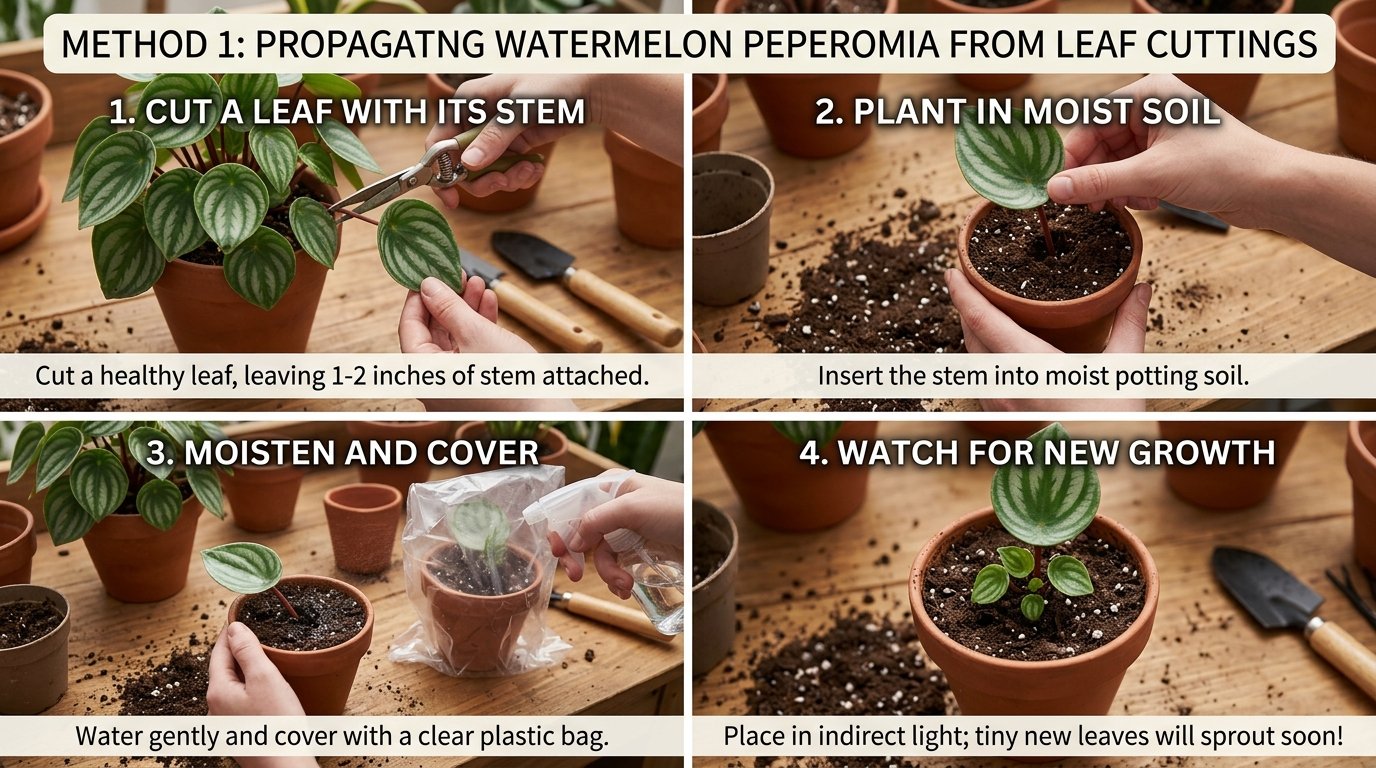
Leaf propagation is one of the easiest and most popular ways to grow new watermelon peperomia plants. A healthy leaf with its petiole (the small stalk connecting the leaf to the plant) can produce roots and new baby plants.
This method is particularly useful when you want to grow several plants from one mature parent plant.
Step-by-step instructions
- Choose a healthy leaf: Select a mature, firm leaf without brown spots, yellowing, or insect damage.
- Cut the leaf: Use clean scissors to remove the leaf while keeping approximately 1–2 inches of its red petiole attached.
- Prepare the pot: Fill a small container with lightly moist, well-draining propagation mix.
- Insert the petiole: Place the bottom of the petiole approximately ½–1 inch into the growing medium. Keep the leaf blade above the soil.
- Provide humidity: Cover the pot loosely with a clear plastic bag or propagation dome to reduce moisture loss.
- Choose the right location: Place the cutting somewhere warm with bright, indirect light.
- Monitor moisture: Keep the medium slightly moist, never waterlogged.
What happens next?
Roots generally begin developing before visible new leaves appear. Small plantlets eventually emerge near the base of the petiole. Once they have developed their own roots and several leaves, you can carefully separate and pot them individually.Allow several weeks for rooting; visible plantlets may take longer depending on growing conditions.
Method 2: Propagate Watermelon Peperomia From Leaf Sections
If you want to produce multiple baby plants from a single leaf, leaf-section propagation is worth trying.
Unlike the first method, which uses a whole leaf with its petiole, this technique uses sections of the leaf blade. New growth can develop from the cut areas where suitable veins contact the propagation medium.
Step-by-step instructions
- Select a large, healthy watermelon peperomia leaf.
- Remove it carefully from the parent plant using clean scissors.
- Cut the leaf horizontally into two sections, making sure both sections contain healthy leaf tissue and veins.
- Prepare a shallow container with moist perlite or a light, well-draining propagation mix.
- Place the cut edge of each section against or slightly into the growing medium.
- Cover the container loosely to maintain humidity while allowing some air circulation.
- Keep the container in a warm location with bright, indirect light.
- Check the growing medium regularly and add a little water when it begins to dry.
How long does it take?
Leaf sections can take several weeks or longer to produce new growth. Be patient because the process is generally slower than using a whole leaf with its petiole.
Important: Do not bury the entire leaf section. Excessive contact with wet soil can encourage rot. Keep the medium lightly moist rather than soaking wet.
Method 3: Propagate Watermelon Peperomia by Division
Division is often the quickest way to get established new watermelon peperomia plants. Unlike leaf propagation, this method starts with sections that already have roots and growing points.
It works best when your mature plant has developed multiple crowns or naturally separate rooted sections.
Step-by-step instructions
- Remove the plant: Gently take the mature watermelon peperomia out of its pot.
- Inspect the roots: Look for separate crowns or growing sections with their own roots.
- Separate the sections: Carefully loosen the root ball with your fingers. Gently tease apart sections rather than pulling the plant apart forcefully.
- Check each division: Make sure every section has healthy roots and at least one growing point with leaves.
- Prepare new pots: Choose small containers with drainage holes and fill them with fresh, airy potting mix.
- Plant each section: Position each division at approximately the same soil depth as before.
- Water lightly: Give the newly potted sections a small amount of water to settle the mix around the roots.
- Allow recovery: Keep the plants in bright, indirect light while they adjust to their new containers.
Why choose division?
Division is especially useful if your watermelon peperomia has become crowded or has developed multiple growing points. Each successfully separated section already has roots, so you don’t need to wait for an entirely new root system to develop.
However, avoid dividing a small or weak plant that has only one growing crown.
Which Watermelon Peperomia Propagation Method Is Best?
Each technique can work, but the best choice depends on the size of your parent plant and how many new plants you want.
| Propagation method | Best for | Main advantage |
|---|---|---|
| Whole leaf cutting | Beginners | Simple and practical |
| Leaf sections | Growing multiple plants | Can produce several plantlets |
| Division | Mature plants | Starts with existing roots |
My recommendation: Start with a whole leaf and petiole if you’re a beginner. Choose division if your plant already has several healthy crowns. Try leaf sections if you want to experiment with producing more plants from limited material.
How to Care for Watermelon Peperomia Cuttings After Propagation
Successful propagation doesn’t end when roots appear. Your new plants need suitable growing conditions to develop healthy leaves and strong roots.
Here are the most important care tips.
1. Provide Bright, Indirect Light
Place your new cuttings near a bright window where they receive plenty of filtered light. Avoid strong direct sunlight because delicate cuttings can dry out or become damaged.
2. Maintain Suitable Moisture
Keep the propagation medium lightly moist while roots develop. Avoid excessive watering because watermelon peperomia is susceptible to root rot.
If the medium remains wet for several days, improve drainage and allow its surface to dry slightly.
3. Maintain Warm Temperatures
Warm indoor conditions encourage root development. Aim for approximately 65–80°F (18–27°C) and protect cuttings from cold drafts.
4. Provide Gentle Humidity
A loosely fitted transparent cover can help maintain humidity around leaf cuttings. However, open it regularly for fresh air and remove excessive condensation.
5. Avoid Fertilizing Too Early
New cuttings don’t need fertilizer before developing roots. Once your baby plants are established and producing fresh leaves, you can begin using a balanced liquid houseplant fertilizer at a diluted strength during active growth.
Common Watermelon Peperomia Propagation Problems and Solutions
Even when you follow the correct steps, some cuttings may struggle. Understanding the warning signs can help you prevent unnecessary failures.
| Problem | Possible cause | Solution |
|---|---|---|
| Leaf cutting turns yellow | Excessive moisture or stress | Check moisture and improve drainage |
| Petiole becomes mushy | Rot caused by wet conditions | Remove damaged tissue and restart |
| No new growth | Insufficient warmth or light | Provide warmer conditions and indirect light |
| Leaf becomes wrinkled | Excessive moisture loss | Check humidity and medium moisture |
| Cutting develops mold | Poor airflow and excess moisture | Improve ventilation and remove affected material |
| Roots develop but no plantlets appear | Slow development or unsuitable cutting | Give it more time and check the cutting base |
Remember: Don’t discard a cutting just because it hasn’t produced new leaves after a few weeks. Some watermelon peperomia cuttings need additional time to establish.
7 Mistakes to Avoid When Propagating Watermelon Peperomia
Avoiding these common mistakes can significantly improve your propagation success.
- Using unhealthy leaves: Damaged or diseased leaves are less likely to produce healthy new plants.
- Removing the petiole: For whole-leaf propagation, keep the petiole attached because new plantlets develop near its base.
- Overwatering: Constantly wet propagation medium increases the risk of rot.
- Using heavy soil: Dense soil restricts airflow and holds too much moisture around developing roots.
- Providing direct sunlight: Strong sunlight can dry out delicate cuttings.
- Disturbing cuttings frequently: Repeatedly pulling cuttings out to check for roots can damage developing root systems.
- Dividing immature plants: Small plants without separate rooted crowns are not good candidates for division.
Frequently Asked Questions
1. How long does watermelon peperomia take to propagate?
Watermelon peperomia usually takes several weeks to develop roots, while visible baby plants may take longer. Whole-leaf cuttings commonly produce new plantlets within approximately 4–8 weeks under favorable conditions. Leaf sections and slower-growing cuttings may need additional time.
2. Can you propagate watermelon peperomia in water?
Yes, you can experiment with water propagation using a healthy leaf with its petiole attached. Keep the petiole submerged while keeping the leaf blade above the water. However, a lightly moist, well-draining propagation medium is a practical choice for this species.
3. Can you grow watermelon peperomia from just one leaf?
Yes! A healthy leaf with its petiole attached can produce new roots and baby plantlets. You can also experiment with cutting a leaf blade into sections and placing the cut edges against a moist propagation medium.
4. What is the easiest way to propagate watermelon peperomia?
Whole-leaf propagation is an excellent starting method for beginners. Simply take a healthy leaf with its petiole, insert the stalk into moist propagation mix, and provide warmth and bright, indirect light.
5. Why is my watermelon peperomia cutting rotting?
Rot usually develops when the propagation medium stays too wet or lacks sufficient airflow. Use a well-draining mixture, avoid excessive watering, and provide gentle ventilation. Remove severely damaged cuttings before the rot spreads.
6. Can I propagate watermelon peperomia in winter?
Yes, indoor propagation is possible during winter, but cooler temperatures and reduced daylight can slow root development. Keep your cuttings in a warm location with adequate indirect light.
7. When should I transplant watermelon peperomia baby plants?
Transplant baby plants when they have developed their own healthy roots and several new leaves. Handle them carefully and use small pots with drainage holes to prevent excess moisture around their roots.
Final Thoughts
Learning how to propagate watermelon peperomia is a rewarding way to expand your houseplant collection without buying additional plants. You can use whole-leaf cuttings, leaf sections, or division to grow new plants at home.
For beginners, whole-leaf propagation is a simple place to start, while division is an excellent option for mature plants with multiple crowns.
The most important things are healthy plant material, well-draining propagation medium, gentle moisture, and bright indirect light. Give your cuttings enough time, avoid disturbing them unnecessarily, and you’ll have a better chance of growing beautiful new watermelon peperomia plants.