Sage is a popular aromatic herb valued for its fragrant leaves, culinary uses, and ability to grow in gardens, raised beds, and containers. However, even though sage is relatively easy to maintain, improper watering, poor drainage, and insufficient sunlight can weaken the plant. Understanding the basics of sage plant care helps you grow a healthy, bushy plant with flavorful leaves throughout the growing season.
Whether you are planting sage for cooking, attracting pollinators, or adding a beautiful herb to your garden, the right growing conditions make a noticeable difference.
Quick Answer:
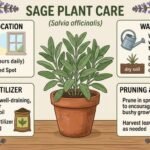
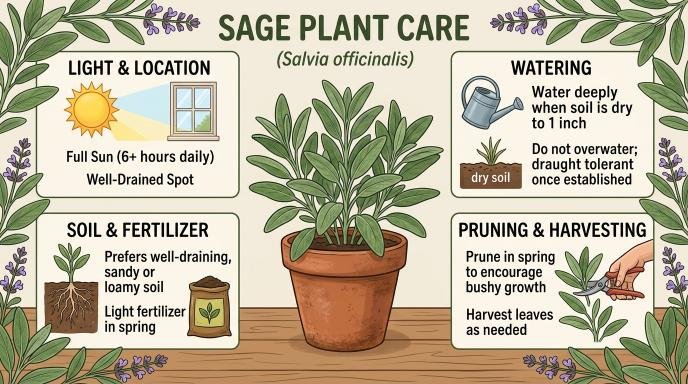
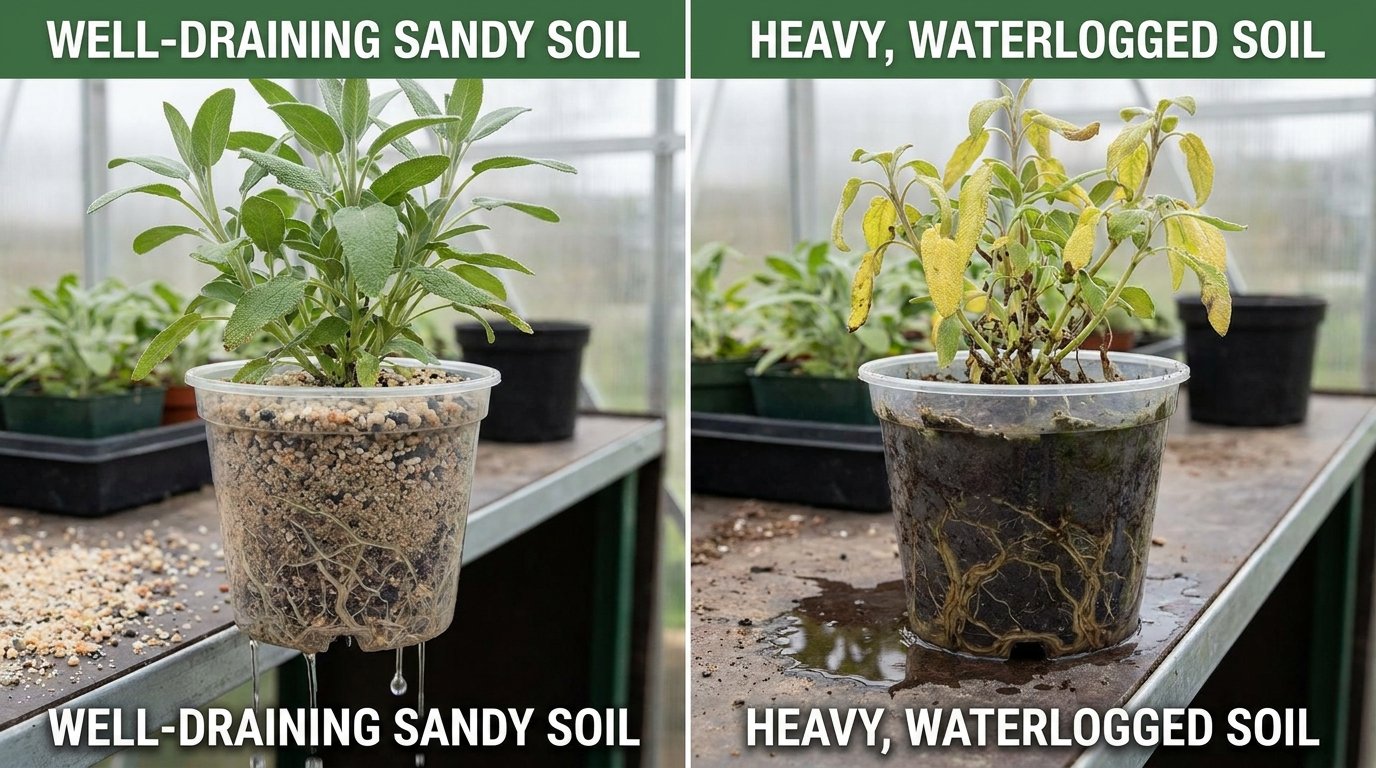
Sage grows best in full sunlight, well-draining soil, and moderate watering. Give it at least 6–8 hours of direct sunlight daily, allow the soil to dry between waterings, and avoid heavy, waterlogged soil. Prune lightly to encourage bushier growth and harvest leaves regularly.
Understanding the Sage Plant
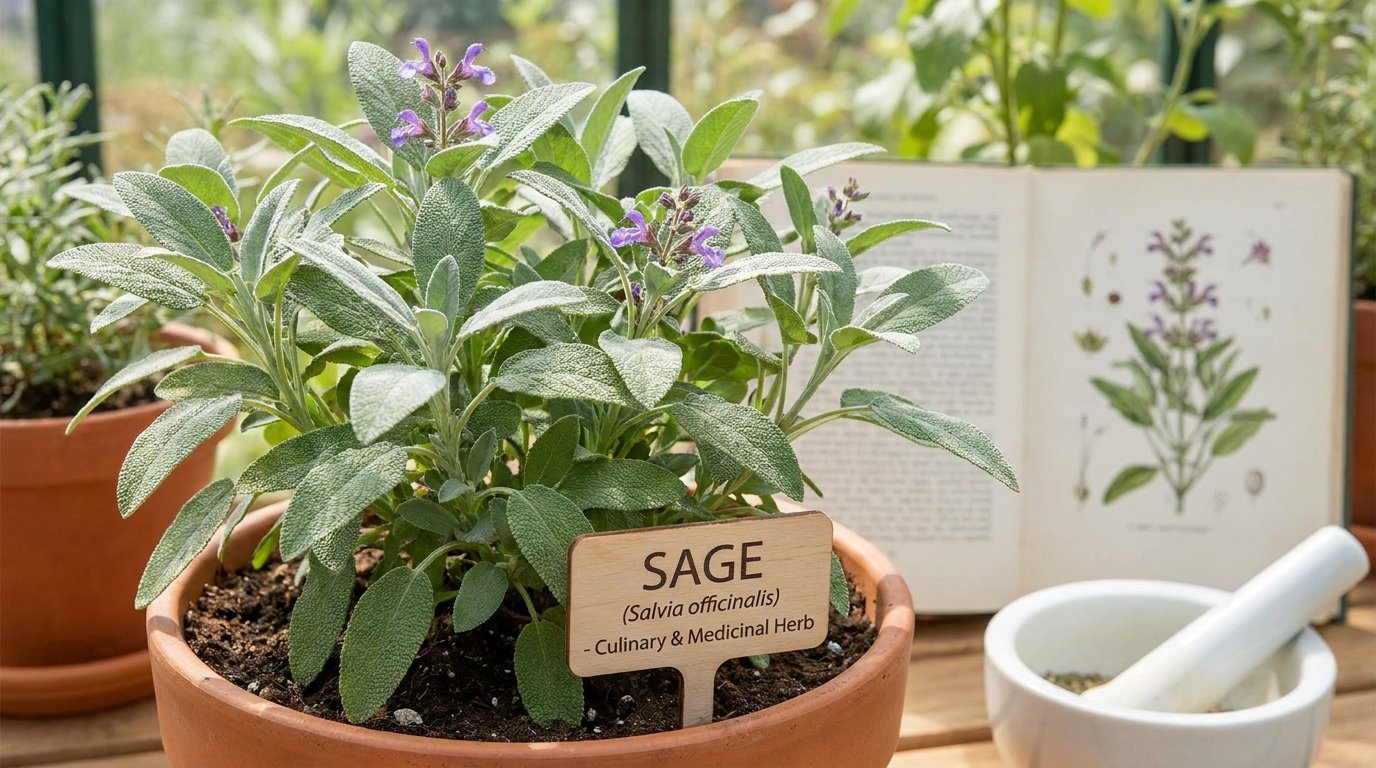
Common sage (Salvia officinalis) is a perennial herb belonging to the mint family, Lamiaceae. It is recognized by its soft, slightly textured gray-green leaves and distinctive earthy aroma.
Sage is native to the Mediterranean region, where it naturally grows in sunny locations with relatively dry conditions. This background explains why it prefers bright sunlight, moderate watering, and soil that drains quickly.
Gardeners commonly grow sage for:
- Cooking: Fresh or dried leaves add flavor to meat, vegetables, soups, and sauces.
- Ornamental gardening: Its attractive foliage adds texture to herb gardens and borders.
- Pollinator gardens: Its flowers can attract bees and other beneficial pollinators.
- Container gardening: Compact varieties can grow successfully in suitable pots.
Common sage is different from ornamental salvias, pineapple sage, and clary sage. Their growing requirements can vary, so this guide focuses mainly on culinary common sage.
Best Growing Conditions for Sage
Sage does not require complicated care, but choosing the right growing environment is essential for long-term health.
1. Sunlight Requirements
Sage needs plenty of sunlight to develop strong stems, compact growth, and aromatic leaves.
Aim for:
- 6–8 hours of direct sunlight daily.
- A sunny garden bed or south-facing growing area.
- Good air circulation around the foliage.
- Protection from intense afternoon heat in extremely hot climates.
When sage receives insufficient light, it may develop long, weak stems and fewer leaves. The foliage can also become less dense.
Practical tip: If growing sage indoors, place it near your brightest window. Rotate the pot occasionally so all sides receive balanced light.
2. Ideal Soil for Sage
Soil drainage is one of the most important parts of sage plant care.
Sage prefers light, moderately fertile soil that allows excess water to escape quickly. Heavy clay soil can retain too much moisture around the roots, increasing the risk of root rot.
An appropriate growing medium should include:
- Well-draining garden soil.
- Coarse sand or horticultural grit.
- Some compost for moderate nutrient availability.
A slightly acidic to mildly alkaline soil pH of approximately 6.0–7.5 is generally suitable.
Avoid adding excessive compost or moisture-retaining materials. Sage does not need constantly rich, damp soil to grow successfully.
3. Temperature and Humidity
Sage grows well in moderate temperatures and generally tolerates dry air better than many common garden herbs.
Its preferred growing conditions include:
| Growing factor | Recommended conditions |
|---|---|
| Temperature | Approximately 60–80°F |
| Sunlight | 6–8 hours daily |
| Humidity | Low to moderate |
| Soil pH | 6.0–7.5 |
| Air circulation | Good ventilation |
Established common sage plants can tolerate some frost, although prolonged freezing conditions may damage growth.
In very hot climates, especially during summer, provide some afternoon shade if the leaves begin showing heat stress.
How Often Should You Water Sage?
Sage is relatively drought-tolerant once established. It prefers slightly dry conditions rather than constantly wet soil.
Watering frequency depends on temperature, soil type, pot size, and rainfall.
A general watering guide:
| Growing condition | Watering guidance |
|---|---|
| Newly planted sage | Water when the upper soil begins drying |
| Established garden sage | Water during prolonged dry periods |
| Potted sage | Water when the upper 1–2 inches of soil dry |
| Hot summer weather | Check soil moisture more frequently |
| Cool or rainy weather | Reduce watering |
Signs of Overwatering
Overwatering is a common problem, especially when sage grows in containers without proper drainage.
Watch for these symptoms:
- Yellowing leaves.
- Soft or blackened stems near the soil.
- Constantly wet growing medium.
- Wilting despite moist soil.
- Unpleasant smells coming from the roots.
If you notice these signs, check the roots and improve drainage. Remove severely damaged roots and repot the plant in fresh, well-draining soil if necessary.
Signs of Underwatering
Sage can tolerate short dry periods, but prolonged drought may cause:
- Drooping leaves.
- Dry, crispy foliage.
- Slower growth.
- Premature leaf drop.
Water thoroughly when the soil becomes dry, allowing excess water to drain away.
Expert tip: Do not follow a rigid daily watering schedule. Check the soil first. Sage responds better to watering based on actual moisture conditions.
How to Plant Sage Successfully
Growing sage from nursery plants, seeds, or cuttings is relatively straightforward.
Step 1: Choose the Right Location
Select a location that receives plenty of direct sunlight and has good air circulation.
Avoid low garden areas where rainwater collects.
Step 2: Prepare the Soil
Loosen the soil and mix in a small amount of compost if needed. Improve heavy soil with horticultural grit or coarse sand.
For containers, choose a potting mix that drains freely.
Step 3: Plant at the Correct Depth
Dig a hole slightly larger than the root ball. Place the sage plant at the same depth it was growing in its original container.
Cover the roots with soil and gently firm the surrounding area.
Step 4: Water After Planting
Water thoroughly to settle the soil around the roots.
Allow excess water to drain before watering again.
Step 5: Give the Plant Space
Allow approximately 18–24 inches between plants, depending on the variety.
Good spacing improves airflow and helps reduce fungal problems.
Growing Sage in Pots and Containers
Sage is an excellent choice for container gardening, especially when outdoor garden space is limited.
However, container-grown sage needs suitable drainage and enough room for its roots.
Choose the right pot:
- Use a container at least 10–12 inches wide for a young plant.
- Select a pot with drainage holes.
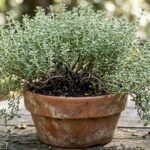
- Terracotta pots are useful because they allow moisture to evaporate through their sides.
- Choose a larger container as the plant grows.
Best potting mix: Use a well-draining potting mix with added perlite, pumice, or horticultural grit.
Avoid placing a container in a saucer filled with standing water.
Can Sage Grow Indoors?
Yes, sage can grow indoors if it receives enough sunlight.
Place it near a bright window where it can receive several hours of direct sunlight. A grow light may help when natural light is insufficient.
Indoor sage also needs good ventilation. Avoid keeping it in a humid bathroom or an area with poor airflow.
One common indoor gardening mistake is placing sage in a decorative container without drainage holes. This can trap water around the roots and eventually damage the plant.
Fertilizing Sage for Healthy Growth
Sage is not a heavy feeder. Too much fertilizer can encourage excessive soft growth at the expense of its natural compact shape and aromatic foliage.
For healthy growth:
- Add a small amount of compost when planting.
- Use a balanced, mild fertilizer only when growth appears weak or the soil is nutrient-poor.
- Avoid frequent high-nitrogen feeding.
- Do not fertilize heavily during winter dormancy.
Established plants growing in reasonably fertile soil often need very little additional fertilizer.
Expert tip: If your sage has healthy green foliage and steady growth, additional fertilizer is usually unnecessary.
How to Prune Sage for Bushier Growth
Pruning helps maintain an attractive shape, encourages branching, and prevents sage from becoming excessively woody.
When Should You Prune Sage?
The best time for major pruning is generally spring, when new growth begins.
You can also lightly trim the plant during the growing season to harvest fresh leaves and maintain its shape.
How to Prune Sage
- Remove dead, damaged, or diseased stems.
- Trim lightly above healthy leaf growth.
- Remove overly long shoots to encourage branching.
- Avoid cutting deeply into old, leafless woody stems.
- Clean your pruning tools before and after use.
Important: Sage does not always produce new growth from old, bare wood. Avoid cutting the entire plant back to the woody base because some stems may fail to recover.
How to Harvest Sage Leaves
One of the most rewarding parts of growing sage is harvesting fresh leaves for cooking.
You can begin taking small harvests once the plant is established and has plenty of healthy foliage.
Follow these tips:
- Harvest in the morning after the dew has dried.
- Choose healthy, undamaged leaves.
- Cut small sections of leafy stems rather than stripping the entire plant.
- Leave enough foliage for continued growth.
- Avoid heavy harvesting before winter.
Fresh sage leaves can be used in stuffing, roasted vegetables, soups, and meat dishes.
How to Dry and Store Sage
To preserve sage for later use:
- Harvest healthy stems.
- Gently rinse them if necessary and dry thoroughly.
- Tie small bundles together.
- Hang them upside down in a dry, dark, well-ventilated location.
- Once completely dry, remove the leaves.
- Store in an airtight container away from sunlight and moisture.
Properly dried sage can retain much of its characteristic aroma for several months.
Common Sage Plant Problems and How to Fix Them
Even though sage is relatively easy to grow, environmental problems can affect its appearance and development.
| Problem | Possible cause | Solution |
|---|---|---|
| Yellow leaves | Overwatering or poor drainage | Reduce watering and improve drainage |
| Brown leaf tips | Dry soil or environmental stress | Check moisture and temperature |
| Leggy growth | Insufficient sunlight | Move to a sunnier location |
| Wilting leaves | Drought or damaged roots | Check soil before watering |
| Woody stems | Natural aging or lack of pruning | Prune lightly during spring |
| Powdery mildew | Poor airflow and excessive humidity | Improve ventilation and remove affected foliage |
| Root rot | Waterlogged soil | Remove damaged roots and repot |
Why Is My Sage Plant Turning Yellow?
Yellow leaves are frequently associated with excessive soil moisture.
When roots remain wet for too long, they struggle to absorb oxygen. This can interfere with nutrient uptake and eventually cause root damage.
Check the drainage holes and inspect the roots if yellowing continues.
Why Is My Sage Plant Dying?
A dying sage plant may have root rot, severe environmental stress, or extensive woody growth.
Check the base of the plant first. If the roots are firm and healthy, improving sunlight, watering, and airflow may help.
If the roots are black, soft, and unpleasant-smelling, root rot may be responsible.
Common Pests That Affect Sage Plants
Sage is not completely pest-resistant. Certain insects can occasionally damage its leaves and stems.
Common pests include:
- Aphids: Small insects that gather on new growth and suck plant sap.
- Spider mites: Tiny pests that can cause pale speckling and fine webbing.
- Whiteflies: Small flying insects that feed on leaf undersides.
- Slugs and snails: These can chew holes in young foliage.
Inspect the undersides of leaves regularly.
For minor infestations, remove affected growth and wash pests away with a gentle stream of water. If necessary, use an appropriate insecticidal soap according to its label, taking care to follow food-crop harvest instructions.
Avoid spraying flowering plants when pollinators are actively visiting them.
Seasonal Sage Plant Care
Sage care changes slightly throughout the year. Adjusting your routine according to the season helps maintain healthy growth.
| Season | Care requirements |
|---|---|
| Spring | Prune damaged stems, refresh soil if needed, and encourage new growth |
| Summer | Harvest leaves, monitor soil moisture, and provide adequate sunlight |
| Autumn | Reduce harvesting and remove damaged foliage |
| Winter | Reduce watering and protect plants from prolonged freezing conditions |
In warm climates, sage may continue growing through much of the year. During extremely hot summers, monitor the soil more frequently, especially in containers.
In colder regions, a layer of mulch around the root zone can help protect established plants. Keep mulch away from the crown to avoid trapping moisture.
How to Propagate Sage
You can grow additional sage plants using stem cuttings or seeds.
Propagating Sage from Cuttings
Stem cuttings are generally a reliable way to reproduce a plant with the same characteristics as the parent.
- Select a healthy, non-flowering stem.
- Cut a section approximately 4–6 inches long.
- Remove the lower leaves.
- Place the cutting in a moist, well-draining propagation medium.
- Keep it in bright, indirect light.
- Maintain light moisture without soaking the medium.
Once roots develop and new growth appears, gradually introduce the young plant to stronger sunlight.
Growing Sage from Seeds
Sage can also be grown from seeds, although germination may be slow or inconsistent.
- Sow seeds in a suitable seed-starting mix.
- Cover them lightly with the growing medium.
- Keep the soil lightly moist.
- Provide warmth and bright light.
- Transplant seedlings after they develop several sets of true leaves.
Seed-grown plants may differ slightly from the parent plant.
Best Sage Varieties to Grow
There are several types of sage worth considering, depending on whether you want culinary leaves, ornamental flowers, or attractive foliage.
| Sage variety | Main features |
|---|---|
| Common sage | Traditional culinary herb with gray-green leaves |
| Purple sage | Attractive purple-tinted foliage |
| Golden sage | Green leaves with golden markings |
| Tricolor sage | Decorative green, cream, and purple foliage |
Common sage is usually the best starting point for gardeners interested primarily in cooking.
Ornamental varieties can add attractive colors to containers and herb gardens, although flavor and culinary suitability may vary.
Benefits of Growing Sage at Home
Growing sage provides several practical benefits beyond its attractive appearance.
- Fresh culinary herbs: Harvest leaves whenever you need them for cooking.
- Garden decoration: Its textured foliage adds visual interest.
- Pollinator support: Flowers can provide a nectar source for visiting pollinators.
- Container-friendly growth: Sage can grow in patios, balconies, and small gardens.
- Long-term gardening value: Established perennial plants can provide harvests over multiple growing seasons in suitable climates.
Sage is also traditionally used in herbal preparations, but traditional uses should not be confused with proven medical benefits. Do not consume concentrated sage essential oil or use medicinal preparations without appropriate professional guidance.
Frequently Asked Questions About Sage Plant Care
1. Does sage need full sun?
Yes. Common sage grows best with approximately 6–8 hours of direct sunlight daily. Adequate sunlight encourages compact growth and aromatic foliage.
2. How often should I water sage?
Water when the upper soil begins to dry. Established outdoor plants generally need less frequent watering than young plants or container-grown sage.
3. Can sage grow in pots?
Yes. Sage grows successfully in containers with drainage holes and well-draining soil. Choose a pot large enough to support its developing roots.
4. Why is my sage plant turning brown?
Brown leaves may result from underwatering, excessive heat, root damage, or fungal problems. Check the soil moisture and inspect the stems before deciding how to treat the plant.
5. Should I cut back sage in winter?
Avoid heavy pruning in winter, especially in cold climates. Remove dead or damaged growth and save major pruning for spring.
6. Does sage come back every year?
Common sage is a perennial herb and can return every year in suitable growing conditions. Its lifespan depends on climate, drainage, and general plant health.
7. Can sage grow indoors all year?
Yes, but it needs strong natural light or supplemental grow lighting, good airflow, and careful watering. Indoor plants may grow more slowly than outdoor plants.
8. Why is my sage plant getting woody?
Woody stems are a natural part of aging in mature sage plants. Regular light pruning helps maintain leafy growth, but old bare wood may not produce new shoots.
9. Can sage survive hot weather?
Established sage can tolerate warm conditions, but extreme heat may stress the plant. Maintain good drainage, monitor soil moisture, and provide some afternoon shade during severe heat.
10. When is the best time to harvest sage?
Harvest lightly once the plant is established and has sufficient foliage. Morning, after the dew dries, is a convenient time to collect aromatic leaves.
Conclusion
Successful sage plant care comes down to a few important habits: provide plenty of sunlight, use well-draining soil, avoid overwatering, and prune carefully to maintain healthy growth. Sage does not require frequent fertilizing or complicated maintenance, making it a practical choice for beginners and experienced gardeners alike.
Start with a sunny location and a suitable container or garden bed. Pay attention to soil moisture rather than watering on a fixed schedule, and harvest leaves without removing too much foliage. With consistent care, your sage plant can remain an attractive and productive addition to your herb garden for years.