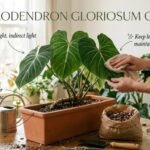
Philodendron gloriosum is a striking tropical plant known for its large, heart-shaped leaves, velvety texture, and contrasting pale veins.
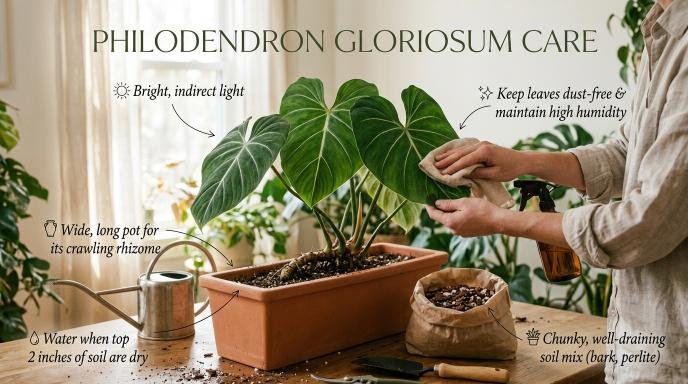
Although it looks like a high-maintenance tropical specimen, successful philodendron gloriosum care comes down to a few essentials: bright indirect light, an airy growing medium, careful watering, and enough horizontal space for its creeping rhizome.
The biggest challenge is often preventing root rot while maintaining consistent moisture. Understanding how this plant grows naturally will help you encourage larger leaves, avoid common problems, and keep your plant healthy indoors.
Quick Answer
Philodendron gloriosum grows best in bright, indirect light, temperatures between 65–85°F (18–29°C), and moderate to high humidity. Use a chunky, well-draining potting mix and water when the upper layer begins to dry. Plant its creeping rhizome horizontally, and provide a pot wide enough for new growth.
Understanding Philodendron Gloriosum


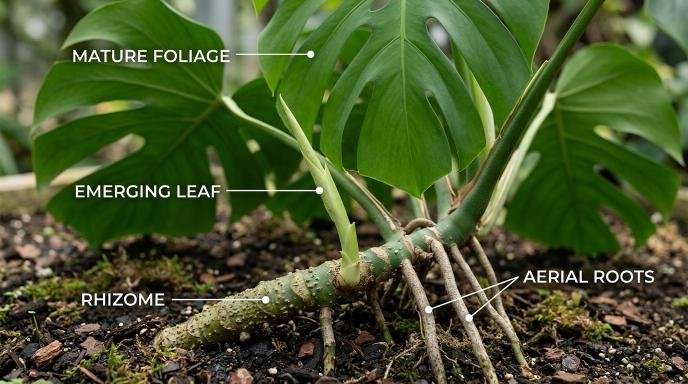
Philodendron gloriosum is a terrestrial, creeping aroid native to tropical regions of Colombia and other parts of northern South America. Unlike climbing philodendrons, it spreads horizontally along the soil surface rather than attaching itself to a moss pole.
Its main attractions include:
- Velvety leaves: Broad, heart-shaped foliage with a soft, luxurious texture.
- Prominent veins: Pale green, cream, or whitish veins create dramatic contrast against deep green leaves.
- Creeping growth: A horizontal rhizome produces roots and new leaves as the plant expands.
- Slow to moderate growth: New leaves may take time to unfurl, especially during cooler months or when light is limited.
Understanding its creeping growth habit is especially important. Burying the rhizome deeply or placing the plant in a narrow, unsuitable pot can interfere with healthy development.
Best Growing Conditions for Philodendron Gloriosum
The right environment helps prevent yellowing leaves, weak growth, and root problems.
| Growing factor | Ideal conditions |
|---|---|
| Light | Bright, indirect light |
| Temperature | 65–85°F (18–29°C) |
| Humidity | Ideally 50–70% or higher with good airflow |
| Soil | Airy, chunky, well-draining mix |
| Watering | When the upper 1–2 inches of the mix begin to dry |
| Soil pH | Slightly acidic to neutral, approximately 5.5–7 |
| Growth habit | Creeping and terrestrial |
| Fertilizer | Balanced, diluted fertilizer during active growth |
These are practical starting points rather than rigid rules. Pot size, room temperature, humidity, and growing-medium composition all influence how quickly the plant uses water.
Light Requirements

Add to Favorites
Philodendron gloriosum prefers bright, indirect light that supports steady growth without scorching its delicate foliage.
Place it near an east-facing window or a few feet from a bright south- or west-facing window, depending on the intensity of the sunlight. A sheer curtain can help filter harsh rays.
Signs your plant is getting the wrong light
- Too little light: Slow growth, smaller leaves, and longer gaps between new leaves.
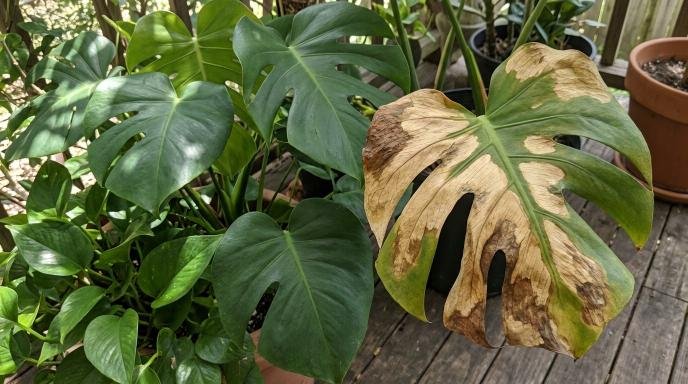
- Too much direct sunlight: Bleached patches, dry brown areas, or scorched leaf edges.
- Suitable lighting: Firm, richly colored leaves and gradual development of new foliage.
If you grow your plant in a darker room, a full-spectrum grow light can help. Start with a moderate distance and adjust according to the manufacturer’s recommendations and the plant’s response.
Practical tip: Before moving the plant into stronger light, increase exposure gradually over one to two weeks. Sudden changes can stress leaves that developed under lower-light conditions.
Watering Philodendron Gloriosum Correctly
Watering is one of the most important parts of philodendron gloriosum care. The roots need moisture, but they also need oxygen. Permanently wet soil limits oxygen availability and increases the risk of root rot.
When should you water?
Check the growing medium rather than following a strict weekly schedule.
- Feel the top 1–2 inches of the potting mix.
- If this layer has begun to dry, check deeper to determine whether the root zone remains excessively wet.
- Water thoroughly when the mix is approaching the appropriate drying point.
- Let excess water drain completely, and empty any standing water from the saucer.
The goal is to keep the roots lightly moist without leaving them waterlogged.
How often should you water?
Watering frequency depends on the season and growing conditions.
| Conditions | Expected watering pattern |
|---|---|
| Warm, bright growing conditions | Usually more frequent |
| Cool winter conditions | Usually less frequent |
| Small pot with an airy mix | May dry relatively quickly |
| Large pot with dense soil | May remain wet too long |
| High humidity and low airflow | Soil may dry more slowly |
These patterns are general guidance, not a calendar. Always check the soil before watering.
Common watering mistakes
Watering too often: Yellowing leaves, persistently wet soil, and soft roots may indicate overwatering.
Letting the entire root ball become bone-dry: Prolonged dryness can cause drooping, crispy edges, and slower growth.
Using a pot without drainage: Excess water accumulates around the roots, increasing the likelihood of root damage.
Expert tip: If the soil stays wet for many days and the plant begins to decline, investigate the potting mix, drainage, and roots instead of simply reducing the amount of water each time.
Choosing the Best Soil Mix

Philodendron gloriosum needs a growing medium that holds some moisture while allowing excess water and air to move through the root zone.
Dense garden soil and compacted potting compost are generally poor choices for indoor containers because they can remain saturated around the roots.
A practical DIY soil recipe
Mix the following ingredients by volume:
- 2 parts quality indoor potting mix or buffered coco coir.
- 1 part orchid bark.
- 1 part perlite or pumice.
- 1 part additional coarse, moisture-retentive material, such as suitable coco chips, if needed.
Adjust the proportions according to your indoor humidity, watering habits, and how quickly the mixture dries. In humid conditions, you may need a chunkier mix; in a very dry room, a little more moisture retention can be useful.
Avoid making the mix so coarse that it dries out immediately or so dense that water remains trapped around the roots.
How to tell if the mix needs replacing
Consider repotting if you notice:
- Water sitting on the surface for an unusually long time.
- Soil remaining soggy well after watering.
- A sour smell from the root zone.
- Roots becoming brown, soft, or mushy.
- A compacted mix that no longer drains properly.
Healthy roots are generally firm rather than mushy. Do not repot solely because a few roots are visible through the drainage holes.
Temperature and Humidity
Philodendron gloriosum prefers warm, stable conditions similar to those found in tropical understories.
A temperature range of 65–85°F (18–29°C) is a useful target for indoor growing. Protect the plant from cold drafts, air-conditioning vents, and sudden temperature fluctuations.
What humidity does the plant need?
Humidity around 50–70% is a reasonable target. Higher humidity can support leaf development, particularly when new leaves are unfurling, but good airflow remains important.
When the air is excessively dry, you may notice brown edges, slower leaf expansion, or leaves that become damaged while unfurling. These symptoms can also result from inconsistent watering, root problems, or fertilizer buildup.
How to improve indoor humidity
- Use a room humidifier when the air is consistently dry.
- Group tropical plants together while allowing enough airflow between them.
- Keep the plant away from heating vents and direct drafts.
- Monitor humidity with a small digital hygrometer.
Misting provides only a temporary increase in surface moisture and is not a dependable way to maintain room humidity.
Practical tip: If a new leaf repeatedly sticks while unfurling, inspect humidity and watering consistency first. Avoid forcibly pulling the leaf open, because the tender tissue can tear.
Fertilizing for Larger, Healthier Leaves
Regular, moderate feeding supports leaf development and healthy roots during the active growing season.
Use a balanced liquid houseplant fertilizer diluted according to the product label. If your plant is growing steadily in spring and summer, feeding approximately every four weeks is a reasonable starting point.
Reduce or stop fertilizing when growth slows significantly in winter, particularly if the plant receives less light.
Fertilizing mistakes to avoid
- Applying concentrated fertilizer to dry roots.
- Feeding too frequently when the plant is not actively growing.
- Assuming fertilizer will compensate for insufficient light.
- Continuing to fertilize a plant with damaged roots.
- Allowing mineral salts to accumulate in the growing medium.
If the leaf tips turn brown or a pale crust appears on the soil, fertilizer or water-salt buildup may be contributing. Flush the medium thoroughly with suitable water if drainage is good, and reduce feeding until the plant recovers.
Important: Fertilizer can support healthy growth, but it cannot guarantee exceptionally large leaves. Genetics, maturity, light, root health, and growing conditions also matter.
Choosing the Right Pot and Supporting Creeping Growth
Philodendron gloriosum grows along the soil surface, so the shape of its container matters.
A wide pot with adequate drainage often works better than a tall, narrow container. Choose a pot that provides room for the rhizome to extend while keeping the existing root system comfortably supported.
Should the rhizome be buried?
No. The rhizome should rest at or just above the surface of the growing medium, with roots covered and able to contact the mix. Avoid burying the main growing stem deeply.
Deep planting can keep the rhizome too wet and increase the risk of rot.
When should you repot?
Repot when the plant has outgrown its container, the growing medium has deteriorated, or root problems require attention. Spring and early summer are often convenient times because active growth can help the plant recover.
Choose a container only modestly larger than the current root system. An excessively large pot may hold moisture longer than the roots can use.
Pruning and Routine Maintenance
Philodendron gloriosum does not usually need extensive pruning. Regular inspection and careful removal of damaged foliage are often enough.
How to prune safely
- Use clean, sharp scissors or pruning shears.
- Remove fully yellow, dead, or badly damaged leaves near the base of their stems.
- Avoid cutting the healthy rhizome or emerging growth points.
- Inspect the plant for pests whenever you remove a leaf.
A healthy leaf can sometimes develop a small brown area without needing immediate removal. If most of the leaf remains green and functional, leaving it attached allows the plant to continue using it.
Wipe dust from the leaves with a soft, damp cloth when needed. Handle the velvety surface gently to avoid damaging the texture.
Safety note: Philodendron gloriosum contains insoluble calcium oxalate crystals and is toxic if chewed or ingested. Keep it away from children and pets that may nibble plants, and wear gloves if the sap irritates your skin.
How to Propagate Philodendron Gloriosum

The most reliable way to propagate Philodendron gloriosum is through a rhizome division or cutting that contains a viable growth point.
Unlike many climbing philodendrons, this species does not produce its new growth along a long upright vine. Its creeping rhizome is the important part to preserve.
Step-by-step propagation
- Choose a healthy section. Look for a firm rhizome section with at least one viable node or growth point.
- Prepare clean tools. Disinfect a sharp blade before making the cut.
- Make the cut carefully. Separate the selected section without crushing the tissue.
- Allow the cut to dry briefly if appropriate. A short drying period can help the wound surface, but do not leave the cutting to dehydrate.
- Place it in a suitable medium. Use a lightly moist, airy propagation mix with the growth point positioned correctly.
- Maintain warmth and humidity. Provide bright indirect light and ventilation.
- Monitor for roots and new growth. Avoid repeatedly disturbing the cutting to check its progress.
Propagation can take several weeks or longer, depending on the cutting’s condition, warmth, and growing environment.
A section without a viable node or growth point may produce roots but fail to develop a new shoot. A healthy leaf alone is generally not sufficient to create a new plant.
Common Philodendron Gloriosum Problems and Solutions
Plant symptoms often have several possible causes. Check the soil, roots, lighting, and recent care changes before assuming that one symptom identifies a specific problem.
| Problem | Possible causes | What to do |
|---|---|---|
| Yellow leaves | Overwatering, poor drainage, natural aging | Check soil moisture and roots; remove only fully dead leaves |
| Brown leaf edges | Low humidity, inconsistent watering, salt buildup | Review watering, humidity, and fertilizer use |
| Small new leaves | Insufficient light, immature plant, restricted roots | Improve indirect light and assess root health |
| Drooping foliage | Dry soil, root damage, temperature stress | Check moisture and inspect roots if the problem persists |
| Soft, dark rhizome | Rot associated with excess moisture | Remove affected tissue with sterile tools and reassess the mix |
| Slow growth | Seasonal dormancy, low light, cool conditions | Improve warmth and lighting; avoid excessive fertilizer |
| Damaged unfurling leaves | Dry air, inconsistent moisture, physical injury | Stabilize care and avoid forcing the leaf open |
| Silvery or stippled foliage | Possible thrips or spider mites | Inspect leaf undersides and treat identified pests appropriately |
Why are the leaves turning yellow?
Yellowing does not automatically mean the plant needs more water. If the potting mix is wet, adding water can make the problem worse.
Check whether the pot drains freely and whether the soil remains saturated. If the roots are brown and mushy, root rot may be involved.
An occasional older leaf turning yellow while the rest of the plant remains healthy may simply be natural leaf aging.
Why is my Philodendron Gloriosum not growing?
Growth may slow during winter, after repotting, or when light levels are inadequate.
Start by checking the following:
- Is the plant receiving enough indirect light?
- Is the temperature consistently warm?
- Does the growing medium dry appropriately between waterings?
- Is the rhizome positioned at the surface?
- Are the roots firm and healthy?
Correct the underlying issue before increasing fertilizer. Extra nutrients will not fix poor lighting or damaged roots.
What should I do if the rhizome starts rotting?
Remove the plant from its pot and inspect the affected area. If rot is present, use a sterile blade to remove the soft, discolored tissue until only healthy tissue remains. Preserve viable growth points whenever possible.
Repot the remaining healthy section in a clean container with fresh, airy medium. Keep it lightly moist rather than saturated, and monitor for further deterioration.
If the entire rhizome has become soft and no healthy growth points remain, successful recovery may not be possible.
Philodendron Gloriosum Seasonal Care
Care needs change throughout the year because temperature, light, and growth rates change.
| Season | Recommended care |
|---|---|
| Spring | Resume regular feeding as active growth begins; repot if needed |
| Summer | Monitor soil moisture more frequently as warmth increases water use |
| Autumn | Reduce fertilizer as growth slows and daylight decreases |
| Winter | Water less frequently when drying slows; protect from cold drafts |
Do not reduce watering automatically just because the calendar says winter. A warm room with strong grow lighting may support active growth year-round, while a cool, dim room may require much less frequent watering.
Practical tip: Track when you water and how long the pot takes to approach its usual drying point. This helps you identify seasonal changes without relying on a fixed schedule.
Philodendron Gloriosum vs. Philodendron Melanochrysum


These two philodendrons are sometimes confused because both have velvety foliage. Their growth habits, however, are distinctly different.
| Feature | Philodendron gloriosum | Philodendron melanochrysum |
|---|---|---|
| Growth habit | Creeping and terrestrial | Climbing |
| Leaf shape | Broad, heart-shaped | More elongated and tapered |
| Growing support | Wide pot with horizontal space | Moss pole or suitable climbing support |
| Rhizome | Creeps along the soil surface | Not grown as a surface-creeping rhizome |
| Main care consideration | Correct rhizome placement and drainage | Climbing support and root attachment |
Both appreciate bright indirect light, warmth, an airy growing medium, and careful watering.
If you want a plant that spreads across a wide pot, gloriosum is the more suitable choice. If you prefer a vertical plant with elongated, velvety leaves, melanochrysum may be a better fit.
Frequently Asked Questions
Is Philodendron gloriosum easy to care for?
It is manageable for beginners who can provide indirect light, warm temperatures, and well-draining soil. The main challenges are avoiding overwatering and keeping the creeping rhizome correctly positioned.
How fast does Philodendron gloriosum grow?
Growth is usually slow to moderate indoors. Warm conditions, sufficient light, healthy roots, and appropriate nutrition support development, but leaf size and growth rate vary with maturity and individual plants.
How often should I water Philodendron gloriosum?
Water when the upper 1–2 inches of growing medium begin to dry and the deeper root zone is no longer excessively wet. The exact interval depends on pot size, soil composition, temperature, and humidity.
Does Philodendron gloriosum need a moss pole?
No. It is a creeping philodendron, not a climbing one. A wide container that allows its rhizome to spread horizontally is generally more useful than a moss pole.
Can Philodendron gloriosum grow in low light?
It may survive in lower light, but growth can become slower and new leaves may remain smaller. Bright indirect light is preferable for maintaining healthy foliage and encouraging consistent growth.
Why are my Philodendron gloriosum leaves curling?
Curling can result from underwatering, root damage, excessive heat, pests, or stress while a leaf unfurls. Check soil moisture and leaf undersides before deciding on a treatment.
Should I mist Philodendron gloriosum?
Misting is not necessary and does not reliably increase room humidity. A humidifier is a more consistent option if your indoor air is very dry.
Is Philodendron gloriosum toxic to cats and dogs?
Yes. Its insoluble calcium oxalate crystals can irritate the mouth and digestive tract if chewed or swallowed. Keep the plant out of reach and contact a veterinarian promptly if a pet ingests it or develops symptoms.
Can Philodendron gloriosum grow outdoors?
It can grow outdoors in suitable tropical or subtropical conditions with warmth, filtered light, and well-draining soil. Protect it from harsh direct sun, heavy waterlogging, and cold temperatures. In colder climates, growing it indoors is generally safer.
How do I encourage bigger leaves?
Provide consistent bright indirect light, a healthy root system, warm temperatures, suitable humidity, and balanced nutrition. Avoid frequent repotting and excessive fertilizer. Mature plants may produce larger leaves over time, but large foliage cannot be guaranteed by any single technique.
Related Plant Care Topics
For readers building a collection of tropical foliage plants, these related guides can provide useful comparisons and complementary care advice:
- Monstera plant care
- Philodendron plant care
- Heartleaf philodendron care
- Philodendron micans care
- Anthurium plant care
- Monstera deliciosa care
- Indoor plant care
Conclusion
Successful philodendron gloriosum care depends on understanding how this creeping tropical plant grows. Give it bright indirect light, warm conditions, an airy potting mix, and watering that responds to actual soil moisture rather than a rigid schedule.
Keep the rhizome at the soil surface, choose a pot with room for horizontal growth, and inspect the roots whenever the plant shows persistent signs of stress. With these fundamentals in place, Philodendron gloriosum can gradually develop the broad, velvety leaves and striking veins that make it such a desirable houseplant.