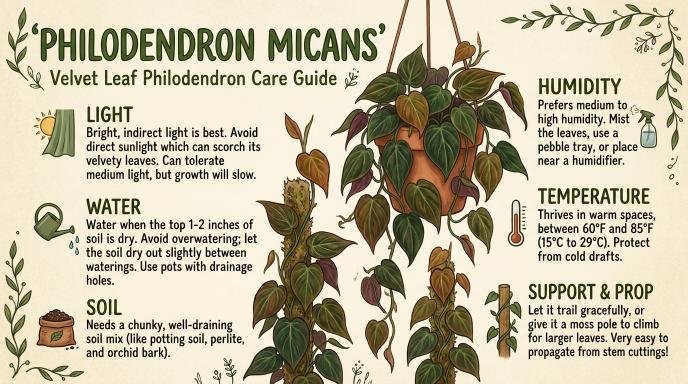
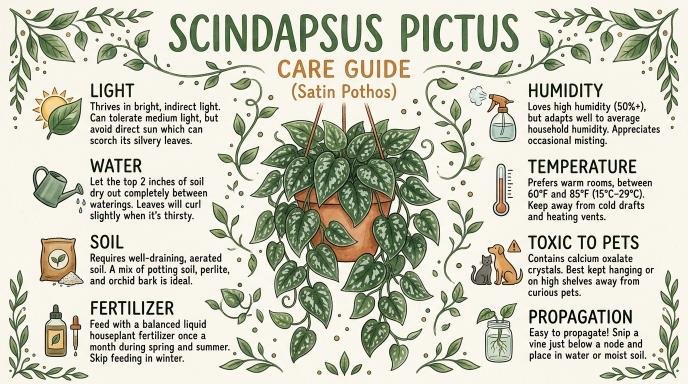
Scindapsus pictus is loved for its heart-shaped green leaves covered with attractive silver markings, but keeping those markings vibrant requires more than simply placing the plant near a window.
The right balance of bright indirect light, careful watering, airy soil, humidity, and occasional feeding makes a major difference. This guide explains scindapsus pictus care from basic requirements to troubleshooting common problems.
Quick Answer
Scindapsus pictus care requires bright, indirect light, well-draining soil, moderate watering, warm temperatures, and moderate to high humidity. Allow the upper layer of soil to dry before watering again. Avoid harsh direct sunlight and constantly wet soil, which can cause leaf damage and root problems.
What Is Scindapsus Pictus?
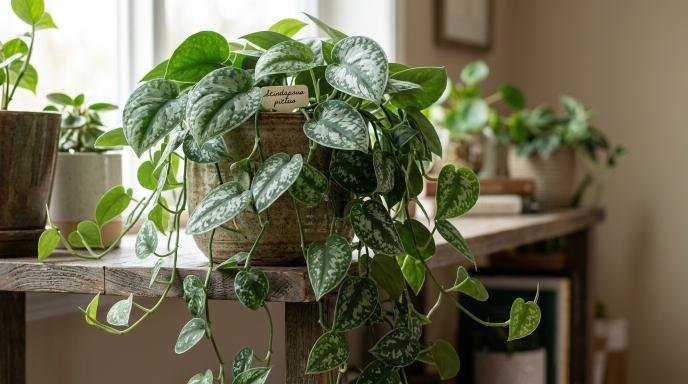
Scindapsus pictus is a tropical climbing or trailing plant commonly grown indoors for its distinctive foliage. Its leaves are typically deep green with silvery spots, splashes, or patches that give it a metallic appearance.
It is often called satin pothos, although it is botanically different from true pothos. This distinction matters because plant-care advice written specifically for pothos does not always translate perfectly to Scindapsus pictus.
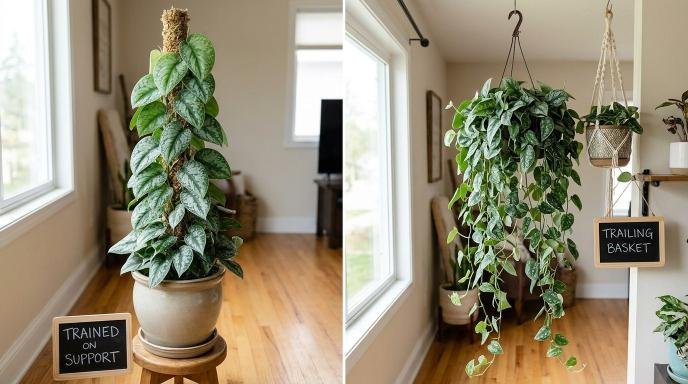
The plant naturally grows as a climbing vine, so it can be trained up a moss pole or allowed to trail from a hanging container.
Key characteristics
| Feature | Scindapsus Pictus |
|---|---|
| Growth habit | Trailing or climbing vine |
| Leaf appearance | Green with silver markings |
| Light | Bright, indirect light |
| Watering | Moderate |
| Soil | Loose and well-draining |
| Humidity | Moderate to high |
| Temperature | Warm indoor conditions |
| Growth speed | Moderate |
| Best use | Hanging baskets, shelves, climbing supports |
How Much Light Does Scindapsus Pictus Need?
Bright, indirect light is usually the best choice for Scindapsus pictus.
Good placement includes:
- Near a bright east-facing window.
- A short distance from a sunny south- or west-facing window.
- In a bright room where sunlight does not strike the leaves intensely for long periods.
- Behind a sheer curtain that softens strong sunlight.
Light affects more than growth. It also influences how attractive the silver markings appear and how compact the plant remains.
Too little light
A plant receiving insufficient light may develop:
- Longer gaps between leaves.
- Slower growth.
- Smaller new leaves.
- Less vigorous trailing.
- Less attractive foliage.
Move it gradually toward a brighter location rather than suddenly exposing a low-light plant to intense sunlight.
Too much direct sunlight
Strong direct afternoon sun can cause:
- Brown or bleached patches.
- Scorched leaf surfaces.
- Curling or crispy edges.
- Rapid moisture loss.
A useful rule is simple: bright is good; harsh and prolonged direct sun is not.
How Often Should You Water Scindapsus Pictus?
There is no reliable watering schedule that works for every Scindapsus pictus. Instead, check the soil.
Water when the upper portion of the potting mix has dried rather than watering automatically on a particular day.
When watering:
- Check the soil with your finger.
- If the upper layer has dried and the deeper mix is beginning to dry, water thoroughly.
- Pour water slowly around the soil.
- Allow excess water to drain from the bottom.
- Empty water sitting in a decorative cachepot or saucer.
The biggest mistake is treating a tropical plant as if it needs permanently wet soil.
Signs of underwatering
A thirsty Scindapsus pictus may develop:
- Drooping leaves.
- Curling foliage.
- Dry or crispy edges.
- Very dry potting mix.
- Slower growth.
Signs of overwatering
Too much moisture can lead to:
- Yellowing leaves.
- Soft or weak stems.
- Persistent wet soil.
- Leaf drop.
- Root deterioration.
Expert Tip: Check the soil before watering instead of relying on a calendar. Indoor temperature, pot size, soil composition, season, and light exposure can all dramatically change how quickly the plant dries.
Best Soil for Scindapsus Pictus
Scindapsus pictus prefers a loose, oxygen-rich growing medium that drains efficiently.
A practical mix can contain:
- Quality indoor potting soil.
- Perlite or another drainage-improving material.
- Orchid bark or another coarse organic component.
The goal is not simply fast drainage. The soil should retain some moisture while still allowing air to reach the roots.
Why soil structure matters
Dense soil can stay wet for too long. When roots remain in poorly aerated soil, they become more vulnerable to root problems.
On the other hand, a mix that dries extremely quickly may require unusually frequent watering.
A balanced, chunky mix is usually easier to manage indoors.
Choosing the Right Pot
The container should have drainage holes.
Avoid choosing an oversized pot simply because you want the plant to have more room. Excess soil around a small root system can remain wet for longer than expected.
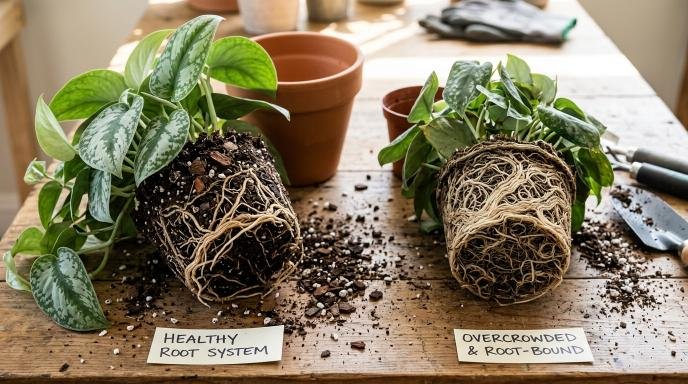
A better approach is to increase pot size gradually when the roots have substantially filled the existing container.
Repotting signs
Consider repotting when:
- Roots are emerging from drainage holes.
- Water runs through the pot unusually quickly.
- Growth has slowed despite suitable light and feeding.
- The existing soil has broken down or become compacted.
- The plant repeatedly becomes root-bound.
Humidity Requirements
Scindapsus pictus generally appreciates moderate to high humidity because it originates from tropical environments.
However, extremely high humidity is not necessary if other growing conditions are good.
Ways to improve humidity include:
- Grouping several plants together.
- Using a humidifier.
- Keeping the plant away from very dry heating or cooling airflow.
- Growing it in a naturally humid room with adequate ventilation.
Avoid relying on frequent misting as the primary humidity solution. Mist evaporates quickly and does not provide the same consistent effect as increasing the surrounding humidity.
Good airflow is also important. A humid environment that remains stagnant can encourage fungal and bacterial problems.
Ideal Temperature for Scindapsus Pictus
Warm indoor temperatures are generally preferred.
Keep the plant away from:
- Cold drafts.
- Very cold windows during winter.
- Air-conditioning vents.
- Direct blasts from heaters.
- Sudden temperature fluctuations.
Consistent conditions are usually better than repeatedly moving the plant between very different environments.
Fertilizing Scindapsus Pictus
Scindapsus pictus benefits from regular feeding during active growth.
A balanced, diluted houseplant fertilizer can be used according to its label directions. Avoid assuming that more fertilizer means faster or healthier growth.
Overfertilizing can contribute to salt accumulation and root stress.
A sensible feeding approach
During active growth:
- Fertilize at an appropriate diluted strength.
- Apply it to already-moist soil rather than severely dry soil.
- Reduce or pause feeding when growth naturally slows.
- Periodically flush the soil with water if fertilizer salts are accumulating.
If the plant is growing slowly because of inadequate light, increasing fertilizer alone will not solve the underlying problem.
How to Encourage Fuller Growth
Scindapsus pictus naturally tends to trail, so a long vine does not necessarily mean something is wrong.
If you want a fuller-looking plant, pruning and propagation can help.
Pruning for a bushier appearance
Use clean, sharp scissors to trim excessively long or sparse vines.
Cut near a node because nodes are important points for new growth and propagation.
Instead of throwing away healthy cuttings, you can use them to produce additional plants and eventually place rooted cuttings back into the original container.
Climbing versus trailing
A climbing support can encourage the plant to grow upward.
A moss pole, trellis, or similar support gives aerial roots and stems something to attach to. With suitable light and care, climbing growth can produce larger and more impressive foliage.
For a hanging basket, allowing vines to trail naturally creates a different but equally attractive appearance.
How to Propagate Scindapsus Pictus
Stem cuttings are a practical way to propagate Scindapsus pictus.
Step-by-step propagation
- Choose a healthy vine with at least one viable node.
- Make a clean cut below the node.
- Remove unnecessary lower leaves.
- Place the node in water or an appropriate propagation medium.
- Keep it warm with bright, indirect light.
- Change water regularly if using water propagation.
- Once roots have developed sufficiently, transfer the cutting into a suitable growing medium.
- Keep the new plant evenly but moderately moist while it establishes.
The key point is that a leaf without a node cannot reliably produce a new vine. The node contains the growth point needed for new development.
Why Are Scindapsus Pictus Leaves Turning Yellow?
Yellow leaves can have several causes, so the surrounding conditions matter.
Common possibilities include:
- Excessive watering.
- Poor drainage.
- Old leaves naturally reaching the end of their lifespan.
- Insufficient light.
- Root stress.
- Environmental changes.
Do not immediately assume that every yellow leaf means the plant needs fertilizer.
What to check first
Ask yourself:
Is the soil staying wet for a long time?
If yes, inspect drainage and watering habits before adding anything else.
Is the plant receiving enough light?
If it is sitting in a very dark location, improving light may help.
Are only one or two of the oldest leaves yellowing?
Occasional aging leaves can be normal.
Why Are the Leaves Turning Brown?
Brown leaves or edges can result from several environmental stresses.
Potential causes include:
- Soil becoming excessively dry.
- Very low humidity.
- Intense direct sunlight.
- Fertilizer salt buildup.
- Root problems.
- Poor-quality water in some growing situations.
Look at the pattern.
Crispy brown edges combined with very dry soil point toward moisture stress, while pale or scorched patches on the side facing a sunny window may indicate excessive direct light.
Why Is My Scindapsus Pictus Losing Its Silver Color?
The attractive silver pattern is one of the plant’s main features, so changes can be noticeable.
Insufficient light is one factor that can affect overall leaf appearance and growth. However, natural variation between leaves and different cultivars also matters.
Do not respond by immediately putting the plant into intense direct sunlight. Increase light gradually and provide bright, indirect conditions.
Why Is My Scindapsus Pictus Not Growing?
Slow growth can be completely normal at certain times of year, but persistent lack of growth deserves investigation.
Check these factors:
Light
Insufficient light is one of the first things to evaluate.
Roots
A damaged or severely stressed root system cannot support strong new growth.
Watering
Repeated cycles of severe drying followed by excessive watering can stress the plant.
Nutrition
A plant growing actively in suitable conditions may benefit from periodic fertilization.
Temperature
Cold conditions can significantly slow tropical plant growth.
Expert Tip: Before changing several things at once, correct the most obvious environmental problem first. This makes it much easier to determine what actually helped.
Common Scindapsus Pictus Care Mistakes
Watering on a fixed schedule
A calendar cannot account for seasonal changes, room temperature, pot size, or sunlight.
Better approach: Check the soil before watering.
Keeping the soil permanently wet
Tropical does not mean aquatic. Roots still need oxygen.
Better approach: Use an airy potting mix and allow appropriate drying between waterings.
Using a pot without drainage
Even excellent soil cannot compensate for a container that traps excess water.
Better approach: Always provide a drainage route.
Putting the plant in deep shade
Scindapsus pictus can tolerate lower light than some plants, but low light can reduce growth quality.
Better approach: Give it bright, indirect light whenever possible.
Fertilizing a stressed plant heavily
More fertilizer is not a substitute for correct light, water, or healthy roots.
Better approach: Fix the growing conditions first.
Ignoring pests
Spider mites, mealybugs, scale, and other common houseplant pests can sometimes affect indoor vines.
Inspect:
- Leaf undersides.
- New growth.
- Stem joints.
- Areas where leaves meet stems.
Early detection makes pest management much easier.
Seasonal Scindapsus Pictus Care
Spring and summer
This is often the period of stronger growth.
Focus on:
- Bright indirect light.
- Consistent watering based on soil moisture.
- Regular but appropriate feeding.
- Pruning and propagation.
- Monitoring pests.
Fall and winter
Growth may slow as light levels decrease.
You may need to:
- Water less frequently.
- Reduce fertilizer.
- Move the plant closer to an appropriate light source.
- Keep it away from cold drafts.
- Monitor soil moisture more carefully.
The important principle is to adjust care according to the plant’s actual growing conditions rather than following the same routine throughout the year.
Scindapsus Pictus Care Troubleshooting Chart
| Problem | Likely Causes | What to Check |
|---|---|---|
| Yellow leaves | Overwatering, poor drainage, aging leaves | Soil moisture and roots |
| Brown crispy edges | Dry soil, low humidity, excess salts | Watering and environment |
| Soft stems | Excess moisture or root problems | Soil and roots |
| Slow growth | Low light, cold conditions, root stress | Light and temperature |
| Small new leaves | Low light or limited support | Light and growing conditions |
| Leaf scorch | Strong direct sunlight | Window exposure |
| Drooping | Underwatering or root stress | Soil moisture |
| Pest damage | Common indoor plant pests | Leaf undersides and stems |
Is Scindapsus Pictus Toxic?
Scindapsus pictus should be kept away from pets and children who may chew or ingest plant material. Like several popular aroid-family houseplants, it contains irritating compounds that can cause problems if eaten.
If ingestion occurs, seek appropriate professional medical or veterinary advice rather than relying on home remedies.
Advanced Tip: Use the Plant’s Growth Habit to Your Advantage
One of the easiest ways to improve a mature Scindapsus pictus is to work with its natural climbing habit.
Instead of constantly trimming long vines, give the plant a support structure. As stems climb, the plant can develop a more intentional vertical form.
For a fuller container, rooted cuttings can also be planted back into the same pot. This creates multiple growing points rather than relying on one long stem.
This approach is especially useful when an older plant has become sparse near the base.
Frequently Asked Questions
How much light does Scindapsus pictus need?
Scindapsus pictus grows best in bright, indirect light. It can tolerate lower light, but growth may become slower and less vigorous. Protect it from prolonged intense direct sunlight.
How often should I water Scindapsus pictus?
Water when the upper portion of the soil has dried and the plant is beginning to need moisture. The exact interval depends on light, temperature, pot size, soil, and season.
Is Scindapsus pictus a pothos?
No. Despite the common name satin pothos, Scindapsus pictus is a different plant from true pothos. Their care requirements overlap in several areas, but they are not the same species.
Can Scindapsus pictus grow in low light?
It can tolerate lower light, but bright indirect light is generally better for healthy growth and attractive foliage. Extremely low light can lead to slow and sparse growth.
Why are my Scindapsus pictus leaves curling?
Curling may occur because of underwatering, excessive heat, low humidity, root stress, or other environmental problems. Check the soil and growing conditions before changing your watering routine.
Can Scindapsus pictus grow in water?
Stem cuttings can be rooted in water. However, a permanently water-grown plant requires a different management approach than a plant grown in potting soil. For long-term indoor growing, an appropriate soil-based medium is usually simpler.
How do I make Scindapsus pictus bushier?
Prune long vines above suitable nodes and propagate healthy cuttings. Rooted cuttings can be planted back into the container to create a fuller appearance.
Should I mist Scindapsus pictus?
Misting is not necessary for healthy growth and provides only a temporary increase in moisture around the leaves. Consistent environmental humidity is a more useful approach.
Does Scindapsus pictus like a moss pole?
Yes. Because it naturally climbs, a moss pole or other suitable support can encourage vertical growth and provide structure for the vines.
Why is my Scindapsus pictus growing slowly?
Low light, cool temperatures, inadequate nutrition, root problems, seasonal dormancy, or inconsistent watering can all contribute. Start by checking light and root-zone conditions before increasing fertilizer.
Final Scindapsus Pictus Care Checklist
For consistently healthy growth, focus on these fundamentals:
- Light: Bright, indirect light.
- Water: Water according to soil dryness rather than a fixed calendar.
- Soil: Loose, airy, and well draining.
- Pot: Always use drainage holes.
- Humidity: Moderate to high humidity is beneficial.
- Temperature: Keep conditions warm and reasonably stable.
- Fertilizer: Feed appropriately during active growth.
- Pruning: Trim long or sparse vines to encourage a fuller presentation.
- Support: Use a trellis or moss pole for climbing growth.
- Pests: Inspect leaves and stems regularly.
- Seasonal care: Reduce watering and feeding when growth slows.
The biggest lesson in scindapsus pictus care is that consistency matters more than complicated routines. Give the plant enough indirect light, let excess water drain away, avoid keeping the roots constantly saturated, and adjust watering as the seasons change. Once those fundamentals are right, Scindapsus pictus is a rewarding plant that can produce beautiful trailing or climbing growth with relatively little fuss.