Quick Answer
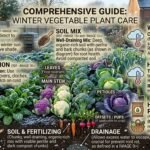
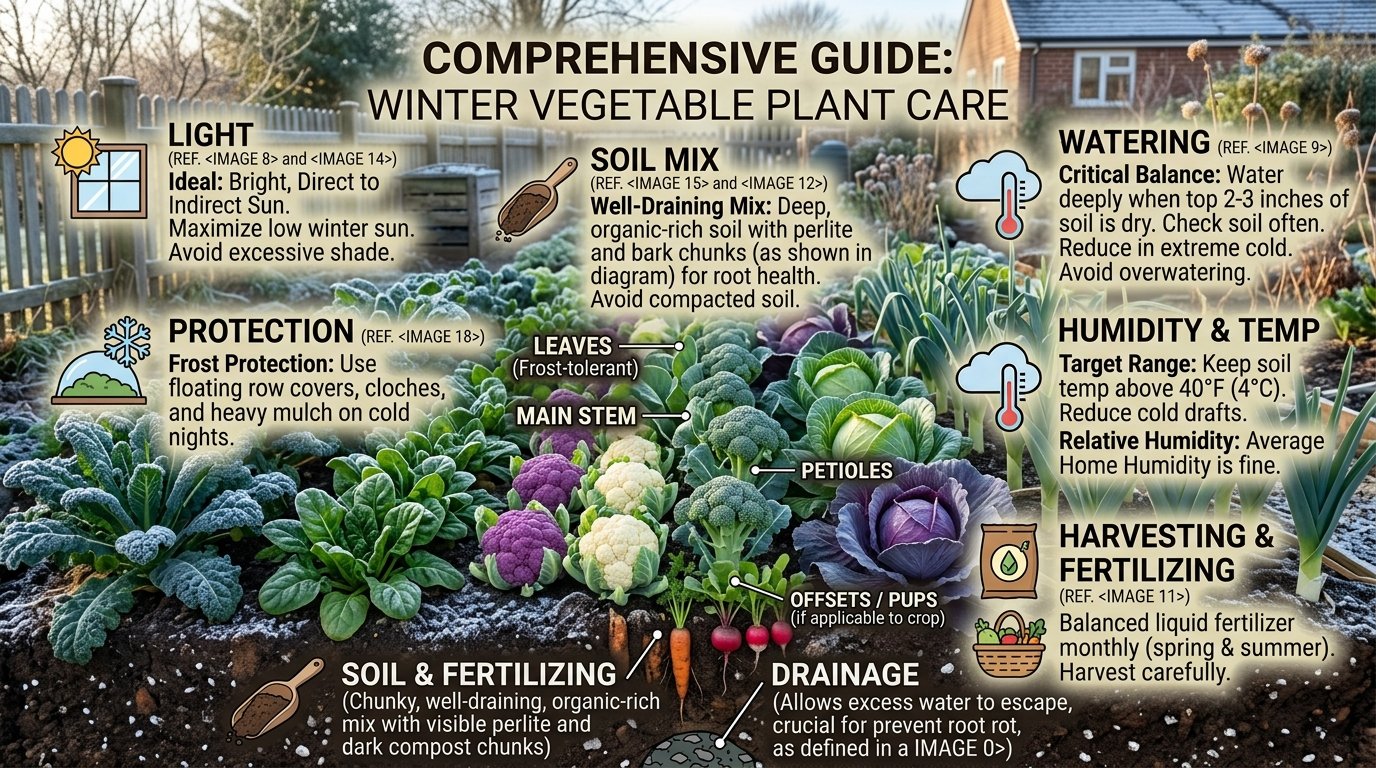
Winter vegetables plants care mainly involves choosing cool-season crops, providing the right amount of sunlight, keeping soil well-drained, watering according to temperature, protecting plants from severe frost, and maintaining steady nutrition.
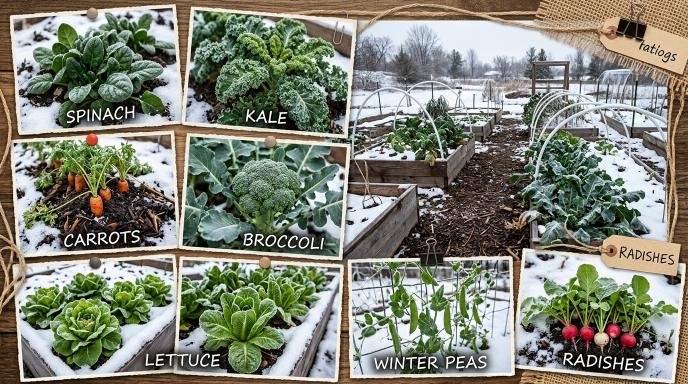
Vegetables such as spinach, kale, carrots, radishes, peas, broccoli, cabbage, lettuce, and turnips generally perform best when planted during cooler weather. Avoid excessive watering and fertilizer because cold soil slows root activity and plant growth.
Introduction
Growing vegetables in winter can be surprisingly productive when you understand how cool weather affects plants. Unlike warm-season crops that thrive during hot days, many winter vegetables prefer moderate temperatures and can produce tender leaves, roots, and heads when summer crops have stopped growing.
Proper winter vegetables plants care is not simply about keeping plants warm. In many gardens, the bigger challenge is balancing sunlight, moisture, soil drainage, nutrition, and temperature. Cold weather reduces evaporation, slows plant growth, and can leave wet soil around roots for much longer than expected.
For beginners, this can create a common problem: watering winter vegetables using the same routine used during summer. The result can be yellow leaves, weak roots, fungal problems, or stunted growth.
The good news is that winter vegetable gardening becomes much easier once you adjust your care routine to the season.
Which Vegetables Grow Best in Winter?
Cool-season vegetables are generally the best choices for winter gardening. Their ability to tolerate cooler temperatures varies, so local winter conditions still matter.
| Winter Vegetable | Light Requirement | Cold Tolerance | Typical Benefit |
|---|---|---|---|
| Spinach | Full sun to partial shade | High | Fast leafy harvest |
| Kale | Full sun | Very high | Long harvesting season |
| Carrots | Full sun | High | Sweet, cool-weather roots |
| Radishes | Full sun | Moderate to high | Quick harvest |
| Peas | Full sun | Moderate | Productive cool-season crop |
| Lettuce | Full sun to partial shade | Moderate | Tender leaves |
| Broccoli | Full sun | Moderate to high | Large edible heads |
| Cabbage | Full sun | High | Dense heads |
| Turnips | Full sun | High | Roots and edible greens |
| Swiss chard | Full sun to partial shade | Moderate | Repeated leaf harvest |
Why Cool-Season Vegetables Perform Well
Many winter vegetables naturally prefer cooler growing conditions. Lower temperatures can slow growth, but they can also improve the flavor and texture of certain crops.
For example, carrots and some leafy greens may become sweeter after exposure to cool temperatures because plants adjust how they store and use sugars.
However, winter does not mean plants can survive every temperature. Prolonged freezing conditions, frozen soil, strong winds, and repeated freeze-thaw cycles can still damage roots and foliage.
Choose the Right Planting Time
One of the most important parts of winter vegetables plants care happens before the plants even enter the garden.
Planting too early can expose seedlings to late-season heat, while planting too late may leave young plants with insufficient time to establish strong roots before severe cold arrives.
Instead of relying only on a calendar date, consider:
- Average local temperatures.
- Expected frost or freezing periods.
- Soil temperature.
- Daylight availability.
- The vegetable’s maturity time.
- Whether you are growing from seed or transplanting seedlings.
Cool-season vegetables can often be grown during autumn, winter, or early spring depending on the local climate.
In mild winter regions, some vegetables may continue growing throughout winter. In colder regions, the same crops may require row covers, cold frames, mulch, or another form of protection.
Give Winter Vegetables Enough Sunlight
Sunlight becomes especially important during winter because days are shorter and light intensity can be lower.
Most winter vegetables perform best with several hours of direct sunlight each day. Leafy vegetables may tolerate some partial shade, but vegetables grown primarily for their roots, heads, or pods generally benefit from stronger light.
Choose a location that:
- Receives good morning and afternoon sunlight.
- Is not shaded by buildings or large trees.
- Has good air circulation.
- Does not collect standing water.
- Is protected from strong winter winds when possible.
What Happens When Winter Vegetables Do Not Get Enough Light?
Insufficient light can cause slow growth, pale foliage, thin stems, and smaller harvests.
A plant may remain alive while producing very little edible growth. This is particularly frustrating with vegetables such as lettuce, spinach, and broccoli because gardeners may mistake slow growth for a nutrient deficiency.
Before adding fertilizer, check sunlight first.
Prepare Well-Drained Soil
Healthy soil is one of the foundations of successful winter vegetable gardening.
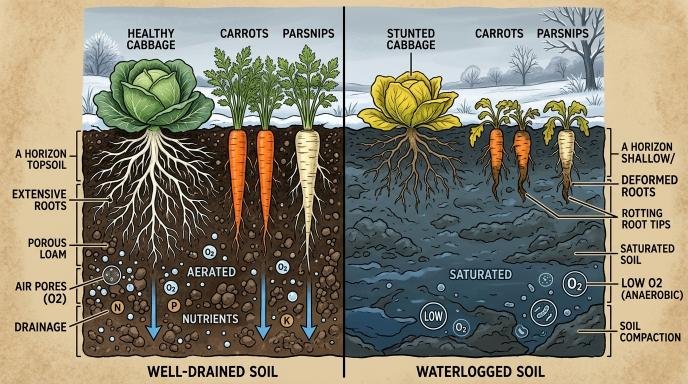
Cold soil dries slowly. If drainage is poor, excess water can remain around the roots for extended periods. Roots need oxygen as well as water, so constantly saturated soil can cause serious problems.
Before planting, improve the growing area with mature organic matter when appropriate and make sure excess water can drain away.
Good winter vegetable soil should be:
- Loose enough for roots to develop.
- Rich in organic matter.
- Well drained.
- Able to hold moisture without becoming waterlogged.
- Free from large stones and compacted layers.
Why Soil Structure Matters More in Winter
During warm weather, excess moisture can evaporate relatively quickly. In winter, evaporation slows considerably.
That means soil that seems perfectly acceptable during summer can become too wet during cooler months.
If your garden soil stays wet for days after watering or rainfall, improving drainage may be more useful than increasing fertilizer.
Water Winter Vegetables Carefully
Winter vegetables still need water, but their watering requirements are usually lower than during hot weather.
Cool temperatures reduce evaporation, while rainfall may provide part or all of the plant’s moisture needs.
Before watering, check the soil rather than following a rigid daily schedule.
A Simple Winter Watering Method
- Feel the soil several centimeters below the surface.
- If it is still noticeably moist, wait before watering.
- If the soil has begun drying, water thoroughly.
- Allow excess water to drain.
- Avoid repeatedly wetting the foliage late in the day.
The goal is consistent moisture without saturated soil.
Common Watering Mistake
A frequent beginner mistake is assuming that drooping leaves always mean a plant needs water.
Cold roots can struggle to move water efficiently, even when the soil is wet. Adding more water in this situation can make the problem worse.
Check the soil first.
Protect Roots With Mulch
Mulching is one of the most useful winter gardening techniques.
A suitable organic mulch can help moderate soil temperature, reduce rapid moisture changes, suppress weeds, and protect shallow roots from temperature fluctuations.
Useful mulch materials can include:
- Straw.
- Shredded leaves.
- Compost.
- Pine needles where appropriate.
- Other clean organic garden materials.
Do not pile thick, wet mulch directly against vegetable stems. Excess moisture around the crown can encourage rot and disease.
A moderate layer around established plants is generally more useful than creating a heavy, compacted blanket.
Protect Plants From Frost and Freezing Temperatures
Not every winter vegetable has the same cold tolerance.
Some mature crops can handle light frost surprisingly well, while young seedlings or tender varieties may be damaged by freezing temperatures.
Protection may include:
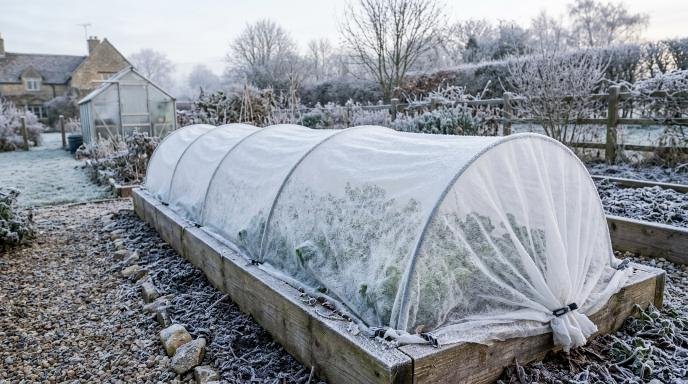
- Floating row covers.
- Cold frames.
- Garden cloches.
- Temporary frost blankets.
- Mulch around the root zone.
- Moving container-grown plants to a protected location.
Do Not Let Protective Covers Become Permanent
A protective cover can help during freezing conditions, but plants still need light and ventilation.
During milder weather, excessive covering can increase humidity and temperature and may encourage disease or overly soft growth.
Use protection according to actual weather conditions rather than leaving plants covered indefinitely.
Fertilizing Winter Vegetables
Winter vegetables generally do not need aggressive feeding.
Cold temperatures slow biological activity in the soil and reduce the rate at which roots absorb nutrients. Adding large amounts of fertilizer when plants are barely growing can waste nutrients and potentially damage roots.
Before fertilizing, consider:
- Soil fertility.
- Plant age.
- Crop requirements.
- Recent compost or organic matter additions.
- Visible nutrient symptoms.
- Whether plants are actively growing.
Leafy vegetables often benefit from adequate nitrogen, while root vegetables require balanced nutrition without excessive nitrogen.
Why Too Much Nitrogen Can Be a Problem
Excessive nitrogen can encourage rapid leafy growth at the expense of other plant functions. It may also create soft, overly lush growth that is less desirable under stressful weather conditions.
Healthy soil and appropriate nutrition are more important than frequent feeding.
Keep Winter Vegetable Plants Weed-Free
Weeds compete with vegetables for water, nutrients, light, and growing space.
Winter weeds can be particularly troublesome because vegetable growth is already slower.
Remove weeds while they are small rather than waiting until they become established.
A layer of appropriate mulch can also reduce weed emergence.
Be careful when weeding around shallow-rooted vegetables. Aggressive cultivation can damage roots that are close to the soil surface.
Improve Air Circulation
Cold weather does not eliminate plant disease.
Moist leaves, crowded planting, poor airflow, and prolonged humidity can encourage fungal and bacterial problems.
Avoid planting vegetables closer together than recommended simply to fit more crops into a small garden.
Good spacing allows:
- Better airflow.
- More sunlight penetration.
- Easier harvesting.
- Easier inspection for pests and disease.
- Faster drying of foliage.
If several plants repeatedly develop disease in the same location, examine the growing conditions instead of simply treating the symptoms.
Watch for Winter Pests
Cool weather may reduce some insect activity, but pests can still affect winter crops.
Check plants regularly for:
- Aphids.
- Caterpillars.
- Slugs and snails.
- Leaf miners.
- Flea beetles.
- Other region-specific pests.
Inspect the undersides of leaves because pests often hide there.
Early detection is much easier than trying to control a severe infestation after plants have become heavily damaged.
Winter Vegetable Seedlings Need Extra Attention
Young seedlings are generally more vulnerable than established plants.
Their root systems are smaller, their stems are less developed, and they have less stored energy to withstand temperature stress.
For seedlings:
- Avoid waterlogged soil.
- Gradually expose them to outdoor conditions when transplanting.
- Protect them from severe cold.
- Provide adequate sunlight.
- Avoid excessive fertilizer.
- Check for wind damage.
- Monitor moisture more frequently after transplanting.
A healthy transplant should establish roots before being exposed to prolonged stressful conditions.
Growing Winter Vegetables in Containers
Winter vegetables can grow successfully in containers, especially leafy greens, radishes, carrots, peas, and compact varieties.
Container gardening requires slightly different care because containers can experience faster temperature changes than garden soil.
Choose containers with:
- Adequate drainage holes.
- Sufficient depth for the crop.
- Good-quality growing medium.
- Enough space for mature roots.
Container Watering Tip
Do not assume container vegetables need daily watering in winter.
Instead, check the growing medium. Containers exposed to rain may stay wet for surprisingly long periods.
At the same time, containers positioned under roofs or sheltered areas may dry faster than garden beds.
Winter Vegetable Garden Maintenance Schedule
A simple routine makes winter gardening easier.
Every Few Days
Check:
- Soil moisture.
- Frost damage.
- Wilting.
- New pest activity.
- Broken stems.
- Exposed roots.
Weekly
Inspect:
- Leaf color.
- New growth.
- Disease symptoms.
- Weed growth.
- Mulch condition.
- Plant spacing and airflow.
After Heavy Rain
Pay particular attention to drainage.
If water remains around the roots for a long period, investigate the soil rather than watering again.
Before a Freeze
Check:
- Weather conditions.
- Young or vulnerable plants.
- Container plants.
- Frost protection.
- Mulch around exposed roots.
Common Winter Vegetable Gardening Mistakes
Watering on a Summer Schedule
Winter plants generally lose moisture more slowly.
Better approach: Check the soil before watering.
Planting Without Considering Local Conditions
A vegetable labeled as cold tolerant may still struggle under prolonged freezing conditions.
Better approach: Match the crop and variety to your local winter temperatures.
Using Too Much Fertilizer
Cold-weather plants usually do not need constant feeding.
Better approach: Fertilize according to active growth and soil needs.
Ignoring Drainage
Wet winter soil can cause root problems even when plants appear thirsty.
Better approach: Improve drainage before increasing irrigation.
Crowding Plants
Dense planting reduces airflow and makes disease management harder.
Better approach: Give plants adequate room to mature.
Leaving Damaged Leaves on Plants
Severely damaged or diseased foliage can reduce plant health and make problems harder to monitor.
Better approach: Remove clearly dead or diseased material when appropriate, while avoiding unnecessary removal of healthy leaves.
Assuming All Winter Vegetables Like Freezing Temperatures
Cool-season does not mean unlimited frost tolerance.
Better approach: Know the approximate cold tolerance of each crop and protect vulnerable plants during severe weather.
How to Revive Stunted Winter Vegetables
If your winter vegetables have stopped growing, do not immediately add fertilizer.
Work through the following checklist:
- Check sunlight.
Make sure nearby structures or seasonal shadows are not blocking light. - Check soil moisture.
Both excessively wet and excessively dry soil can restrict growth. - Inspect the roots if practical.
Brown, damaged, or unhealthy roots may indicate drainage or disease problems. - Look for pests.
Examine leaves, stems, and leaf undersides. - Check temperature conditions.
Prolonged cold can naturally slow growth. - Review soil fertility.
Only consider additional fertilizer after environmental problems have been addressed. - Give the plant time.
Some winter vegetables simply grow slowly during colder periods and resume stronger growth when conditions improve.
This approach prevents one of the most common gardening mistakes: treating every growth problem as a fertilizer problem.
When Should You Harvest Winter Vegetables?
Harvest timing depends on the crop.
Leafy greens can often be harvested gradually instead of removing the entire plant. Picking outer leaves allows the center of the plant to continue producing new growth.
Root vegetables should generally be harvested according to their mature size and intended use.
For broccoli and similar crops, harvesting at the appropriate stage can encourage additional edible growth in some varieties.
Harvesting Tip
Harvest during the cooler part of the day when practical, especially for leafy vegetables. Handle produce gently to minimize bruising and damage.
Do not wait unnecessarily for vegetables to become oversized. Many crops are most enjoyable when harvested at their appropriate stage rather than left in the garden indefinitely.
Advanced Tips for Better Winter Vegetable Production
Experienced gardeners can improve results by paying attention to microclimates.
A garden wall, sheltered corner, raised bed, greenhouse, or protected patio can create noticeably different growing conditions within the same property.
Use Microclimates
A south-facing or otherwise sunny protected location may warm more quickly than an exposed area.
Succession Planting
Instead of planting the entire crop at once, plant smaller batches at intervals when local conditions allow.
This can provide a more continuous harvest and reduce the risk of losing the entire crop to one weather event.
Combine Different Maturity Times
Growing early-, medium-, and later-maturing varieties can spread harvesting over a longer period.
Use Raised Beds Carefully
Raised beds often drain well and warm faster, but they can also lose heat more quickly during severe cold.
They are not automatically better for every winter situation. Their main advantage is controllable soil structure and drainage.
Winter Vegetables Plants Care: A Simple Formula
For gardeners who want an easy system, remember these six principles:
Right crop + suitable planting time + sunlight + well-drained soil + careful watering + weather protection = healthier winter vegetables.
You do not need to constantly interfere with your plants.
In fact, one of the biggest improvements many gardeners can make is learning when not to water, fertilize, transplant, or disturb the soil.
Winter gardening rewards observation more than constant intervention.
Frequently Asked Questions
What are the easiest vegetables to grow in winter?
Spinach, kale, radishes, lettuce, carrots, turnips, and some varieties of peas are among the easier cool-season vegetables for many gardens. The best choices depend on local winter temperatures and the specific variety.
How often should I water winter vegetables?
Water when the soil begins to dry rather than following a fixed daily schedule. Cool temperatures and rainfall can significantly reduce irrigation needs compared with summer.
Do winter vegetables need fertilizer?
They may need fertilizer if soil fertility is inadequate and plants are actively growing, but excessive feeding is rarely helpful. Soil condition, crop requirements, and growth rate should guide fertilization.
Can winter vegetables survive frost?
Some can tolerate light frost, while others are more sensitive. Mature kale, spinach, carrots, and several other cool-season crops can be relatively cold tolerant, but severe or prolonged freezing can damage even hardy plants.
Should I cover vegetables during winter?
Covering can be useful during frost or freezing conditions, particularly for young or less cold-tolerant plants. Remove or ventilate covers when conditions become mild enough to avoid excessive heat and humidity.
Why are my winter vegetable leaves turning yellow?
Yellow leaves can result from several causes, including excess moisture, poor drainage, nutrient deficiencies, aging foliage, disease, or environmental stress. Check soil moisture and drainage before assuming fertilizer is needed.
Can I grow winter vegetables in pots?
Yes. Many winter vegetables grow well in containers. Choose a container with good drainage and enough depth for the crop, and monitor moisture because container conditions can change quickly.
Do winter vegetables need full sun?
Most vegetables perform best with strong sunlight, although some leafy crops tolerate partial shade. Short winter days make available sunlight particularly valuable.
Why are my winter vegetables growing so slowly?
Cool temperatures naturally slow plant growth. Low light, poor nutrition, waterlogged soil, pests, and extreme temperatures can slow growth further. Check environmental conditions before attempting to stimulate growth with fertilizer.
Is mulch good for winter vegetable gardens?
Yes. Appropriate mulch can help moderate soil temperature, conserve moisture, suppress weeds, and protect roots from temperature fluctuations. Avoid piling wet mulch directly against plant stems.
Conclusion
Successful winter vegetables plants care is mostly about working with the season rather than fighting it. Cool-season crops need adequate light, healthy soil, consistent but controlled moisture, appropriate nutrition, and protection from unusually harsh weather.
The most important lesson is to observe before acting. If a plant looks weak, check its soil, roots, sunlight, temperature, and pests before reaching for fertilizer or extra water.
Choose vegetables suited to your climate, plant them at the right time, maintain good drainage, protect vulnerable plants during severe cold, and harvest regularly. With these habits, a winter garden can remain productive and healthy even when warm-season crops have finished for the year.