Quick Answer
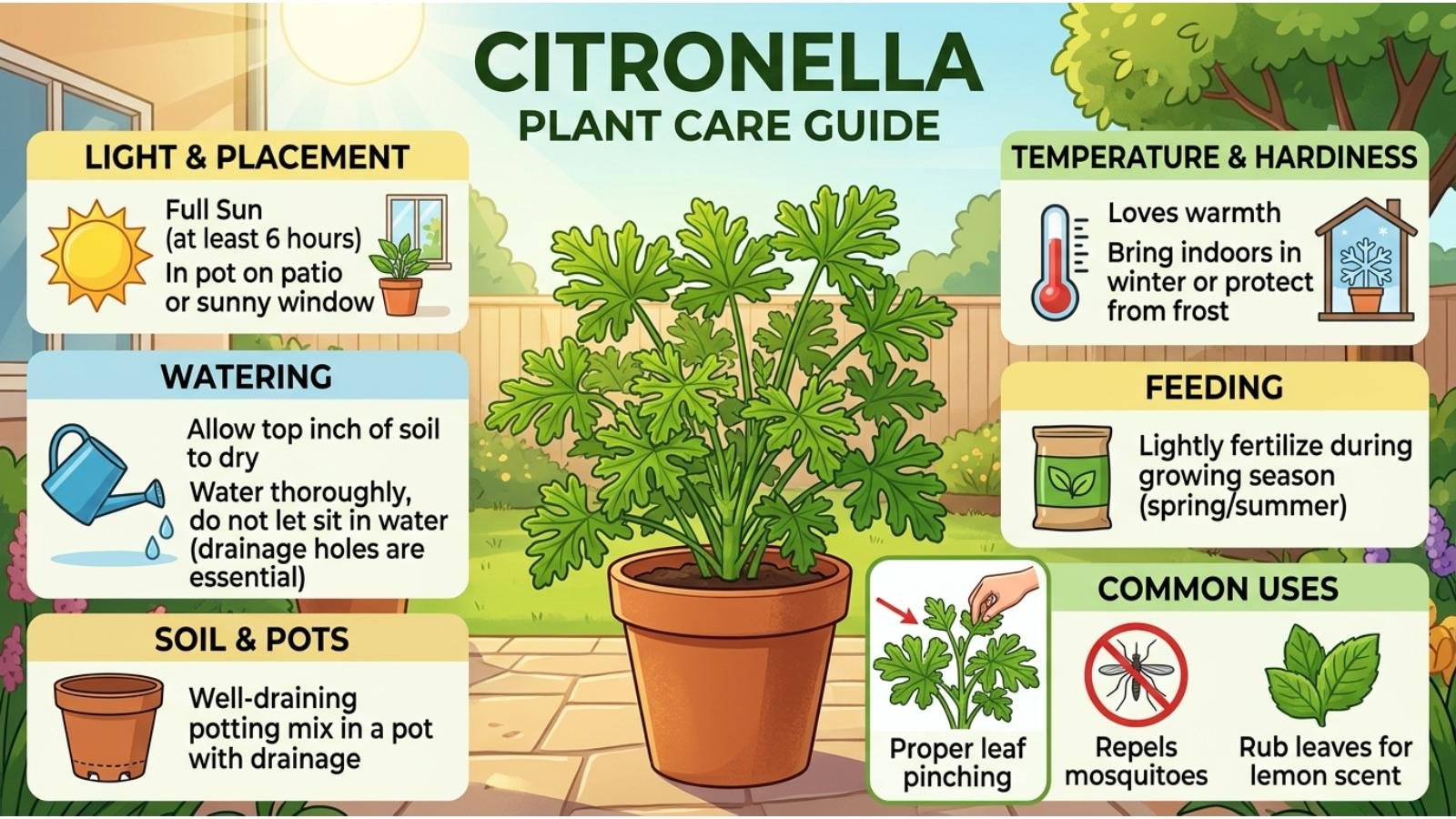
Citronella plant care is relatively simple when the plant receives plenty of sunlight, warm temperatures, well-draining soil, and consistent moisture. True citronella grass grows best in full sun and should be watered when the soil begins to dry. Avoid waterlogged soil, provide enough space for its spreading growth, and protect it from cold temperatures. Also, make sure you know whether you have true citronella grass or a citronella-scented geranium because their care requirements differ.
Introduction
Citronella plants are popular among gardeners because of their attractive grassy foliage and distinctive lemon-like fragrance. They are especially common in patios, balconies, containers, and outdoor gardens.
However, there is an important detail many beginners miss. The name citronella plant is sometimes used for different plants. True citronella grass is a tropical grass, while some garden centers sell scented geraniums under names such as citronella plant or mosquito plant.
Knowing which plant you have makes citronella plant care much easier. The wrong watering routine, insufficient sunlight, poor drainage, or exposure to cold can quickly cause problems.
This guide explains how to grow healthy citronella plants, how much sunlight and water they need, how to grow them in containers, how to handle seasonal changes, and how to troubleshoot common problems.
What Is a Citronella Plant?
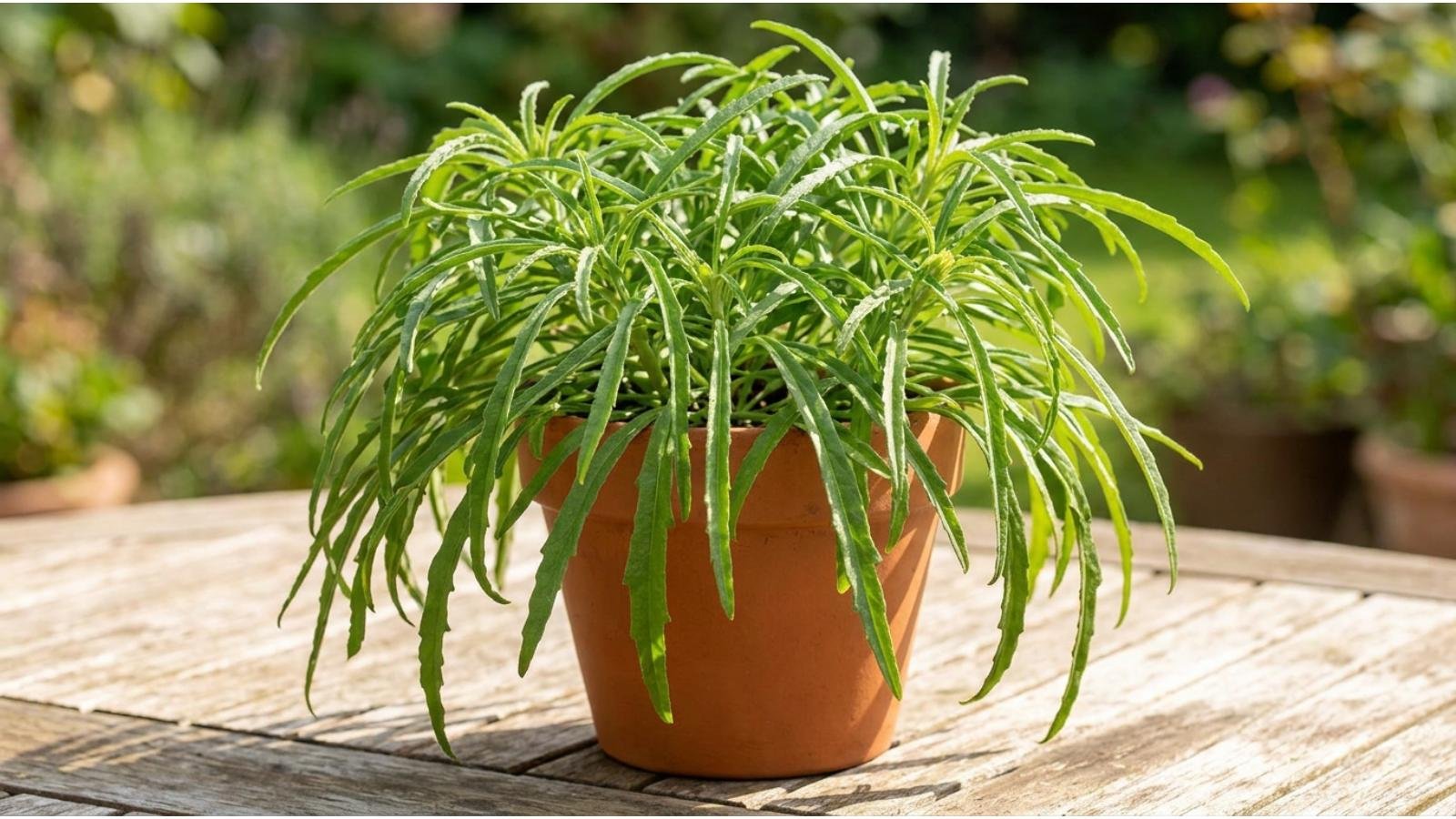
True citronella is a fragrant grass belonging to the Cymbopogon group. It develops long, narrow leaves and grows as a dense clump when conditions are suitable.
The foliage contains aromatic compounds associated with citronella oil, which is why the plant is strongly associated with mosquito-repellent products.
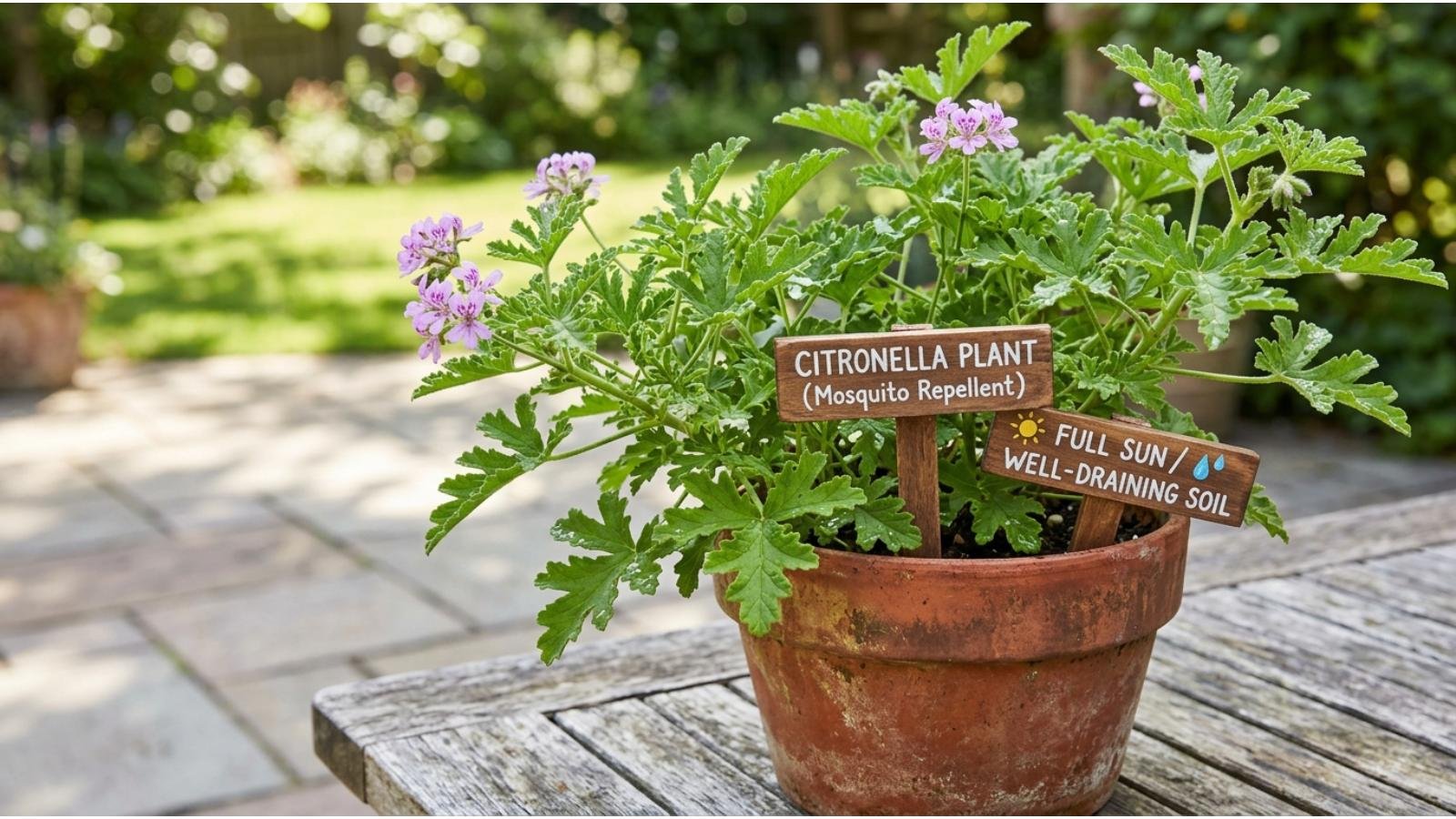
It is important not to automatically assume that every plant labeled “citronella plant” is true citronella grass. Scented geraniums are also sometimes marketed using citronella-related names.
Citronella Grass vs. Citronella-Scented Geranium
| Feature | Citronella Grass | Citronella-Scented Geranium |
|---|---|---|
| Plant type | Tropical grass | Scented geranium |
| Leaves | Long and narrow | Broad and lobed |
| Growth habit | Dense grass clump | Bushy plant |
| Fragrance | Strong citrus-like aroma | Fragrant leaves |
| Light | Full sun preferred | Bright sun to partial sun |
| Soil | Moist but well drained | Well drained |
| Container growing | Suitable | Very suitable |
| Cold tolerance | Low | Low to moderate depending on conditions |
If your plant has long grass-like leaves emerging from a clump, it is more likely to be citronella grass. If it has soft, lobed leaves and a branching habit, it may be a scented geranium.
Image Suggestion: Side-by-side comparison showing true citronella grass and citronella-scented geranium with labels pointing to their different leaf shapes.
How Much Sun Does Citronella Plant Need?
Citronella grass grows best in full sun.
Ideally, provide around six or more hours of direct sunlight each day. Strong sunlight encourages dense, vigorous growth and helps the plant maintain a healthy upright appearance.
A plant receiving too little light may show:
- Slower growth.
- Weak or thin foliage.
- Reduced vigor.
- Uneven growth toward the brightest direction.
For outdoor containers, choose a bright location where buildings, walls, or larger plants will not shade the citronella for most of the day.
A Practical Sunlight Tip
If a plant has been growing indoors or in shade, do not suddenly move it into intense afternoon sunlight. Gradually increase its exposure over several days so the foliage has time to adjust.
What Soil Is Best for Citronella Plant Care?
Citronella grass prefers fertile soil that drains efficiently while retaining enough moisture for healthy growth.
The ideal growing medium should provide:
- Good drainage.
- Organic matter.
- Moderate moisture retention.
- Enough nutrients for active growth.
- Plenty of air around the roots.
The key is finding the balance between moisture and drainage.
Many beginners make the mistake of assuming tropical plants should always have wet roots. That can create serious problems because constantly saturated soil reduces the oxygen available around the roots.
Best Soil for Containers
Use a quality potting mix rather than heavy garden soil.
The container must also have drainage holes. A beautiful pot without drainage can become a major problem because excess water has nowhere to escape.
How Often Should You Water Citronella Plant?
Citronella grass likes consistent moisture during active growth, especially in hot weather.
However, you should not water it automatically every day.
Instead:
- Check the soil before watering.
- Water when the upper portion begins to dry.
- Water thoroughly so moisture reaches the root zone.
- Allow excess water to drain away.
- Avoid allowing the container to sit in standing water.
Container-grown plants generally dry faster than plants growing directly in the ground.
How to Avoid Overwatering
If the soil remains wet for a long time, reduce watering and inspect the drainage.
Signs that may indicate excessive moisture include:
- Yellowing leaves.
- Weak growth.
- Soft or unhealthy roots.
- Persistent wet soil.
- Unpleasant smell from the potting medium.
Remember that drooping does not always mean the plant needs water. Root problems caused by excessive moisture can also produce wilted-looking foliage.
Does Citronella Plant Need Humidity?
Citronella grass naturally prefers warm growing conditions and generally performs well where there is adequate environmental moisture.
You usually do not need to mist the foliage.
Instead, concentrate on:
- Adequate sunlight.
- Proper watering.
- Good drainage.
- Warm temperatures.
- Good air circulation.
Healthy roots are much more important than routinely spraying the leaves.
How to Fertilize Citronella Plant
Because citronella grass can produce a large amount of foliage, it benefits from adequate nutrition during its active growing season.
A balanced fertilizer can be used according to the product’s recommended application rate.
Avoid applying excessive fertilizer simply because you want faster growth. Too much fertilizer can damage roots and create unnecessary stress.
A Better Fertilizing Strategy
Before adding fertilizer, check:
- Light levels.
- Watering.
- Soil quality.
- Drainage.
- Root health.
- Temperature.
If several basic growing conditions are poor, fertilizer will not solve the underlying problem.
Expert Tip: Correct environmental problems first. Fertilizer should support healthy growth, not compensate for poor light, excessive watering, or unsuitable soil.
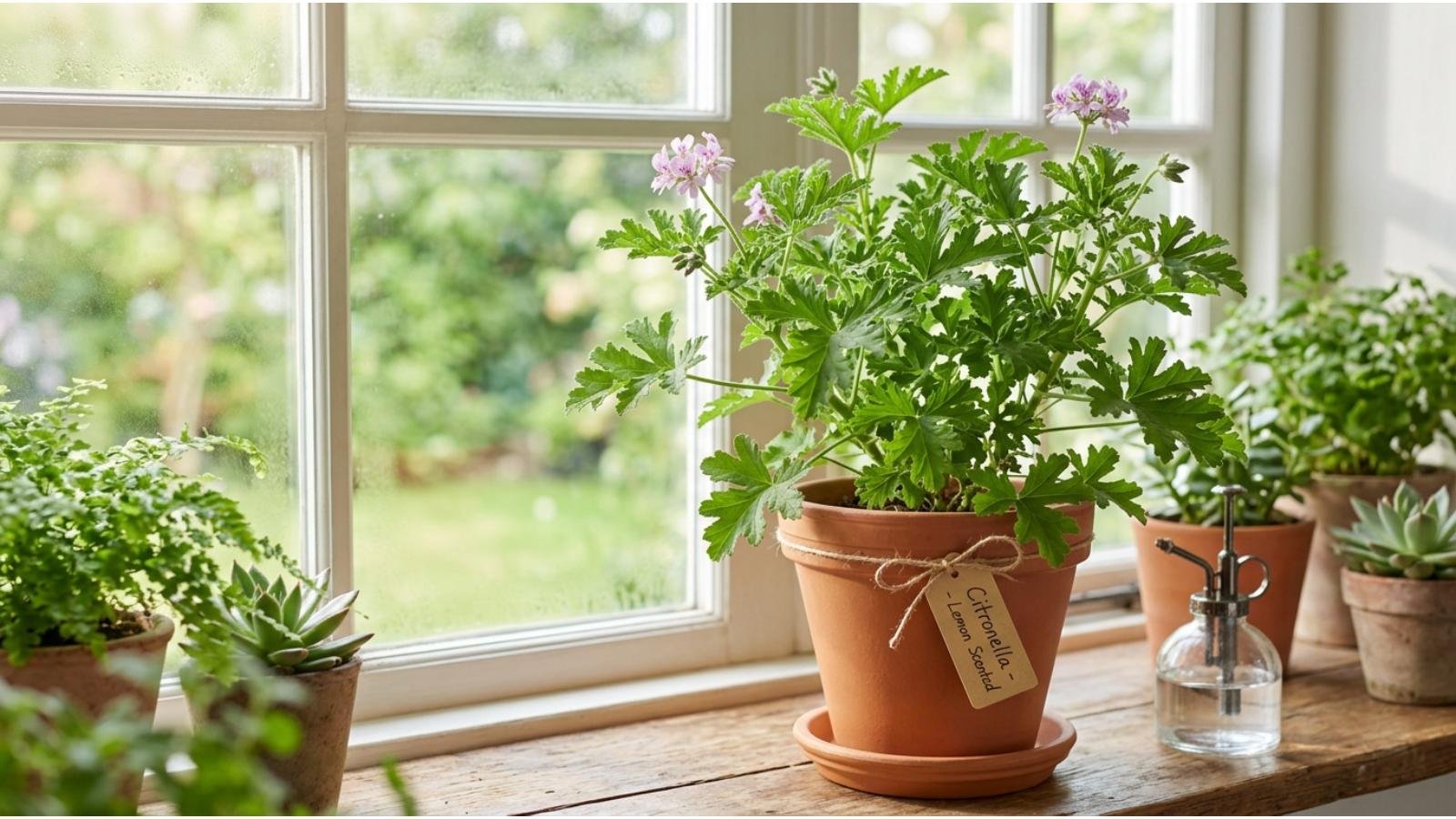
How to Grow Citronella Plant in a Pot
Citronella grass can grow well in containers when given enough space and proper drainage.
Choose a container that is:
- Large enough for root development.
- Stable enough for the mature plant.
- Equipped with drainage holes.
- Easy to move if winter protection is required.
Avoid keeping a vigorous citronella grass plant in a very small container for too long.
Why Container Growing Can Be Useful
Growing citronella in a pot gives you more control over the plant.
You can:
- Move it into better sunlight.
- Protect it from cold weather.
- Replace poor soil.
- Control watering more easily.
- Move it to a sheltered location during extreme weather.
A container is particularly useful in climates where outdoor winter temperatures become too cold.
When Should You Repot Citronella Plant?
A container-grown citronella plant may need repotting when its roots have filled most of the available growing space.
Possible signs include:
- Roots emerging from drainage holes.
- Soil drying unusually quickly.
- Growth slowing despite good care.
- The plant becoming unstable in its container.
- Roots forming a dense mass around the pot.
Move it into a slightly larger container rather than jumping immediately to an extremely large pot.
After repotting, water thoroughly and allow the plant time to settle.
How to Prune Citronella Plant
Citronella grass does not require complicated pruning.
Remove:
- Dead leaves.
- Brown foliage.
- Damaged growth.
- Severely deteriorated sections.
Use clean, sharp pruning tools.
Avoid repeatedly cutting healthy green leaves simply to make the plant look smaller. If the plant has become extremely crowded or oversized, division may be more useful than constant trimming.
Pruning Tip
If the plant is struggling because of drought, cold, poor drainage, or another environmental problem, correct that issue before performing heavy pruning.
How to Propagate Citronella Plant
Established citronella grass can be propagated through division.
Step-by-Step Division
- Choose a healthy, established plant.
- Carefully remove or dig around the clump.
- Separate sections containing healthy roots and shoots.
- Replant each division in suitable soil.
- Water thoroughly.
- Keep the new divisions consistently moist while they establish.
Division is particularly useful when an older plant has become crowded.
Scented geraniums marketed as citronella plants can be propagated differently, often through healthy stem cuttings.
Citronella Plant Care in Spring
Spring is a good time to encourage fresh growth.
Focus on:
- Increasing watering as temperatures rise.
- Providing strong sunlight.
- Removing dead winter foliage.
- Beginning regular feeding during active growth.
- Repotting if the roots have outgrown the container.
Avoid making several major changes at once. Gradual adjustments make it easier to determine how the plant responds.
Citronella Plant Care in Summer
Summer is usually the period of strongest growth.
Check the plant more frequently because heat can cause containers to dry quickly.
Pay attention to:
- Soil moisture.
- Direct sunlight.
- Container temperature.
- Drainage.
- Leaf condition.
- Overall growth.
A small container may need much more frequent watering during hot weather than a mature plant growing in the ground.
Citronella Plant Care in Fall
As temperatures begin to decline, prepare for colder conditions.
If your local winter is cold, consider moving container-grown citronella indoors or into a protected location before temperatures become unsuitable.
Fall is also a useful time to:
- Remove damaged foliage.
- Inspect roots.
- Repot if necessary.
- Take healthy divisions.
- Reduce unnecessary watering as growth slows.
Citronella Plant Care in Winter
True citronella grass prefers warm conditions and may suffer when exposed to cold temperatures.
If you grow it in a container, move it to a protected location before severe cold arrives.
During winter:
- Provide as much light as practical.
- Avoid excessive watering.
- Protect the plant from cold drafts.
- Monitor soil moisture carefully.
- Avoid heavy fertilization while growth is slow.
The goal during a cool period is to prevent unnecessary stress rather than force vigorous growth.
Can Citronella Plant Grow Indoors?
Citronella grass can be maintained indoors temporarily or where growing conditions allow, but it generally performs better outdoors in a bright, warm environment.
If growing indoors, provide:
- The brightest available location.
- Good drainage.
- Adequate container space.
- Warm temperatures.
- Good airflow.
A sunny window may work, but insufficient indoor light can result in weaker growth over time.
If the plant begins leaning strongly toward a window, insufficient light may be part of the problem.
Does Citronella Plant Really Repel Mosquitoes?
This is one of the biggest misconceptions surrounding citronella plants.
Simply placing a living citronella plant beside your patio chair should not be considered dependable mosquito protection.
The aromatic compounds associated with citronella are concentrated in the plant’s oils. A living plant does not necessarily release enough of those compounds into the surrounding air to provide reliable protection from mosquito bites.
This distinction is important because many people purchase a citronella plant expecting it to work like a formulated mosquito repellent.
What About Citronella-Scented Geranium?
The same caution applies.
A scented geranium may have a strong citrus-like fragrance when its leaves are touched or crushed, but simply growing the plant nearby should not be treated as reliable mosquito protection.
If mosquito protection is the goal, use appropriate proven prevention methods rather than relying solely on a living plant.
Image Suggestion: Infographic showing the difference between a living citronella plant and concentrated citronella oil used in formulated products.
Common Citronella Plant Problems
Yellow Leaves
Yellow leaves can have several causes.
Check:
- Excessive watering.
- Poor drainage.
- Insufficient sunlight.
- Nutrient deficiencies.
- Root damage.
- Natural aging.
Do not immediately assume fertilizer is required.
First examine the plant’s growing environment.
Brown Leaf Tips
Brown tips may result from:
- Dry soil.
- Irregular watering.
- Heat stress.
- Root problems.
- Environmental changes.
Check the soil moisture before changing your entire care routine.
Drooping Leaves
Drooping can indicate underwatering, but it can also occur when roots are stressed by excessive moisture.
Always inspect the soil.
If the soil is dry, watering may be necessary.
If the soil is wet for extended periods, investigate drainage and root health before adding more water.
Slow Growth
When growth slows, work through this checklist:
- Is the plant receiving enough direct sunlight?
- Is the soil draining properly?
- Is watering consistent?
- Is the temperature warm enough?
- Is the container large enough?
- Has the plant recently been transplanted?
- Does the soil still contain adequate nutrients?
Solving the environmental problem is usually more useful than immediately increasing fertilizer.
Common Citronella Plant Care Mistakes
Keeping the Soil Permanently Wet
Citronella likes moisture, but permanently saturated soil can damage the root system.
Growing It in Deep Shade
Low light can significantly reduce vigor and produce weaker growth.
Using a Container Without Drainage
Excess water needs somewhere to escape.
Expecting It to Eliminate Mosquitoes
A living citronella plant should not be considered a standalone mosquito-control solution.
Confusing Citronella Grass With Lemongrass
These plants are related but have different characteristics and primary uses.
Ignoring Winter Temperatures
Cold weather can cause serious damage to a warm-weather citronella plant.
Overfertilizing
More fertilizer does not automatically mean healthier growth.
Citronella Plant Care Checklist
| Care Requirement | Recommended Approach |
|---|---|
| Light | Full sun |
| Soil | Fertile and well drained |
| Water | Keep moderately moist without waterlogging |
| Temperature | Warm conditions |
| Fertilizer | Balanced feeding during active growth |
| Container | Large enough with drainage holes |
| Pruning | Remove dead and damaged foliage |
| Propagation | Divide established clumps |
| Winter | Protect from unsuitable cold |
| Mosquito protection | Do not rely on the living plant alone |
A Simple Weekly Citronella Care Routine
You do not need a complicated maintenance schedule.
Step 1: Check the Soil
Feel the soil before watering. Do not water simply because it is the same day of the week.
Step 2: Inspect the Leaves
Look for yellowing, browning, damaged foliage, or signs of stress.
Step 3: Check Sunlight
Make sure nearby structures or plants have not gradually shaded the citronella.
Step 4: Check Drainage
Confirm that excess water can escape freely.
Step 5: Remove Dead Foliage
Remove completely dead or damaged leaves when necessary.
Step 6: Check the Container
If the plant dries extremely quickly or roots are filling the pot, consider whether repotting is necessary.
This quick routine can catch small problems before they become major ones.
Frequently Asked Questions
Is citronella plant easy to grow?
Yes. True citronella grass is generally straightforward to grow when provided with plenty of sunlight, warm temperatures, adequate moisture, and good drainage.
Does citronella plant need full sun?
Yes. True citronella grass prefers full sun and generally grows more vigorously when it receives plenty of direct light.
How often should I water citronella plant?
Water when the upper soil begins to dry rather than following a strict calendar. Hot weather and container growing may increase watering needs.
Can citronella plant survive winter?
It depends on the local climate. True citronella grass prefers warmth and may need protection or indoor shelter where winter temperatures become too cold.
Can citronella plant grow in pots?
Yes. Containers are an excellent option when you need better control over soil, drainage, sunlight, or winter protection.
Is citronella grass the same as lemongrass?
No. They are related plants, but they are not the same. Citronella grass is primarily associated with aromatic citronella oil, while lemongrass is commonly grown for culinary use.
Does citronella plant keep mosquitoes away?
A living citronella plant should not be considered a reliable mosquito-repellent solution. Its aromatic oils are associated with mosquito-repellent products, but simply growing the plant nearby does not provide dependable protection.
What is a mosquito plant?
The term “mosquito plant” is commonly used for scented plants marketed as mosquito-repelling plants. Some are actually scented geraniums rather than true citronella grass.
Can citronella plant be grown indoors?
Yes, particularly as a container plant, but it needs strong light and warm conditions. Long-term indoor growth can be difficult if the available light is weak.
Why are my citronella leaves turning yellow?
Possible causes include overwatering, poor drainage, insufficient light, nutrient problems, or root stress. Check the growing conditions before changing the fertilizer routine.
Why is my citronella plant drooping?
Both underwatering and excessive moisture can cause drooping. Check the soil first to determine whether the root zone is actually dry.
Final Thoughts
Successful citronella plant care is less about complicated techniques and more about maintaining the right growing conditions.
Give true citronella grass plenty of sunlight, warm temperatures, well-draining soil, consistent moisture, and enough room to grow. Avoid keeping the roots constantly wet, protect the plant from cold conditions, and inspect the soil before watering.
Most importantly, identify the plant correctly. True citronella grass and citronella-scented geraniums are different plants and should not automatically receive identical care.
And while citronella has a strong connection with mosquito-repellent products, a living citronella plant should not be expected to provide reliable mosquito protection by itself.
With the basics handled correctly, citronella can become a vigorous, attractive, and pleasantly aromatic addition to a warm garden or container collection.