Quick Answer
Monrovia plant care depends on the specific plant variety you are growing because Monrovia is a nursery brand that offers a wide selection of indoor plants, flowering shrubs, trees, perennials, and outdoor garden plants.
To keep your Monrovia plants healthy, identify the plant species, provide its preferred sunlight, water according to soil moisture, use well-draining soil, and adjust care with the seasons. Proper planting, regular monitoring, and timely pruning help encourage healthy growth and long-lasting beauty.
Introduction
Choosing a beautiful plant is only the beginning of creating a thriving indoor or outdoor garden. Understanding its growing requirements is what helps it stay healthy, develop strong roots, produce attractive foliage, and bloom when expected.
Monrovia plant care can be confusing for beginners because Monrovia offers many different kinds of plants, and they do not all require the same growing conditions. A flowering shrub may need several hours of sunlight, while a tropical foliage plant may prefer bright, filtered light. Similarly, some plants appreciate consistently moist soil, whereas others can suffer when their roots remain wet.
The key is to avoid treating every plant the same way.
This guide explains how to care for Monrovia plants, choose suitable growing conditions, establish newly purchased plants, prevent common problems, and adjust your routine throughout the year.
What Is Monrovia, and What Makes Its Plants Different?


Monrovia is a plant nursery brand known for growing and supplying ornamental plants for gardens, landscapes, and containers. Its selection includes plants with different growth habits, environmental preferences, and maintenance requirements.
When you purchase a Monrovia plant, the most important factor is not simply the brand name. It is the plant’s identity and its individual growing needs.
For example:
- Flowering shrubs may need suitable sunlight, seasonal pruning, and appropriate soil drainage to produce healthy flowers.
- Evergreen shrubs generally benefit from proper establishment, adequate root space, and occasional maintenance.
- Tropical foliage plants may require protection from cold temperatures and intense direct sunlight.
- Perennials often need seasonal care, including the removal of dead growth and adjustments to watering.
- Trees require enough room for their mature size, appropriate planting depth, and careful watering while their roots establish.
Why plant identification matters
A common gardening mistake is assuming that a care routine that works for one plant will also work for another.
For instance, watering a drought-tolerant plant every day can leave its roots excessively wet. Meanwhile, a moisture-loving plant growing in a small container may need more frequent watering during hot weather.
Before changing your care routine, identify:
- The plant’s common name.
- Its botanical name, if available.
- Whether it is intended for indoor or outdoor growing.
- Its preferred sunlight exposure.
- Its mature size and seasonal growth pattern.
Practical tip: Keep the original plant label until you have recorded the plant’s name and care requirements. This makes it easier to identify the right pruning time, watering needs, and winter protection.
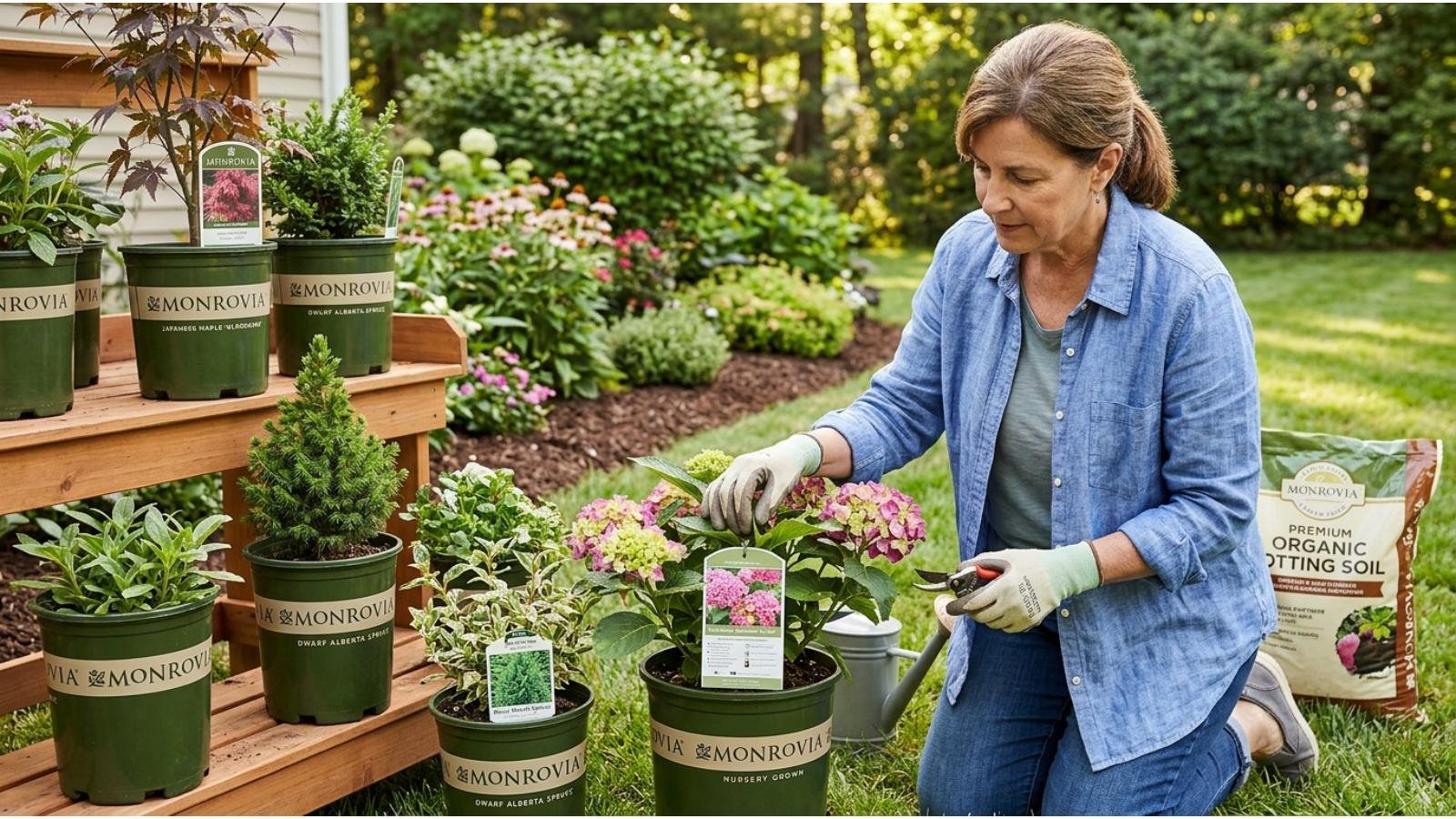
Image suggestion: A comparison of flowering shrubs, evergreen plants, tropical foliage plants, and perennials to illustrate the variety of plants available.
How to Choose the Right Location for Your Monrovia Plant
The location you choose can influence almost every aspect of plant health, including growth rate, flowering, leaf color, and susceptibility to stress.
Before planting, observe the area throughout the day. A garden bed that receives morning sunlight may experience very different conditions from a location exposed to intense afternoon sun.
Understanding sunlight requirements
Different plants have different light preferences.
| Light condition | What it means | Plants that may suit these conditions |
|---|---|---|
| Full sun | Generally at least 6 hours of direct sunlight daily | Many sun-loving flowering plants and shrubs |
| Partial sun | Usually around 4–6 hours of direct sunlight | Plants that tolerate moderate direct exposure |
| Partial shade | Limited direct sunlight, often with filtered light | Many shade-tolerant shrubs and perennials |
| Full shade | Little direct sunlight, although some indirect light may be available | Certain shade-loving foliage plants and ornamentals |
| Bright indirect light | Strong ambient light without prolonged direct sun | Many indoor tropical foliage plants |
These categories are general gardening guidelines. The exact requirements vary by species, climate, and growing conditions.
How to recognize a light problem
Your plant may be receiving too little light if you notice:
- Long, weak stems reaching toward a window.
- Smaller leaves than expected.
- Slow growth during the active growing season.
- Reduced flowering in plants that normally bloom in suitable conditions.
Excessive direct sunlight can cause:
- Brown, scorched leaf patches.
- Bleached or faded foliage.
- Crispy leaf edges.
- Sudden wilting during hot afternoons.
However, these symptoms can also result from watering problems, temperature stress, or root damage.
Expert tip: If you move an indoor plant into stronger sunlight, increase its exposure gradually. A sudden change from low light to intense direct sun can damage leaves that have adapted to lower-light conditions.
Image suggestion: A simple sunlight guide showing full sun, partial sun, partial shade, and bright indirect light.
Watering Monrovia Plants Correctly


Watering is one of the most important parts of plant care, but it is also one of the easiest areas to get wrong.
A plant can wilt because it is too dry, but wilting can also occur when excessively wet soil damages its roots. Adding more water without checking the soil can therefore make the problem worse.
How often should you water?
There is no single watering schedule that works for every Monrovia plant.
Watering frequency depends on:
- Plant species and root structure.
- Container size and drainage.
- Soil type and moisture retention.
- Temperature and humidity.
- Sunlight exposure.
- Wind and rainfall.
- Whether the plant is newly planted or established.
A small container in hot weather may dry out quickly, while a large pot containing moisture-retentive soil may remain wet for several days.
A practical watering method
Follow these steps when checking whether your plant needs water.
- Check the soil. Feel the soil near the root zone rather than judging moisture only from the surface.
- Consider the plant species. Some plants prefer the upper soil to dry between waterings, while others prefer more consistent moisture.
- Water the root zone. Apply water to the soil rather than routinely soaking the foliage.
- Allow excess water to drain. Containers should have functional drainage holes unless they are specifically designed for another growing method.
- Recheck before watering again. Avoid watering automatically just because a certain number of days has passed.
For many established outdoor plants, deeper watering during dry periods encourages roots to explore the surrounding soil. Newly planted specimens, however, need closer monitoring because their roots may not yet extend beyond the original root ball.
Signs of overwatering and underwatering
| Symptom | Possible cause | What to check |
|---|---|---|
| Yellowing leaves and persistently wet soil | Overwatering or poor drainage | Soil moisture, drainage holes, and root condition |
| Dry, crispy leaf edges | Underwatering, low humidity, or heat stress | Soil moisture and environmental conditions |
| Wilting despite wet soil | Root stress or root damage | Drainage, soil saturation, and root health |
| Drooping leaves with very dry soil | Underwatering | Water availability around the root ball |
| Sudden leaf drop after a location change | Environmental stress | Light, temperature, drafts, and watering changes |
These symptoms are clues rather than definitive diagnoses. Examine the soil and growing conditions before deciding how to respond.
Practical tip: Do not rely exclusively on the top inch of soil. The surface can dry quickly while the lower root zone remains saturated.
Image suggestion: An infographic comparing a healthy root system, roots damaged by prolonged waterlogging, and roots affected by severe dryness.
Choosing the Right Soil and Container
Healthy roots need a suitable balance of moisture, air, nutrients, and physical space.
The best soil for a Monrovia plant depends on whether it is growing in a garden bed, a raised planter, or a container.
Garden soil
Before planting outdoors, examine the existing soil.
- Sandy soil often drains quickly and may need organic matter to improve moisture retention.
- Heavy clay soil can retain substantial moisture and may require careful planting-site selection and drainage management.
- Loamy soil often provides a useful balance of drainage, moisture retention, and aeration.
Avoid assuming that adding a small amount of sand will automatically improve heavy clay soil. Poorly planned amendments can make soil structure more difficult to manage.
For many garden plants, improving the broader planting area with suitable organic matter and selecting a plant adapted to the existing soil are more useful than creating an isolated pocket of heavily amended soil.
Container growing
For container-grown Monrovia plants, choose a pot that:
- Has adequate drainage holes.
- Provides sufficient room for the root system.
- Is appropriate for the plant’s expected growth.
- Contains a potting mix suited to the species.
- Can be moved or protected when necessary.
A pot that is much larger than the root system may hold excess moisture for too long, especially when the plant is small and its roots cannot absorb water quickly.
When should you repot?
Consider repotting when:
- Roots are emerging through drainage holes.
- The root ball has become densely packed.
- Water passes through the pot unusually quickly because the root mass occupies most of the container.
- Growth has slowed and the plant is clearly root-bound.
- The pot is unstable or no longer suitable for the plant’s size.
Repotting is not automatically necessary every year. A healthy plant can remain in the same container as long as its roots have adequate space and the growing medium remains suitable.
Image suggestion: A diagram showing drainage holes, a suitable potting mix, and a correctly sized container.
Fertilizing for Healthy Growth
Fertilizer can support healthy foliage, root development, and flowering, but more fertilizer does not necessarily produce a healthier plant.
Excessive feeding can cause salt accumulation, root injury, and unwanted soft growth.
How to fertilize appropriately
Start by identifying the plant and understanding whether it is actively growing.
For many ornamental plants:
- Apply a suitable fertilizer during periods of active growth when the plant benefits from additional nutrients.
- Follow the product’s label for application rate and frequency.
- Avoid fertilizing severely stressed plants until the underlying problem has been addressed.
- Reduce or stop feeding when the plant enters dormancy, unless its specific growing requirements indicate otherwise.
- Consider whether the existing soil or potting mix already contains fertilizer.
Newly planted shrubs and trees do not always need immediate fertilizer. Establishing healthy roots, maintaining suitable soil moisture, and avoiding planting stress are often more important during the initial establishment period.
Signs that fertilizer may be needed
Possible signs of nutrient deficiency include:
- Unusually pale foliage.
- Poor growth during the active growing season.
- Reduced flowering in a plant that otherwise receives suitable light and care.
However, similar symptoms can occur because of poor drainage, inappropriate soil pH, root damage, or insufficient light.
Expert tip: If a plant is struggling, do not automatically respond with fertilizer. First check its roots, soil moisture, light exposure, and temperature. Fertilizing a plant with damaged roots may worsen its condition.
Image suggestion: A simple illustration explaining the difference between healthy growth, nutrient deficiency symptoms, and fertilizer-related leaf damage.
Pruning and Maintaining Monrovia Plants
Pruning helps maintain a plant’s shape, remove damaged growth, and encourage healthy development when performed at the appropriate time.
However, pruning requirements differ considerably between plant species. Some flowering shrubs bloom on old wood, while others produce flowers on new growth. Pruning at the wrong time can therefore remove developing flower buds.
When to prune
Use these general guidelines:
- Remove dead, damaged, or diseased branches when appropriate.
- Prune flowering shrubs according to their flowering cycle.
- Remove crossing or rubbing branches when doing so improves the plant’s structure.
- Trim damaged foliage from indoor plants using clean tools.
- Avoid removing excessive healthy growth at one time.
For many spring-flowering shrubs that bloom on old wood, pruning shortly after flowering helps preserve the following season’s flower buds. Shrubs that flower on new growth may have different pruning requirements.
How to prune safely
- Identify the plant before making major cuts.
- Use clean, sharp pruning tools.
- Remove dead or damaged material first.
- Make appropriate cuts without leaving unnecessary stubs.
- Step back periodically to assess the plant’s shape.
- Avoid excessive pruning that removes too much healthy foliage.
For diseased plants, clean tools between affected plants and follow appropriate sanitation practices.
Common mistake: Pruning every shrub into the same rounded shape. This can remove natural growth structure, reduce flowering, and create excessive maintenance.
Image suggestion: A before-and-after illustration of a shrub with dead branches removed and its natural growth habit preserved.
Seasonal Monrovia Plant Care
Seasonal care is important because a plant’s water use, growth rate, and environmental needs change throughout the year.
A routine that works during mild spring weather may be unsuitable during a hot summer or a cold winter.
Spring
Spring is an important period for many plants as active growth resumes.
Focus on:
- Inspecting plants for winter damage.
- Removing dead or damaged growth when appropriate.
- Checking whether container plants need repotting.
- Applying fertilizer when suitable for the species.
- Monitoring soil moisture as temperatures rise.
- Planting or transplanting when weather conditions are appropriate.
Avoid heavy pruning until you know whether the plant blooms on old or new growth.
Summer
Hot weather can increase water loss from soil and foliage.
During summer:
- Check container moisture more frequently.
- Water according to the plant’s requirements and actual soil conditions.
- Protect shade-loving plants from excessive direct sunlight.
- Monitor newly planted shrubs and trees carefully.
- Watch for pests that become more noticeable during warm weather.
- Avoid unnecessary transplanting during extreme heat.
A plant that tolerates full sun in a mild climate may need additional protection in a location with intense summer heat.
Autumn
Autumn is a useful time to prepare many outdoor plants for cooler conditions.
Consider:
- Reducing fertilizer as active growth slows, where appropriate.
- Removing fallen diseased foliage.
- Applying mulch around suitable outdoor plants.
- Checking whether tender plants need winter protection.
- Watering newly planted specimens as necessary before the ground freezes.
Do not assume every plant should be heavily pruned before winter. Some plants benefit from retaining their natural structure until the appropriate pruning season.
Winter
Winter care depends on the plant’s hardiness and local climate.
For outdoor plants:
- Protect tender varieties from damaging cold.
- Avoid allowing containers to become waterlogged during cool weather.
- Monitor plants exposed to drying winter winds.
- Remember that evergreen plants may still lose moisture during winter.
For indoor plants:
- Keep foliage away from cold drafts.
- Avoid placing plants directly against cold windows.
- Check soil moisture before watering.
- Provide sufficient light when natural daylight is limited.
- Keep plants away from heating vents that create excessively dry conditions.
Seasonal care summary
| Season | Main priority | Common mistake to avoid |
|---|---|---|
| Spring | Encourage healthy growth and assess winter damage | Pruning before checking flowering habits |
| Summer | Manage heat and soil moisture | Following a rigid watering schedule |
| Autumn | Prepare plants for cooler weather | Applying excessive fertilizer late in the season |
| Winter | Protect plants from cold and adjust watering | Keeping soil constantly wet when growth slows |
Image suggestion: A four-season care infographic showing the changing needs of ornamental plants.
Growing Monrovia Plants Indoors
Some plants from Monrovia’s selection may be suitable for indoor growing, while others are intended primarily for outdoor landscapes.
Before bringing a plant indoors, confirm that its light, temperature, humidity, and mature size requirements can be met.
Indoor lighting
Place plants according to their light requirements.
A bright window may suit a sun-loving plant, while a tropical foliage plant may prefer bright indirect light.
If a plant begins leaning toward a window, rotate the container periodically to encourage more balanced growth, provided the species tolerates this adjustment.
Humidity and temperature
Many tropical plants prefer moderate to higher humidity, although their exact requirements vary.
If indoor air is very dry:
- Move plants away from heating vents.
- Group compatible plants together if this improves their growing environment.
- Consider a humidifier when the plant genuinely requires additional humidity.
- Avoid leaving foliage continuously wet in poorly ventilated conditions.
Most common indoor tropical plants should be protected from cold drafts and sudden temperature changes.
Indoor watering
Indoor plants often use water more slowly than outdoor plants because they may receive less light and experience lower air movement.
Before watering:
- Check the soil.
- Consider the plant’s moisture preferences.
- Check whether the pot drains freely.
- Account for seasonal changes in growth and light.
Practical tip: If the soil remains wet for an unusually long time, investigate drainage, pot size, light levels, and root health rather than simply waiting for the plant to wilt.
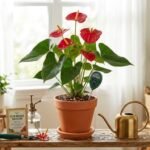
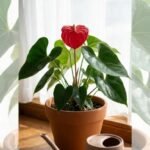
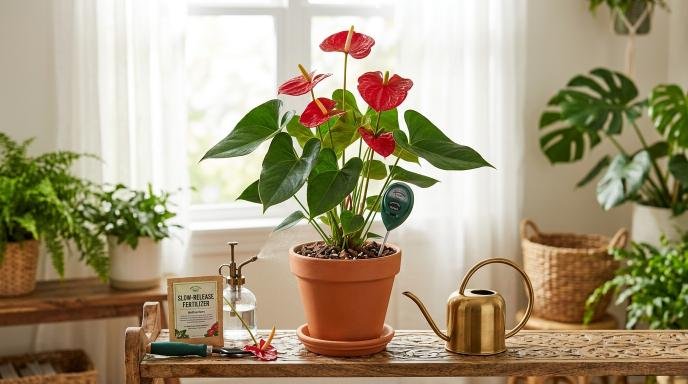
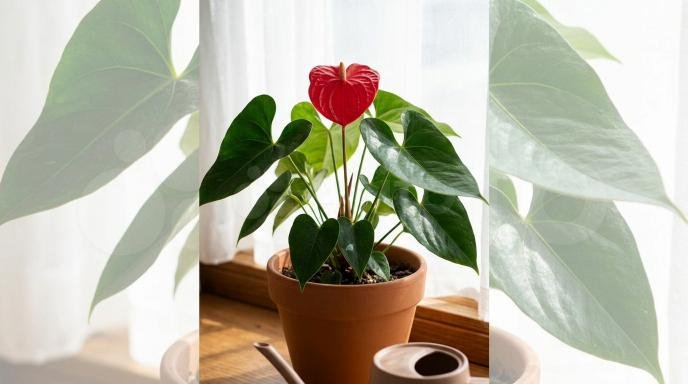
Image suggestion: A healthy indoor ornamental plant positioned near a bright window with suitable indirect light.
Common Monrovia Plant Care Problems and Solutions
Even well-maintained plants can experience problems. The important step is identifying the cause before applying a treatment.
Yellow leaves
Yellowing can result from:
- Excessive watering.
- Underwatering.
- Insufficient light.
- Nutrient deficiencies.
- Natural aging of older leaves.
- Root damage or environmental stress.
What to do: Check soil moisture, inspect drainage, review the plant’s light exposure, and determine whether the yellowing affects older leaves, new growth, or the entire plant.
A few aging lower leaves may be normal. Widespread yellowing accompanied by persistently wet soil deserves closer investigation.
Brown leaf tips and edges
Possible causes include:
- Irregular watering.
- Low humidity.
- Excessive fertilizer salts.
- Heat stress.
- Water quality sensitivities in certain species.
What to do: Examine the environment and watering routine. If fertilizer has been overapplied, follow appropriate guidance for correcting the growing medium without creating further root stress.
Wilting
Wilting is not always a sign that the plant needs more water.
A plant may wilt because its roots cannot absorb water effectively, even when the soil is wet.
What to do: Check the root zone before watering. If the soil is dry and the plant’s requirements support watering, water appropriately. If the soil is saturated, investigate drainage and root health.
Lack of flowers
Flowering plants may fail to bloom because of:
- Insufficient sunlight.
- Incorrect pruning timing.
- Excessive nitrogen fertilizer.
- Immaturity.
- Environmental stress.
- Seasonal or temperature requirements that have not been met.
What to do: Confirm the plant’s flowering habits, light needs, and pruning requirements before changing its fertilizer routine.
Pests
Common ornamental plant pests can include:
- Aphids.
- Spider mites.
- Mealybugs.
- Scale insects.
- Whiteflies.
What to do: Inspect the undersides of leaves, stems, and new growth. Identify the pest before choosing a treatment. For minor infestations, physical removal or washing may help, depending on the plant. If a pesticide is necessary, use one labeled for the plant and pest, following all directions and precautions.
Root rot
Root rot is often associated with prolonged waterlogging and poor drainage, although several pathogens and environmental conditions can contribute.
Possible warning signs include:
- Persistent wilting despite wet soil.
- Yellowing foliage.
- Dark, soft, or deteriorating roots.
- Unpleasant odors from the growing medium.
What to do: Examine the roots if the symptoms justify disturbing the plant. Remove severely damaged material using clean tools and correct the drainage or watering problem. Repotting into an appropriate medium may be necessary for container plants.
Quick troubleshooting table
| Problem | First thing to check | Appropriate response |
|---|---|---|
| Yellow leaves | Soil moisture and drainage | Correct watering or investigate other causes |
| Brown leaf edges | Watering, humidity, and heat | Adjust the environment and watering routine |
| Wilting | Root-zone moisture | Determine whether the plant is too dry or has damaged roots |
| No flowers | Sunlight and pruning timing | Correct growing conditions for the species |
| Sticky leaves | Possible sap-producing pests | Inspect for aphids, scale, and other insects |
| Slow growth | Light, temperature, roots, and season | Address limiting conditions before fertilizing |
| Soft, dark roots | Prolonged saturation or root disease | Improve drainage and assess root damage |
Image suggestion: A plant problem identification chart showing yellow leaves, brown tips, wilting, pest damage, and healthy foliage.
How to Care for a Newly Purchased Monrovia Plant
Newly purchased plants may experience stress when moved from a nursery or garden center to a different environment.
Changes in light, temperature, humidity, watering, and wind exposure can temporarily affect their growth.
Step 1: Inspect the plant
Before placing it in your garden or among other houseplants, examine:
- Leaves for discoloration or unusual spotting.
- Stems for damage.
- Soil for excessive dryness or saturation.
- Foliage and stems for visible pests.
- The container for drainage problems.
If you notice pests, keep the plant separated from other susceptible plants while you identify and address the issue.
Step 2: Choose a suitable location
Match the plant’s light and temperature requirements rather than choosing a location based only on appearance.
For outdoor plants, consider exposure to wind, afternoon heat, and local winter conditions.
For indoor plants, consider available light, drafts, and the distance from heating or cooling vents.
Step 3: Water according to need
Check the original root ball because it may dry at a different rate from the surrounding garden soil or new potting mix.
Water when appropriate for the species, ensuring that excess water can drain away.
Step 4: Avoid unnecessary changes
Repotting, heavy pruning, fertilizing, and relocating a plant all at once can add stress.
Unless there is an urgent problem, allow the plant to adjust before making unnecessary changes.
Step 5: Monitor its progress
Watch for new growth, changes in leaf condition, and signs of water stress.
Some plants may take time to establish after planting. A temporary pause in growth does not automatically mean the plant is failing.
Practical tip: For newly planted outdoor shrubs and trees, pay particular attention to the original root ball. The surrounding soil may appear moist while the root ball itself has become dry.
Image suggestion: A step-by-step illustration showing inspection, placement, watering, and monitoring of a newly purchased plant.
How to Plant a Monrovia Shrub or Perennial Outdoors
If your Monrovia plant is intended for outdoor planting, proper establishment can make a substantial difference to its long-term health.
The following process applies broadly to many shrubs and perennials, although species-specific instructions should take priority.
Planting instructions
- Choose the planting site. Confirm that sunlight, soil conditions, drainage, and available space suit the plant.
- Prepare the soil. Remove weeds and loosen the soil in the planting area without unnecessarily disturbing surrounding roots.
- Dig an appropriate hole. Make it wide enough to accommodate the root ball comfortably. Avoid digging excessively deep.
- Inspect the roots. If the plant is root-bound, gently loosen the outer roots where appropriate. Avoid damaging healthy roots unnecessarily.
- Set the planting depth. Position the plant so the root flare or top of the root ball is at the appropriate level for the species. Avoid burying the stem or trunk too deeply.
- Backfill the hole. Use suitable soil and gently firm it around the root ball without heavily compacting the ground.
- Water thoroughly. Help settle the soil around the roots while ensuring that the site drains properly.
- Apply mulch if suitable. A layer of organic mulch can help conserve moisture and moderate soil temperature. Keep mulch away from direct contact with stems and trunks.
- Monitor establishment. Check the root zone regularly and adjust watering according to weather, soil moisture, and the plant’s requirements.
How much space should you leave?
Consider the plant’s expected mature width and height.
Planting shrubs too close together may lead to overcrowding, reduced airflow, and frequent pruning.
A plant that appears small in its nursery container may eventually require several feet of growing space. Always account for its mature dimensions when planning a landscape.
Image suggestion: A cross-section diagram showing correct planting depth, root-ball placement, backfill, and mulch positioning.
Practical Expert Tips for Better Results
Small adjustments to your routine can prevent many common plant problems.
Observe before making changes
When a plant looks unhealthy, avoid changing its watering, fertilizer, light, and location simultaneously.
Make a careful assessment first. Changing several conditions at once makes it harder to determine which factor caused the problem or which adjustment helped.
Keep a simple plant-care record
For valuable or demanding plants, record:
- Plant name and variety.
- Planting or repotting date.
- Approximate sunlight exposure.
- Watering observations.
- Fertilizer applications.
- Pruning dates.
- Pest or disease issues.
A short record can reveal patterns that are difficult to notice from memory alone.
Use mulch appropriately
For suitable outdoor plants, mulch can help conserve soil moisture, reduce weed competition, and moderate soil temperatures.
However, excessively deep mulch or mulch piled against stems can create problems. Keep it at an appropriate depth and maintain clearance around the plant’s base.
Avoid unnecessary transplanting
Moving a plant repeatedly can disturb its roots and interrupt establishment.
Before relocating a struggling plant, determine whether the problem is genuinely related to its location or whether watering, drainage, pests, or another factor is responsible.
Pay attention to drainage
Drainage problems can remain hidden until symptoms become severe.
If a plant repeatedly wilts despite wet soil, check whether water is accumulating around its roots. Improving drainage or choosing a more suitable planting site may be more effective than changing the watering schedule alone.
Match care to the climate
A plant’s performance depends partly on the conditions where it grows.
Consider:
- Local winter minimum temperatures.
- Summer heat intensity.
- Rainfall patterns.
- Humidity.
- Wind exposure.
- Seasonal changes in daylight.
A care routine that works in one climate may need adjustment in another.
Frequently Asked Questions About Monrovia Plant Care
How do you care for Monrovia plants?
Start by identifying the plant species and understanding its specific needs. Provide suitable sunlight, water according to soil moisture, use appropriate soil, and maintain proper drainage. Prune and fertilize only when appropriate for the plant.
Are Monrovia plants suitable for beginners?
Many ornamental plants are suitable for beginners, but their difficulty depends on the species. Some tolerate occasional watering mistakes, while others require more precise light, moisture, or temperature conditions. Choose a plant that matches your experience and growing environment.
How often should I water my Monrovia plant?
There is no universal watering schedule. Check the soil moisture, plant type, weather, container size, and drainage before watering. Plants growing in hot, sunny conditions may need more frequent watering than those growing in cool or shaded locations.
Can Monrovia plants grow indoors?
Some plants are suitable for indoor growing, particularly those that tolerate indoor light and temperature conditions. However, many landscape shrubs, trees, and outdoor ornamentals are not suitable as permanent houseplants. Check the requirements of the specific species before bringing it indoors.
Why are the leaves on my Monrovia plant turning yellow?
Yellow leaves may result from overwatering, underwatering, insufficient light, nutrient deficiencies, root damage, or natural leaf aging. Check soil moisture and drainage first, then evaluate the plant’s light exposure and other growing conditions.
Do Monrovia plants need fertilizer?
Some plants benefit from fertilizer during active growth, while others require little additional feeding when growing in suitable soil. Choose a fertilizer appropriate for the species and follow its application instructions. Avoid fertilizing severely stressed plants before addressing the underlying problem.
When should I prune my Monrovia shrubs?
Pruning time depends on the shrub’s growth and flowering habits. Some shrubs bloom on old wood, while others flower on new growth. Identify the plant before pruning so you do not accidentally remove developing flower buds.
Why is my Monrovia plant wilting even though I water it?
Wilting can occur when soil is too dry, but it can also indicate waterlogged soil or damaged roots. Check moisture around the root ball before adding more water. If the soil is saturated, investigate drainage and root health.
Can Monrovia plants survive winter outdoors?
Winter survival depends on the plant species, its cold tolerance, local temperatures, and growing conditions. Some plants tolerate freezing temperatures, while others require protection or should be grown in containers that can be moved to shelter.
How do I know when to repot a Monrovia plant?
Repot when the plant becomes root-bound, its container no longer provides adequate space, or the growing medium has deteriorated. Choose a suitable container with drainage and avoid moving the plant into an unnecessarily large pot.
Should I remove dead leaves from my Monrovia plant?
Removing dead or damaged leaves can improve appearance and help you monitor plant health. Use clean tools when necessary, and avoid removing excessive healthy foliage. If the leaves show signs of disease, identify the problem and dispose of affected material appropriately.
Why is my Monrovia flowering plant not blooming?
Insufficient sunlight, incorrect pruning, excessive nitrogen, immaturity, and unsuitable growing conditions can all affect flowering. Check the plant’s specific sunlight and flowering requirements before changing its fertilizer or pruning routine.
Related Plant Care Topics for Internal Linking
If you are building a plant-care website, the following related articles can help readers explore more specific growing requirements.
- Indoor Plant Care: How to choose suitable indoor locations, manage watering, and maintain healthy foliage.
- Outdoor Plant Care: How to establish landscape plants, manage seasonal changes, and maintain garden soil.
- Shrub Care: How to plant, prune, water, and maintain ornamental shrubs.
- Perennial Plant Care: How to support flowering, manage seasonal growth, and prepare perennials for winter.
- Container Gardening: How to select pots, improve drainage, and maintain healthy container-grown plants.
- Plant Watering Guide: How to recognize overwatering, underwatering, and changing moisture requirements.
- Plant Pruning Guide: How to identify suitable pruning times and avoid removing developing flower buds.
- Plant Problems and Solutions: How to identify yellow leaves, wilting, pests, and other common growing problems.
These topics are most useful when the related article provides additional information that directly supports the reader’s plant-care needs.
Conclusion
Successful Monrovia plant care begins with understanding the individual plant rather than following a single routine for every variety. Different plants have different requirements for sunlight, soil moisture, drainage, fertilizer, pruning, and seasonal protection.
To give your plant the best opportunity to thrive:
- Identify its species and growing requirements.
- Choose a location with suitable sunlight and enough room for mature growth.
- Check soil moisture before watering.
- Maintain appropriate drainage and growing conditions.
- Prune and fertilize according to the plant’s needs.
- Monitor new growth and investigate problems before making major changes.
The most useful plant-care habit is to observe first and adjust second. By paying attention to your plant’s growing environment and responding to its actual needs, you can avoid many common mistakes and build a healthier, more attractive garden.
A consistent, species-specific approach will help you care for your Monrovia plants with greater confidence throughout the year.