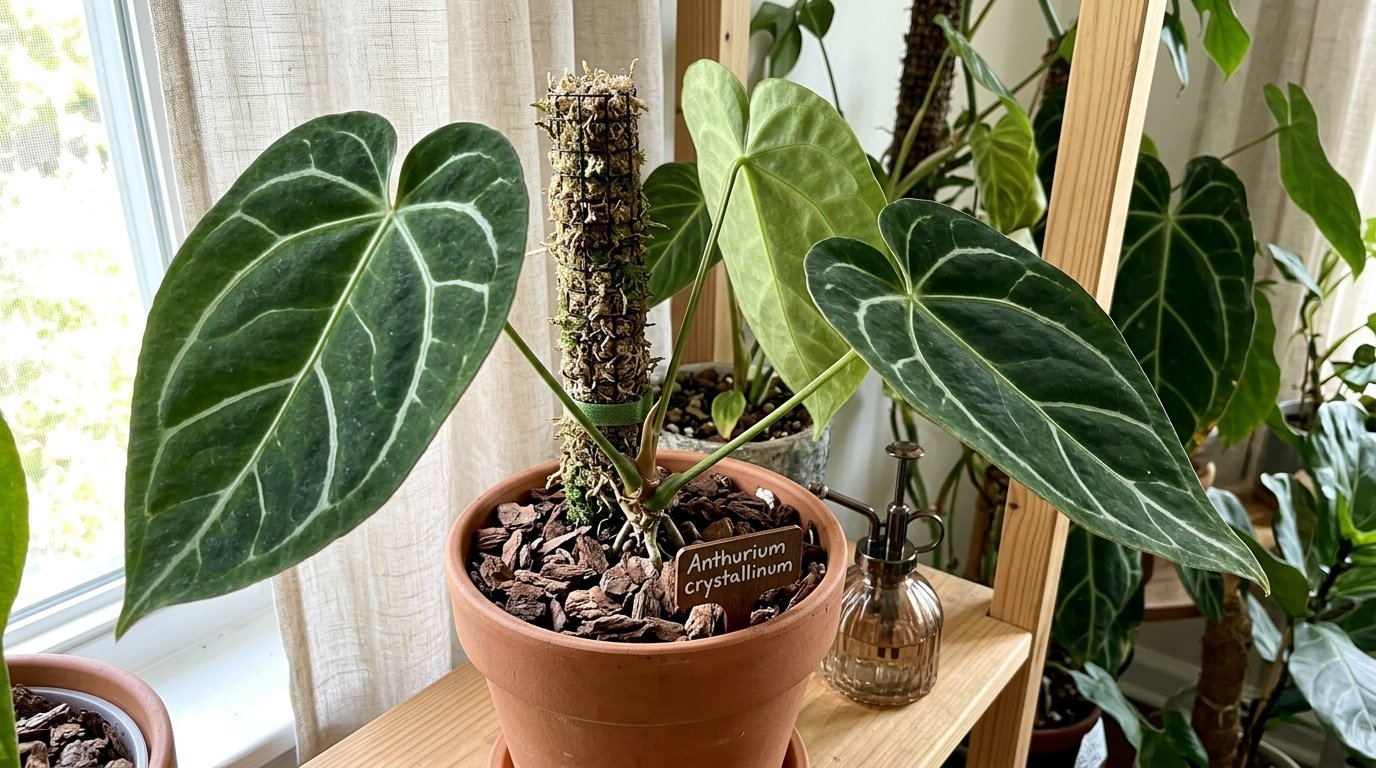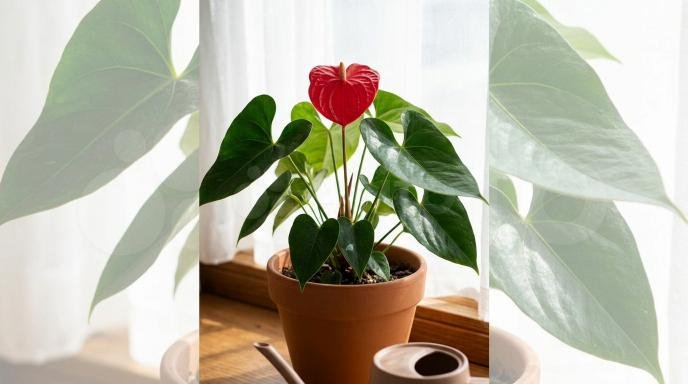
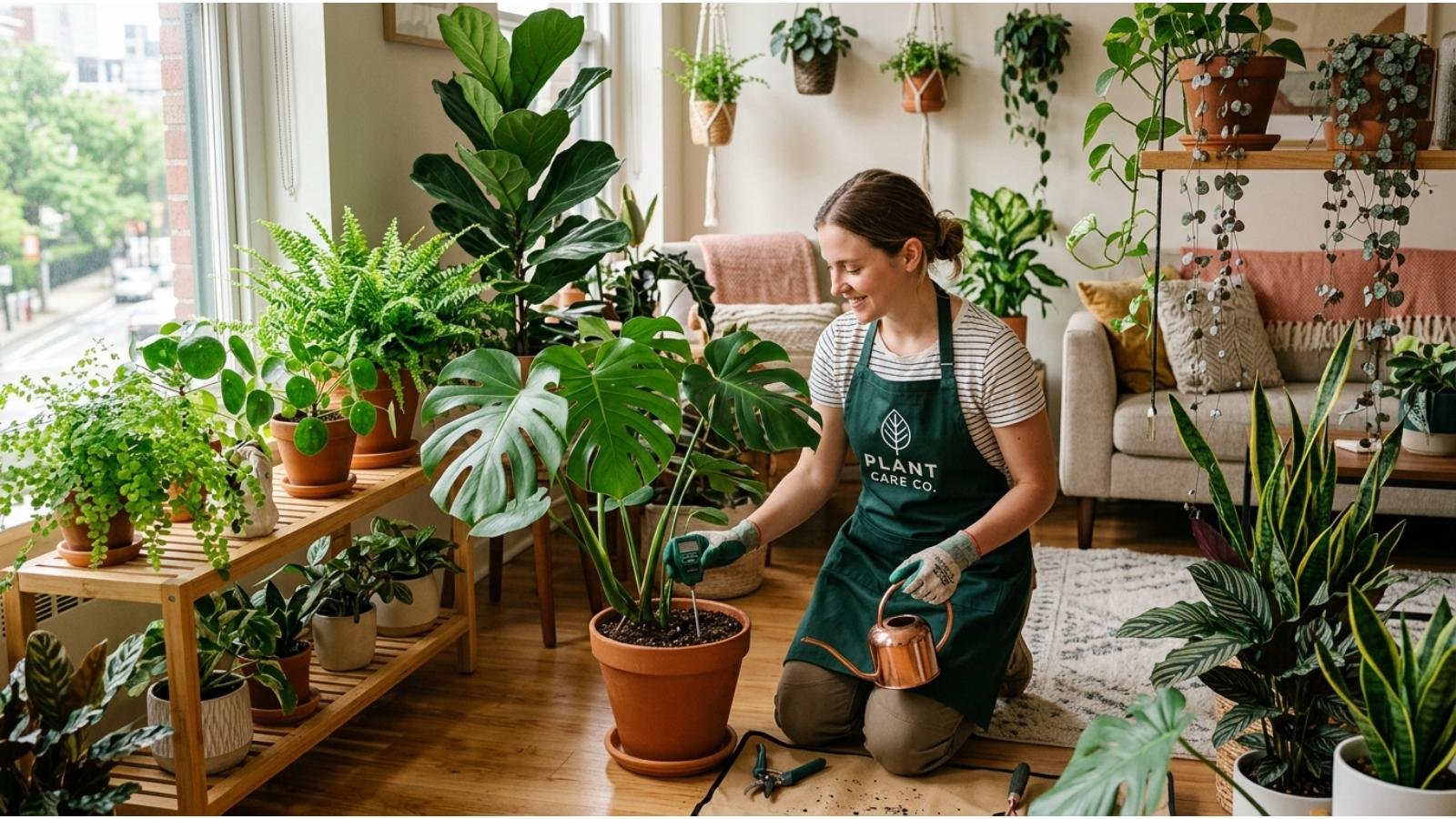
Quick Answer
A plant care service provides professional maintenance for indoor and outdoor plants, including watering, pruning, fertilizing, cleaning, pest monitoring, repotting, plant health checks, and replacement when necessary.
It can be arranged as a one-time visit or a recurring maintenance plan. Professional care is especially useful for busy homeowners, offices, businesses, hotels, and anyone managing a large plant collection.
Introduction
Keeping plants healthy is about much more than remembering to water them. Plants respond to light, temperature, humidity, soil condition, drainage, nutrition, pests, and seasonal changes. When one of these factors is consistently wrong, a plant can decline even when it appears to be receiving regular attention.
A plant care service takes the routine work out of plant maintenance while adding a more systematic approach to plant health. Instead of treating yellow leaves, wilting, pests, or root problems only after they become obvious, professional care can focus on identifying problems early and adjusting the maintenance routine to each plant’s needs.
This can be particularly valuable when you have numerous plants, expensive specimens, large outdoor areas, or indoor plants located in offices and commercial spaces.
What Is a Plant Care Service?
A plant care service is a professional service designed to maintain the health, appearance, and growing conditions of plants.
Depending on the provider and property, a service may cover:
- Watering and moisture assessment.
- Pruning and trimming.
- Leaf cleaning and grooming.
- Fertilizing.
- Soil and drainage checks.
- Pest and disease monitoring.
- Repotting.
- Plant placement recommendations.
- Seasonal maintenance.
- Plant replacement.
- Garden and outdoor plant maintenance.
- Indoor office plant maintenance.
- Plant health assessments.
The important point is that professional plant care should not mean simply visiting a property and adding water to every pot.
Different plants have different requirements. A plant sitting beside a bright window may dry out much faster than one several feet away, while an air-conditioned office may require a different routine from a humid outdoor garden.
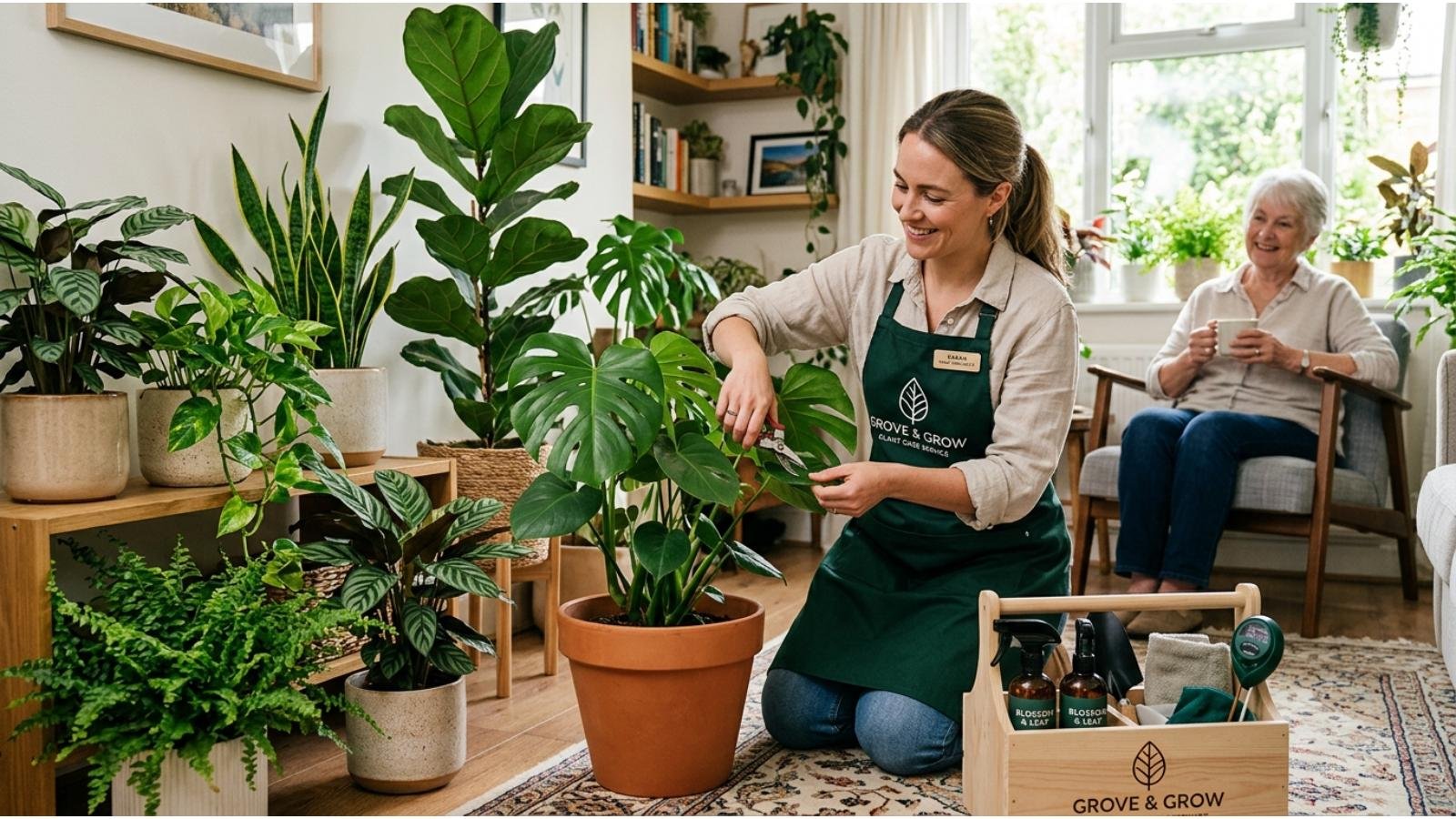
Who Can Benefit From Plant Care Services?
Professional plant maintenance can be useful for several types of plant owners.
Busy Homeowners
If you travel frequently or have a demanding schedule, routine plant maintenance can easily be forgotten.
A scheduled service can help with:
- Watering.
- Pruning.
- Fertilizing.
- Pest inspections.
- Repotting.
- Seasonal preparation.
This is particularly useful for people with large indoor collections or gardens.
Offices and Workplaces
Office plants often face conditions that differ considerably from residential environments.
Air conditioning, limited natural light, irregular watering, dust, and plants being placed in unsuitable locations can all contribute to declining plant health.
A maintenance program can help keep plants presentable while allowing employees to focus on their normal responsibilities.
Hotels and Commercial Properties
Hotels, restaurants, retail spaces, reception areas, and other businesses may have plants positioned where appearance matters.
For these environments, maintenance involves both plant health and presentation.
A healthy plant that is covered with dust or surrounded by dead leaves can still make a space look poorly maintained.
Large Gardens
Large outdoor areas can quickly become difficult to manage manually.
Regular professional maintenance may include lawn care, pruning, weeding, fertilization, irrigation checks, pest monitoring, and seasonal planting.

What Does a Plant Care Service Include?
The exact package varies, but a comprehensive service can include the following.
| Service | What It Involves | Why It Matters |
|---|---|---|
| Watering | Checking moisture and watering according to plant needs | Prevents both drought stress and overwatering |
| Pruning | Removing dead, damaged, or unwanted growth | Encourages healthier growth and improves appearance |
| Leaf cleaning | Removing dust and debris | Keeps foliage cleaner and improves presentation |
| Fertilizing | Supplying appropriate nutrients | Supports healthy growth when plants require additional nutrition |
| Pest monitoring | Checking leaves, stems, soil, and new growth | Helps identify infestations before they become severe |
| Soil checks | Assessing soil condition and drainage | Helps prevent chronic root problems |
| Repotting | Moving plants into suitable containers or fresh growing media | Provides additional space and improves growing conditions |
| Plant health checks | Looking for changes in color, growth, roots, and foliage | Helps identify problems early |
| Replacement | Removing plants that cannot reasonably recover | Maintains a healthy and attractive collection |
A good service should explain exactly which of these tasks are included rather than simply advertising “complete plant care.”
Watering Is More Complicated Than It Looks
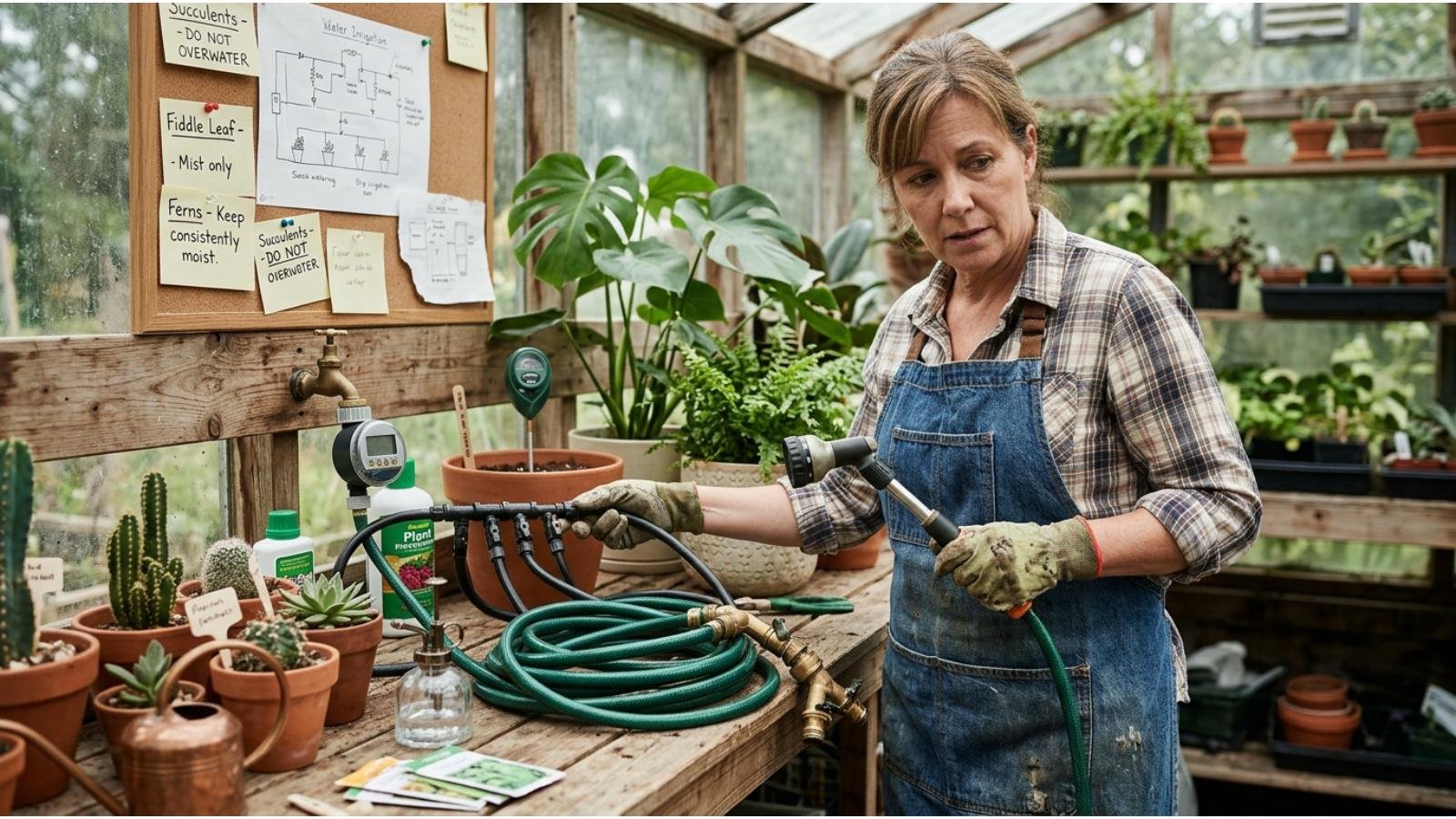
One of the most common plant-care mistakes is assuming every plant needs water on the same schedule.
A professional approach considers:
- Plant species.
- Pot size.
- Soil type.
- Drainage.
- Light exposure.
- Temperature.
- Humidity.
- Season.
- Recent watering.
- Root condition.
For example, watering a snake plant every few days simply because another houseplant needs frequent watering can create serious problems.
The Practical Rule
Do not use the calendar as the only indication that a plant needs water.
Instead, inspect the growing medium and consider the plant’s individual requirements.
More water does not automatically mean faster growth. In poorly draining soil, excessive moisture can reduce root health and eventually cause root rot.
Image Suggestion
Healthy plant versus overwatered plant: Show healthy roots, appropriate soil moisture, and common symptoms of excessive watering.
Pruning and Grooming
Pruning is not simply about making plants look smaller.
Correct pruning can help:
- Remove dead or damaged growth.
- Improve the plant’s appearance.
- Control unwanted growth.
- Encourage branching in appropriate plants.
- Remove diseased portions.
- Maintain plants within their available space.
However, aggressive pruning at the wrong time can create unnecessary stress.
A professional should identify the plant before deciding how much growth to remove.
A Common Mistake
Cutting every yellow leaf immediately without investigating why it became yellow can hide the underlying problem.
Yellow foliage may result from several causes, including watering problems, aging leaves, nutrient issues, insufficient light, pests, or root stress.
The symptom should be investigated before treatment begins.
Plant Health Inspections
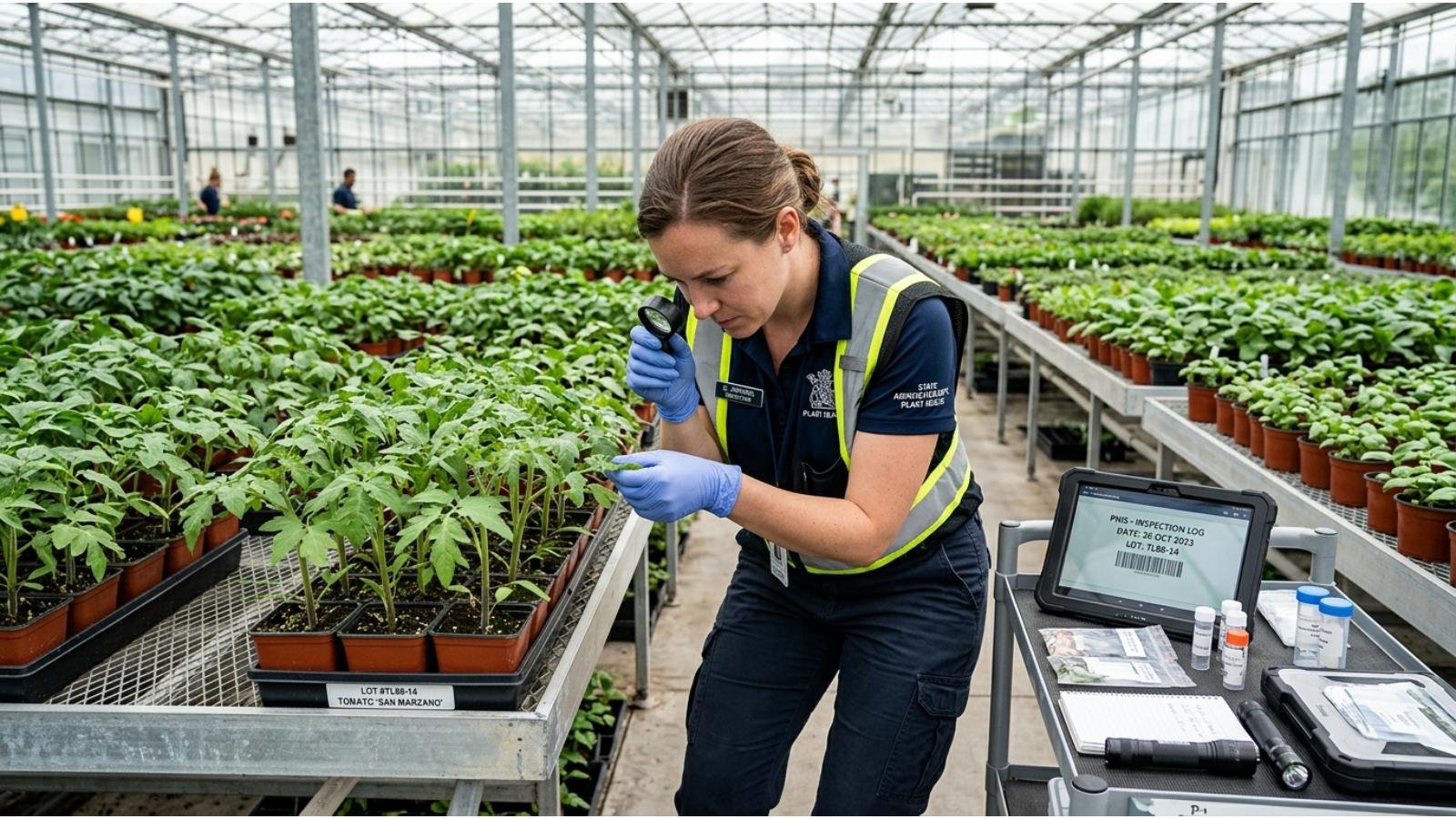
One of the biggest advantages of professional care is regular observation.
During an inspection, a plant-care professional may look for:
- Yellow or brown leaves.
- Wilting.
- Leaf spots.
- Curling leaves.
- Sticky residue.
- Webbing.
- Scale insects.
- Mealybugs.
- Fungus-related problems.
- Root issues.
- Unusual growth.
- Poor drainage.
- Signs of nutrient deficiency.
Early detection matters because small problems are usually easier to manage than advanced infestations or severe root damage.
Pest Management
Pests can spread quickly from one plant to another, particularly when plants are kept close together indoors.
Common plant pests include:
- Aphids.
- Spider mites.
- Mealybugs.
- Scale insects.
- Fungus gnats.
- Whiteflies.
- Thrips.
A plant care service should ideally include regular inspection, not just treatment after an infestation becomes obvious.
Why Prevention Matters
If one plant has pests, immediately treating the visible leaves may not solve the problem.
The surrounding plants, soil, stems, undersides of leaves, and nearby growing areas should also be inspected.
Where treatment is necessary, the method should be appropriate for the plant, infestation, environment, and people or pets using the space.
Soil and Drainage Checks
Healthy roots require more than water.
The growing medium should provide an appropriate balance of:
- Moisture.
- Air.
- Drainage.
- Physical support.
- Nutrient availability.
A decorative container without adequate drainage can become a serious problem.
Signs of a Possible Drainage Problem
Watch for:
- Soil remaining wet for unusually long periods.
- Persistent yellowing.
- Soft or declining stems.
- Foul-smelling soil.
- Repeated wilting despite wet soil.
- Roots becoming dark and unhealthy.
Repotting is not always the immediate answer. First determine why the current setup is failing.
Indoor Plant Care Services
Indoor plants require a slightly different approach from outdoor gardening.
A professional assessment should consider the actual indoor environment.
Light
A plant marketed as “low light” still needs enough light to survive.
Placing a plant in a dark corner and compensating with more water is a common mistake.
Air Conditioning
Constant airflow from an air-conditioning vent can affect some plants by creating a dry or fluctuating microenvironment.
Plants should not automatically be positioned directly beneath or beside strong vents.
Dust
Dust can accumulate on broad leaves, reducing their visual quality and potentially interfering with normal leaf function.
Regular cleaning can therefore be part of indoor plant maintenance.
Placement
The best plant is not necessarily the most attractive plant at the nursery.
The better question is:
Which plant can actually thrive in this particular location?
Outdoor Plant Care Services
Outdoor maintenance may involve much more than individual plant care.
Depending on the property, services can include:
- Lawn maintenance.
- Hedge trimming.
- Tree and shrub pruning.
- Weeding.
- Fertilization.
- Soil improvement.
- Irrigation inspection.
- Pest monitoring.
- Seasonal planting.
- Mulching.
- Garden cleanup.
- Plant replacement.
Outdoor plants are also affected by weather, rainfall, heat, wind, soil conditions, and seasonal growth cycles.
That means a maintenance schedule should change when conditions change.
How Often Should Plants Be Serviced?
There is no universal schedule that works for every plant collection.
Service frequency depends on:
- Number of plants.
- Plant types.
- Indoor or outdoor location.
- Climate.
- Season.
- Property size.
- Irrigation system.
- Pest pressure.
- Plant maturity.
- Required appearance standard.
A small collection of hardy houseplants may need occasional professional assistance, while a large commercial interior landscape may require frequent scheduled visits.
A Better Approach
Instead of asking only, “How often should someone visit?”, ask:
“What tasks need to happen between visits, and what happens if a plant develops a problem?”
That question produces a much more useful maintenance plan.
One-Time Plant Care vs Recurring Service
One-Time Service
A one-time visit can make sense when you need:
- Plant health assessment.
- Repotting.
- Pest diagnosis.
- Garden cleanup.
- Pruning.
- Plant rescue.
- Holiday or travel preparation.
- Advice about plant placement.
Recurring Service
A recurring plan is more suitable when plants need continuous attention.
It may include:
- Scheduled watering.
- Regular pruning.
- Plant inspections.
- Fertilization.
- Cleaning.
- Pest monitoring.
- Seasonal adjustments.
- Replacement recommendations.
The right option depends on how much ongoing maintenance your plants actually require.
How to Choose a Plant Care Service
Do not choose a provider based only on the cheapest quotation.
Instead, ask practical questions.
1. What Exactly Is Included?
Ask for a written list of services.
Clarify whether watering, pruning, fertilization, pest control, repotting, and replacements are included.
2. How Are Plants Assessed?
A provider should understand that plants differ in their water, light, soil, and maintenance requirements.
3. How Are Pest Problems Handled?
Ask whether pest monitoring is routine and what happens when an infestation is discovered.
4. Are Replacement Plants Included?
If a plant dies, find out:
- Who pays for the replacement?
- Is the plant replaced automatically?
- Is labor included?
- Are there exclusions?
- What qualifies for replacement?
5. How Often Are Visits Scheduled?
The frequency should match the plants and property rather than simply following a standard package.
6. Is There a Service Report?
For offices and commercial properties, written records can be particularly useful.
A report can document:
- Date of visit.
- Work completed.
- Plant health concerns.
- Pest observations.
- Recommended actions.
- Replacement requirements.
Questions to Ask Before Signing a Contract
Before committing to recurring plant maintenance, ask these questions:
- What plants are covered?
- How frequently will the property be visited?
- Is watering included?
- Is fertilization included?
- Is pruning included?
- Is pest treatment included?
- Are repotting services included?
- Are replacement plants included?
- What happens during holidays?
- Are emergency visits available?
- Are materials included in the price?
- Are additional visits charged separately?
- Is there a minimum contract period?
- Will I receive maintenance reports?
A low monthly price can become expensive if many essential tasks are billed separately.
Plant Care Service for Offices
Office plant maintenance deserves special attention because plants often sit in fixed locations.
A plant that continually struggles in one position may not have a watering problem at all.
It may be receiving:
- Too little natural light.
- Excessive air-conditioning.
- Heat from electronics.
- Drafts.
- Irregular human interference.
- Poor drainage.
For offices, a useful service should therefore combine maintenance with observation.
If a plant repeatedly declines, replacing it with another identical plant without changing its environment may simply repeat the same failure.
Image Suggestion
Office plant maintenance checklist: Show plant inspection, leaf cleaning, pruning, watering assessment, pest inspection, and documentation.
Plant Care Service for Large Plant Collections
Collectors often face a different challenge: complexity.
When you own dozens or hundreds of plants, remembering every watering preference, repotting date, fertilization requirement, and pest issue becomes difficult.
A plant-care system can help organize:
- Plant names.
- Locations.
- Watering requirements.
- Repotting history.
- Fertilization records.
- Pest treatments.
- Growth observations.
- Replacement dates.
For valuable collections, keeping records can be just as important as performing the physical maintenance.
Common Mistakes to Avoid
Treating Every Plant the Same
Different species have different requirements.
Watering on a Fixed Schedule
A calendar cannot see what is happening inside the soil.
Fertilizing Weak Plants Automatically
More fertilizer is not always the solution to poor growth.
Ignoring Light
Watering cannot compensate for chronically inadequate light.
Treating Symptoms Without Finding the Cause
Yellow leaves, wilting, and brown tips are symptoms rather than diagnoses.
Waiting Until Pests Are Obvious
Small infestations are easier to manage than widespread infestations.
Choosing Plants Based Only on Appearance
A beautiful plant is a poor choice if the environment cannot support it.
Failing to Define a Service Contract
Unclear responsibilities can create disagreements about replacements, treatments, extra visits, and materials.
When Should You Hire a Professional?
Consider professional plant care when:
- You have many plants.
- Your plants repeatedly decline.
- You travel frequently.
- You manage office plants.
- You operate a hotel, restaurant, or commercial property.
- You have a large garden.
- You cannot identify recurring pest problems.
- Your plants require regular pruning.
- You have expensive or unusual plants.
- You need consistent maintenance records.
For a small collection of easy-care plants, professional service may not be necessary. But as plant numbers and maintenance complexity increase, professional assistance can save time and reduce avoidable problems.
How a Professional Plant Care Visit Should Work
A well-organized service can follow a simple process.
Step 1: Assess the Space
Inspect light, temperature, airflow, drainage, plant placement, and general condition.
Step 2: Identify Plant Needs
Determine which plants need water, pruning, cleaning, feeding, repotting, or closer observation.
Step 3: Perform Routine Maintenance
Complete the agreed maintenance tasks carefully rather than applying the same treatment to every plant.
Step 4: Inspect for Problems
Check foliage, stems, soil, roots where accessible, pests, and signs of disease.
Step 5: Record Issues
Document plants that need additional attention.
Step 6: Adjust the Plan
If environmental conditions change, the maintenance schedule should change with them.
This last step is frequently overlooked. Plant care is not a set-and-forget activity.
How Much Does Plant Care Service Cost?
There is no single universal price because the cost depends on the scope of work.
Important pricing factors include:
- Number of plants.
- Property size.
- Indoor or outdoor maintenance.
- Visit frequency.
- Plant types.
- Pest problems.
- Pruning requirements.
- Repotting requirements.
- Fertilizers and other materials.
- Replacement policy.
- Travel distance.
- Emergency or additional visits.
When comparing prices, compare the total scope, not just the monthly number.
A cheaper package that excludes pest treatment, replacement plants, or additional visits may ultimately cost more.
Signs of a High-Quality Plant Care Service
Look for a provider that:
- Examines plants individually.
- Asks about environmental conditions.
- Understands drainage and soil.
- Monitors for pests.
- Explains treatments.
- Provides a clear scope of work.
- Keeps useful maintenance records.
- Adjusts care according to seasons and plant requirements.
- Communicates problems before they become serious.
- Clearly explains additional charges.
Professional plant care should be based on plant health rather than simply completing a checklist.
Frequently Asked Questions
What is a plant care service?
A plant care service is professional maintenance for indoor or outdoor plants. Depending on the package, it can include watering, pruning, fertilizing, cleaning, pest monitoring, repotting, plant health assessments, and replacements.
How often should a plant care service visit?
The appropriate frequency depends on the plants, environment, season, property size, and maintenance requirements. Some collections need occasional assistance, while offices and large gardens may require regular visits.
Is professional plant care worth it?
It can be useful when you have numerous plants, limited time, recurring plant problems, or commercial greenery that needs consistent maintenance. The value depends on the size and complexity of the collection and the services included.
Does plant care include watering?
Many plant care packages include watering, but this should be confirmed before hiring a provider. A professional service should ideally assess soil moisture and plant requirements rather than automatically watering everything.
Can a plant care service save dying plants?
Sometimes. The outcome depends on the cause and severity of the problem. Early intervention can improve the chances of recovery, but severely damaged roots, advanced disease, or prolonged environmental stress may make recovery difficult.
Do plant care services handle pests?
Many professional services can monitor for and manage common plant pests. Ask specifically what pests, treatments, and follow-up visits are covered by the agreement.
Can plant care services maintain office plants?
Yes. Office plant maintenance commonly involves watering, pruning, leaf cleaning, health inspections, pest monitoring, and recommendations about plant placement.
Does a plant care service provide replacement plants?
Some services offer replacements while others charge separately. Always check the replacement policy before signing a contract.
Is plant care different in summer and winter?
Yes. Plant growth, water use, light levels, temperature, and indoor conditions can change throughout the year. A good maintenance plan should be flexible enough to respond to these changes.
Should I hire plant care or do it myself?
For a small collection of straightforward plants, DIY care may be practical. Professional service becomes more useful as the number, value, or maintenance complexity of your plants increases.
Final Takeaway
A good plant care service is more than someone arriving to water plants. Effective maintenance combines observation, correct watering, pruning, nutrition, pest monitoring, soil management, environmental assessment, and timely intervention.
The most important factor is not how frequently someone visits your property. It is whether the care plan responds to what the plants actually need.
For homeowners, that can mean healthier plants with less daily effort. For offices and businesses, it can mean consistent presentation and fewer recurring plant problems. Before hiring a provider, define the services, visit schedule, replacement policy, additional charges, and reporting process in writing.
The best plant-care routine is ultimately a preventive one: identify what your plants need, monitor changes, correct problems early, and adjust care as conditions change.