Quick Answer
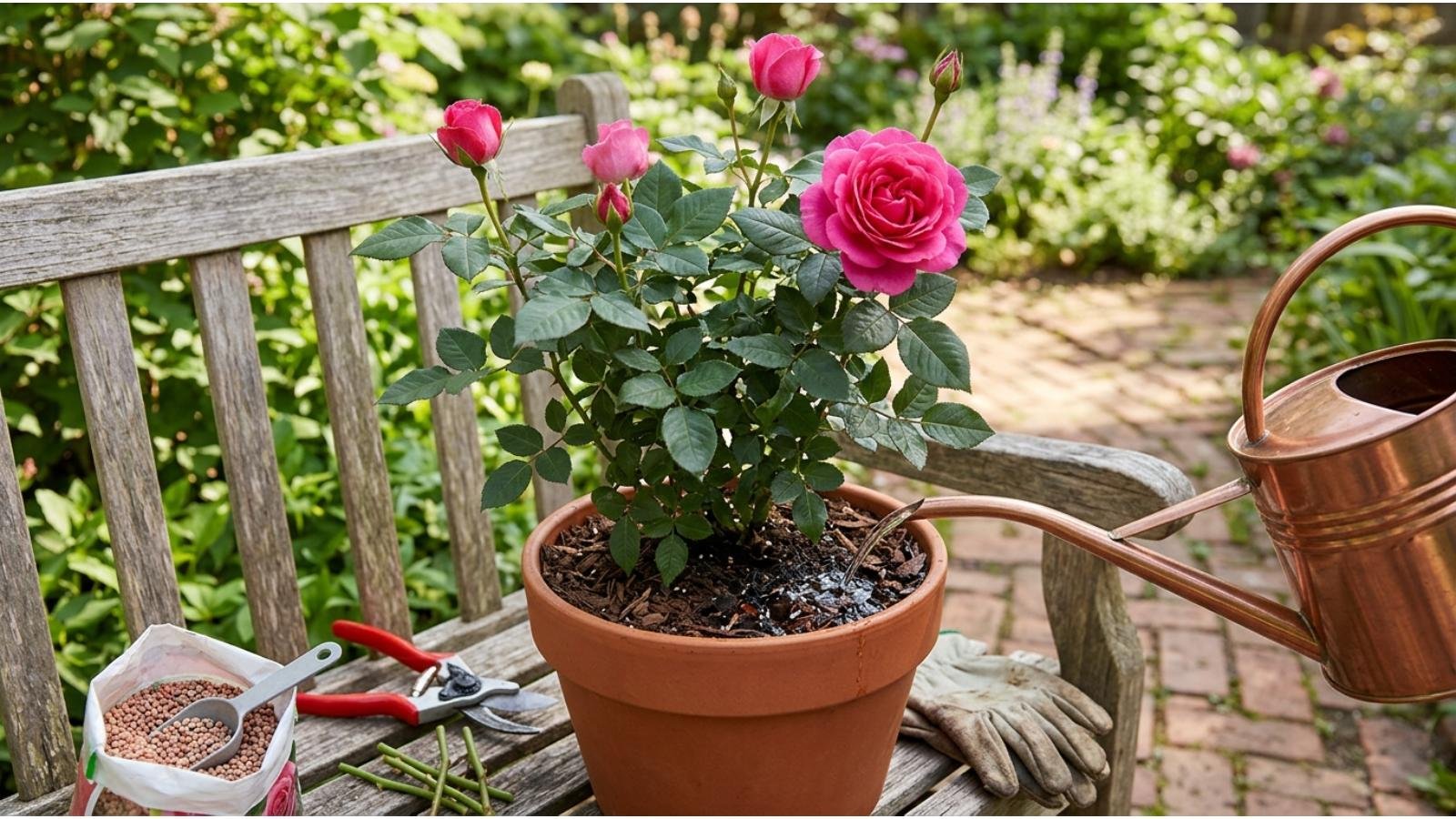
Rose plant care starts with plenty of sunlight, well-draining fertile soil, consistent watering, good airflow, and regular pruning. Most roses perform best with about 6 or more hours of direct sunlight daily.
Water deeply when the soil begins to dry rather than giving frequent shallow drinks, keep foliage as dry as practical, feed according to the plant’s growth and soil conditions, and remove dead or diseased growth promptly. Good spacing and sanitation also help reduce common problems such as black spot and powdery mildew.
Introduction
Growing roses successfully is not simply a matter of watering them and waiting for flowers. A healthy rose needs the right balance of sunlight, moisture, nutrition, pruning, airflow, and soil conditions.
The good news is that rose plant care becomes much easier when you understand what the plant is actually responding to. Yellow leaves do not automatically mean the rose needs fertilizer, and wilted leaves do not always mean it needs more water. Sometimes the underlying problem is poor drainage, damaged roots, disease, heat stress, or a pest infestation.
One of the most useful habits is to inspect the entire plant before changing its care routine. Look at the soil, leaves, stems, buds, and new growth. Small changes can often reveal a problem before it becomes severe.
How Much Sunlight Do Roses Need?
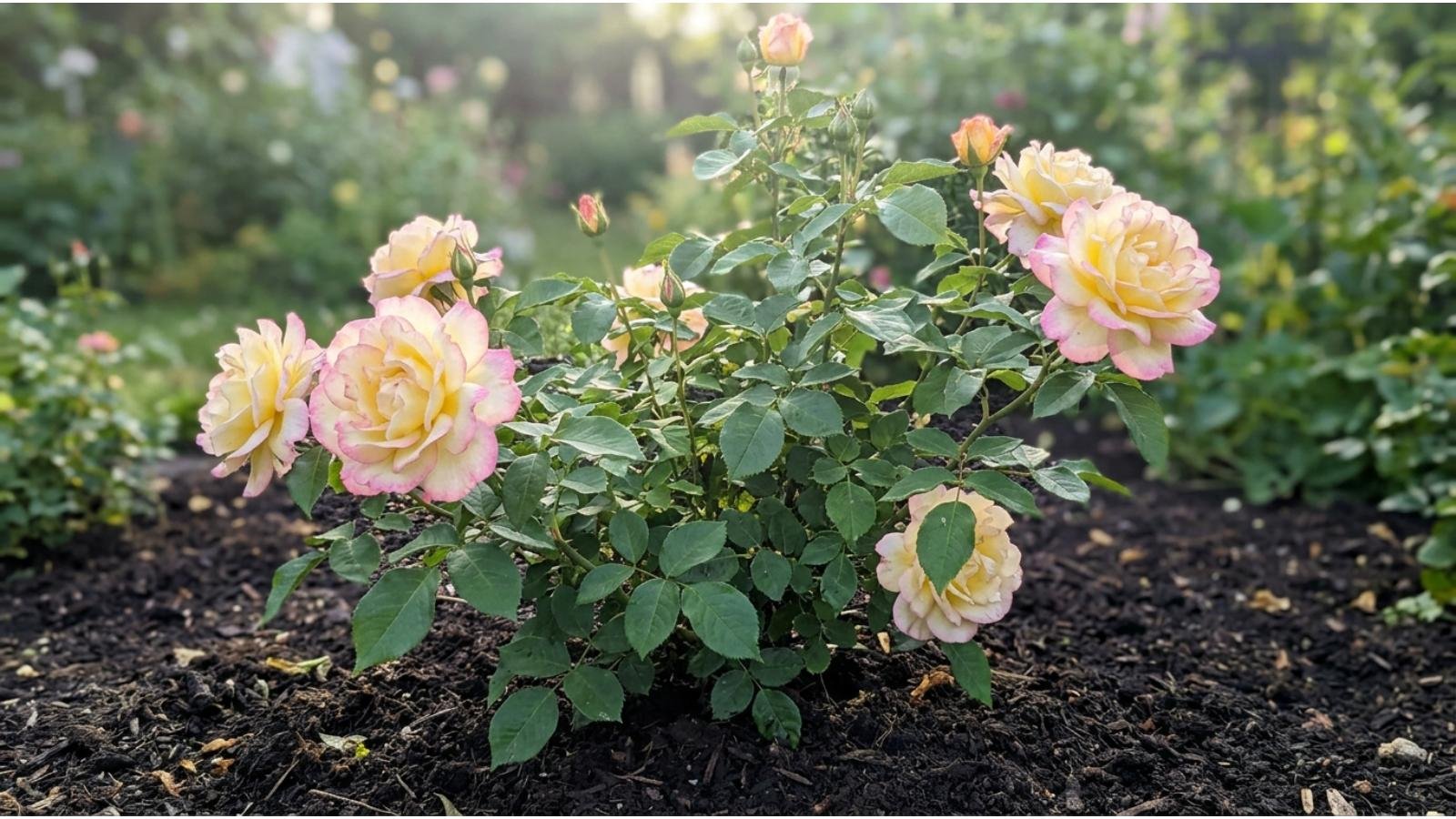
Roses generally perform best in a location receiving around 6 or more hours of direct sunlight each day.
Sunlight matters because roses use light to produce the energy needed for vigorous growth and flowering. A plant receiving too little light may produce weaker growth, fewer flowers, and foliage that stays damp for longer.
When choosing a location:
- Select an open, sunny position.
- Avoid areas shaded by buildings or large trees for most of the day.
- Give the plant enough room for air to move around it.
- Avoid placing roses where water constantly collects.
- Consider the mature size of the variety rather than its size when purchased.
Morning sunlight can be particularly useful because it helps foliage dry after overnight moisture.
Practical tip: If a rose receives several hours of sunlight but still struggles to flower, do not immediately assume fertilizer is the answer. Check light exposure, pruning practices, watering, plant maturity, and overall plant health first.
Image Suggestion: A healthy rose growing in a bright, open garden compared with a rose growing in excessive shade.

What Soil Is Best for Rose Plants?
Roses prefer fertile soil that holds enough moisture for healthy roots while allowing excess water to drain away.
Poor drainage can create serious problems because constantly saturated soil reduces the oxygen available around the roots. On the other hand, extremely sandy soil may drain so rapidly that the plant struggles to maintain consistent moisture.
A good rose-growing soil should generally be:
- Well draining.
- Rich in organic matter.
- Able to retain moderate moisture.
- Loose enough for roots to develop.
- Free from persistent standing water.
Before planting, improve poor soil with suitable organic matter rather than creating a small pocket of dramatically different soil around the roots.
If the planting site remains wet after rain, solving the drainage problem is more important than simply adding fertilizer.
How to Water Roses Properly
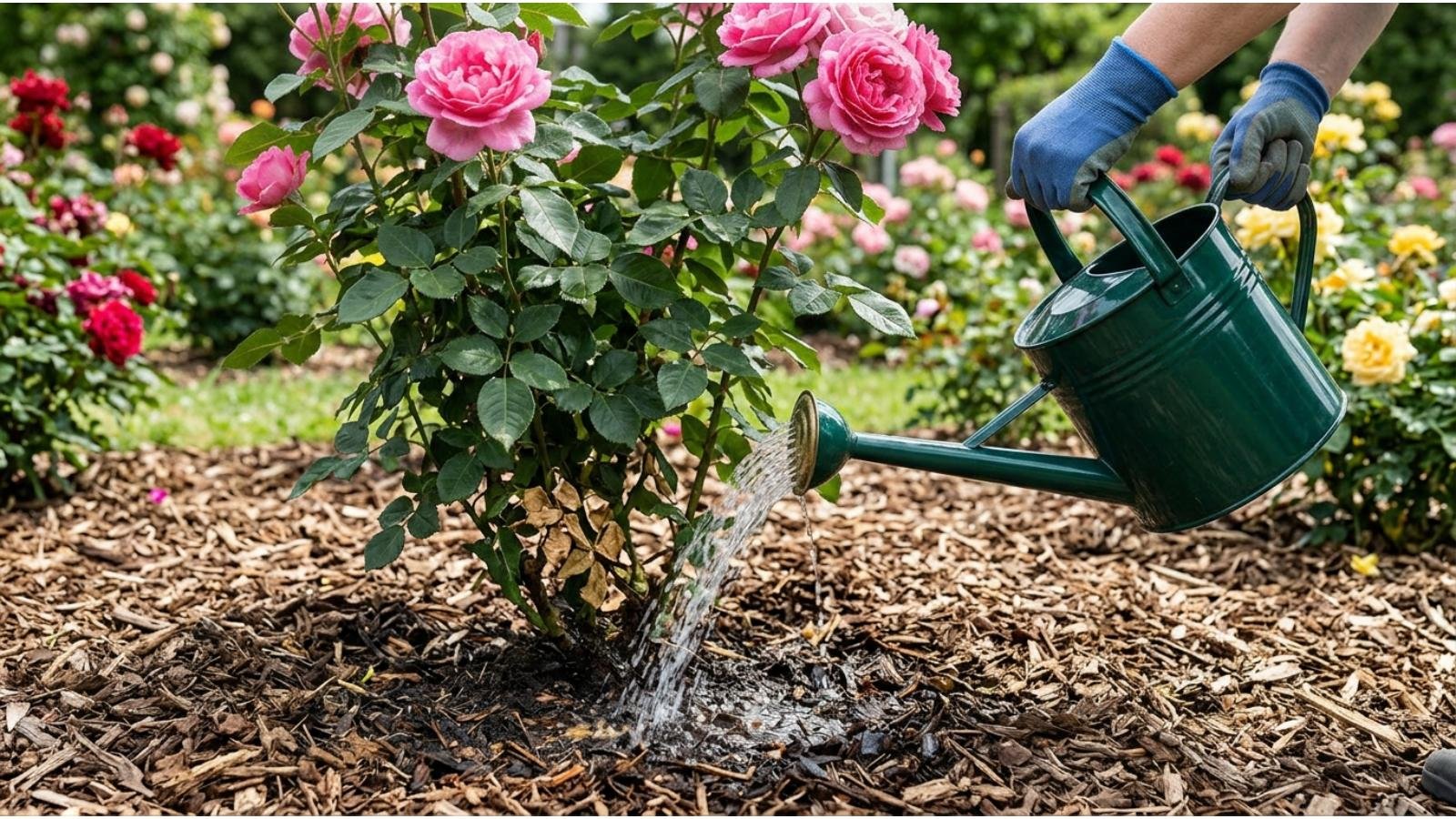
Watering is one of the most important parts of rose plant care, but more water is not automatically better.
Newly planted roses generally need closer attention while they establish their root systems. Established plants can often tolerate short periods between watering better than newly planted roses, but requirements vary with temperature, soil, rainfall, plant size, and container versus garden growing conditions.
A useful approach is:
- Check the soil near the root zone.
- Water when the soil has begun to dry rather than following an inflexible calendar.
- Water deeply enough to moisten the root zone.
- Avoid repeatedly wetting only the surface.
- Direct water toward the soil rather than spraying the foliage.
- Check the plant again during hot, dry weather.
Watering the soil instead of the foliage can help keep leaf surfaces dry and may reduce conditions favorable to some fungal diseases.
Signs of Possible Underwatering
A rose suffering from inadequate moisture may show:
- Wilting leaves.
- Drooping new growth.
- Dry soil.
- Smaller or poorly developed flowers.
- Leaf edges that become dry or brown during severe stress.
Signs of Possible Overwatering
Excessive watering or poor drainage may be associated with:
- Constantly wet soil.
- Yellowing foliage.
- Weak growth.
- Root problems.
- Sudden decline despite frequent watering.
Do not diagnose overwatering simply because leaves are yellow. Always inspect the soil and the overall condition of the plant.
How to Fertilize Roses
Roses are capable of producing substantial new growth and flowers, so nutrition matters. However, fertilizer should support good growing conditions rather than compensate for poor light, bad drainage, or inconsistent watering.
A sensible feeding strategy depends on:
- Rose variety.
- Soil fertility.
- Plant age.
- Growing season.
- Local climate.
- Existing fertilizer or compost use.
If possible, base major soil amendments on a soil test rather than applying large amounts of nutrients simply because the plant looks weak.
Overfertilizing can damage plants. Excess fertilizer can contribute to salt injury, which may appear as brown, dry leaf margins and poor root health.
A Better Fertilizing Habit
Instead of asking, “How much fertilizer can I give my rose?” ask:
“Does this plant actually need additional nutrients right now?”
A rose with adequate nutrition, good sunlight, and healthy roots should be allowed to grow naturally rather than being pushed continuously with fertilizer.
Pruning Roses Without Damaging the Plant
Pruning is one of the areas where gardeners often become unnecessarily nervous.
The goal is not simply to make the plant smaller. Good pruning helps remove dead or diseased growth, improve structure, encourage useful new growth, and maintain airflow.
When pruning:
- Start by removing dead or clearly diseased wood.
- Remove weak or damaged growth.
- Thin crowded areas when necessary.
- Make clean cuts with sharp, suitable pruning tools.
- Consider the growth habit of the specific rose.
- Avoid removing healthy structural growth unnecessarily.
Removing diseased canes and opening the plant to better airflow can help reduce the conditions associated with fungal diseases such as black spot and powdery mildew.
Do Not Prune Every Rose the Same Way
A climbing rose, shrub rose, floribunda, hybrid tea, and old-fashioned rambler can have different pruning requirements.
For example, some climbing roses produce flowers on older wood, so aggressive pruning at the wrong time can remove future flowering wood.
The important lesson: identify the rose’s growth habit before performing major pruning.
Image Suggestion: Diagram showing dead, diseased, weak, crossing, and healthy rose canes, with examples of appropriate pruning cuts.
Should You Deadhead Roses?
Deadheading means removing spent flowers.
For many repeat-flowering roses, removing faded blooms can improve the plant’s appearance and encourage continued flowering. Regular removal of old flower clusters is also a common part of maintaining continuously flowering roses.
However, deadheading is not equally important for every rose.
Some roses are grown partly for their attractive hips, which are the fruit-like structures that develop after flowering. In those cases, allowing some flowers to remain can be desirable.
Before deadheading heavily, consider what you want from the plant:
- More repeat blooms.
- A cleaner appearance.
- Rose hips for ornamental interest.
- Seed development.
- Seasonal wildlife value.
How to Improve Airflow Around Roses
Good airflow is an underrated part of rose plant care.
Dense foliage that remains wet for extended periods can create favorable conditions for several fungal diseases. Good spacing and thoughtful pruning help moisture evaporate more quickly.
To improve airflow:
- Avoid overcrowding plants.
- Remove dead leaves and unhealthy growth.
- Thin severely congested areas.
- Avoid placing roses directly against poorly ventilated structures.
- Water the soil rather than routinely wetting the foliage.
Black spot commonly causes dark leaf spots followed by yellowing and leaf drop. Good sanitation, dry foliage, and removal of infected plant material are important components of management.
Common Rose Diseases and What Their Symptoms Mean
Rose problems are easier to manage when you identify symptoms rather than treating every problem the same way.
| Symptom | Possible Cause | What to Check |
|---|---|---|
| Black or dark spots on leaves | Black spot | Leaf pattern, yellowing, fallen leaves |
| White powder on leaves | Powdery mildew | Young leaves and shoots |
| Orange raised spots underneath leaves | Rust | Undersides of leaves |
| Purple-brown spots in cool, wet conditions | Downy mildew | Weather and leaf undersides |
| Brown or dead sections of cane | Canker or other damage | Stem discoloration and dead wood |
| Gray fuzzy growth on flowers | Botrytis | Wet or cool conditions |
| Lace-like leaves | Rose pests such as roseslug | Undersides and upper surfaces of leaves |
These symptoms can overlap, so avoid assuming that every brown spot is the same disease.
Black Spot
Black spot produces dark, irregular spots on leaves. Affected leaves may turn yellow and fall prematurely. Removing infected plant material, improving airflow, keeping foliage dry, and maintaining garden sanitation are important management practices.
Powdery Mildew
Powdery mildew often appears as a white powdery coating on leaves, stems, buds, or flower stalks. Young growth can be especially affected.
Rust
Rust can appear as raised orange-colored structures, particularly on the undersides of leaves. Severe infections can cause distorted or weakened foliage.
Important: When using any disease-control product, follow the product label and local regulations. Correct identification is preferable to repeatedly applying treatments without knowing what is causing the symptoms.
Common Rose Pests
Roses can attract a range of insects. The first step is identifying what is actually causing the damage.
Common signs include:
- Holes in leaves.
- Lace-like leaves.
- Damaged flower petals.
- Distorted new growth.
- Wilting shoots.
- Tiny insects under leaves.
- Sticky residue on foliage.
Roseslugs, for example, can create a translucent or windowpane-like appearance by feeding on leaf tissue. Their feeding often affects appearance more than overall plant health.
Other pests can chew flowers or skeletonize leaves. The exact insect and its life stage matter because control methods differ.
A Better Pest-Control Strategy
Before reaching for an insecticide:
- Inspect the leaves closely.
- Check both sides of leaves.
- Look for the pest itself.
- Determine whether damage is increasing.
- Consider whether natural predators are present.
- Use the least disruptive effective control appropriate for the identified pest.
Not every hole requires treatment.
Rose Plant Care Through the Seasons
Rose care changes as weather and plant growth change.
Spring
Spring is an important time to:
- Inspect winter damage.
- Remove dead or diseased wood.
- Begin active watering as growth resumes.
- Monitor new foliage for disease and pests.
- Apply nutrients according to plant needs and soil conditions.
- Refresh mulch while keeping it away from direct contact with the main stems.
Pruning roses is commonly included in early-season garden maintenance, although the ideal timing varies with climate and rose type.
Summer
During summer:
- Monitor soil moisture more frequently.
- Watch for heat stress.
- Check leaves and buds for pests.
- Maintain airflow.
- Remove spent flowers where appropriate.
- Continue monitoring for fungal disease.
Hot weather can dramatically increase water demand, particularly for container-grown roses.
Autumn
As growth slows:
- Continue watering when needed.
- Remove seriously diseased material.
- Avoid encouraging unnecessary tender growth late in the season.
- Clean fallen diseased foliage from around the plant.
- Adjust care according to your local climate.
Winter
Winter requirements depend heavily on the rose variety and local climate.
Cold-climate gardeners may need additional protection, while gardeners in mild regions may need much less. Roses should enter winter without severe drought stress, but winter watering must also account for frozen or waterlogged soil.
Rose Plant Care in Containers
Roses can be grown in containers, but container plants require more attention to moisture and root space than roses planted in the ground.
Choose a container that:
- Has adequate drainage holes.
- Provides enough room for root development.
- Is stable enough to support the mature plant.
- Uses a suitable quality growing medium.
Container soil can dry faster during hot weather, so check moisture regularly rather than assuming a garden watering schedule will work.
At the same time, avoid keeping the container constantly saturated.
A practical habit is to check the moisture level before watering instead of automatically watering because several days have passed.
Image Suggestion: Healthy container-grown rose showing adequate drainage, suitable container size, and a layer of mulch around but not against the stem.
How to Grow Roses in Hot Weather
Hot climates can make rose plant care more demanding because evaporation increases and heat can stress flowers and foliage.
During periods of extreme heat:
- Monitor soil moisture more frequently.
- Water deeply when needed.
- Protect roots with an appropriate mulch layer.
- Avoid unnecessary disturbance of roots.
- Provide the amount of sunlight appropriate for the cultivar and local climate.
- Watch for signs of heat stress.
- Avoid fertilizing a severely stressed plant until growing conditions improve.
A rose that wilts temporarily during intense afternoon heat may not necessarily have a permanent problem. Check the soil and observe whether it recovers when temperatures moderate.
The Most Common Rose Care Mistakes
Watering on a Fixed Schedule
Giving the same amount of water every few days regardless of weather and soil conditions can lead to either drought stress or excessive moisture.
Better approach: check the root-zone moisture and adjust watering to conditions.
Wetting the Foliage Every Time
Frequent overhead watering can leave leaves wet for extended periods.
Better approach: direct water toward the soil whenever practical.
Overfertilizing
More fertilizer does not automatically mean more flowers. Excess fertilizer can injure roots and cause leaf-edge damage.
Better approach: feed according to plant needs and soil conditions.
Ignoring Airflow
A crowded rose with dense foliage may remain damp longer after rain or irrigation.
Better approach: maintain sensible spacing and remove unhealthy or unnecessary growth.
Treating Every Leaf Problem the Same Way
Black spots, powdery coatings, nutrient problems, pests, and environmental stress can look very different.
Better approach: diagnose first and treat second.
Pruning Without Knowing the Rose Type
Aggressive pruning can remove productive flowering wood from some roses.
Better approach: identify the rose’s growth habit before making major cuts.
A Simple Rose Care Routine
If you want an easy maintenance system, use this routine.
Weekly Check
Inspect:
- Soil moisture.
- New growth.
- Leaves.
- Flower buds.
- Stems.
- Signs of pests.
- Signs of disease.
When Watering Is Needed
Water the soil deeply enough to reach the root zone, then allow the soil to begin drying appropriately before watering again.
During Flowering
Remove spent flowers if appropriate for the rose and your flowering goals.
During Pruning
Prioritize dead, damaged, diseased, weak, and poorly positioned growth.
During Disease Pressure
Improve airflow, remove affected material where appropriate, clean up fallen diseased leaves, and avoid unnecessary leaf wetting.
This routine is more useful than following a rigid calendar because weather, soil, cultivar, and growing conditions can vary considerably.
How Do You Know a Rose Is Healthy?
A healthy rose does not need to look perfect every day.
Positive signs include:
- Strong new growth.
- Firm green foliage appropriate for the variety.
- Developing flower buds.
- Healthy stems.
- Consistent flowering.
- No persistent wilting.
- No unexplained rapid decline.
Some minor insect feeding or occasional leaf damage may not seriously affect an otherwise vigorous plant.
The bigger concern is a pattern: repeated leaf loss, dying stems, poor growth, persistent wilting, or rapidly spreading disease.
Expert Rose Care Tips That Make a Difference
Watch the Soil Before the Calendar
Your rose responds to its actual environment, not the date on your watering schedule.
Inspect New Growth First
New leaves and shoots often reveal problems earlier than older growth.
Keep Diseased Debris Under Control
Fallen infected leaves can contribute to continued disease pressure, so garden sanitation is especially useful when fungal problems are recurring.
Think About Airflow When Planting
Do not wait until a mature rose becomes overcrowded to consider ventilation.
Do Not Confuse Stress With Hunger
A struggling rose is not automatically a fertilizer-deficient rose. Poor drainage, insufficient light, root damage, pests, and disease can all produce weak growth.
Choose Roses Suited to Your Conditions
Regional performance matters. Rose varieties differ considerably in disease resistance, cold tolerance, growth habit, flowering behavior, and maintenance requirements. Regional trials have demonstrated that some cultivars can perform well with relatively low inputs under challenging conditions.
Frequently Asked Questions
How often should I water a rose plant?
There is no single watering interval that works for every rose. Check the soil and consider temperature, rainfall, soil type, container size, and plant maturity. Water thoroughly when the plant needs moisture rather than relying on a fixed calendar.
Do roses need full sun?
Most roses perform best with substantial direct sunlight. Around six or more hours of direct sun is a useful general target, although exact requirements vary among cultivars and climates.
Why are my rose leaves turning yellow?
Yellow leaves can have several causes, including disease, root problems, water stress, nutrient issues, natural aging, or environmental stress. Look at the pattern of yellowing and inspect the soil, stems, and remaining foliage before changing the care routine.
Why are my rose leaves getting black spots?
Black spots followed by yellowing and leaf drop are characteristic symptoms of black spot disease. Improving sanitation and airflow and keeping foliage dry can help reduce disease pressure.
Should I remove yellow leaves from a rose?
Remove severely diseased or dead leaves when appropriate, particularly when they have fallen around a plant affected by fungal disease. However, do not remove large amounts of healthy foliage simply because individual older leaves have naturally aged.
Why is my rose not flowering?
Possible causes include inadequate sunlight, excessive nitrogen, improper pruning, immature plants, environmental stress, or cultivar-specific flowering habits. Check growing conditions before adding more fertilizer.
Can roses grow in pots?
Yes. Roses can grow successfully in containers when provided with an appropriately sized container, good drainage, suitable growing media, adequate sunlight, and careful moisture management.
Should I water roses from the top?
It is generally preferable to direct water toward the soil rather than routinely wetting the foliage. Keeping foliage dry can help reduce conditions favorable to some fungal diseases.
How do I prevent rose diseases?
Start with prevention: choose an appropriate planting location, provide good airflow, avoid unnecessary leaf wetting, remove diseased material, maintain garden sanitation, and monitor plants regularly.
Can I prune roses anytime?
Pruning timing depends on the type of rose and your climate. Light removal of dead or damaged material may be appropriate whenever necessary, while major structural pruning should be timed according to the plant’s growth habit and local growing conditions.
Final Rose Plant Care Checklist
For consistently healthy roses, focus on the fundamentals:
- Give the plant adequate sunlight.
- Use well-draining, fertile soil.
- Water according to actual moisture needs.
- Keep foliage as dry as practical.
- Maintain good airflow.
- Prune dead and diseased growth.
- Deadhead when appropriate for the rose.
- Fertilize according to plant and soil needs.
- Inspect leaves and stems regularly.
- Identify pests and diseases before treating them.
- Clean up diseased fallen foliage.
- Adjust care for seasonal weather.
- Choose cultivars suited to your local growing conditions.
The biggest improvement most gardeners can make is to stop treating rose care as a fixed schedule. A healthy rose is the result of observing the plant and adjusting care to its environment. When sunlight, moisture, soil, nutrition, pruning, airflow, and disease prevention work together, roses have a much better foundation for strong growth and reliable flowering.