Quick Answer
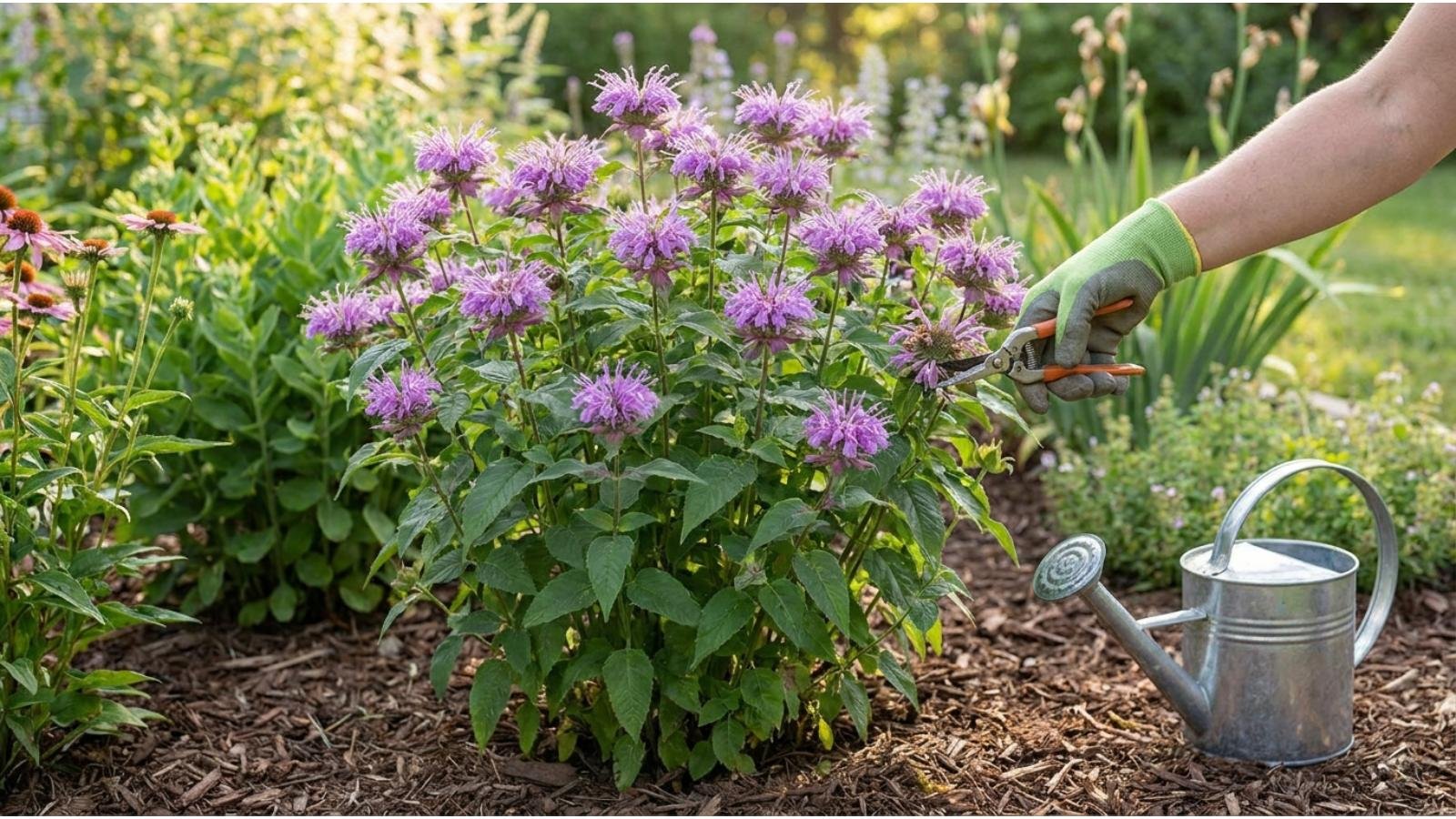
Bee balm plant care is easiest when you provide full sun, fertile well-drained soil, consistent moisture, and good air circulation.
Water when the soil begins to dry, avoid keeping roots constantly soggy, and divide crowded plants every few years. Good spacing and airflow are especially important because bee balm can be prone to powdery mildew. Pruning after flowering helps maintain a compact, vigorous plant.
Introduction
Bee balm, commonly grown from the Monarda genus, is a colorful perennial valued for its unusual flowers, aromatic foliage, and ability to attract pollinators. Depending on the variety, flowers may appear in shades of red, pink, purple, or white.
Although bee balm is generally an easy garden perennial, it can become leggy, overcrowded, or affected by powdery mildew when growing conditions are poor. The biggest mistake is often treating it like a plant that simply needs more water. Bee balm performs much better when moisture is balanced with drainage and plenty of air movement.
The good news is that once you understand its basic needs, bee balm plant care becomes relatively straightforward.
Bee Balm Plant Care at a Glance
| Care Requirement | What Bee Balm Needs |
|---|---|
| Light | Full sun is ideal |
| Soil | Fertile, well-drained soil |
| Water | Consistent moisture without waterlogging |
| Fertilizer | Moderate feeding when soil fertility is low |
| Airflow | Excellent airflow is highly beneficial |
| Pruning | Remove spent flowers and cut back after flowering |
| Spacing | Give plants enough room for mature growth |
| Propagation | Division or seed |
| Common Problem | Powdery mildew |
| Best Garden Use | Pollinator, cottage, herb, and perennial gardens |
How Much Sun Does Bee Balm Need?
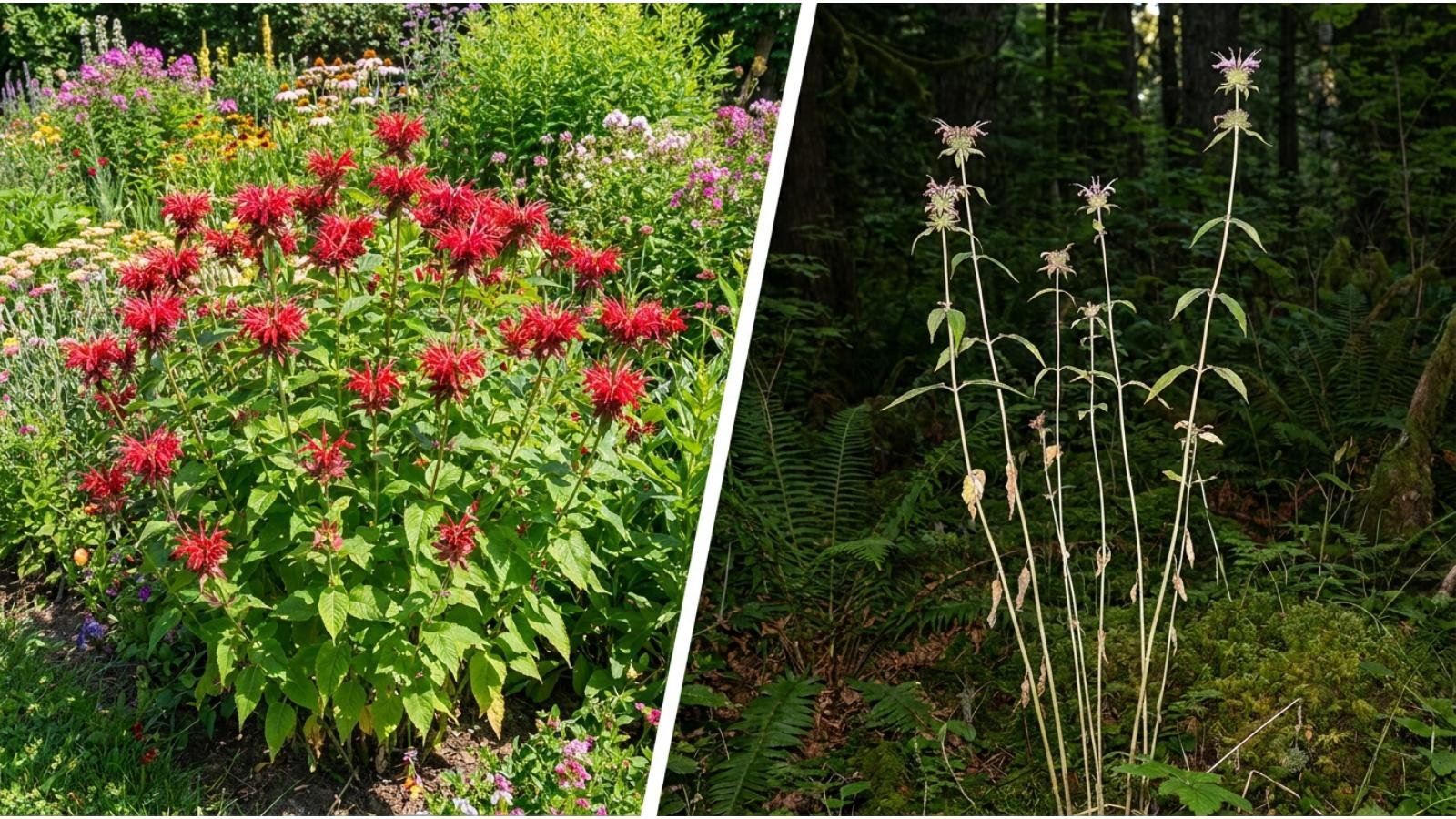
Bee balm generally performs best in full sun, particularly when the goal is strong stems and abundant flowering.
Aim for around 6 or more hours of direct sunlight where practical. Plants receiving insufficient light may become taller and weaker, while dense shade can also create conditions that encourage fungal problems.
That does not mean every climate requires exactly the same exposure. In very hot areas, some afternoon protection can help prevent excessive stress, but the plant should still receive plenty of bright light.
Practical tip: If your bee balm receives morning sun but spends most of the afternoon in deep shade, don’t automatically assume the plant is getting enough light. Watch its growth habit. Weak, stretched stems and disappointing flowering can indicate that it needs a brighter location.
What Soil Is Best for Bee Balm?
Bee balm prefers fertile soil that drains well while retaining enough moisture to prevent prolonged dryness.
A useful soil balance is:
- Rich in organic matter.
- Well drained.
- Moist but not constantly saturated.
- Loose enough for healthy root development.
Poor drainage can create more problems than moderately dry soil because continuously wet conditions can stress roots.
Before planting, incorporate mature organic matter into poor soil. If your garden soil holds water for long periods, improving drainage is more important than simply adding more fertilizer.
Why Soil Drainage Matters
Healthy roots need access to both water and oxygen. Waterlogged soil fills the spaces that normally contain air, creating an unfavorable root environment.
For container-grown bee balm, always use a pot with drainage holes rather than placing the plant in a decorative container where excess water collects around the roots.
How Often Should You Water Bee Balm?
Water bee balm when the soil begins to dry rather than following a rigid calendar.
Newly planted bee balm needs more consistent moisture while its root system becomes established. Once established, plants are generally more forgiving, but prolonged drought can reduce vigor and flowering.
A practical watering routine is:
- Check the soil several inches below the surface.
- If it is beginning to dry, water thoroughly.
- Apply water around the root zone rather than repeatedly wetting the foliage.
- Allow excess water to drain away.
- Check the soil again before watering.
Avoid giving small amounts of water every day when the soil is already moist. Deep, appropriate watering is generally more useful than constantly keeping the surface wet.
How to Fertilize Bee Balm
Bee balm does not need excessive fertilizer to produce attractive growth.
If the soil is reasonably fertile, adding compost before planting may be sufficient. Plants growing in poor soil may benefit from a balanced fertilizer according to the product’s directions.
Avoid assuming that more fertilizer means more flowers. Excessive nitrogen can encourage soft, leafy growth and can make some plants more vulnerable to powdery mildew. Extension guidance specifically recommends avoiding excessive nitrogen when managing powdery mildew because lush new growth can be particularly susceptible.
Better approach: Improve the soil first, then fertilize only when the plant actually benefits from additional nutrients.
How to Prune Bee Balm
Pruning is one of the easiest ways to keep bee balm looking better and growing more vigorously.
During the Growing Season
Remove faded flower heads if you want to keep the plant looking tidy and potentially encourage additional flowering, depending on the variety and growing conditions.
Remove damaged or diseased foliage promptly rather than allowing affected material to remain mixed with healthy growth.
After Flowering
Once the flowering period has finished, bee balm can be cut back to tidy the plant and prepare the garden for the next stage of growth.
If you prefer to leave seed heads for wildlife or winter interest, you can wait until later in the season before cutting the stems down.
A Common Pruning Mistake
Don’t repeatedly shear a struggling plant simply because it looks unattractive. If stems are weak, foliage is unhealthy, or flowering is poor, first investigate light, moisture, crowding, and disease.
Pruning should support good growing conditions, not replace them.
Why Does Bee Balm Get Powdery Mildew?
Powdery mildew is one of the most common problems associated with bee balm. It appears as white or gray powdery growth on leaves and sometimes stems and flowers. Severe infections can cause leaves to yellow, curl, or drop.
The important point is that powdery mildew is not necessarily a sign that you are simply watering incorrectly.
Several environmental factors can contribute to the problem, including:
- Poor air circulation.
- Crowded plants.
- Excessive shade.
- Humid conditions.
- Susceptible varieties.
- Dense, lush growth.
Some bee balm plants are particularly susceptible to powdery mildew even when the gardener is doing many things correctly.
How to Reduce Powdery Mildew
The best strategy is prevention.
Give plants adequate space. Crowded foliage traps humid air around leaves.
Provide adequate sunlight. Shaded conditions can make powdery mildew problems worse.
Improve airflow. Don’t pack bee balm tightly between other tall perennials.
Avoid unnecessary overhead watering. Water near the base when possible.
Remove heavily infected plant material. Diseased leaves and stems should not simply be left around the plant.
Choose resistant varieties when available. Disease-resistant cultivars can make a significant difference in gardens where powdery mildew repeatedly occurs.
Image Suggestion: Close-up comparison of healthy bee balm leaves and leaves covered with powdery mildew.
Does Powdery Mildew Kill Bee Balm?
Usually, powdery mildew is more of an appearance and vigor problem than an immediate death sentence.
Light infections may cause little lasting damage, while severe infections can reduce photosynthesis, weaken growth, and decrease flowering. Extension guidance notes that powdery mildew commonly affects bee balm and that serious infections can reduce plant growth and flowering.
Therefore, don’t panic at the first white spot. Instead, improve the growing environment and remove affected foliage when appropriate.
The goal is to protect healthy new growth, not necessarily make every old infected leaf look perfect again.
How to Space Bee Balm Plants
Spacing is especially important for bee balm because mature plants can form dense clumps.
Instead of planting seedlings very close together because they look small at the garden center, consider their mature size.
Good spacing helps:
- Air move through the foliage.
- Leaves dry more quickly.
- Plants receive adequate sunlight.
- Disease pressure decreases.
- Maintenance becomes easier.
If an established clump becomes extremely dense, dividing it can improve both appearance and vigor.
When Should You Divide Bee Balm?
Bee balm can gradually form large clumps. Dividing an overcrowded plant is useful when the center becomes congested, flowering declines, or the plant has simply outgrown its space.
Division also gives you a way to create additional plants for other parts of the garden.
A practical approach is:
- Dig around the established clump.
- Lift it carefully from the soil.
- Separate healthy sections with roots and shoots.
- Replant the divisions promptly.
- Water thoroughly after planting.
- Keep the new divisions consistently moist while they establish.
Avoid dividing a plant that is already severely stressed by drought or extreme heat if you can wait for more favorable conditions.
Growing Bee Balm in Containers
Bee balm can be grown in containers, although large varieties can become substantial plants.
Choose:
- A container with drainage holes.
- A quality potting mix.
- A container large enough for the mature plant.
- A location receiving plenty of sunlight.
- A watering routine that prevents both severe drying and constant saturation.
Container plants usually need closer monitoring than plants growing in garden soil because their limited soil volume can dry out faster.
Don’t let a decorative outer pot become a hidden reservoir of standing water.
Bee Balm Seasonal Care
Spring
Spring is an important time to:
- Remove old dead growth.
- Check emerging stems for damage.
- Divide crowded clumps if needed.
- Improve soil with organic matter.
- Watch new growth for early disease symptoms.
Summer
During summer:
- Monitor soil moisture.
- Water during prolonged dry periods.
- Remove faded flowers if desired.
- Watch for powdery mildew.
- Thin or divide overcrowded growth when appropriate.
Good airflow becomes particularly important during periods of warm, humid weather.
Fall
After flowering:
- Decide whether to leave seed heads for winter interest.
- Remove obviously diseased material.
- Cut plants back when appropriate for your garden style.
- Clean up fallen diseased foliage.
Removing infected plant debris can help reduce sources of infection for the following season.
Winter
Bee balm is a perennial in suitable climates and typically goes dormant rather than remaining actively leafy throughout winter.
Avoid disturbing dormant roots unnecessarily. A layer of appropriate mulch can help protect the soil environment in colder regions, but don’t create a permanently wet layer directly around the crown.
Common Bee Balm Problems and Solutions
| Problem | Likely Cause | What to Do |
|---|---|---|
| White powder on leaves | Powdery mildew | Improve airflow, sunlight, spacing, and remove affected tissue |
| Weak, stretched growth | Insufficient light | Move or plant in a brighter location |
| Yellowing leaves | Several possible causes | Check watering, drainage, roots, and disease symptoms |
| Poor flowering | Low light, stress, overcrowding, or plant age | Improve light and growing conditions |
| Plant wilts repeatedly | Dry soil or root problems | Check soil moisture and drainage |
| Dense center growth | Mature overcrowded clump | Divide the plant |
| Distorted leaves | Possible herbicide injury or other stress | Examine surrounding applications and symptoms |
| Ragged leaf holes | Insects, weather, or other damage | Inspect leaves and surrounding plants before treating |
Distorted bee balm foliage can sometimes be associated with herbicide exposure, while leaf spots may have several different causes, so identifying the symptom before treating is important.
Bee Balm Plant Care Mistakes to Avoid
Overwatering
Moist soil does not mean permanently wet soil. Check the root-zone moisture before watering again.
Planting in Deep Shade
Bee balm generally performs better with abundant sunlight. Heavy shade can contribute to weak growth and disease-prone conditions.
Crowding Plants
A small transplant can quickly become a dense perennial clump. Give it room to mature.
Using Too Much Nitrogen
Heavy feeding can produce lush growth without solving the underlying problem and may increase susceptibility to powdery mildew.
Ignoring Early Disease Symptoms
A small amount of powdery mildew is much easier to manage than a heavily infected plant.
Watering the Foliage at Night
Repeatedly leaving foliage wet for long periods is not a good disease-management strategy. Water at the soil level when practical and allow foliage to dry.
How to Get More Flowers From Bee Balm
If your bee balm is healthy but flowering poorly, work through these factors rather than immediately adding fertilizer.
First, check sunlight. Insufficient light is a common reason for weak flowering.
Next, examine the soil. Compacted or poorly drained soil can interfere with healthy root development.
Then check the plant’s density. An overcrowded clump may benefit from division.
Finally, review moisture and nutrition. Both drought stress and excessive fertilization can interfere with the balance of healthy growth and flowering.
A healthy bee balm plant usually does not need complicated treatment. Getting the fundamentals right is more valuable than constantly adjusting fertilizer or watering schedules.
Is Bee Balm Good for Pollinators?
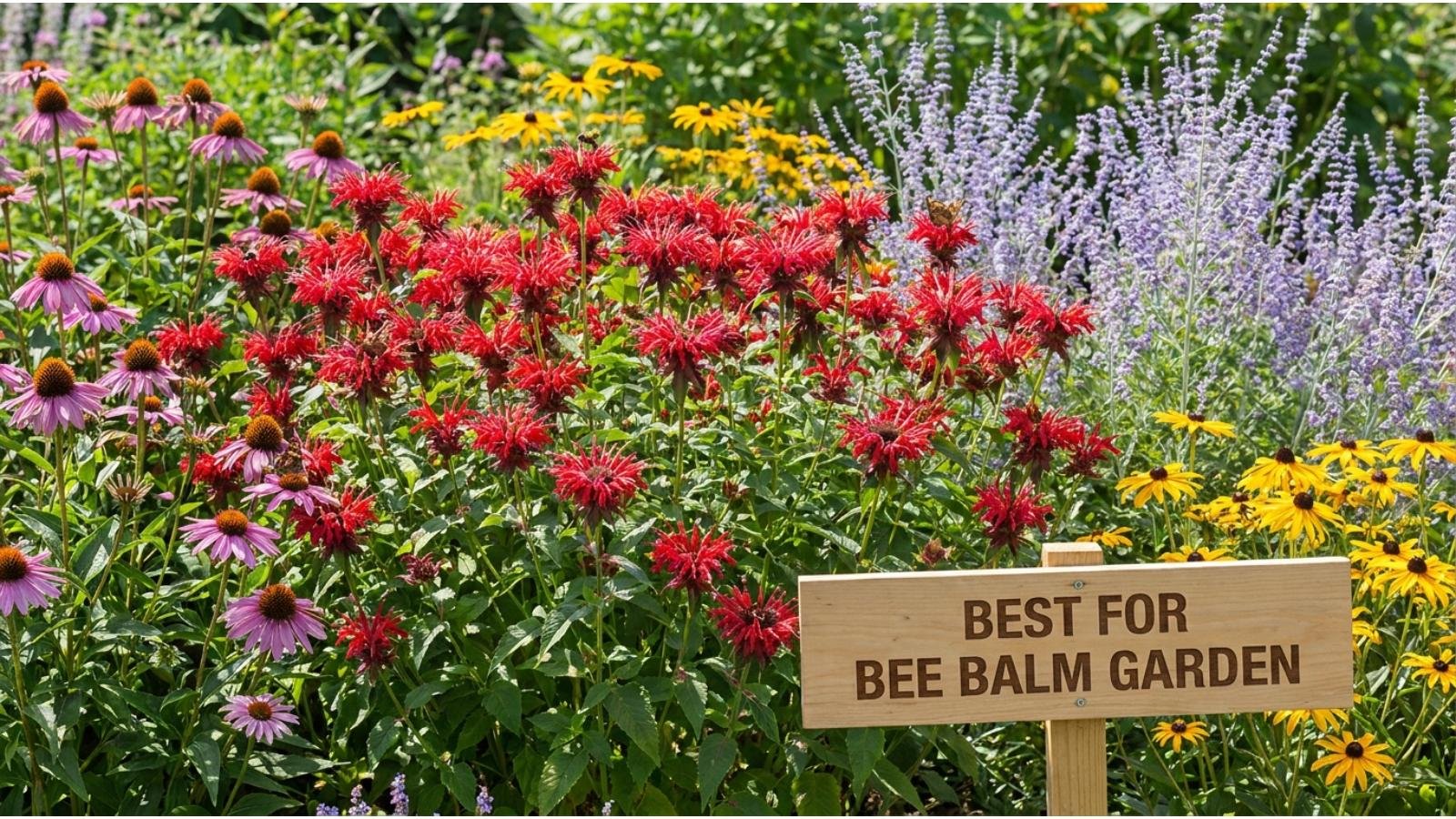
Yes. Bee balm is widely valued in pollinator-friendly gardens because its flowers provide an attractive nectar source for visiting pollinators.
Its tubular flowers and prominent blooms make it particularly useful as part of a mixed perennial planting.
For the best garden result, combine bee balm with other flowering plants that provide resources across different parts of the growing season rather than relying on a single species.
Image Suggestion: Bee balm flowers being visited by bees and other pollinators in a perennial garden.
Can You Grow Bee Balm From Seed?
Yes, bee balm can be propagated from seed, although gardeners also commonly use division.
Growing from seed can be useful when you want to produce multiple plants, experiment with different forms, or establish a larger planting gradually.
Keep in mind that plants grown from seed may not always reproduce every characteristic of a particular named cultivar.
For a plant that already performs well in your garden, division is often a more predictable way to create additional plants.
Frequently Asked Questions
How much sun does bee balm need?
Bee balm generally prefers full sun and performs best with several hours of direct sunlight each day. More sunlight also helps maintain stronger growth and better airflow around the foliage.
How often should I water bee balm?
Water when the soil begins to dry, giving enough water to moisten the root zone thoroughly. Newly planted bee balm usually needs more consistent watering than established plants.
Why are my bee balm leaves turning white?
White powdery patches are commonly associated with powdery mildew. Improve airflow, avoid overcrowding, provide adequate sunlight, and remove heavily affected foliage.
Should I cut back bee balm after flowering?
You can cut bee balm back after flowering to tidy the plant and manage its size. You can also leave some seed heads if you prefer winter interest or wildlife value.
Can bee balm grow in partial shade?
Bee balm can tolerate some partial shade, but it generally flowers and grows more strongly with abundant sunlight. Heavy shade can also create conditions that favor powdery mildew.
Does bee balm need fertilizer?
Not necessarily. Fertile soil may provide enough nutrients. If soil fertility is poor, moderate fertilization can help, but excessive nitrogen should be avoided.
Why is my bee balm getting leggy?
Insufficient sunlight, excessive nitrogen, overcrowding, or general stress can contribute to weak or elongated growth. Start by checking light and spacing.
Should I remove bee balm leaves with powdery mildew?
Removing badly affected leaves can help improve the appearance and reduce infected material. Also address the environmental conditions that favor the disease rather than relying only on leaf removal.
Can bee balm be grown in pots?
Yes. Choose a container with drainage holes and use a well-draining potting mix. Larger varieties need a sufficiently large container and regular monitoring of soil moisture.
When should bee balm be divided?
Divide established, overcrowded clumps when they become too dense or flowering begins to decline. Replant divisions promptly and keep them adequately watered while they establish.
Final Thoughts
Successful bee balm plant care comes down to a few fundamentals: give the plant plenty of sunlight, provide fertile but well-drained soil, maintain consistent moisture without waterlogging, and leave enough space for air to circulate.
The biggest long-term issue for many gardeners is powdery mildew, so prevention is more effective than waiting for severe symptoms. Good spacing, adequate light, proper watering, and disease-resistant varieties can all help.
If your bee balm becomes crowded, don’t automatically replace it. Dividing the clump can rejuvenate the planting while giving you new plants for other areas of the garden. With the right conditions, bee balm can become a dependable, colorful perennial that returns season after season.