Butterfly plant, also called swallowtail plant or butterfly wing plant, is an unusual houseplant grown primarily for its beautifully patterned foliage. Its leaves can feature green and burgundy markings that resemble butterfly wings, making it an attractive choice for plant collectors who want something different from common pothos, philodendrons, or snake plants.
The challenge is that butterfly plant care requires a little more attention to moisture, humidity, light, and temperature than many beginner houseplants. A plant placed in harsh sun may scorch, while one kept in heavy wet soil can develop root problems. Understanding what the plant actually needs makes care much easier.
Quick Answer
Butterfly plant care is mainly about balancing bright indirect light, consistent moisture, good drainage, warmth, and moderate-to-high humidity. The butterfly plant, Christia obcordata, is a tropical perennial in the Fabaceae family, native across tropical and subtropical Asia. Keep the soil lightly and evenly moist without making it soggy, protect the delicate patterned leaves from harsh afternoon sun, and provide stable warmth. With the right conditions, its distinctive foliage can remain colorful and vigorous indoors.
What Is a Butterfly Plant
The butterfly plant is Christia obcordata, an accepted species in the legume family Fabaceae. Kew lists its native range across tropical and subtropical Asia and describes it as a scrambling perennial or subshrub associated primarily with wet tropical environments.
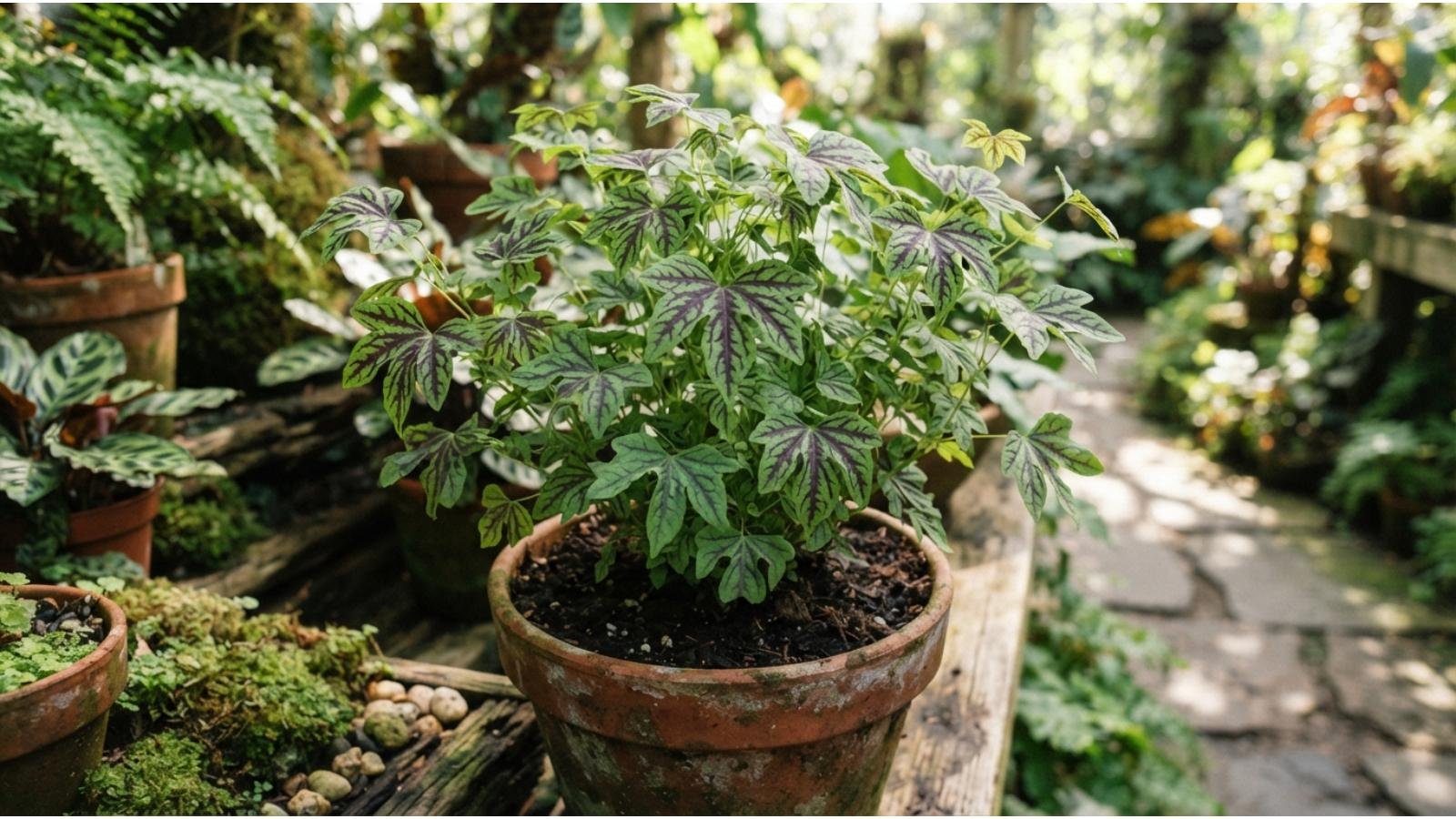
The common name comes from its distinctive foliage rather than showy flowers. Its leaves have an unusual shape and contrasting markings that can give the plant a butterfly-wing appearance.
One useful point for beginners is that the name butterfly plant can sometimes refer to completely different plants. This guide focuses specifically on Christia obcordata, the tropical foliage plant commonly sold as butterfly plant, swallowtail plant, or butterfly wing plant.
Image Suggestion: Close-up botanical image showing the patterned leaves of Christia obcordata with its common and botanical names.
Butterfly Plant Light Requirements
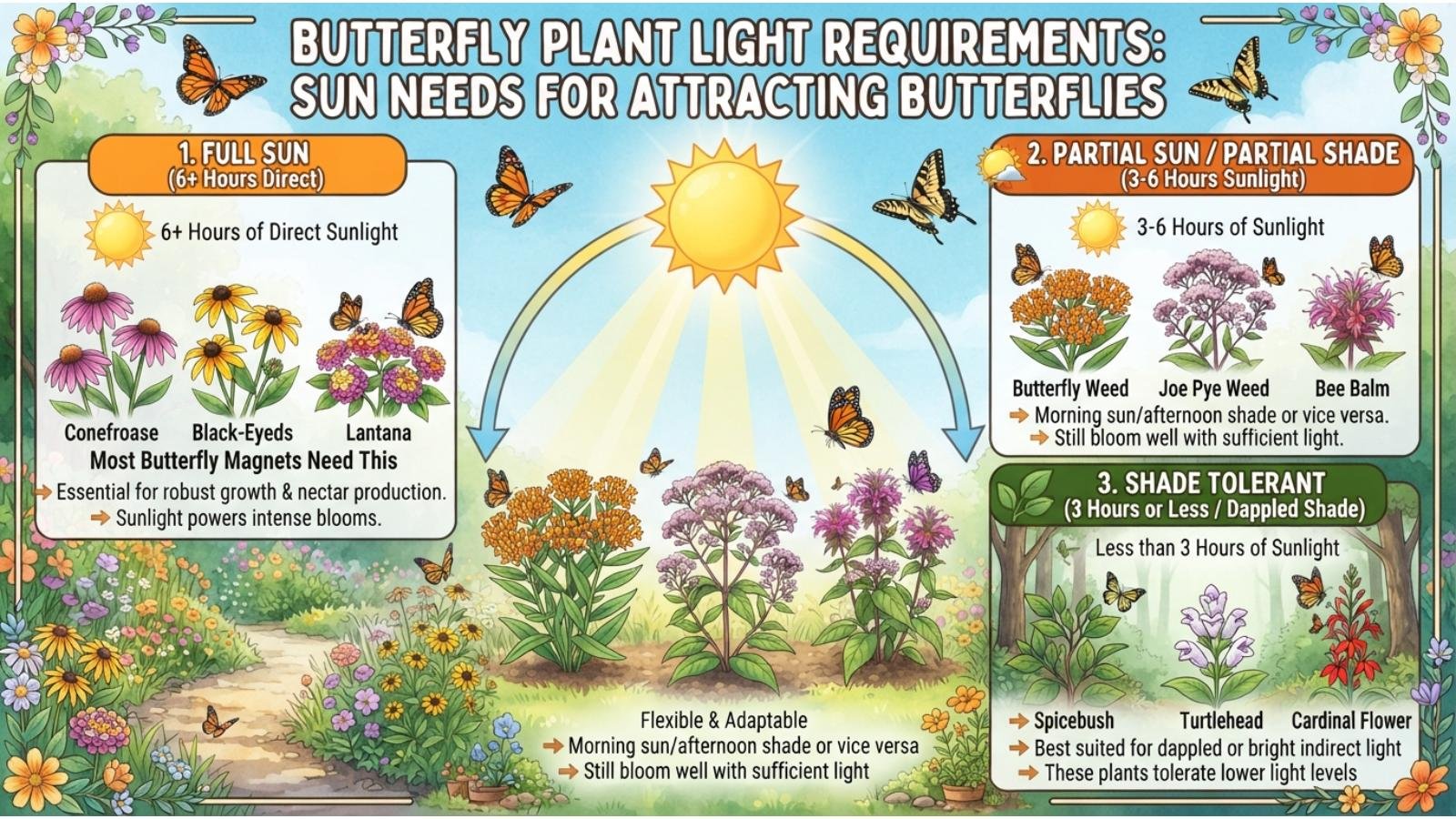
Bright, filtered light is one of the most important parts of successful butterfly plant care.
Place the plant where it receives several hours of strong but indirect light. An east-facing window is often an excellent choice because it provides gentle morning sunlight. A bright north-facing location can also work, although growth may be slower.
A south- or west-facing window can provide enough light, but strong afternoon rays should be filtered with a sheer curtain or by moving the plant farther from the glass.
Too little light can cause:
- Faded leaf markings.
- Longer, weaker stems.
- Sparse growth.
- Slower development.
- A plant that leans toward the window.
Too much intense direct sunlight can cause:
- Brown or bleached patches.
- Crispy leaf edges.
- Scorched foliage.
- Rapid moisture loss.
A useful practical test is to watch the new growth. If new leaves are becoming noticeably smaller, paler, or farther apart along the stems, the plant may need more usable light.


How to Water a Butterfly Plant
Butterfly plants prefer consistent moisture, but consistently moist does not mean constantly wet.
Check the upper layer of soil with your finger before watering. When roughly the top inch or two feels dry, water thoroughly until excess water begins leaving the drainage holes. Then empty excess water from the saucer.
This approach is safer than following a rigid calendar because indoor conditions vary dramatically.
A plant in a warm room with bright light may dry quickly, while one in a cooler, darker room may remain wet for considerably longer.
Watch the plant for clues.
Possible signs of underwatering include:
- Drooping leaves.
- Curling foliage.
- Dry leaf margins.
- Very light pot weight.
- Soil pulling away from the container.
Possible signs of overwatering include:
- Persistently wet soil.
- Yellowing lower leaves.
- Soft or declining stems.
- A sour smell from the potting mix.
- Slow growth despite wet soil.
The biggest watering mistake is adding more water whenever the leaves droop without checking the soil first. Both drought stress and root problems can produce drooping foliage, so always investigate the root zone before watering again.
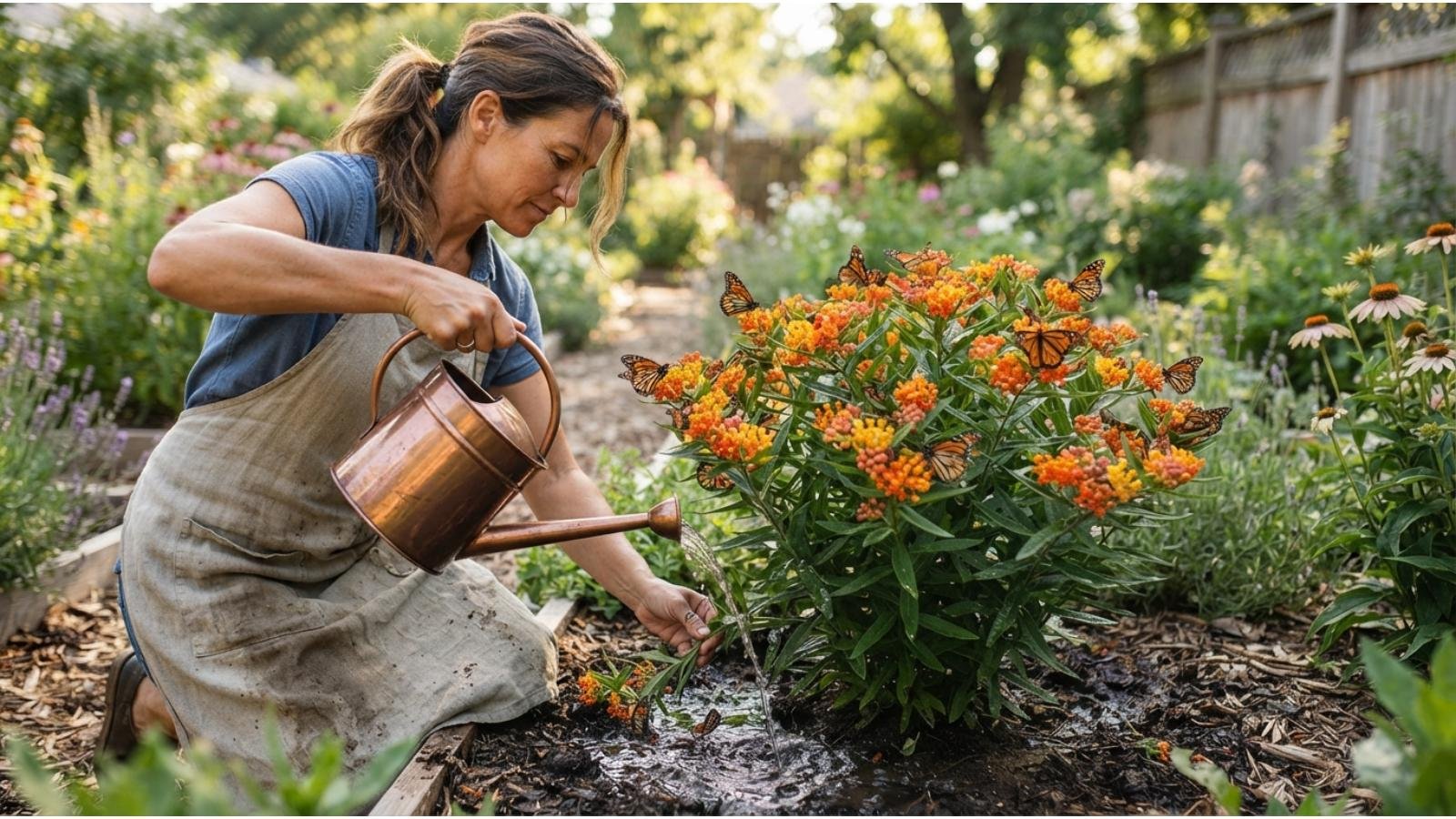
Best Soil for Butterfly Plant Care
The ideal butterfly plant soil should retain enough moisture for the roots while allowing excess water and air to move through the container.
A practical homemade mix can contain:
- About 50 percent quality indoor potting mix.
- About 30 percent perlite.
- About 20 percent coco coir.
The exact percentages are not sacred. The important goal is an airy mixture that does not collapse into a dense, muddy mass after repeated watering.
Avoid using ordinary garden soil in a container. It can become compacted and restrict drainage.
A well-draining pot is equally important. Drainage holes allow excess water to escape instead of accumulating around the roots.
Image Suggestion: Cross-section diagram comparing compact, waterlogged soil with an airy butterfly plant potting mix.
Humidity and Temperature Needs
Because Christia obcordata comes from tropical and subtropical regions, it generally performs better in warm, humid indoor conditions.
A practical humidity target is around 50 to 70 percent, although the plant can sometimes tolerate lower humidity if watering and temperature are managed carefully. Some specialist growing guidance recommends even higher humidity for consistently crisp foliage.
Humidity becomes particularly important when:
- Your home has very dry winter air.
- Air conditioning runs frequently.
- The plant sits beside a heating vent.
- The soil dries unusually quickly.
- Leaf edges repeatedly turn brown.
A small humidifier is generally more reliable than frequent misting. Grouping several plants together can also create a slightly more humid local environment.
Avoid placing the plant directly in the path of an air conditioner, heater, or strong fan.
For temperature, aim for stable warm conditions. Around 65–80°F, or 18–27°C, is a practical indoor range, with protection from cold drafts and frost. Specialist care guidance similarly recommends warm conditions and warns against cold stress.
How to Fertilize Butterfly Plants
Butterfly plants do not need heavy feeding.
During active growth, use a balanced liquid houseplant fertilizer diluted according to the product instructions. A cautious approach is to feed at reduced strength every few weeks during spring and summer rather than applying concentrated fertilizer.
Fertilizing more does not automatically produce faster or healthier growth. Excess fertilizer can accumulate in the potting mix and damage roots.
A simple routine is:
- Water the plant normally.
- Apply diluted fertilizer to already-moist soil.
- Reduce or stop feeding when growth slows significantly.
- Periodically flush the pot with clean water if fertilizer salts are accumulating.
If the plant is newly repotted into fresh, nutrient-containing potting mix, you may not need to fertilize immediately.
Pruning and Shaping Butterfly Plants
Pruning is mainly useful for maintaining a compact shape and removing damaged growth.
Use clean, sharp scissors to remove:
- Dead leaves.
- Yellowing foliage.
- Damaged stems.
- Weak or excessively stretched growth.
If the plant becomes leggy, trimming just above a healthy node can encourage branching.
Avoid removing a large percentage of the foliage at once. The leaves are the plant’s primary energy-producing structures, so excessive pruning can temporarily slow recovery.
Rotating the container every week or two can also help the plant develop more evenly instead of leaning strongly toward one light source.
When to Repot a Butterfly Plant
Butterfly plants generally do not need frequent repotting.
Check the drainage holes and root ball for signs that the plant has become root-bound. Repotting may be appropriate when roots are circling heavily, emerging from drainage holes, or the plant dries dramatically faster than before.
When repotting:
- Choose a container only slightly larger than the current one.
- Use fresh, airy potting mix.
- Make sure the new pot has drainage holes.
- Avoid placing the plant into an excessively large container.
- Water thoroughly after repotting.
- Return it to bright indirect light.
A pot that is dramatically larger than the root system can hold excess moisture for too long, increasing the risk of root problems.
Spring is generally a convenient time for repotting because active growth makes recovery easier.
How to Propagate Butterfly Plants
Propagation of Christia obcordata can be attempted from seed or suitable plant material, but availability and success can vary.
For home growers, propagation is best treated as an experimental project rather than something guaranteed to work every time.
Seed Propagation
Fresh seeds can be started in a light, well-draining propagation medium.
Keep the medium lightly moist and provide warmth, humidity, and bright indirect light. Avoid saturating the propagation mix because young seedlings are particularly vulnerable to damping-off.
Once seedlings establish themselves, gradually transition them to normal growing conditions rather than exposing them immediately to harsh direct sunlight.
Cutting Propagation
Some specialist growing guides recommend stem cuttings, while other sources emphasize seed propagation.
If attempting a cutting, select healthy, non-damaged growth and use clean equipment. A humid propagation environment and warm temperatures can encourage rooting.
Because propagation information for this relatively uncommon houseplant is less standardized than it is for popular plants such as pothos, expect some experimentation.
Common Butterfly Plant Problems
Brown Leaf Edges
Brown edges usually indicate environmental stress rather than one single problem.
Check:
- Humidity.
- Soil moisture.
- Water quality.
- Direct sunlight.
- Fertilizer accumulation.
- Hot or cold drafts.
If only a few older leaves have brown edges, inspect the overall plant before changing several conditions at once.
Yellow Leaves
A yellow leaf is not automatically proof of overwatering.
One or two older leaves naturally aging can be normal. However, widespread yellowing combined with constantly wet soil suggests you should inspect drainage and watering habits.
If the soil remains wet for many days, increase drainage and allow the upper layer to dry before watering again.
Drooping Leaves
Drooping is one of the easiest symptoms to misread.
First check the soil.
If it is dry, the plant may simply need water. If it is saturated, adding more water can make the underlying problem worse.
Also inspect temperature and airflow. Sudden environmental changes can cause temporary stress.
Faded Leaf Markings
If the beautiful burgundy pattern becomes noticeably less pronounced, inadequate light is one of the first things to investigate.
Move the plant gradually toward a brighter location with filtered light. Avoid suddenly placing a low-light plant into intense direct sun, as that can create additional stress.
Brown or Crispy Tips
Start by checking humidity and watering consistency.
Repeatedly allowing the root ball to become extremely dry can produce crispy foliage. Very dry indoor air can contribute as well. Fertilizer buildup and harsh sunlight are additional possibilities.
The best solution is to identify the underlying cause rather than simply cutting off damaged tips.
Pests
Inspect new growth and the undersides of leaves regularly.
Common houseplant pests such as spider mites and aphids can become more problematic when plants are stressed. Early detection is much easier to manage than a large infestation.
If you see pests, isolate the affected plant from your other houseplants and identify the pest before choosing a treatment.
Seasonal Butterfly Plant Care
Spring
Spring is an excellent time to reassess the plant.
Increase watering gradually as growth accelerates, begin regular but diluted fertilization, and consider repotting if roots have filled the container.
This is also a good season for pruning and propagation experiments.
Summer
Summer usually brings faster growth and faster soil drying.
Check moisture more frequently, but do not automatically water on a fixed schedule. Protect the plant from intense afternoon sunlight, especially behind hot glass.
Good airflow is useful, but avoid strong drying drafts.
Fall
As daylight decreases, growth may slow.
Reduce fertilizer as the plant’s growth rate declines. Check the soil before watering because the same pot may now remain wet considerably longer than it did during summer.
Winter
Winter can be the most difficult season indoors.
Cold windows, heating systems, dry air, and reduced light can all stress the plant at the same time.
Move the plant away from cold drafts and heating vents. Keep it in the brightest suitable location and avoid keeping the soil excessively wet when evaporation is slow.
Butterfly Plant Care Mistakes to Avoid
- Keeping the soil permanently saturated.
- Letting the root ball become completely dry repeatedly.
- Placing the plant in harsh afternoon sun.
- Keeping it beside an air conditioner or heater.
- Using a container without drainage holes.
- Repotting into a pot that is far too large.
- Fertilizing a stressed or recently damaged plant heavily.
- Changing several environmental conditions simultaneously.
- Assuming every drooping plant needs more water.
- Ignoring fading foliage patterns as a possible light problem.
One of the most useful habits is to change one major variable at a time. If you move the plant, change its watering schedule, repot it, and fertilize it all on the same day, it becomes difficult to understand what actually helped or harmed the plant.
A Simple Butterfly Plant Care Routine
For beginners, the following routine keeps care straightforward.
| Care factor | Practical target |
|---|---|
| Light | Bright, indirect or filtered light |
| Water | Water when the upper soil layer becomes slightly dry |
| Soil | Moisture-retentive but airy and well-draining |
| Humidity | Around 50–70% is a useful target |
| Temperature | Preferably around 65–80°F |
| Fertilizer | Diluted balanced fertilizer during active growth |
| Repotting | When roots become crowded, usually every 1–2 years |
| Pruning | Remove damaged growth and lightly shape |
| Winter care | Less fertilizer, careful watering, bright light |
These numbers should be treated as starting points rather than rigid rules. Container size, room temperature, airflow, potting mix, and light intensity can all change how quickly the plant uses water.
Frequently Asked Questions
Is butterfly plant easy to grow indoors
It can be grown successfully indoors, but it is less forgiving than extremely hardy houseplants. Consistent moisture, bright filtered light, warmth, and suitable humidity make a major difference.
How much light does a butterfly plant need
Give it bright indirect or filtered light for several hours daily. Gentle morning sun can be beneficial, while strong afternoon sunlight can scorch the thin foliage.
Should butterfly plant soil dry out completely
No. Allow the upper layer to become slightly dry before watering, but avoid repeatedly allowing the entire root ball to become bone dry.
Why are my butterfly plant leaves turning brown
Check humidity, watering consistency, direct sunlight, fertilizer buildup, and exposure to heating or cooling vents. Brown edges usually indicate environmental stress rather than one universal cause.
Why is my butterfly plant losing its color
Insufficient light is a common possibility. Move it gradually into a brighter filtered location and observe new growth before making additional changes.
Can butterfly plants grow outside
Christia obcordata naturally occurs in tropical and subtropical regions, but outdoor suitability depends heavily on local temperature and climate.
How often should I water a butterfly plant
There is no reliable universal schedule. Check the soil instead. Water thoroughly when the upper portion has dried somewhat, then allow excess water to drain completely.
Does butterfly plant need high humidity
It benefits from moderate to high humidity, especially in dry indoor environments. Around 50–70% is a useful practical target, while specialist growing conditions may use higher levels.
What soil is best for butterfly plants
Use an airy, well-draining mix that retains some moisture without becoming compacted. A quality houseplant mix amended with perlite and coco coir is a practical option.
Conclusion
Successful butterfly plant care comes down to creating a stable tropical-style environment rather than constantly adjusting the plant. Give Christia obcordata bright filtered light, an airy potting mix, consistent but controlled moisture, warm temperatures, and adequate humidity.
The most important lesson is to read the plant and its soil together. Drooping leaves alone do not tell you to water, and yellow leaves alone do not prove overwatering. Check the root-zone moisture, light, temperature, and airflow before making a change.
With those fundamentals in place, this unusual tropical plant can become a striking addition to an indoor collection, especially when its patterned foliage is given the bright, warm, stable conditions it needs.
Related topics worth exploring: snake plant care, pothos plant care, prayer plant care, monstera plant care, and coleus plant care.
Image Suggestion: Final infographic showing ideal butterfly plant conditions with icons for light, watering, humidity, temperature, soil, and fertilizing.