Quick Answer
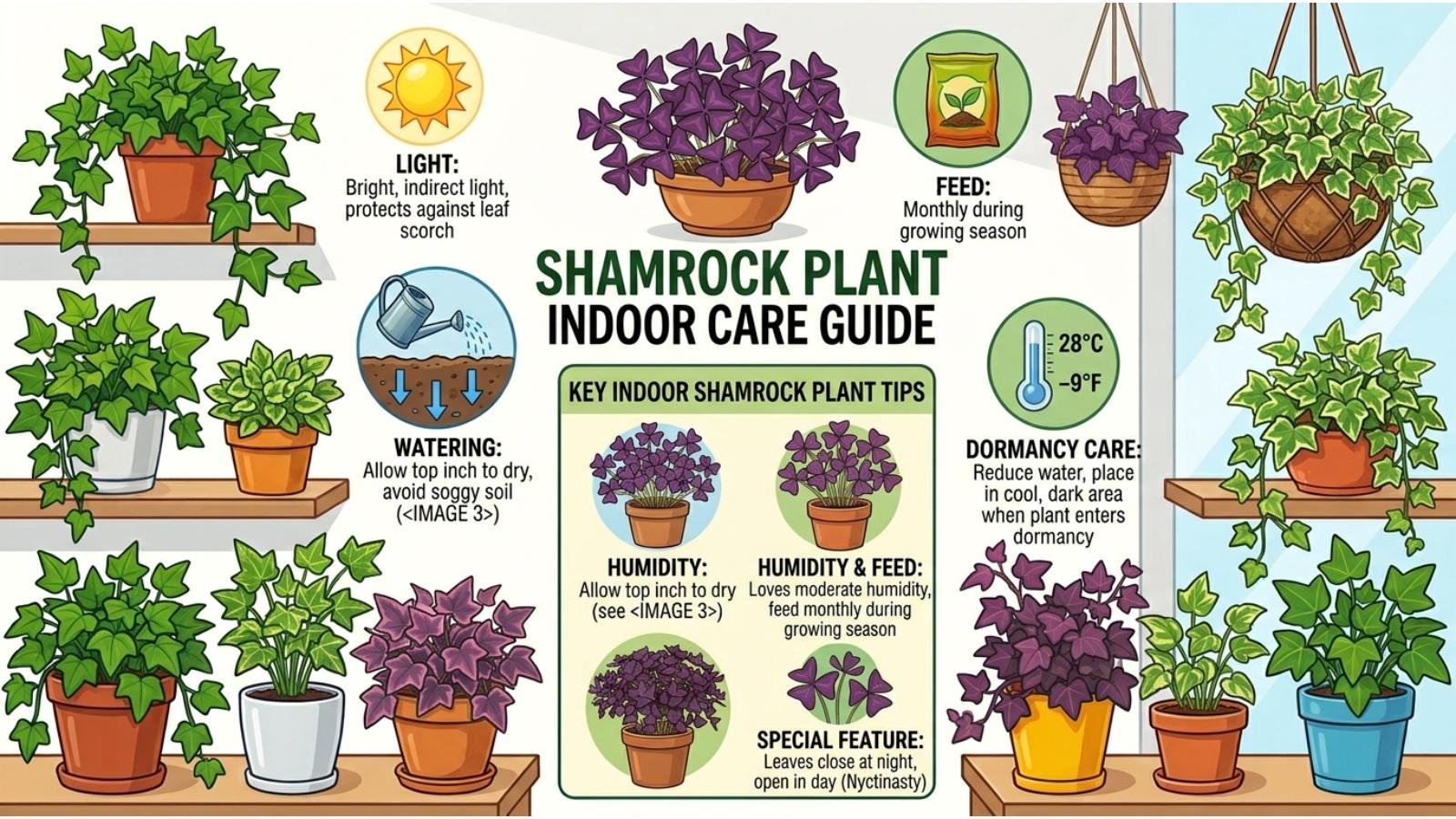
For shamrock plant care indoors, give your plant bright, indirect light, a well-draining but moisture-retentive potting mix, and water when the surface begins to dry rather than keeping the soil soggy. Most commonly grown indoor shamrocks, especially Oxalis triangularis, naturally slow down or go dormant. During dormancy, reduce watering significantly. Feed lightly during active growth and remove fading leaves to keep the plant attractive.
Introduction
Shamrock plants are popular indoor plants because their distinctive three-part leaves add color and movement to a windowsill without demanding complicated care. The challenge is that they do not behave exactly like ordinary foliage houseplants. Their leaves can fold at night, growth can suddenly slow, and the entire plant may appear to die back during dormancy.
That last point causes many beginners to make a costly mistake: they throw the plant away just when it is following its natural growth cycle. Understanding shamrock plant care indoors is therefore less about watering on a fixed schedule and more about recognizing what the plant is telling you.
For this guide, the main focus is Oxalis triangularis, commonly called purple shamrock or false shamrock. It is a clump-forming bulbous perennial that is widely grown as a houseplant.
What Is a Shamrock Plant?
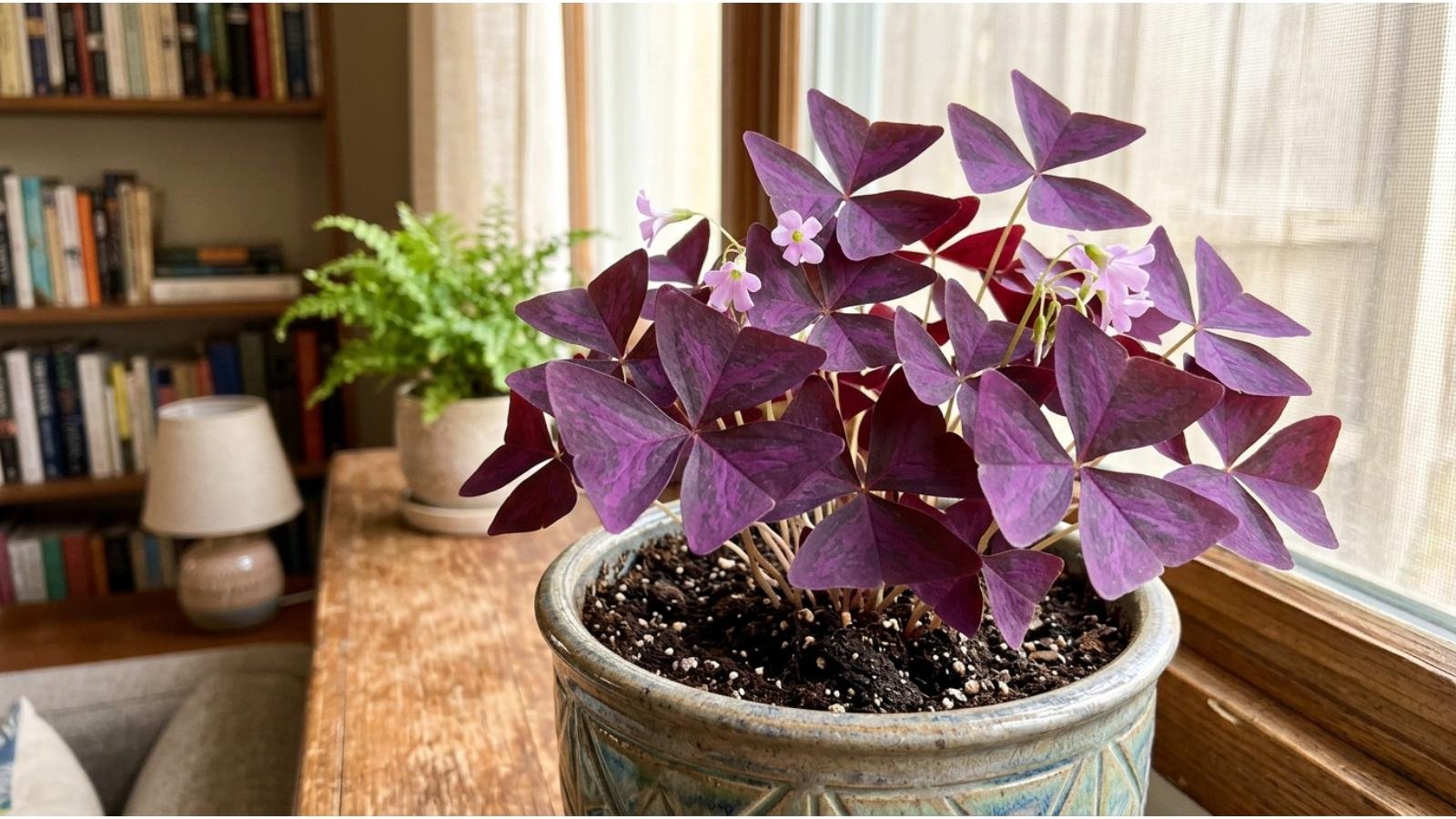
The name “shamrock plant” can refer to several Oxalis species. One of the most popular indoor choices is Oxalis triangularis, recognized by its triangular, clover-like leaflets and delicate pinkish-white flowers.
Unlike a typical leafy houseplant, Oxalis triangularis grows from underground bulbous structures. Its foliage is also responsive to light: the leaves can open during brighter periods and fold at night or in dull conditions.
This behavior is normal, not a sign that your plant is sick.
Image Suggestion: Close-up diagram showing Oxalis triangularis leaves, flowers, stems, and underground bulbs.
How Much Light Does a Shamrock Plant Need Indoors?
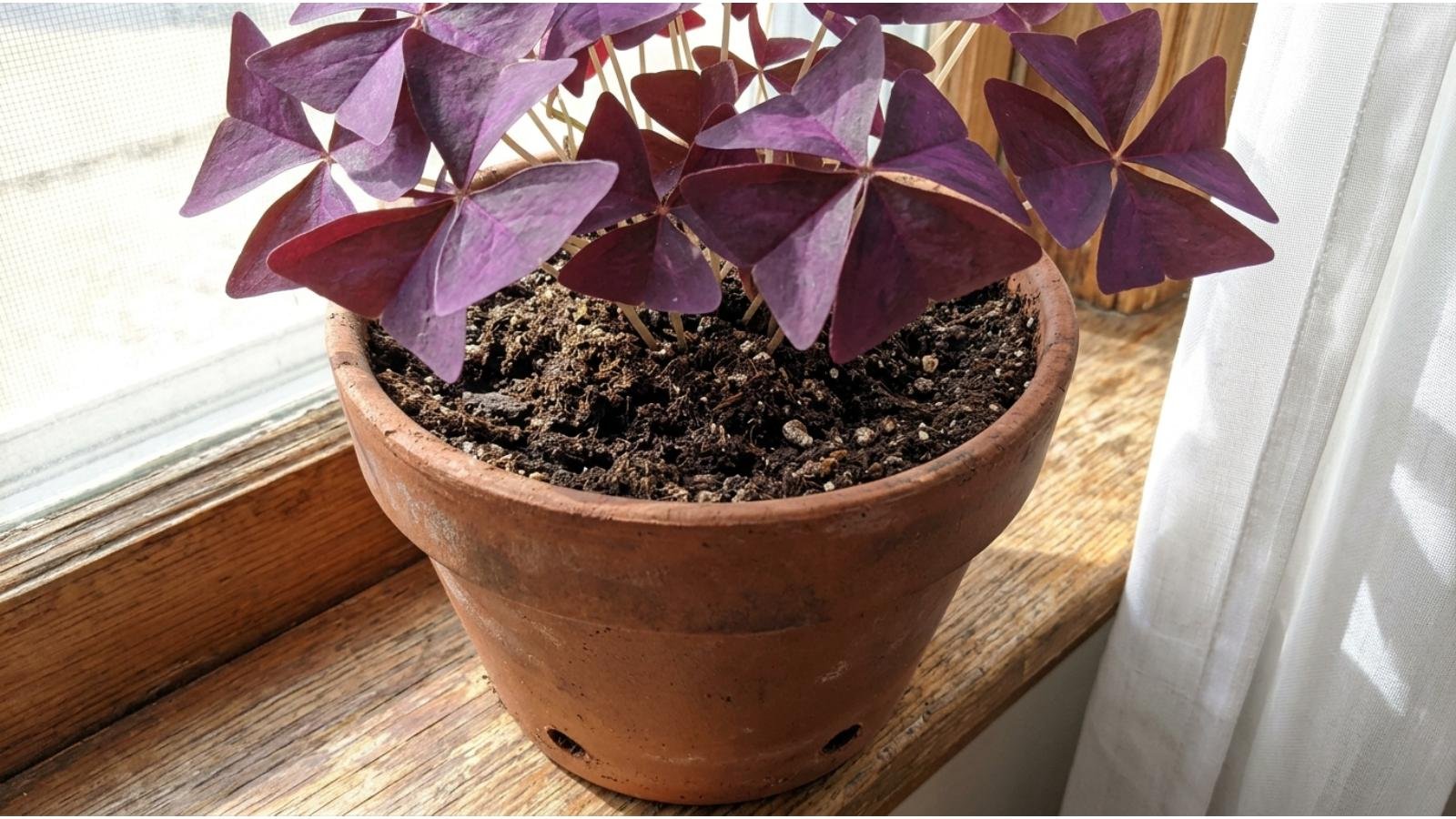
Bright, filtered light is one of the most important factors in keeping an indoor shamrock compact and colorful.
A good location is:
- Near an east-facing window.
- Near a bright west-facing window with some protection from intense afternoon sun.
- Near a south-facing window if harsh direct sunlight is filtered.
- Under a grow light when natural indoor light is inadequate.
What happens with too little light?
A shamrock receiving insufficient light may:
- Produce stretched stems.
- Lean strongly toward the window.
- Develop weaker-looking growth.
- Flower less readily.
- Lose some of its rich coloration.
Insufficient light is a common indoor-plant problem because plants still need adequate light for photosynthesis.
Practical tip: Rotate the pot occasionally so growth does not become heavily one-sided.
Can Shamrocks Handle Direct Sun?
They can tolerate brighter conditions when acclimated, but intense, hot window sunlight can be stressful. If leaves develop bleached or scorched areas, move the plant farther from the glass or filter the light.
A bright room with gentle sunlight is generally easier to manage than a dark room where the plant must stretch toward the window.
How to Water a Shamrock Plant Indoors
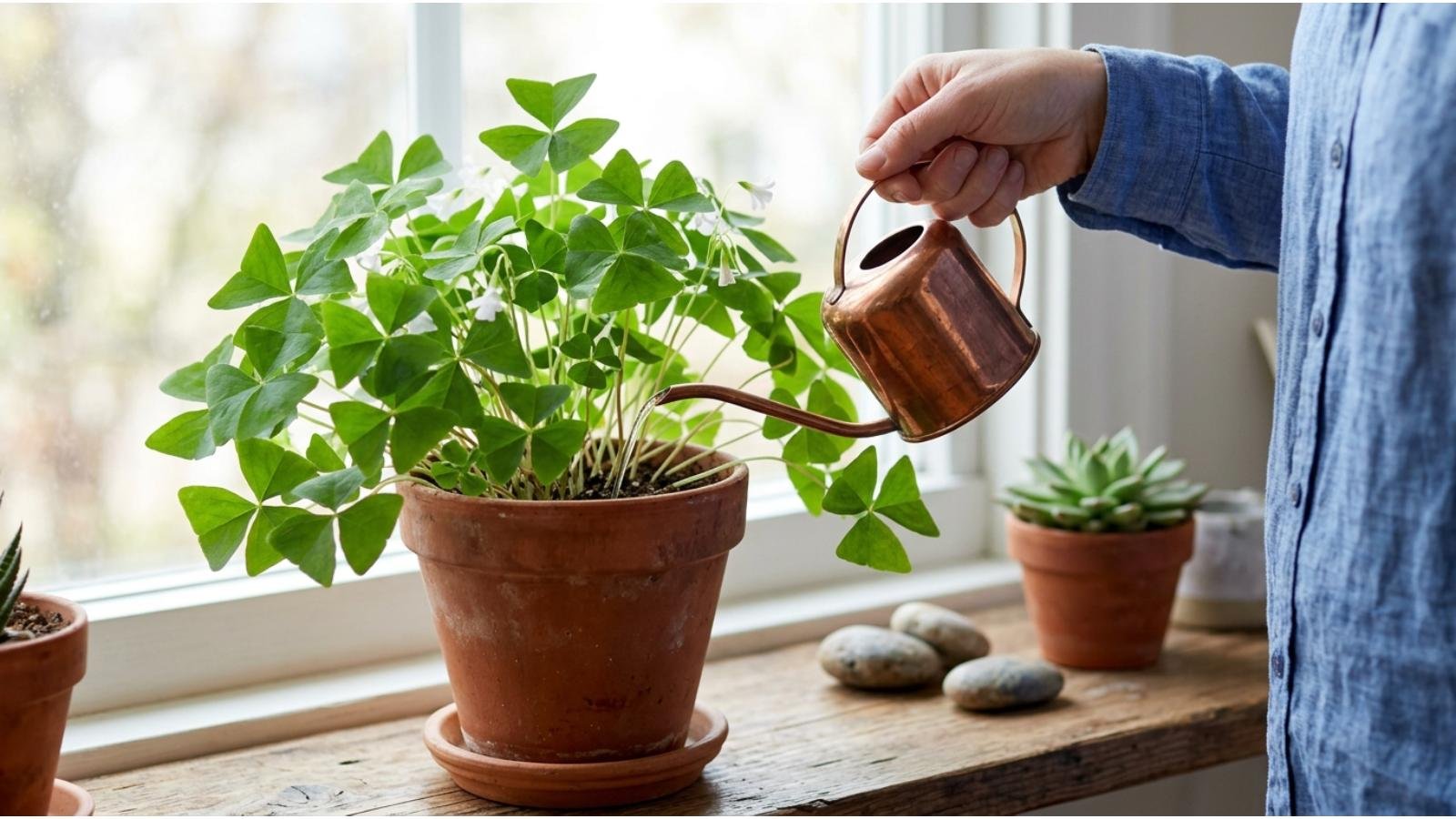
The best approach is to water based on soil moisture rather than following a rigid weekly schedule.
During active growth:
- Check the surface of the potting mix.
- When it has started to dry, water thoroughly.
- Allow excess water to drain from the bottom.
- Empty any standing water from the saucer.
- Check the plant again before watering next time.
Avoid the “little water every day” mistake
Small amounts of water applied frequently can leave deeper portions of the potting mix continuously wet. That creates a less forgiving environment for the roots and underground storage structures.
A better approach is thorough watering followed by appropriate drying.
Remember: the goal is moist soil, not permanently saturated soil.
What Soil Is Best for Shamrock Plants?
Shamrocks need a growing medium that retains some moisture without becoming waterlogged.
A useful indoor mix should provide:
- Moisture retention.
- Good drainage.
- Plenty of air around the roots.
- Enough structure to avoid compacting.
The moisture-retentive but well-drained medium for Oxalis triangularis, including a mixture based on loam, leaf mould or soil-less compost, and grit.
For a simple houseplant approach, a quality indoor potting mix amended with a drainage material such as perlite can work well.
Why drainage matters
A drainage hole is more important than choosing an expensive pot.
If excess water cannot escape, even an otherwise excellent soil mix can stay wet for too long. Always use a container with drainage when possible.
Image Suggestion: Cross-section illustration comparing a well-draining shamrock pot with a waterlogged container.
Choosing the Right Pot
Shamrocks do not need an oversized container.
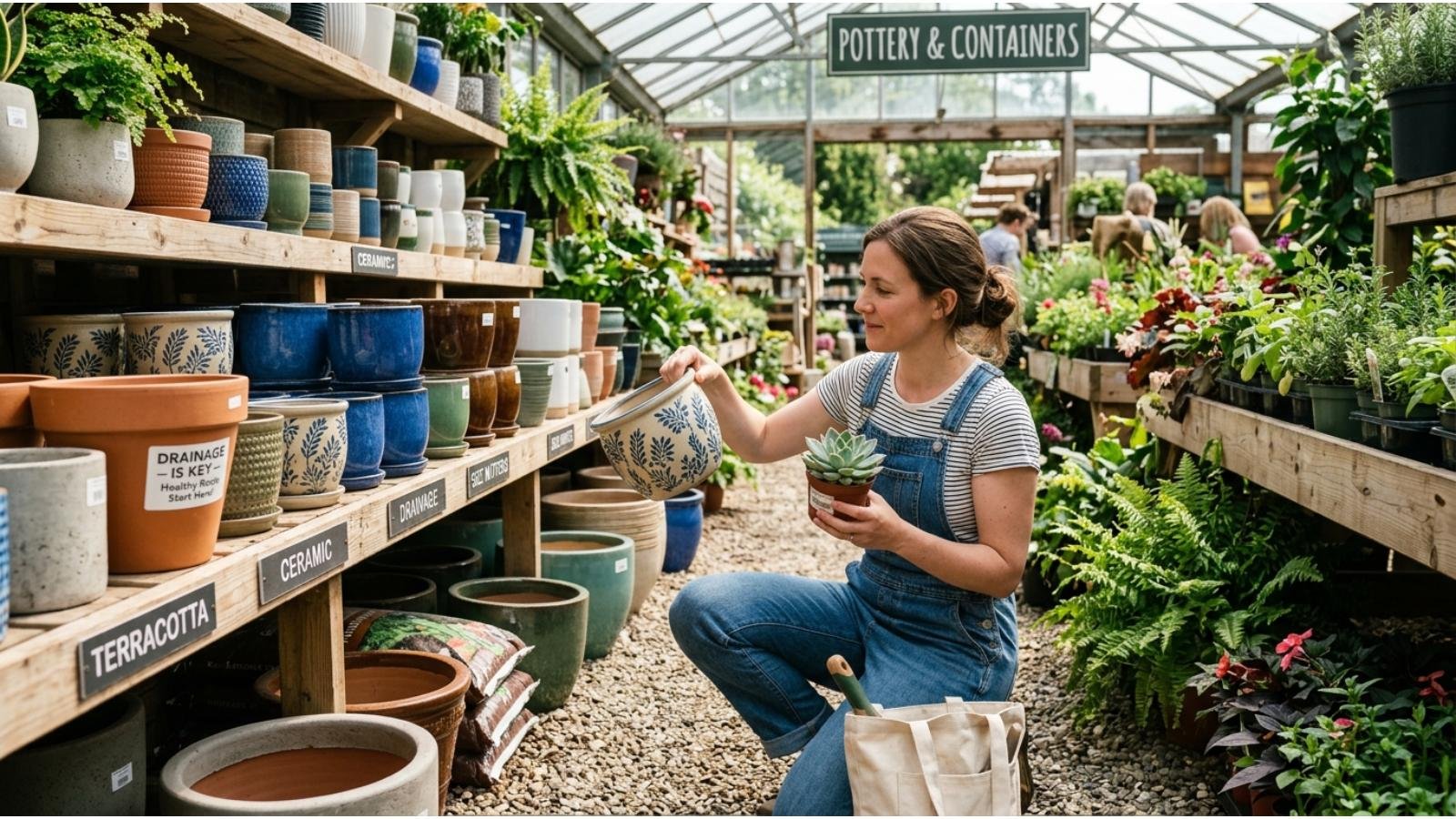
Choose a pot that is appropriate for the existing root and bulb cluster, with a drainage hole at the bottom.
An excessively large pot holds a greater volume of soil around a relatively small root system. That soil can remain wet longer than necessary after watering.
If repotting is necessary, moving up only modestly in container size is generally safer than jumping into a very large pot. Missouri Botanical Garden similarly recommends only moving to a pot about one inch larger when a larger container is needed for indoor plants.
Temperature and Humidity
Shamrock plants generally appreciate normal indoor conditions, provided they are protected from extreme temperatures and sudden environmental changes.
Avoid placing the plant:
- Directly against a hot radiator.
- Beside an air-conditioning vent.
- Against very cold glass during winter.
- In a location exposed to repeated temperature swings.
Oxalis triangularis can be grown indoors year-round in suitable conditions, and the RHS specifically notes that it can be grown in a cool room or conservatory. (RHS)
You usually do not need to turn your home into a greenhouse just to grow a shamrock. Good light, sensible watering, and stable conditions matter more than obsessing over humidity.
Should You Fertilize a Shamrock Plant?
Fertilize during active growth rather than treating the plant as if it needs constant feeding.
A balanced houseplant fertilizer used according to its label can provide nutrients during periods of vigorous growth. Avoid excessive fertilizer because more nutrients do not automatically mean healthier plants.
If the plant is dormant or barely producing new growth, fertilizer is usually unnecessary.
The Most Important Part: Understanding Shamrock Dormancy
Dormancy is one of the biggest differences between caring for a shamrock and caring for many conventional houseplants.
At some point, an Oxalis plant may:
- Stop producing new leaves.
- Develop yellowing or fading foliage.
- Lose much of its above-ground growth.
- Appear completely unattractive.
- Remain inactive for a period before returning to growth.
This does not automatically mean the plant is dead.
What should you do during dormancy?
When the plant has clearly entered dormancy:
- Remove dead or completely faded foliage.
- Stop regular watering.
- Keep the pot from becoming completely saturated.
- Place it somewhere cool and protected.
- Watch for signs of new growth.
- Gradually resume watering when active growth returns.
The most common beginner mistake is continuing to water heavily simply because the plant is in the same pot.
Think of dormancy as a rest period, not a crisis.
Image Suggestion: Three-stage visual showing healthy growth, dormant shamrock, and fresh regrowth.
How to Tell If Your Shamrock Is Dormant or Dying
This is an important distinction.
| Symptom | More likely explanation |
|---|---|
| Leaves gradually fade and growth stops | Natural dormancy |
| Leaves fold at night | Normal plant movement |
| Soil stays wet for a long time | Possible overwatering problem |
| Stems become stretched and weak | Insufficient light |
| Leaves scorch near hot glass | Excessive intense light or heat |
| New growth appears after a resting period | Healthy recovery |
| Plant has consistently soggy soil and deteriorating foliage | Root or bulb health may be compromised |
Do not diagnose the plant from one yellow leaf. Look at the entire pattern: light, soil moisture, recent growth, and whether the plant is entering its natural resting phase.
Why Are My Shamrock Leaves Closing?
If your shamrock’s leaves fold or close in the evening, that is usually normal.
Oxalis species have foliage that responds to changing light conditions. O. triangularis is specifically noted for leaves that close at night.
So if the leaves are open during the day and folded later, there is usually no reason to panic.
This is one of the features that makes shamrocks particularly interesting as indoor plants.
Why Is My Shamrock Getting Leggy?
Leggy growth usually points toward insufficient light.
When indoor light is weak, plants may stretch toward the strongest available light source. General indoor-plant guidance from Missouri Botanical Garden notes that inadequate light can cause spindly growth and leaf loss.
Fix it
Move the plant gradually toward a brighter location rather than suddenly exposing it to intense sunlight.
If natural light is consistently inadequate, supplemental grow lighting can help.
Also rotate the container periodically to encourage more balanced growth.
Why Are My Shamrock Leaves Turning Yellow?
Yellow leaves can have several causes, so avoid automatically adding fertilizer or water.
Check:
- Is the soil constantly wet?
- Has the plant recently entered dormancy?
- Is the plant receiving enough light?
- Is the yellowing limited to older leaves?
- Are the stems or underground structures showing signs of deterioration?
If yellowing occurs alongside consistently wet soil, reduce watering and improve drainage. If it happens as the plant naturally stops growing, dormancy may be the simpler explanation.
Common Shamrock Plant Care Mistakes
1. Watering on a fixed schedule
Calendar-based watering ignores changes in light, temperature, pot size, and plant growth.
Better: check the soil and the plant’s current growth stage.
2. Keeping dormant plants wet
A resting shamrock does not use water at the same rate as a vigorously growing plant.
Better: reduce watering substantially during dormancy.
3. Putting the plant in a dark corner
Shamrocks may tolerate partial shade, but indoor darkness is different from bright filtered light.
Better: provide a bright indoor position.
4. Using a decorative pot without drainage
A beautiful container can become a problem if water has nowhere to escape.
Better: use a drainage hole and empty excess water.
5. Throwing the plant away during dormancy
This is perhaps the most frustrating mistake.
Better: learn to recognize the plant’s natural resting period.
6. Fertilizing a stressed plant heavily
More fertilizer cannot compensate for poor light or chronically wet soil.
Better: correct environmental problems first.
A Simple Shamrock Plant Care Routine
If you want a straightforward routine, use this checklist.
During active growth
- Keep the plant in bright, filtered light.
- Check soil moisture regularly.
- Water thoroughly when the surface begins to dry.
- Make sure excess water drains away.
- Feed moderately during active growth.
- Remove dead leaves and flowers.
- Rotate the pot periodically.
During dormancy
- Reduce watering considerably.
- Remove dead foliage.
- Stop routine fertilizing.
- Keep the plant in a protected location.
- Watch for new growth.
- Resume normal care gradually when growth returns.
Seasonal Shamrock Care
Spring
As light levels increase, check whether new growth is emerging. Gradually return to regular watering and feeding once the plant is actively growing.
Summer
Maintain bright light while avoiding excessive heat through hot glass. Check soil more frequently because brighter conditions can increase water use.
Autumn
Watch for declining growth. If the plant begins entering dormancy, do not respond by increasing watering.
Winter
Light levels are often lower indoors, so watering should reflect the slower growth rate. If the plant is dormant, keep the growing medium only barely moist rather than maintaining normal summer watering.
Can You Move a Shamrock Outdoors?
Yes, in suitable climates and conditions, but transition it gradually.
The Oxalis triangularis can be placed outdoors from late spring to early autumn in partial shade and brought indoors for winter in cooler climates.
If moving an indoor plant outside, avoid immediately placing it in intense sun. Indoor-grown foliage can be sensitive to sudden changes in light and wind.
Gradual acclimation is safer. General houseplant guidance from University of Minnesota Extension also recommends starting plants in a shady, sheltered outdoor location before increasing exposure.
Pests and Problems
Good growing conditions are your first line of defense against many indoor plant problems.
Inspect the leaves, stems, and soil surface regularly for insects. If you discover pests, isolate the affected plant from other houseplants and identify the pest before choosing a treatment. University of Minnesota Extension recommends regular inspection and isolation when pests are detected.
Avoid treating every yellow leaf as an insect problem. Environmental stress is often the more useful place to start.
How to Propagate Shamrock Plants
Division is generally the more practical approach for a mature indoor plant because you can separate established underground growth into smaller sections.
Basic division method
- Remove the plant carefully from its container.
- Examine the underground cluster.
- Separate suitable sections gently.
- Replant them in fresh, well-draining mix.
- Water appropriately.
- Place them in bright, indirect light.
Avoid dividing a plant that is already severely stressed. Establishing healthy divisions is easier when the parent plant is vigorous.
Is a Shamrock Plant Easy to Grow Indoors?
Yes, once you understand its growth cycle.
The biggest learning curve is recognizing that less growth does not always mean a problem. A healthy shamrock may change dramatically throughout the year because it is a deciduous, bulbous perennial rather than a continuously growing foliage plant.
For beginners, the most important principles are simple:
Bright light + well-drained soil + sensible watering + respect for dormancy = healthier shamrock plants.
Frequently Asked Questions
How often should I water a shamrock plant indoors?
There is no reliable universal schedule. Check the soil regularly and water when the surface begins to dry during active growth. Keep the soil moist but well drained, and reduce watering considerably during dormancy.
Does a shamrock plant need direct sunlight?
Not necessarily. Bright, filtered light is a good indoor starting point. Partial shade is also listed among the preferred conditions for Oxalis triangularis.
Why does my shamrock close its leaves at night?
This is normal behavior. Oxalis triangularis leaves naturally close at night and respond to changes in light.
Should I cut back my shamrock when it dies back?
If the foliage is genuinely fading as part of dormancy, remove dead or unattractive leaves and reduce watering rather than treating the plant as though it needs active-growth care.
Can a shamrock plant come back after losing all its leaves?
Yes. Because Oxalis triangularis is a bulbous perennial, dormant plants can return to growth when conditions become favorable. The RHS specifically describes its dormant period and cultivation as a houseplant.
What is the best soil for shamrock plants?
Use a moisture-retentive but well-draining growing medium. A quality houseplant mix amended with perlite is a practical indoor option, provided the container also drains freely.
Why is my purple shamrock turning green?
Insufficient or changed light can influence foliage appearance. Before changing fertilizer or soil, evaluate the amount and quality of light the plant receives.
Can I grow a shamrock plant in a bathroom?
A bright bathroom can work, but humidity alone does not compensate for inadequate light. Choose the room based primarily on light quality, then consider humidity and temperature.
Final Takeaways
Successful shamrock plant care indoors comes down to understanding the plant rather than following a rigid watering calendar. Give Oxalis triangularis bright filtered light, a well-draining medium, appropriate moisture during active growth, and much less water when it enters dormancy.
Most importantly, do not mistake natural seasonal dieback for plant death. Once you recognize the difference between active growth, stress, and dormancy, shamrocks become much easier to maintain—and their unusual leaf movements make them one of the more rewarding plants to keep indoors.
Best care formula: bright light, good drainage, moderate moisture during growth, light feeding, and patience during dormancy.
Suggested Internal Linking Opportunities
If these topics exist on your plant-care site, natural internal links could include:
- Indoor plant care for beginners.
- How to water houseplants correctly.
- Best indoor plant soil mixes.
- How to identify overwatered plants.
- Indoor plant lighting guide.
- Plant dormancy explained.
- How to propagate houseplants.
Recommended Image Opportunities
- Shamrock plant indoors: Healthy Oxalis triangularis beside a bright window.
- Light guide: Correct bright-filtered light versus low-light placement.
- Watering diagram: Properly moist soil versus waterlogged soil.
- Dormancy cycle: Active growth → dormancy → new growth.
- Troubleshooting chart: Yellow leaves, leggy growth, and leaf folding.
- Propagation illustration: Dividing an established shamrock bulb cluster.