Quick Answer
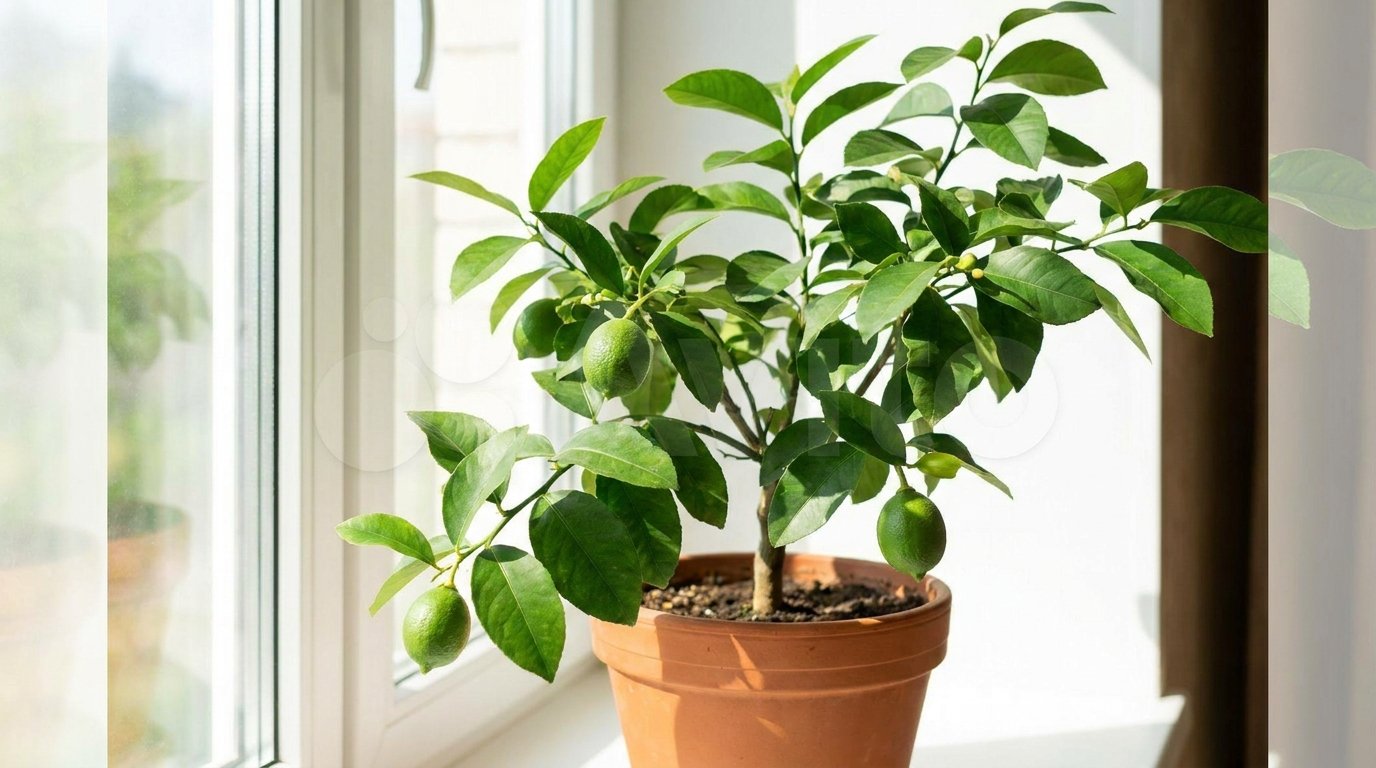
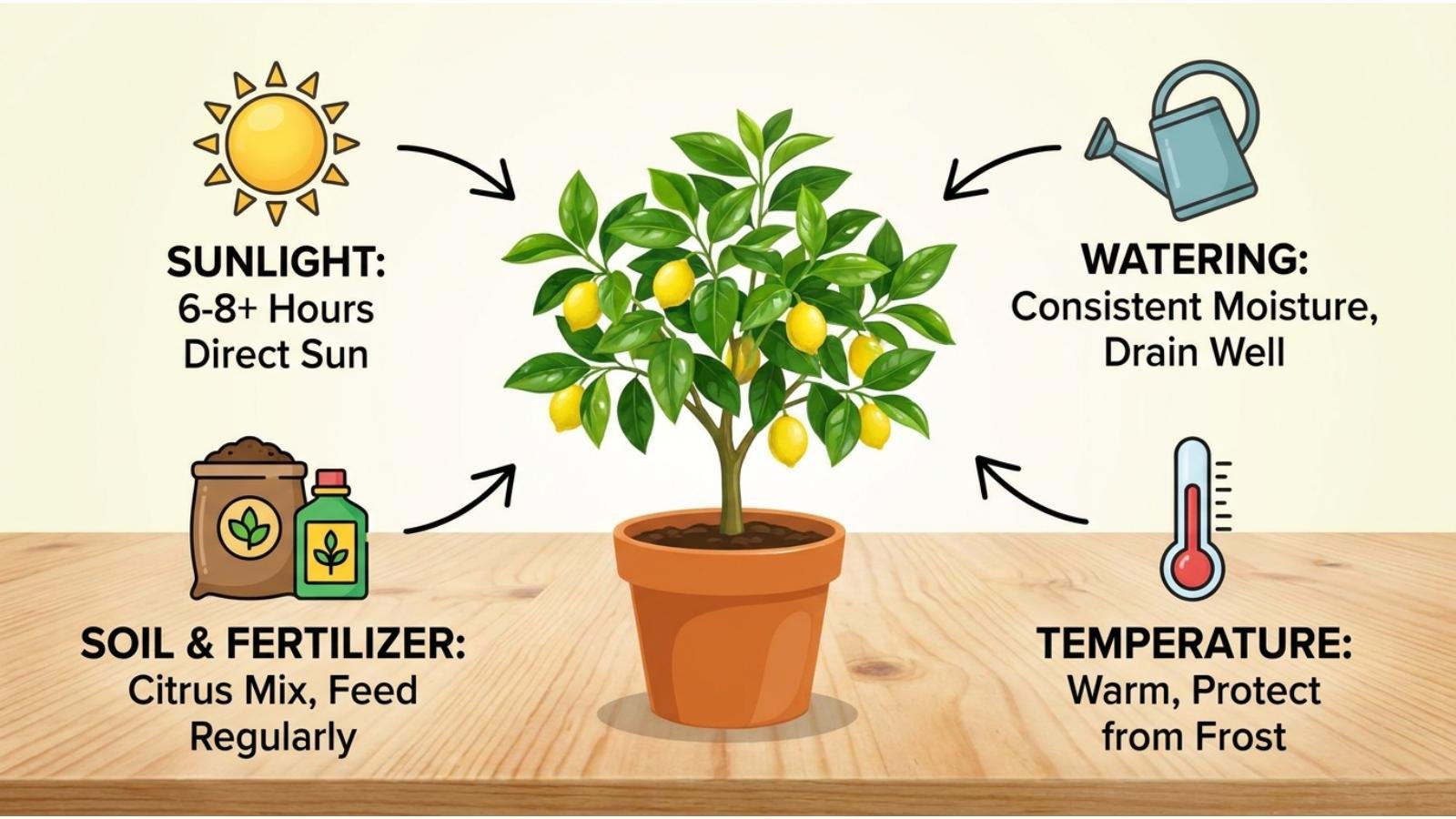
Lemon plant care requires plenty of direct sunlight, well-draining soil, consistent but controlled watering, regular feeding, and protection from extreme temperatures. Water deeply when the soil begins to dry rather than keeping it constantly wet.
Feed during active growth with a suitable citrus fertilizer, prune only when necessary, and regularly inspect leaves and stems for pests or signs of stress. Container-grown lemon plants need excellent drainage, adequate root space, and occasional repotting.
Introduction
Growing a lemon plant can be incredibly rewarding. With the right conditions, a healthy plant can produce fragrant flowers, glossy green leaves, and fresh lemons. However, lemon plants can also show problems quickly when their basic needs are overlooked.
Yellow leaves, leaf drop, curling foliage, poor flowering, flower drop, slow growth, and a lack of fruit are some of the most common concerns growers face. Fortunately, many of these problems can be prevented by getting the basics right.
The key to successful lemon plant care is balance. Lemon plants need water, but constantly wet soil can damage the roots. They need fertilizer, but excessive feeding can cause unwanted growth. They need sunlight, but newly moved plants can suffer if suddenly exposed to intense conditions.
Understanding what your lemon plant needs—and recognizing what its leaves, soil, and new growth are telling you—is much more effective than following a rigid care schedule.
Lemon Plant Care Requirements
| Care Factor | Lemon Plant Requirement |
|---|---|
| Sunlight | Several hours of direct sunlight daily |
| Soil | Fertile and well-draining |
| Water | Deep watering when soil begins to dry |
| Fertilizer | Regular feeding during active growth |
| Temperature | Warm conditions with protection from freezing |
| Humidity | Moderate humidity is generally suitable |
| Pruning | Light, selective pruning |
| Container | Good drainage and sufficient root space |
| Pests | Regular inspection of leaves and stems |
| Repotting | When roots become crowded |
The exact requirements vary depending on the lemon variety, climate, plant age, soil, and whether it is grown in a container or directly in the ground.
How Much Sunlight Does a Lemon Plant Need?
Lemon plants grow best in a bright location with plenty of direct sunlight. Strong light is especially important if you want your plant to flower and produce fruit.
A lemon plant receiving inadequate light may continue producing leaves while becoming weak, stretched, or less productive.
For outdoor lemon plants
Choose a location that receives abundant sunlight throughout the day. Avoid areas that are heavily shaded by buildings, walls, or larger trees.
For indoor lemon plants
Place the plant near the brightest suitable window. Indoor light is often considerably weaker than outdoor sunlight, so simply placing a lemon plant in a bright-looking room may not provide enough energy for strong growth and fruit production.
Signs of insufficient light
Watch for:
- Long, weak stems.
- Sparse foliage.
- Small leaves.
- Slow growth.
- Poor flowering.
- Few or no fruits.
- Leaves turning pale.
Practical tip: If your lemon plant is healthy but refuses to flower, check its light exposure before immediately adding more fertilizer.
Image Suggestion: Lemon plant placed in a sunny location compared with a weak, stretched plant growing in insufficient light.
What Soil Is Best for Lemon Plants?
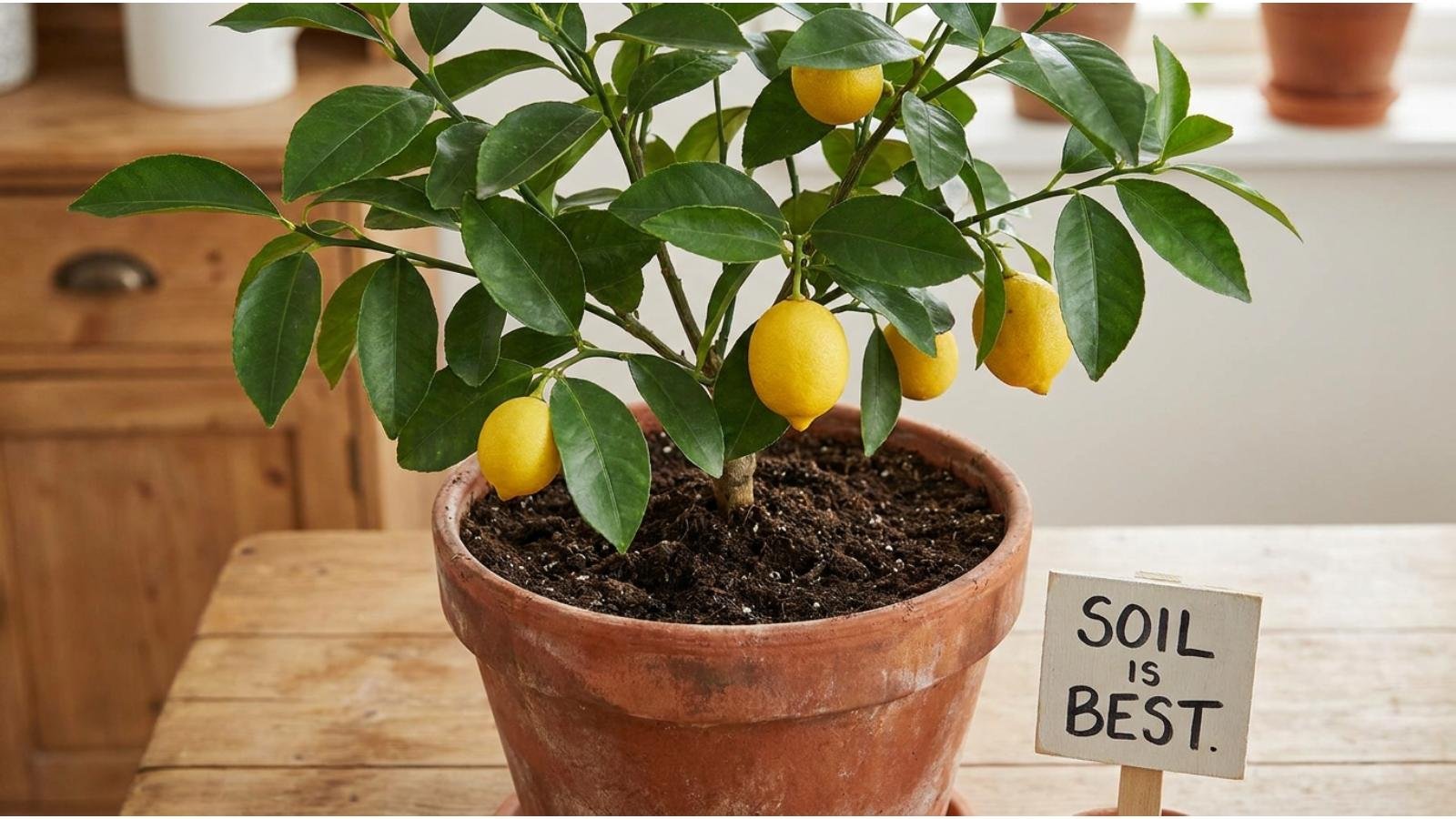
Lemon plants need soil that holds enough moisture for the roots while allowing excess water to escape.
Poor drainage is one of the most common problems for container-grown citrus. When roots remain surrounded by saturated soil, they receive less oxygen and can become stressed or damaged.
Good lemon plant soil should be:
- Well-draining.
- Nutrient-rich.
- Loose rather than compacted.
- Able to retain some moisture without becoming waterlogged.
- Suitable for citrus or other fruiting plants.
For containers, use a quality potting mixture designed for good drainage rather than heavy garden soil.
Why drainage matters
A lemon plant does not simply need water. Its roots need water and oxygen.
If the soil stays wet for too long, adding even more water because the leaves look wilted can make the problem worse.
How Often Should You Water a Lemon Plant?
There is no perfect watering schedule that works for every lemon plant.
A plant growing in a small container during hot weather may need water much more frequently than a mature tree growing in the ground.
Before watering, check the soil.
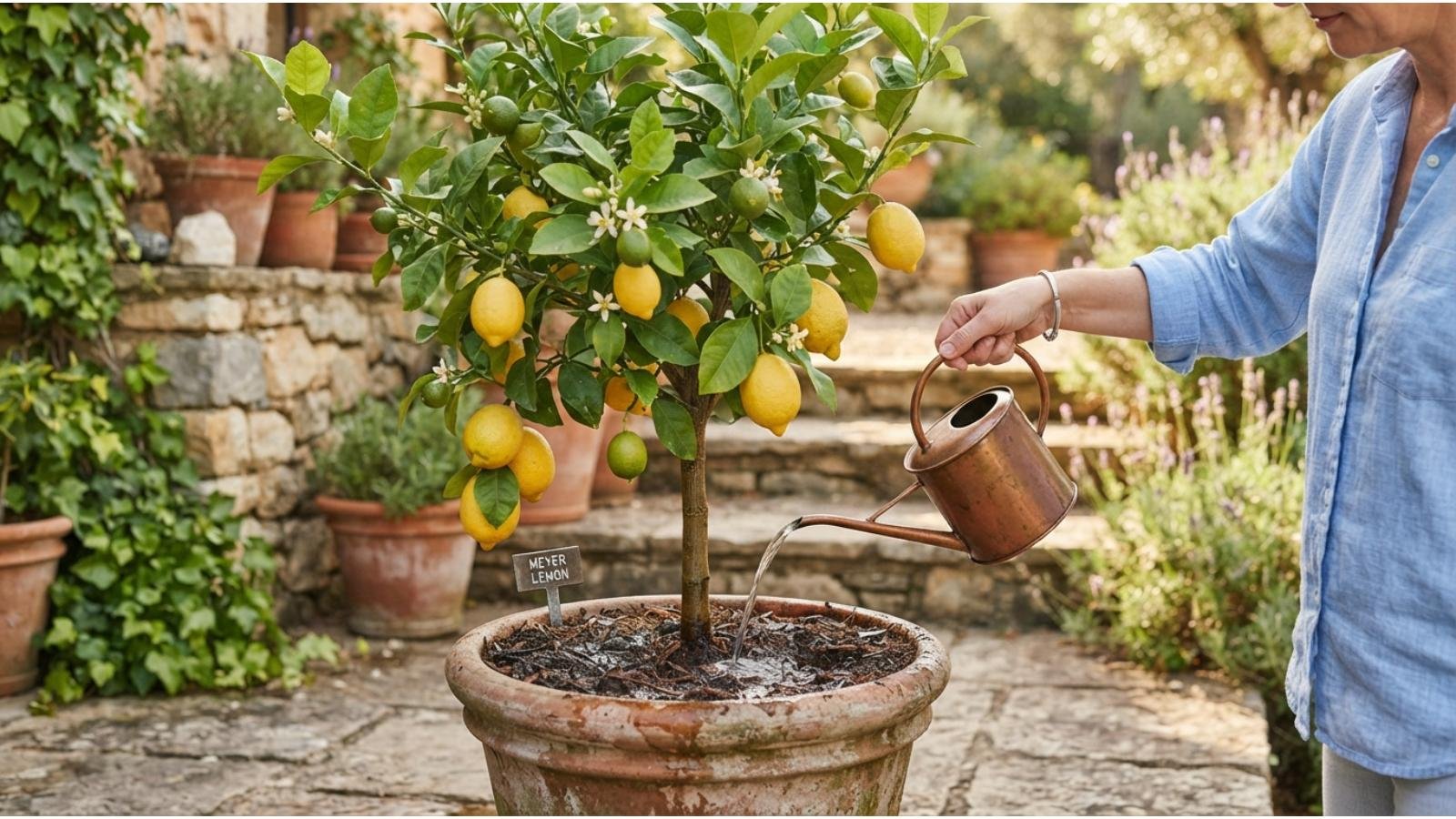
If the upper portion of the growing medium is still noticeably wet, wait. If it has begun to dry and the plant needs moisture, water thoroughly.
A simple watering routine
- Check the soil before watering.
- Feel the moisture several centimeters below the surface.
- Water thoroughly when the plant needs it.
- Allow excess water to drain away.
- Never leave a container sitting in standing water.
- Adjust your routine according to temperature and season.
Avoid shallow watering
Giving a lemon plant a tiny amount of water every day may wet only the surface while leaving much of the root zone dry.
Deep, appropriate watering is generally more useful than frequent surface sprinkling.
The biggest watering mistake
Many beginners assume that yellow or drooping leaves always mean the plant needs more water.
That is not necessarily true.
Overwatering can also cause yellow leaves and weak growth because damaged roots cannot function properly.
Before adding water, check the soil.
How to Fertilize a Lemon Plant
Lemon plants need nutrients for healthy foliage, flowering, and fruit development. Container-grown plants can be particularly dependent on regular feeding because their roots have access to a limited amount of soil.
Use a fertilizer formulated for citrus or a balanced fertilizer appropriate for fruiting plants, and follow the recommended application rate.
During active growth
Regular feeding may support:
- New leaf development.
- Strong branches.
- Flower production.
- Fruit development.
- Overall plant vigor.
However, fertilizer should supplement good growing conditions rather than compensate for poor sunlight, bad drainage, or incorrect watering.
Avoid excessive fertilizer
More fertilizer does not necessarily mean more lemons.
Too much fertilizer can result in:
- Excessive leafy growth.
- Leaf-tip damage.
- Salt buildup in container soil.
- Root stress.
- Reduced overall plant health.
Expert tip: If a lemon plant has yellow leaves, don’t immediately assume it needs fertilizer. First examine watering, drainage, sunlight, pests, and the pattern of yellowing.
Why Are Lemon Plant Leaves Turning Yellow?
Yellow leaves can have several causes, so the pattern and surrounding conditions matter.
Common causes include:
- Overwatering.
- Poor drainage.
- Underwatering.
- Nutrient deficiencies.
- Root damage.
- Insufficient sunlight.
- Pest problems.
- Temperature stress.
the older leaves gradually become pale, consider nutrition and general plant health.
If yellowing appears alongside constantly wet soil, investigate drainage and watering.
If new leaves are unusually pale while their veins remain noticeably greener, a nutrient-related issue may be involved.
Don’t treat the symptom blindly
A common mistake is adding fertilizer whenever leaves turn yellow.
If the actual problem is waterlogged soil, additional fertilizer will not fix damaged roots.
Lemon Plant Pruning Guide
Lemon plants generally don’t need aggressive pruning.
Pruning should focus on removing growth that is dead, damaged, unhealthy, or poorly positioned.
Remove:
- Dead branches.
- Broken branches.
- Diseased growth.
- Crossing branches when necessary.
- Unwanted shoots.
- Suckers growing below a graft union.
- Extremely weak or poorly positioned growth.
Avoid excessive pruning
Removing large amounts of healthy foliage can reduce the plant’s productive surface and encourage vigorous replacement growth.
A lemon plant should not be heavily cut simply because you want to make it look smaller.
Practical approach: Step back and look at the entire plant before making each major cut. Remove what genuinely needs to go rather than pruning simply because a branch exists.
Image Suggestion: Annotated lemon plant showing dead branches, healthy branches, crossing growth, and unwanted shoots.
What Are Lemon Tree Suckers?
If your lemon plant is grafted, you may notice vigorous shoots developing below the graft or bud union.
These shoots are usually produced by the rootstock rather than the desired lemon variety.
They can grow rapidly and compete with the upper part of the tree.
What should you do?
Remove unwanted rootstock shoots as soon as they are identified.
Do not allow them to become large branches that dominate the plant.
How to Grow a Lemon Plant in a Pot
Lemon plants can grow successfully in containers when their basic needs are managed carefully.
Container growing is especially useful when you need to move the plant during extreme weather.
Choose a suitable container
The pot should:
- Have drainage holes.
- Provide enough room for the roots.
- Be stable enough to support the plant.
- Allow excess water to escape easily.
Don’t immediately choose an enormous pot
A very large container filled with unused soil can remain wet for a long time after watering.
Instead, move the plant into a suitably larger container as the root system develops.
Signs a lemon plant may need a larger pot
Look for:
- Roots emerging from drainage holes.
- Roots tightly circling the root ball.
- Very rapid drying after watering.
- Poor growth despite good care.
- The plant becoming noticeably root-bound.
Indoor Lemon Plant Care
Growing a lemon plant indoors requires more attention to light than many people expect.
A lemon plant can survive in a bright room but may struggle to flower or produce fruit if its light intensity is too low.
Indoor care checklist
- Place it near the brightest suitable window.
- Rotate the container occasionally for even growth.
- Avoid placing it directly against a cold window during freezing weather.
- Keep it away from strong sources of dry, hot air.
- Monitor soil moisture carefully.
- Inspect regularly for pests.
- Provide enough space for airflow around the foliage.
If you move the plant outdoors after spending a long time indoors, gradually introduce it to stronger sunlight.
Suddenly moving a shade-adapted plant into intense sunlight can cause leaf scorch.
Lemon Plant Care in Hot Weather
Hot weather increases water loss from both leaves and soil.
However, high temperatures do not mean that the roots should remain permanently wet.
During hot conditions:
- Check soil moisture more frequently.
- Water thoroughly when necessary.
- Protect young plants from extreme heat.
- Use suitable mulch around outdoor plants.
- Keep mulch away from the trunk.
- Watch for wilting during the hottest part of the day.
- Avoid unnecessary fertilizer during severe environmental stress.
A useful observation
A plant that wilts briefly during extreme midday heat but recovers later may be responding to temporary heat stress.
A plant that remains wilted, has dry soil, and shows progressive leaf damage needs more immediate attention.
How to Protect a Lemon Plant From Cold
Lemon plants prefer warm conditions and can suffer damage during freezing temperatures.
Container-grown plants have an advantage because they can often be moved to a sheltered location.
Before severe cold:
- Move container plants to a protected area when practical.
- Avoid encouraging tender new growth immediately before expected cold.
- Protect young outdoor plants according to local conditions.
- Avoid unnecessary pruning before or immediately after cold damage.
Don’t prune frost damage too quickly
Cold-damaged branches can sometimes appear dead before the full extent of the damage becomes clear.
Waiting until new growth begins can help you determine which portions of the plant actually survived.
Why Is My Lemon Plant Not Producing Fruit?
A lemon plant can have healthy-looking leaves and still produce few or no lemons.
Several factors can contribute.
Insufficient sunlight
This is one of the first things to check.
Flowering and fruit development require substantial energy, so inadequate light can reduce productivity.
The plant is young
Young lemon plants may need time to mature before producing a significant crop.
Excessive nitrogen
Too much nitrogen can encourage leaves and shoots at the expense of the balance needed for good flowering and fruit production.
Water stress
Both excessive dryness and prolonged wet conditions can affect plant health and fruit development.
Temperature stress
Very hot or cold conditions can interfere with flowering and developing fruit.
Excessive pruning
Removing too much productive growth can reduce the plant’s ability to flower.
Why Are Lemon Flowers Falling Off?
Some flower and young fruit drop is natural.
A plant cannot successfully mature every flower it produces, so some loss is part of normal development.
However, excessive flower or fruit drop can be associated with environmental stress.
Possible causes include:
- Severe heat.
- Water stress.
- Poor nutrition.
- Sudden environmental changes.
- Insufficient light.
- Root problems.
- Pest activity.
If flowers are repeatedly dropping before developing into fruit, review the plant’s growing conditions rather than focusing on the flowers alone.
Common Lemon Plant Pests
Regular inspection can help you identify pest problems before they become severe.
Potential pests include:
- Aphids.
- Scale insects.
- Whiteflies.
- Mealybugs.
- Mites.
- Leaf-feeding insects.
Inspect the undersides of leaves and the newest growth because pests often gather in these areas.
Watch for:
- Sticky leaves.
- Curling foliage.
- Distorted new growth.
- Small insects.
- Cotton-like clusters.
- Hard bumps attached to stems or leaves.
- Fine webbing.
- Black residue on leaves.
If you discover pests early, management is generally easier than dealing with a severe infestation.
Lemon Plant Problems and Solutions
| Problem | Possible Cause | What to Check |
|---|---|---|
| Yellow leaves | Overwatering, nutrition, roots | Soil and drainage |
| Curling leaves | Water stress, heat, pests | Moisture and leaf undersides |
| Leaf drop | Environmental stress | Recent changes |
| No flowers | Low light, age, nutrition | Sunlight and feeding |
| Flowers dropping | Heat, water stress, natural shedding | Growing conditions |
| Small fruit | Water stress, nutrition, light | Soil and sunlight |
| Brown leaf edges | Dryness, heat, salt buildup | Water and fertilizer |
| Sticky leaves | Insect activity | Stems and undersides |
| Black coating on leaves | Honeydew from pests | Inspect for insects |
| Slow growth | Poor light, roots, nutrition | Overall conditions |
Lemon Plant Care by Season
Spring Lemon Plant Care
Spring is often a period of active growth.
Focus on:
- Strong sunlight.
- Appropriate watering.
- New growth.
- Flowering.
- Fertilization.
- Pest monitoring.
- Removing damaged growth.
Summer Lemon Plant Care
Summer care is largely about managing heat and water.
Check:
- Soil moisture.
- Leaf condition.
- Fruit development.
- Pest activity.
- Container temperature.
- Overall plant stress.
Container plants may dry much faster during hot weather.
Fall Lemon Plant Care
As conditions begin to change:
- Monitor watering carefully.
- Reduce unnecessary feeding as growth slows.
- Inspect for pests.
- Prepare container plants for colder weather.
- Remove damaged or unhealthy growth if appropriate.
Winter Lemon Plant Care
During colder periods:
- Protect the plant from freezing conditions.
- Avoid keeping the soil constantly wet.
- Reduce watering if growth slows significantly.
- Provide adequate light for indoor plants.
- Watch for pests that may become noticeable indoors.
Lemon Plant Care Mistakes to Avoid
1. Watering on a strict calendar
Plants don’t drink the same amount of water every week.
Temperature, soil, rainfall, container size, and plant size all affect watering requirements.
2. Keeping the soil constantly wet
Roots need oxygen as well as water.
3. Giving too little sunlight
A lemon plant may survive but fail to flower and fruit properly.
4. Overfertilizing
Excess nutrients can cause problems rather than faster growth.
5. Pruning too aggressively
Lemon plants generally respond better to selective pruning.
6. Ignoring drainage
A container without adequate drainage can quickly become a root-health problem.
7. Treating every yellow leaf with fertilizer
Yellowing is a symptom, not a diagnosis.
8. Ignoring pests until damage becomes obvious
Regular inspection is much easier than trying to recover a heavily infested plant.
9. Moving plants suddenly between different light levels
Gradual adjustment can reduce stress and leaf scorch.
A Simple Lemon Plant Care Routine
You don’t need to spend hours caring for your lemon plant every day.
Weekly check
Inspect:
- Soil moisture.
- New leaves.
- Older foliage.
- Branches.
- Undersides of leaves.
- Flowers.
- Developing fruit.
- Signs of pests.
- Drainage.
Monthly check
Review:
- Fertilizer needs.
- Root space.
- Container condition.
- Plant shape.
- Sunlight exposure.
- Overall growth.
This simple routine helps identify small problems before they become major ones.
Expert Tip: Diagnose Before You Treat
One of the most useful habits for successful lemon plant care is learning to diagnose the cause instead of treating the symptom.
For example, suppose your lemon plant suddenly develops yellow leaves.
Instead of immediately adding fertilizer, ask:
- Is the soil constantly wet?
- Does the container drain properly?
- Has the plant recently experienced extreme heat?
- Is it receiving enough sunlight?
- Are pests present?
- Are only older leaves affected?
- Are the newest leaves affected?
- Has anything recently changed?
This process helps prevent a common gardening mistake: solving the wrong problem.
Lemon Plant Care for Better Fruit Production
If your main goal is harvesting lemons, focus on the fundamentals.
Prioritize:
Strong sunlight: Supports energy production and flowering.
Healthy roots: Good drainage and appropriate watering help maintain root health.
Balanced nutrition: Feed regularly without excessive fertilizer.
Consistent moisture: Avoid severe cycles of drought followed by flooding.
Appropriate pruning: Maintain useful structure without removing excessive healthy growth.
Pest monitoring: Healthy foliage is essential for sustained growth and fruit development.
Temperature management: Protect plants from damaging extremes whenever possible.
There is no single fertilizer, watering trick, or pruning technique that can compensate for poor overall growing conditions.
Frequently Asked Questions
How much sunlight does a lemon plant need?
Lemon plants generally perform best with several hours of direct sunlight each day. More suitable sunlight usually supports stronger growth and better flowering and fruit production.
How often should I water my lemon plant?
Water when the soil begins to dry rather than following a fixed schedule. The exact frequency depends on temperature, soil, plant size, container size, and season.
Why are my lemon plant leaves turning yellow?
Yellow leaves can result from overwatering, poor drainage, nutrient problems, root stress, insufficient light, pests, or environmental changes. Check the growing conditions before treating the plant.
Can I grow a lemon plant in a pot?
Yes. Lemon plants can grow successfully in containers when they receive adequate sunlight, appropriate soil, sufficient root space, good drainage, and regular nutrition.
What fertilizer is best for lemon plants?
A fertilizer formulated for citrus or an appropriate fruiting-plant fertilizer can be used. Follow the label instructions and avoid applying excessive amounts.
Should I prune my lemon plant?
Light pruning is usually sufficient. Remove dead, damaged, crossing, or unwanted growth and any rootstock shoots below the graft union on grafted plants.
Why does my lemon plant have flowers but no lemons?
Possible causes include insufficient sunlight, young plant age, water stress, temperature problems, excessive nitrogen, or natural flower and fruit drop.
Why are the leaves curling?
Curling can result from underwatering, heat stress, root problems, or pests. Check the soil moisture and inspect both sides of the leaves.
Can lemon plants survive cold weather?
Lemon plants are sensitive to freezing temperatures. Young plants and container-grown plants generally require greater protection during severe cold.
How can I make my lemon plant grow faster?
Focus on strong sunlight, healthy roots, proper watering, suitable nutrition, and appropriate temperature. Avoid excessive fertilizer or watering in an attempt to force faster growth.
How long does it take for a lemon plant to produce fruit?
The timing varies considerably depending on the variety, age, growing conditions, and whether the plant was grown from seed or propagated from a mature plant. Seed-grown plants can take considerably longer to fruit.
Final Lemon Plant Care Tips
Successful lemon plant care is about creating stable growing conditions rather than constantly changing your routine.
Give your plant plenty of sunlight, use well-draining soil, water according to actual soil moisture, provide appropriate nutrition, and protect it from severe temperature extremes. Inspect the foliage regularly and investigate symptoms before applying treatments.
The most important lesson is simple: don’t automatically give your lemon plant more water or fertilizer when something looks wrong. First examine the roots, soil, sunlight, temperature, and leaves to identify the likely cause.
With consistent care and patience, a healthy lemon plant can reward you with vigorous foliage, fragrant flowers, and eventually a productive crop of fresh lemons