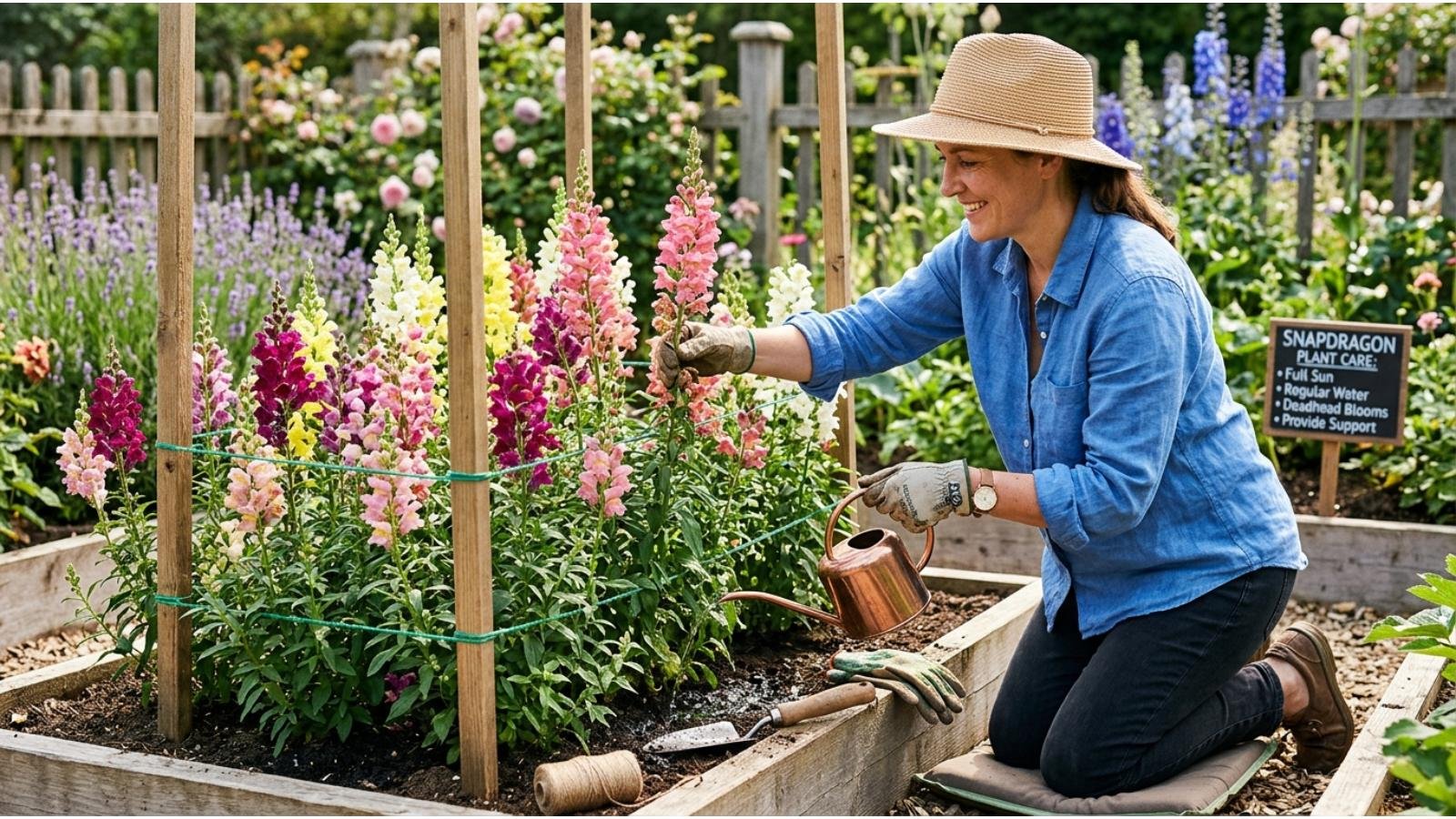
Snapdragons are valued for their colorful flower spikes, long blooming season, and distinctive dragon-shaped blossoms. They can work beautifully in flower beds, borders, containers, cottage gardens, and cutting gardens. Although they are relatively easy to grow, poor drainage, inconsistent watering, excessive heat, and neglecting spent flowers can quickly reduce their performance.
The good news is that successful snapdragon plant care does not require complicated techniques. The key is understanding what the plant actually needs at each stage, from choosing a sunny planting location to managing water, feeding, pruning, pests, and seasonal changes.
Quick Answer
Snapdragon plant care is easiest when you provide full sun, fertile but well-drained soil, consistent moisture without waterlogging, and regular deadheading. Snapdragons, botanically known as Antirrhinum majus, perform especially well in sunny beds and containers. Deadheading helps extend flowering, while good airflow and avoiding persistently wet foliage can reduce common problems such as rust and powdery mildew.
What Are Snapdragons
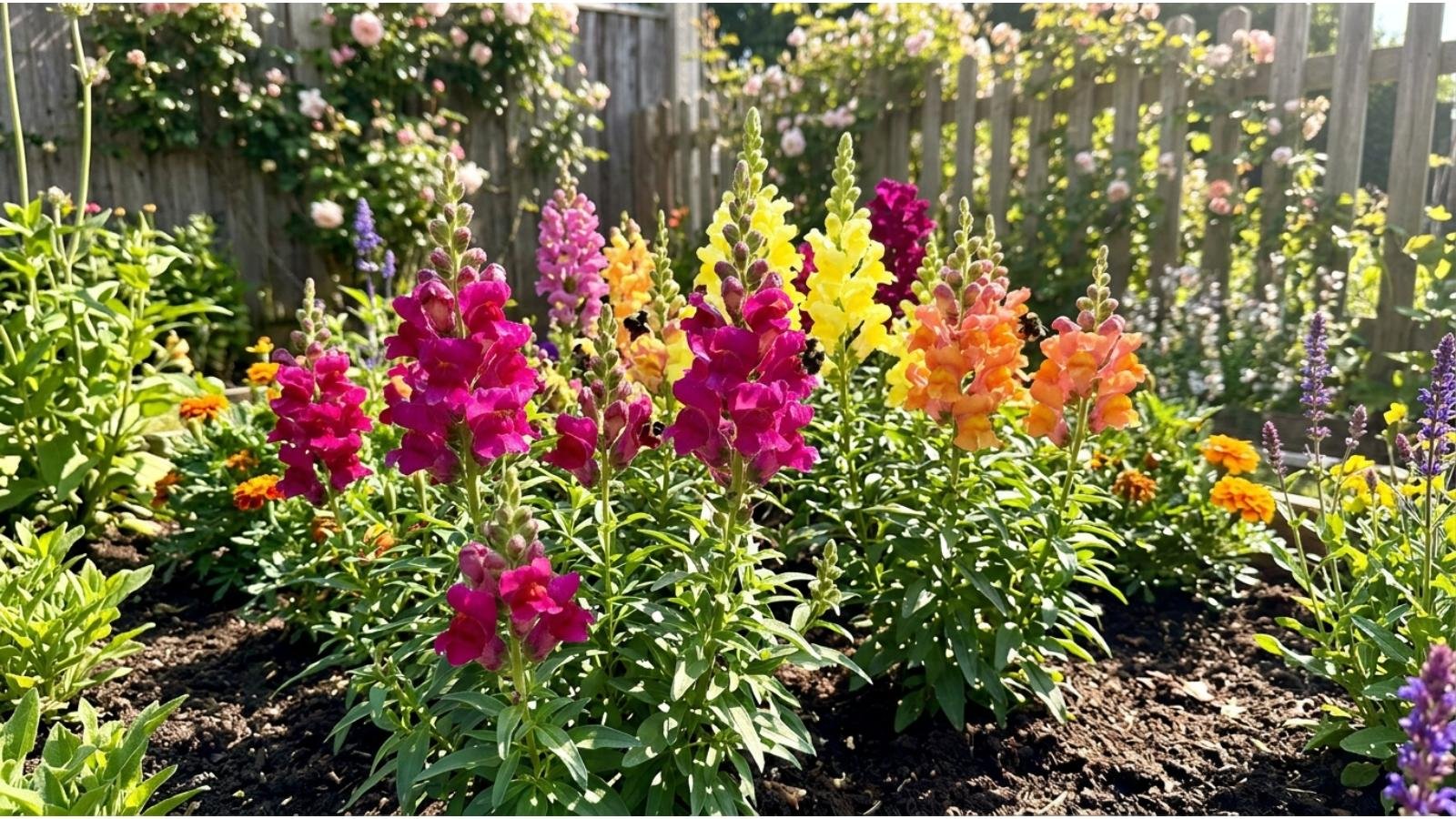
Snapdragons belong to the genus Antirrhinum in the Plantaginaceae family. The familiar garden snapdragon, Antirrhinum majus, is commonly grown as an annual but can behave as a short-lived perennial in suitable climates. Its flowers grow along upright stems and come in numerous colors, including pink, red, yellow, orange, and white.
Different cultivars vary considerably in height. Some compact varieties remain around 10 to 50 cm tall, while taller forms can approach 90 cm or more. This makes cultivar selection important when planning containers, borders, or cut-flower beds.
Image Suggestion: Close-up botanical illustration showing a snapdragon flower, leaves, stem, and seed pod.
Best Light For Snapdragon Plants
Snapdragons generally perform best in full sun. A position receiving several hours of direct sunlight encourages stronger stems and better flowering.
For most gardens, choose a location where plants receive direct sunlight for much of the day.
However, local climate matters. In areas with extremely hot summers, intense afternoon heat can stress plants even when their basic light requirements are being met. In those conditions, morning sun with some protection from the harshest afternoon exposure can be useful.
A common mistake is placing snapdragons in deep shade because the foliage may initially look healthy. The plant may survive, but flowering can become disappointing.
How To Choose The Right Soil
Good drainage is one of the most important parts of snapdragon plant care.
Snapdragons tolerate several soil types, including loam, sand, and chalk, but the consistent requirement is soil that drains well. Some cultivars can tolerate moist soil provided it remains well drained.
Before planting:
- Loosen compacted soil.
- Mix organic matter into poor soil.
- Improve drainage in heavy clay.
- Avoid locations where water remains after rainfall.
- Use a quality potting mix for containers.
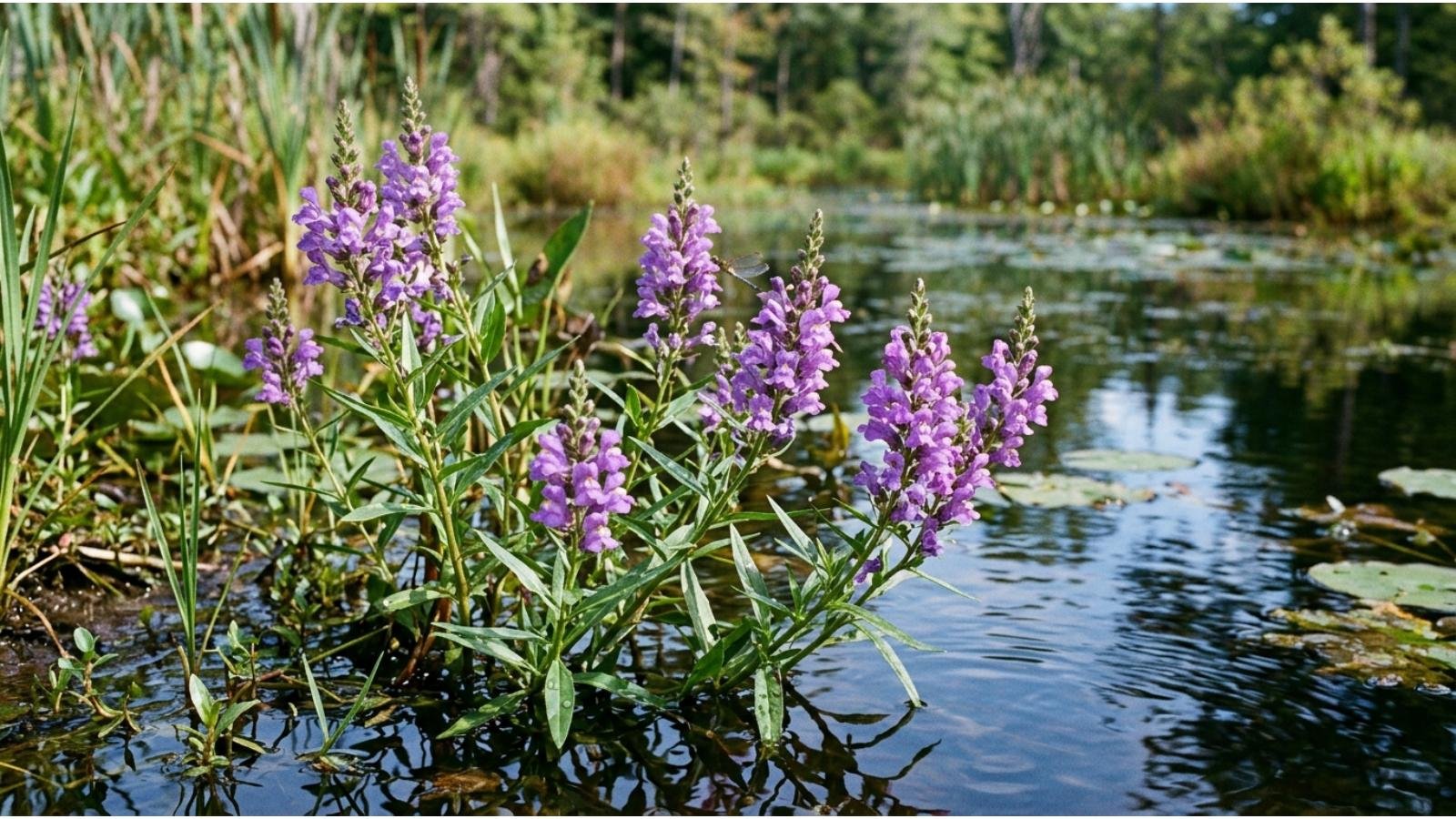
The reason drainage matters is simple. Roots need access to both moisture and oxygen. Permanently saturated soil limits oxygen around the roots and can create conditions favorable to root problems.
Practical tip: If your garden soil stays muddy long after rain, fixing the drainage before planting is usually more valuable than simply adding more fertilizer.
How Often To Water Snapdragons
Snapdragons prefer consistent moisture without constantly wet soil.
Instead of watering according to a rigid calendar, check the soil. When the upper layer begins to dry, water thoroughly around the root zone.
Newly planted snapdragons need more consistent attention because their root systems are still developing. Established plants generally tolerate short periods of dryness better than plants sitting in saturated soil.
When watering:
- Water deeply rather than giving tiny amounts frequently.
- Direct water toward the soil instead of repeatedly wetting the foliage.
- Water early in the day when practical.
- Check container plants more frequently because pots dry out faster.
- Reduce unnecessary watering during cool, rainy periods.
Overwatering is one of the easiest mistakes to make because gardeners sometimes interpret wilting as a signal to add more water. Wilting can also result from heat stress, root damage, or other problems, so check the soil before watering again.
How To Fertilize Snapdragons
Snapdragons benefit from fertile growing conditions, but fertilizer should support healthy growth rather than replace good soil and light.
Start with organically enriched soil or a quality growing medium. During active growth, a balanced flowering-plant fertilizer can be used according to its label directions.
Avoid the temptation to continually increase fertilizer because the plant looks slow. Excessive feeding can encourage lush foliage without solving problems caused by poor light, drainage, temperature stress, or root issues.
A useful order of troubleshooting is:
- Check sunlight.
- Check soil moisture.
- Check drainage.
- Inspect the roots if the plant is declining.
- Then consider nutrition.
This prevents fertilizer from becoming a cure-all for problems it cannot actually fix.
How To Plant Snapdragons Successfully
Planting technique has a surprisingly large effect on early growth.
Choose a sunny location with well-drained soil. Harden nursery-grown plants gradually if they have been raised under protected conditions. Then transplant them into prepared soil without burying the crown excessively.
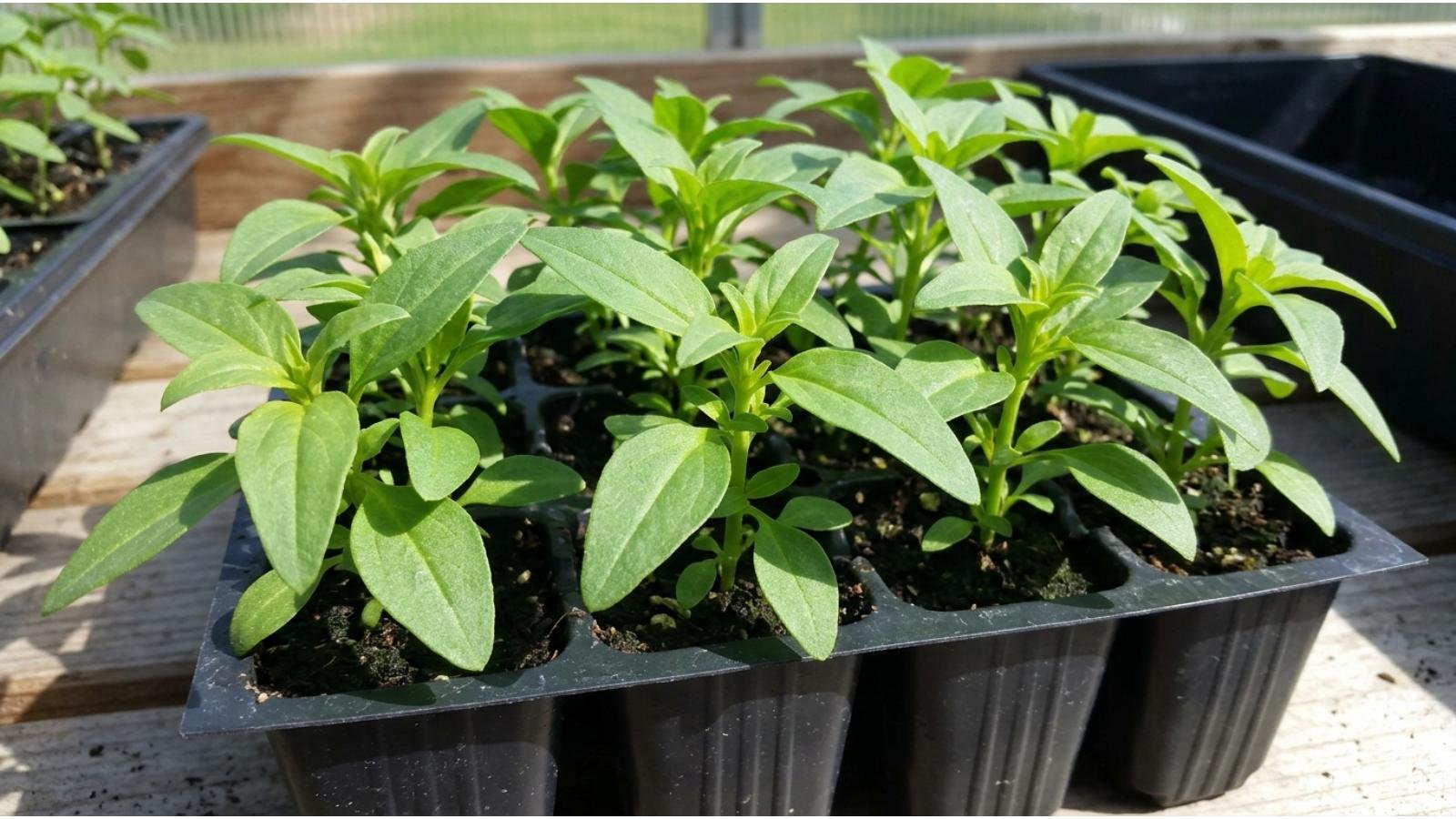
For seedlings, the RHS recommends growing them on in cooler conditions and planting outdoors after the risk of frost has passed. Its guidance also recommends approximately 30 cm spacing for outdoor planting.
A practical planting process is:
- Prepare the soil before bringing plants outdoors.
- Water the seedlings before transplanting.
- Remove the plant carefully from its container.
- Place it at approximately the same depth it was growing previously.
- Firm the surrounding soil gently.
- Water thoroughly after planting.
- Maintain consistent moisture while roots establish.
Spacing should ultimately depend on the cultivar because compact and tall snapdragons have different growth habits.
Image Suggestion: Step-by-step infographic showing snapdragon transplanting from nursery pot to garden bed.
How To Deadhead Snapdragons
Deadheading is one of the simplest ways to improve the appearance and flowering performance of snapdragons.
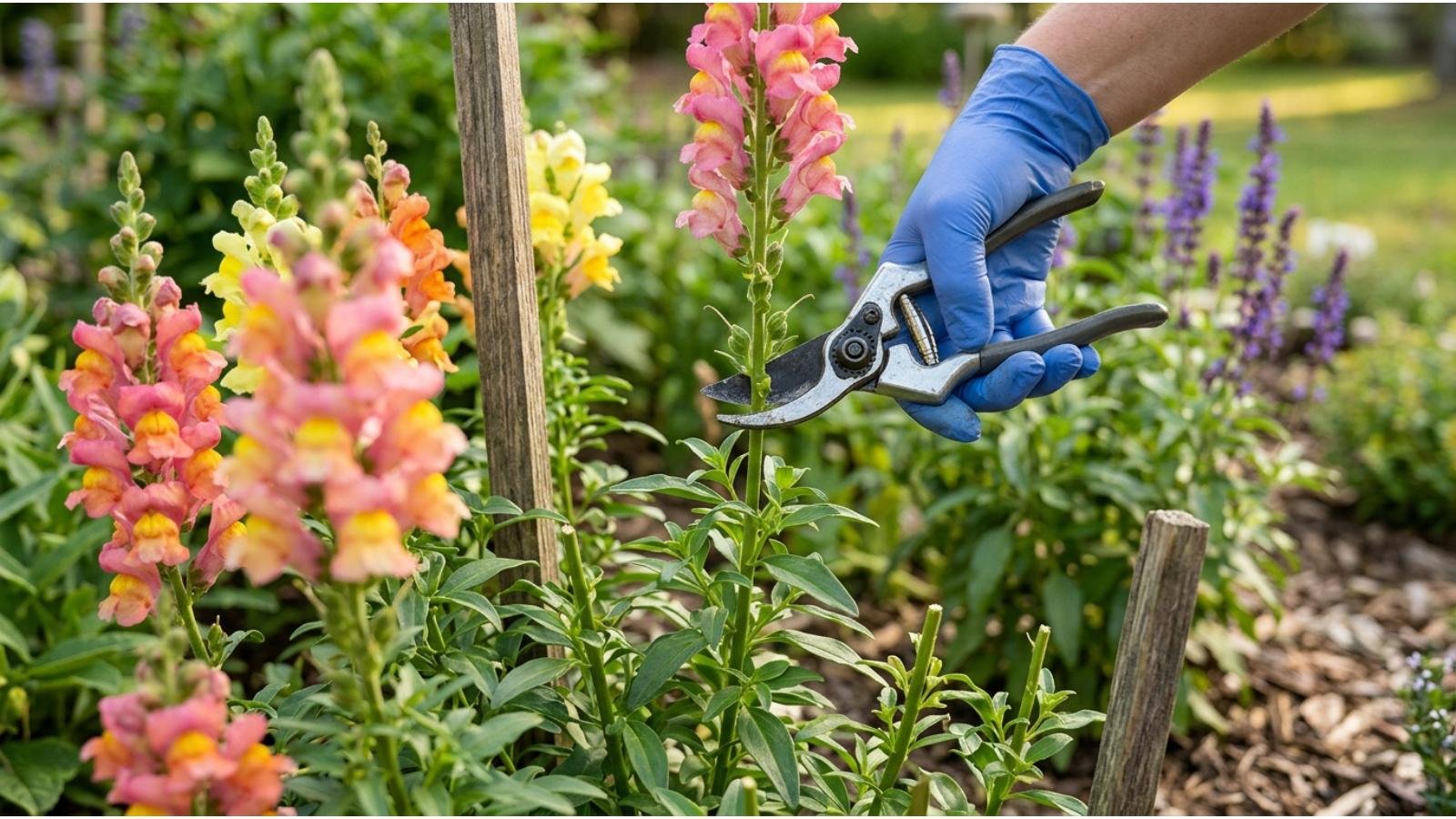
Once a flower spike has finished blooming, remove the spent flowers rather than allowing every spike to immediately develop seeds. The RHS specifically recommends deadheading to prolong the flowering display.
Use clean scissors or pruning snips and remove the faded flower spike above a healthy set of leaves or a suitable branching point.
Regular deadheading helps keep the plant looking tidy and directs its energy toward continued flowering rather than seed production.
Some gardeners make the mistake of waiting until the entire plant looks untidy. It is better to remove individual spent spikes as they finish.
Should You Cut Snapdragons Back
Snapdragons generally do not require heavy pruning. Deadheading is the more important routine maintenance task. Some varieties may benefit from cutting back after an initial flush of flowers, particularly when the goal is to encourage renewed growth.
Avoid removing large amounts of healthy foliage simply because the plant has finished one flowering flush.
If stems become damaged, diseased, or unattractive, remove the affected material with clean tools.
Tall varieties may also benefit from support if they become top-heavy or are exposed to strong winds.
Growing Snapdragons In Containers
Snapdragons can perform very well in containers, making them useful for patios, balconies, entrances, and small gardens.
Choose a container with:
- Drainage holes.
- Enough depth for healthy roots.
- Quality potting mix.
- Adequate space for the selected cultivar.
- A stable position that receives sufficient sunlight.
Container plants require more frequent monitoring because their limited soil volume can dry quickly.
At the same time, do not leave a container sitting permanently in a saucer full of water. Good drainage remains essential.
Compact snapdragon varieties are particularly convenient for containers, while taller cultivars may require a heavier pot or support.
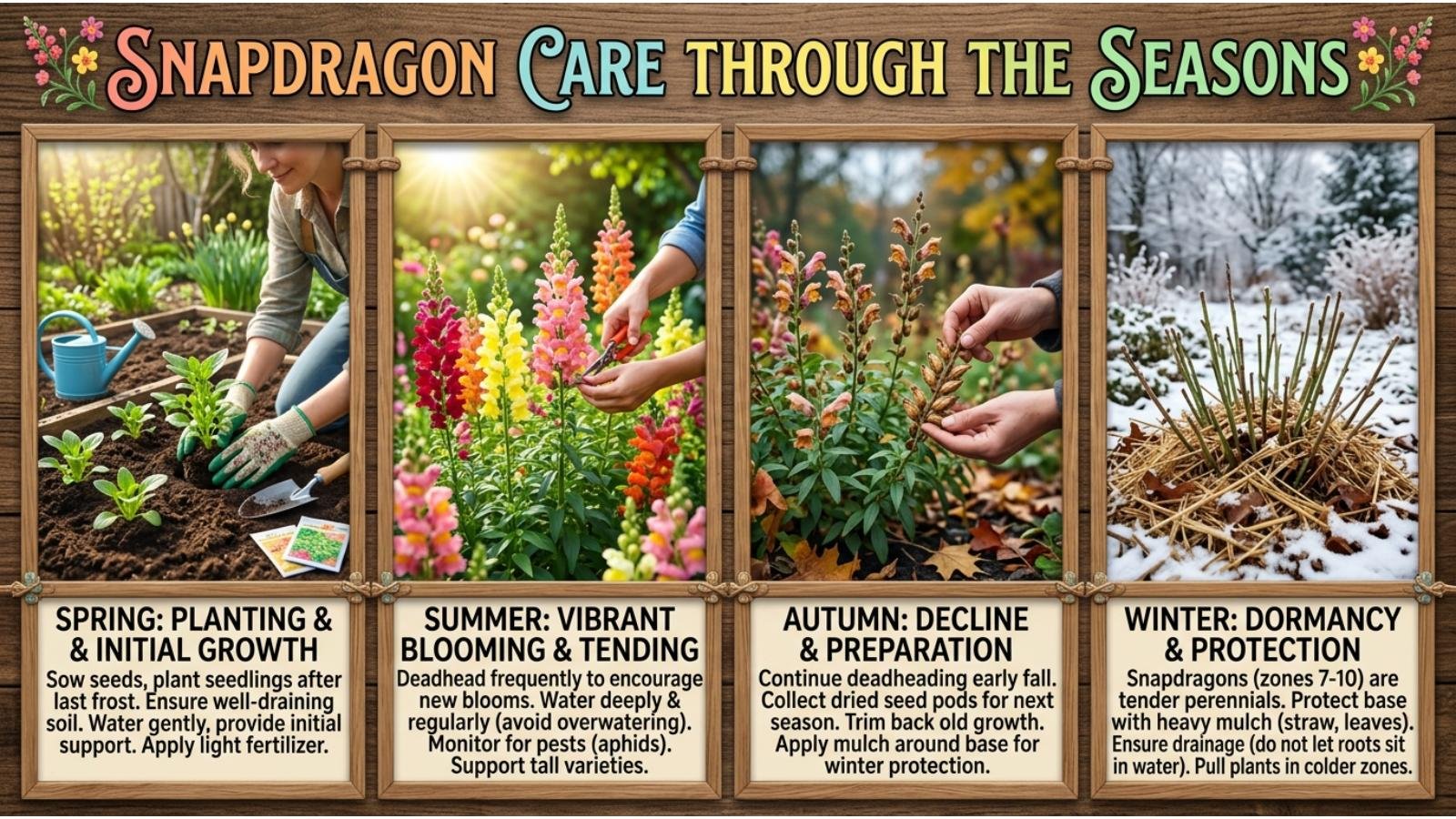
Snapdragon Care Through The Seasons
Spring
Spring is an important establishment period. Start seeds or transplant young plants according to your local climate and frost conditions. The RHS notes that snapdragon seeds can be started in early spring and recommends growing seedlings on in cooler conditions before outdoor planting. (RHS)
Give young plants strong light while avoiding sudden exposure to outdoor conditions.
Summer
Summer care focuses on moisture, flowering, and heat management.
Check soil moisture regularly, deadhead faded flowers, and watch for aphids or signs of fungal disease. In very hot climates, plants may slow down during periods of intense heat.
Autumn
In suitable climates, snapdragons may continue flowering into autumn. Keep removing spent flowers while plants remain productive.
Some varieties can survive as short-lived perennials in appropriate conditions, but many gardeners grow snapdragons as seasonal bedding plants. (RHS)
Winter
Cold tolerance varies by cultivar and climate. The RHS lists different hardiness ratings for snapdragon varieties, so avoid assuming that every cultivar will survive winter equally well.
In cold regions, gardeners often treat snapdragons as annuals or protect suitable plants where practical.
Common Snapdragon Problems
Snapdragons are generally manageable plants, but several problems can occur.
Aphids
Aphids can attack young growth and flower stems. Check the undersides of leaves and tender shoots regularly.
A small infestation can sometimes be controlled with a strong spray of water. Larger or persistent infestations require closer monitoring and appropriate control measures.
The RHS lists aphids among pests that can affect snapdragons. (RHS)
Powdery Mildew
Powdery mildew appears as a pale, powdery coating on leaves and stems.
Good airflow, appropriate spacing, and avoiding unnecessarily wet foliage can help create less favorable conditions for fungal problems.
Several RHS snapdragon profiles identify powdery mildew as a potential problem.
Snapdragon Rust
Antirrhinum rust is another disease associated with snapdragons. Symptoms can include rust-colored spotting and affected foliage.
Remove badly affected plant material and improve growing conditions rather than repeatedly treating symptoms without addressing the underlying environment.
Damping Off
Young seedlings can be particularly vulnerable to damping off.
Overly wet growing media and poor ventilation can increase problems with seedlings. Allow the growing medium to drain properly and avoid keeping young plants constantly saturated.
Image Suggestion: Comparison graphic showing healthy snapdragon leaves, powdery mildew, rust symptoms, and aphid damage.
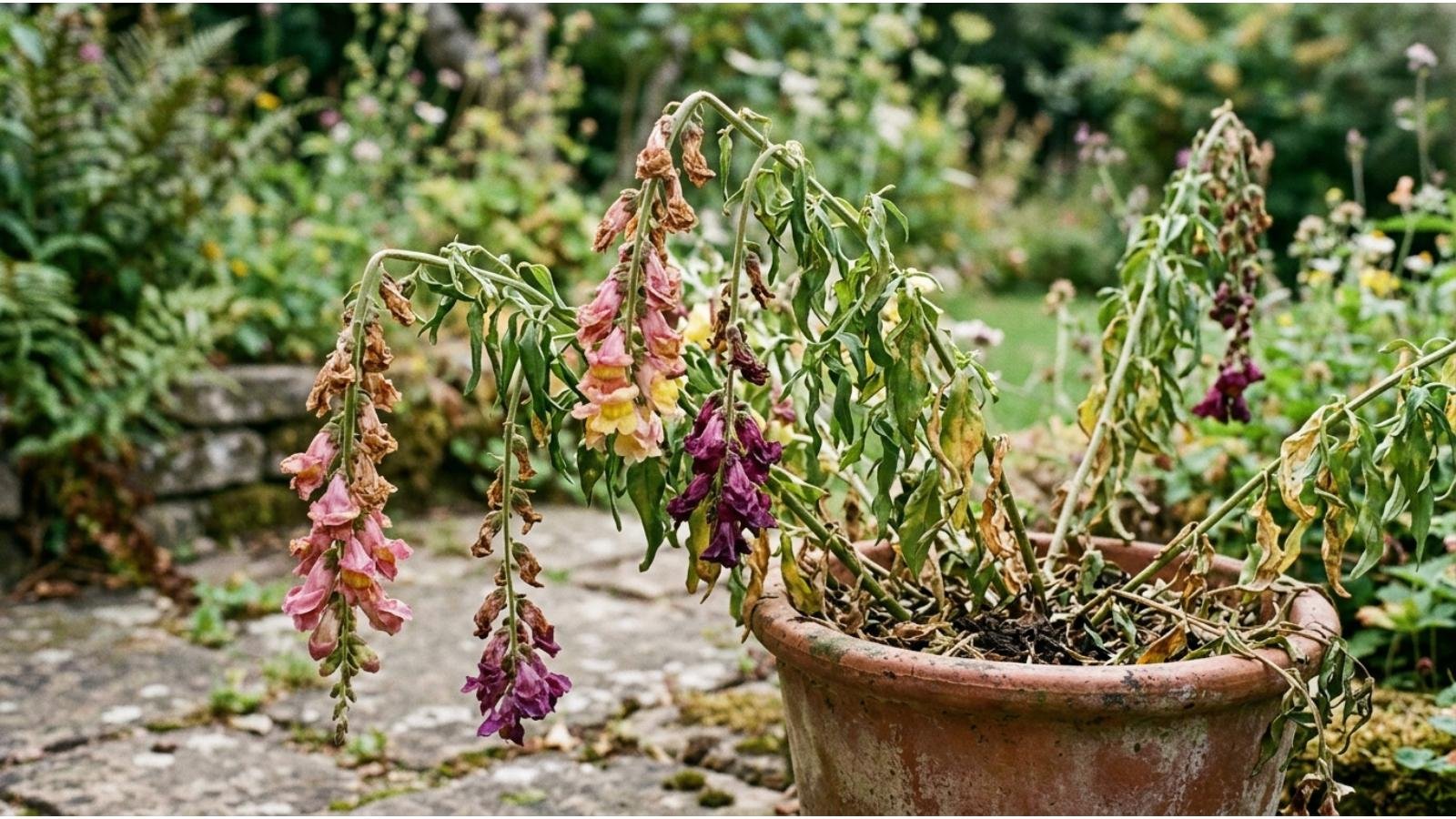
Why Are My Snapdragons Wilting
Wilting does not automatically mean the plant needs more water.
Check these factors first:
| Possible cause | What to check | Practical response |
|---|---|---|
| Dry soil | Soil feels dry below the surface | Water thoroughly |
| Waterlogged roots | Soil remains wet for long periods | Improve drainage |
| Extreme heat | Wilting occurs during hot afternoons | Reduce heat stress where possible |
| Root problems | Plant remains weak despite moist soil | Inspect roots and drainage |
| Disease | Wilting occurs with discoloration or lesions | Remove affected material and investigate disease |
| Recent transplanting | Plant wilted shortly after planting | Maintain moisture while roots establish |
This diagnostic approach is more reliable than automatically increasing watering.
Why Are Snapdragons Not Flowering
Poor flowering usually has an environmental cause.
Check the following:
- Is the plant receiving enough direct sunlight.
- Is the soil staying excessively wet.
- Has the plant been heavily fertilized with nitrogen.
- Is extreme heat suppressing growth.
- Are flower spikes being removed or allowed to finish naturally.
- Is the cultivar naturally compact or late flowering.
Sunlight is especially important because snapdragons are recommended for full-sun positions.
If the plant has healthy foliage but very few flowers, evaluate light before reaching for more fertilizer.
Common Snapdragon Care Mistakes
Overwatering
More water does not automatically mean more flowers. Consistent moisture is useful, but permanently saturated soil can damage the root environment.
Poor Drainage
A beautiful sunny location cannot compensate for soil that stays waterlogged.
Ignoring Spacing
Crowded plants have less airflow, and dense foliage can create conditions favorable to fungal problems.
Skipping Deadheading
Allowing every flower spike to age completely can reduce the neat appearance of the plant and shorten the ornamental flowering display.
Choosing The Wrong Cultivar
A tall cut-flower variety may become awkward in a small container, while a dwarf cultivar may disappear in the back of a large border.
Choose the plant according to the space rather than choosing only by flower color.
How To Grow Snapdragons From Seed
Snapdragons can be propagated from seed.
The RHS recommends sowing seed at approximately 16–18°C and notes that seed can be started in late summer, early autumn, or early spring depending on the growing system and climate.
When starting seeds:
- Use a clean seed tray.
- Use a fine, well-draining seed-starting medium.
- Sow the seeds thinly.
- Do not bury them deeply.
- Keep the medium appropriately moist.
- Provide good light after germination.
- Transplant seedlings once they are large enough to handle.
- Gradually acclimate plants before moving them outdoors.
The RHS specifically notes that snapdragon seeds can be sown on the surface because they do not need to be covered with compost.
Image Suggestion: Snapdragon seed-to-flower timeline showing seed, seedling, young plant, flowering plant, and mature seed pod.
Best Snapdragon Care Routine
For beginners, a simple routine works better than constant intervention.
Weekly routine:
- Check soil moisture.
- Inspect leaves for aphids.
- Look for fungal symptoms.
- Remove faded flowers.
- Check tall stems for support needs.
- Remove damaged leaves.
- Monitor container drainage.
The goal is not to constantly manipulate the plant. It is to notice small problems before they become major ones.
Frequently Asked Questions
Do snapdragons need full sun?
Yes. Snapdragons generally perform best in full sun and are recommended for sunny garden positions.
How often should I water snapdragons?
Water when the soil begins to dry rather than following a rigid schedule. Keep the root zone consistently moist but avoid waterlogged conditions.
Should I deadhead snapdragons?
Yes. Regular deadheading can prolong the flowering display and keeps the plant looking tidy.
Can snapdragons grow in pots?
Yes. Snapdragons are suitable for containers, particularly compact varieties. Use a container with drainage holes and a well-draining potting mix.
Are snapdragons annuals or perennials?
They can be annuals, biennials, or short-lived perennials depending on the cultivar and climate. Many gardeners grow them as annual bedding plants. (RHS)
Why are my snapdragon leaves turning white?
A white, powdery coating can indicate powdery mildew. Improve airflow, avoid unnecessary leaf wetting, and remove severely affected material. Powdery mildew is a recognized problem for snapdragons.
Do snapdragons need fertilizer?
They benefit from fertile soil, but fertilizer should complement good sunlight, moisture management, and drainage rather than compensate for poor growing conditions.
Can snapdragons survive winter?
Some varieties can tolerate relatively cold conditions, but winter survival depends strongly on cultivar and climate. Hardiness ratings vary among snapdragon varieties.
Conclusion
Successful snapdragon plant care comes down to a few fundamentals: give the plant plenty of sunlight, use well-drained soil, maintain consistent moisture without waterlogging, and deadhead regularly. From there, pay attention to cultivar size, seasonal temperatures, airflow, and early signs of pests or disease.
The most useful approach is to observe the plant rather than automatically adding water or fertilizer whenever growth slows. When light, drainage, moisture, and maintenance are balanced, snapdragons can reward you with strong stems and an impressive succession of colorful flowers.
Related Topics Worth Covering
- Snake plant care.
- Pothos plant care.
- Jade plant care.
- Prayer plant care.
- Bird of paradise plant care.
- Monstera plant care.