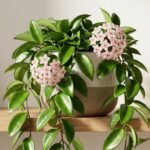
String of Pearls Plant Care: Complete Growing Guide
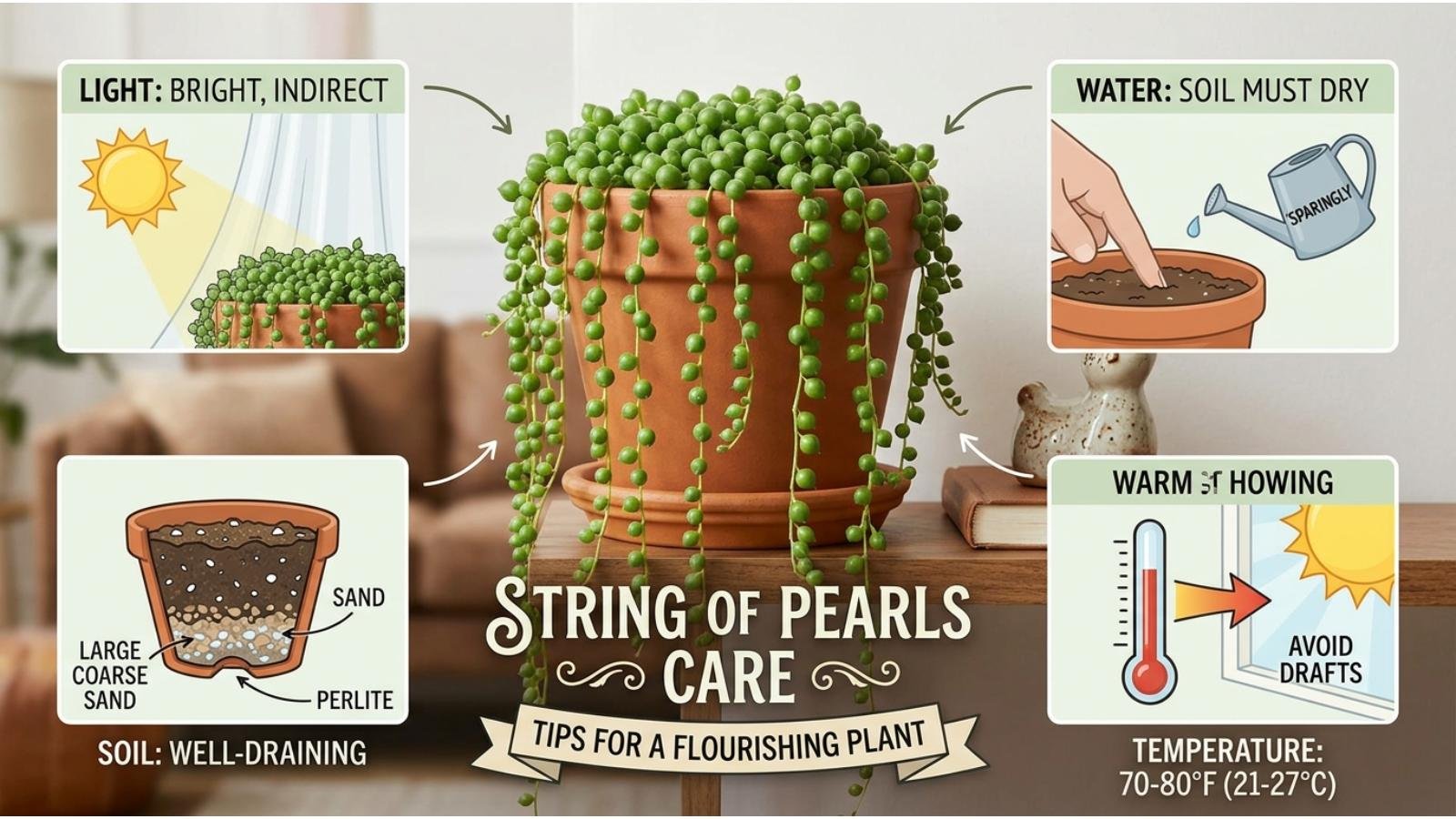
Quick Answer String of pearls plant care is mainly about giving this trailing succulent bright light, fast-draining soil, and careful watering. Let the potting mix dry thoroughly before watering again, and use a container with drainage holes. Keep it warm, avoid high humidity and soggy soil, and reduce watering in winter. If the pearls become ...
Read more
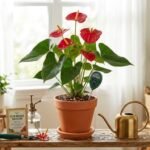
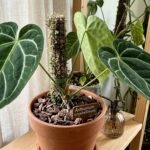
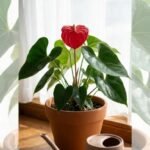
Arrowhead Plant Care Guide for Healthy Lush Growth
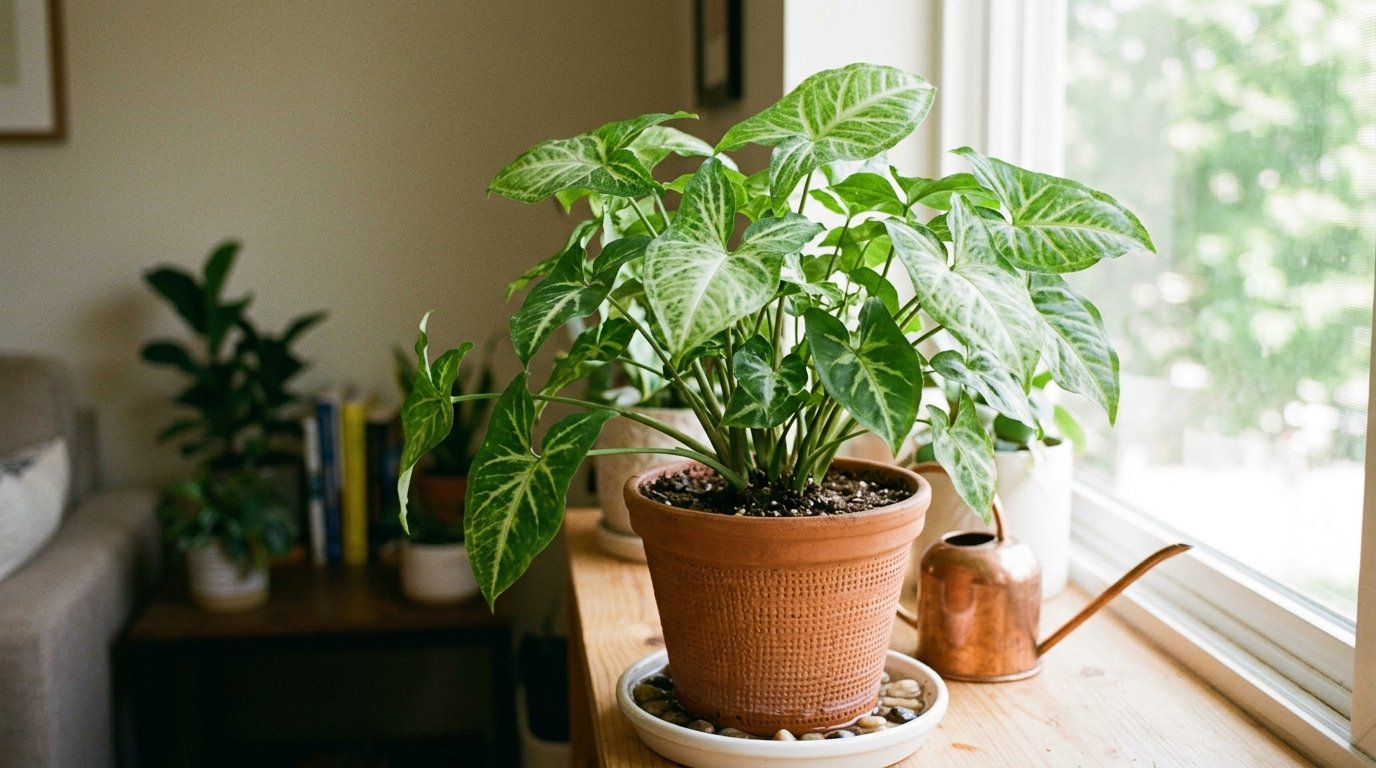
Quick Answer Arrowhead plant care is mainly about providing bright, indirect light, well-draining soil, moderate humidity, and consistent but controlled watering. Water when the top inch or two of soil feels dry, and avoid keeping the roots constantly wet. Prune regularly to encourage bushier growth, rotate the pot for even development, and repot when roots ...
Read more
Flaming Katy Plant Care: Complete Growing Guide
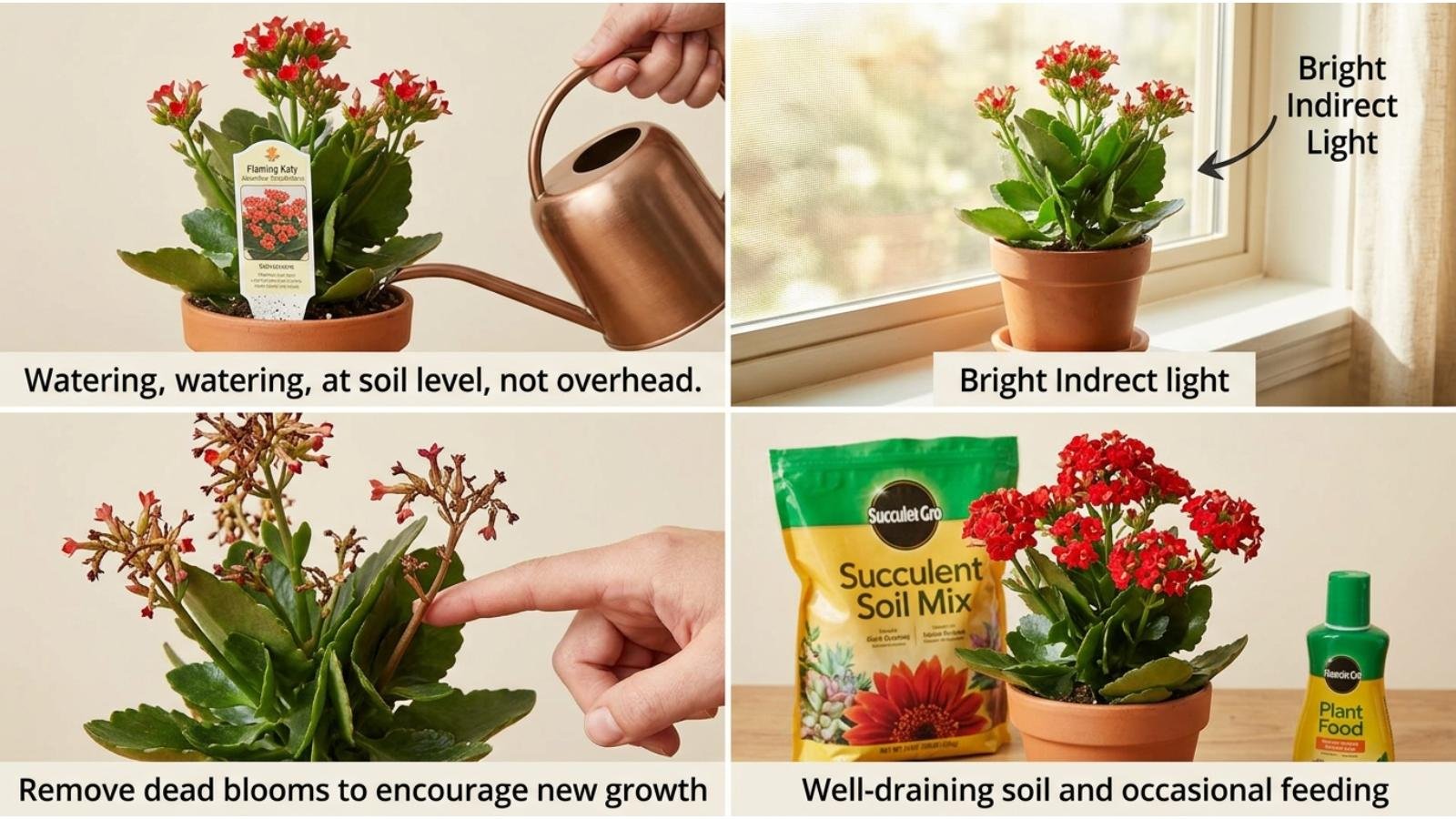
Quick Answer Flaming Katy plant care is relatively easy because Kalanchoe blossfeldiana is a drought-tolerant succulent that prefers bright light, well-draining soil, and infrequent watering. Let the soil dry between waterings, avoid standing water, and keep the plant in a warm location. With enough sunlight and proper watering, Flaming Katy can produce colorful flowers and ...
Read more
Rosemary Plant Care: 15 Tips for Thriving Herbs Indoors
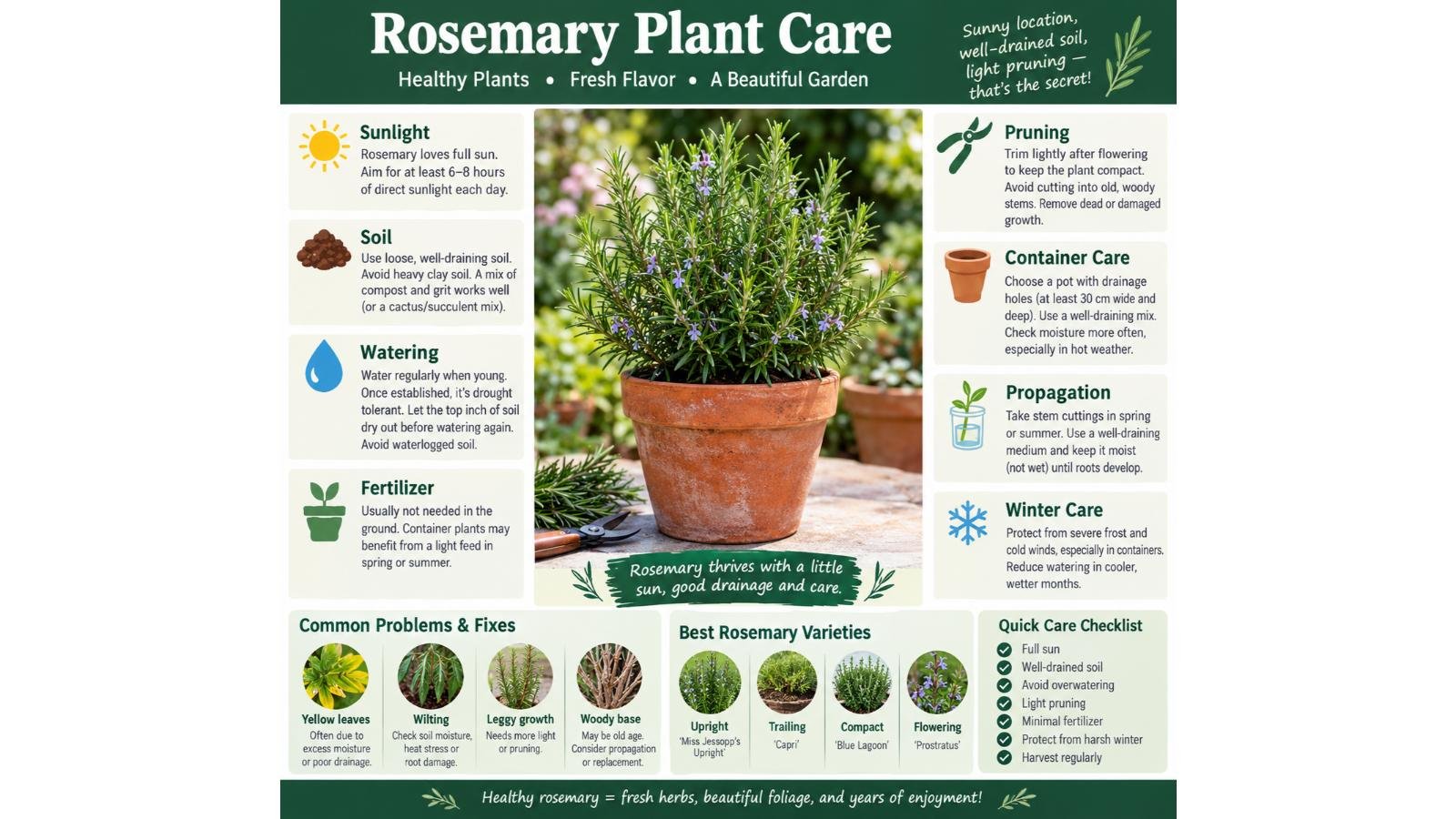
Quick Answer Rosemary plant care is mainly about providing plenty of sunlight, excellent drainage, moderate watering, and light pruning. Grow rosemary in full sun and loose, well-draining soil, and let the soil dry somewhat between waterings. Established plants are drought tolerant, while container-grown rosemary needs more attention during hot, dry weather. Avoid constantly wet soil ...
Read more
Complete Pitcher Plant Care for Strong Healthy Growth
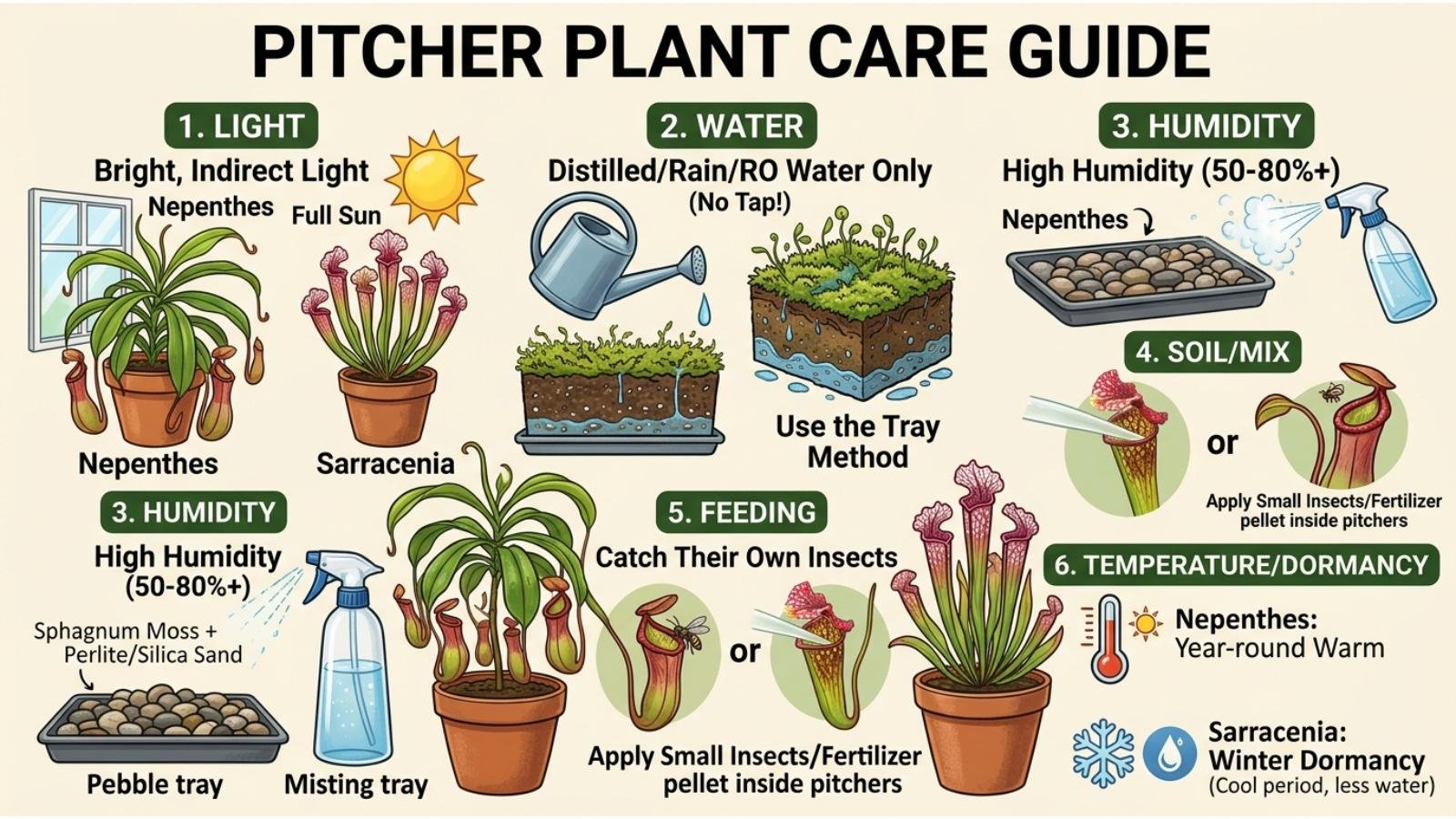
Quick Answer Successful pitcher plant care depends mainly on identifying your type of pitcher plant and recreating its natural growing conditions. Tropical Nepenthes generally prefer bright filtered light, high humidity, warmth, and consistently moist but airy media. Temperate Sarracenia need much stronger sunlight, mineral-free water, wet acidic media, and a cool winter dormancy. Avoid ordinary ...
Read more
Yucca Plant Care Guide for Healthy Indoor Growth
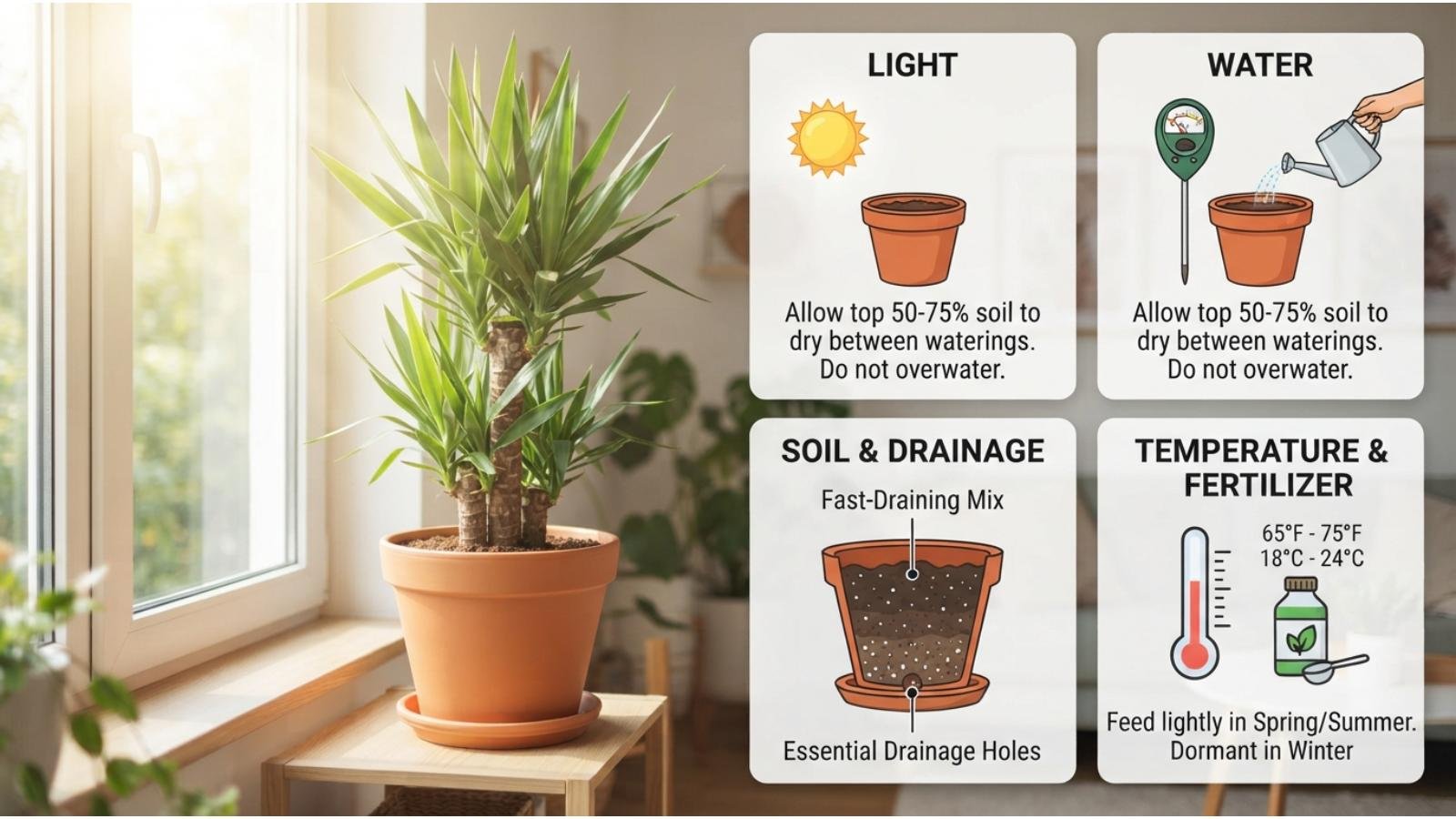
Quick Answer Yucca plant care is relatively simple because yuccas are drought-tolerant plants that prefer bright light, fast-draining soil, and infrequent watering. Let the soil dry substantially between waterings, avoid letting the roots sit in water, and provide good airflow. Indoor yuccas usually thrive near a bright window, while outdoor yuccas need well-drained soil and ...
Read more
Bromeliad Plant Care: Complete Guide for Healthy Growth
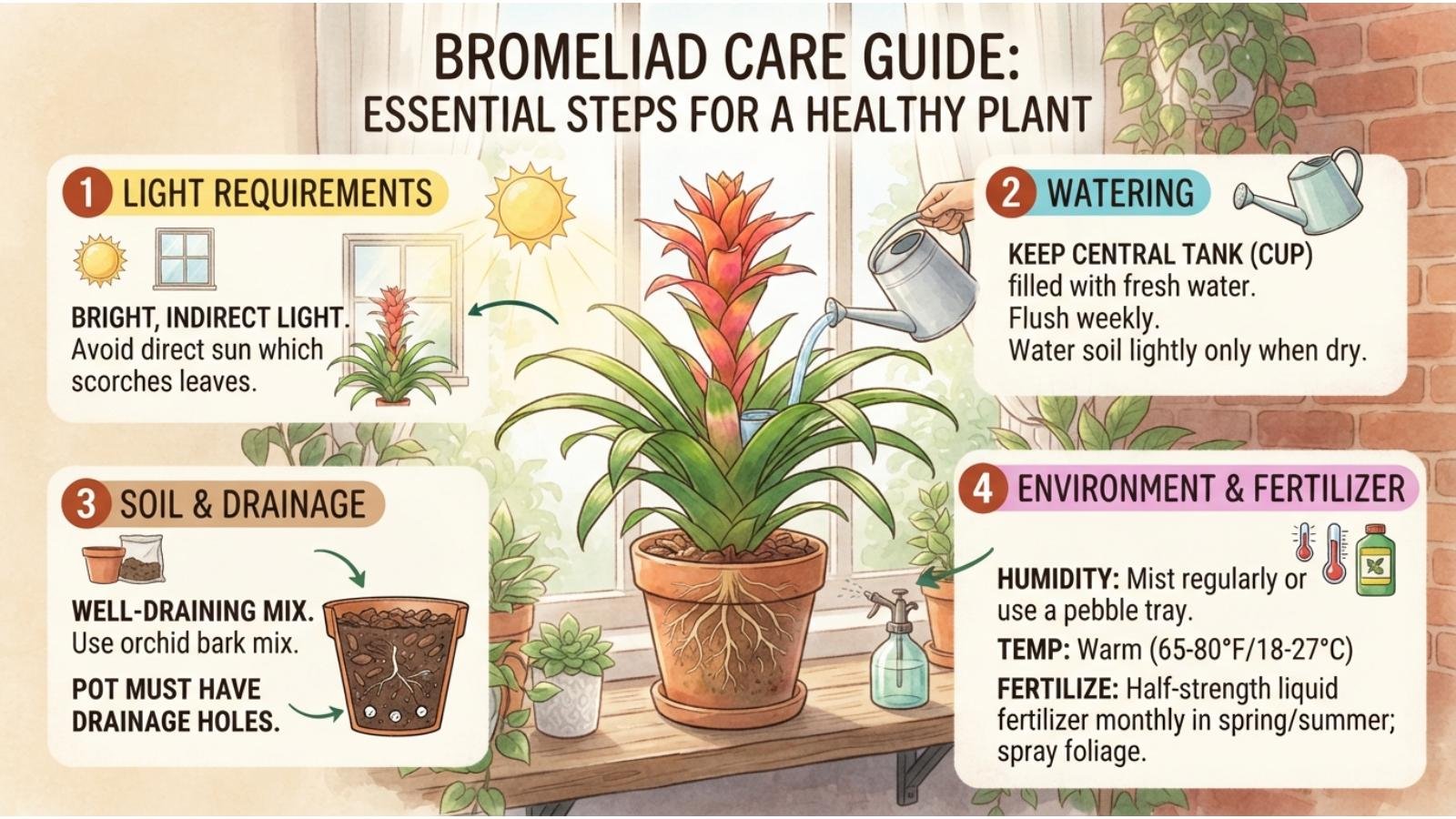
Quick Answer Bromeliad plant care is relatively simple when you provide bright, indirect light, excellent drainage, moderate humidity, and careful watering. Many popular bromeliads form a central cup that can hold water, while their roots mainly anchor the plant. Keep the growing medium from staying soggy, flush the central cup regularly, use weak fertilizer during ...
Read more
15 Goldfish plant care tips for more flowers (beginner guide)
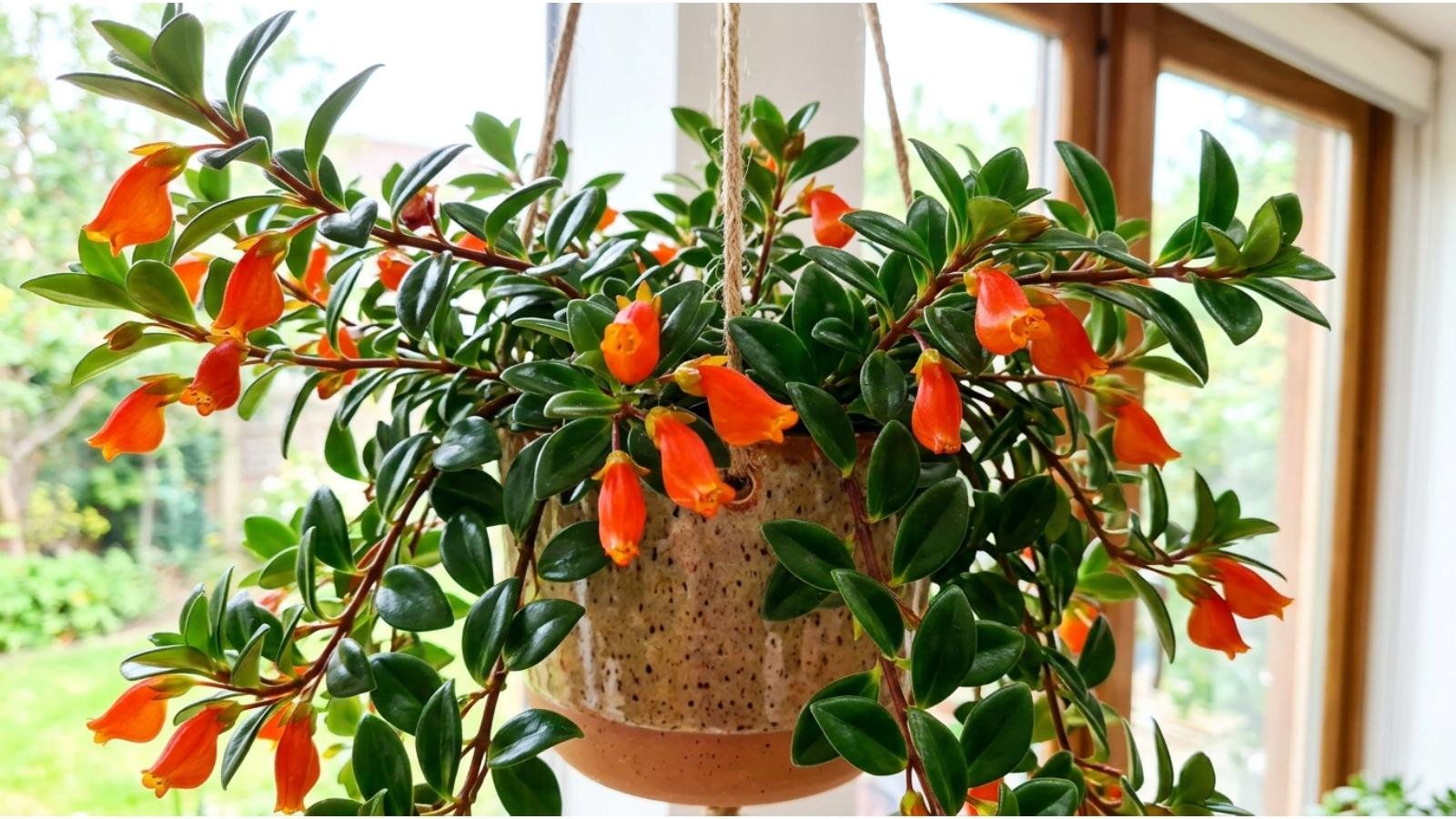
Quick Answer Goldfish plant care is easiest when Nematanthus gets bright, indirect light, a loose well-draining potting mix, consistent but moderate moisture, warm temperatures, and good humidity. Let the surface of the mix dry slightly before watering, but avoid prolonged dryness or soggy roots. Prune lightly to encourage branching, feed during active growth, and protect ...
Read more
Baby Rubber Plant Care Guide for Healthy Growth
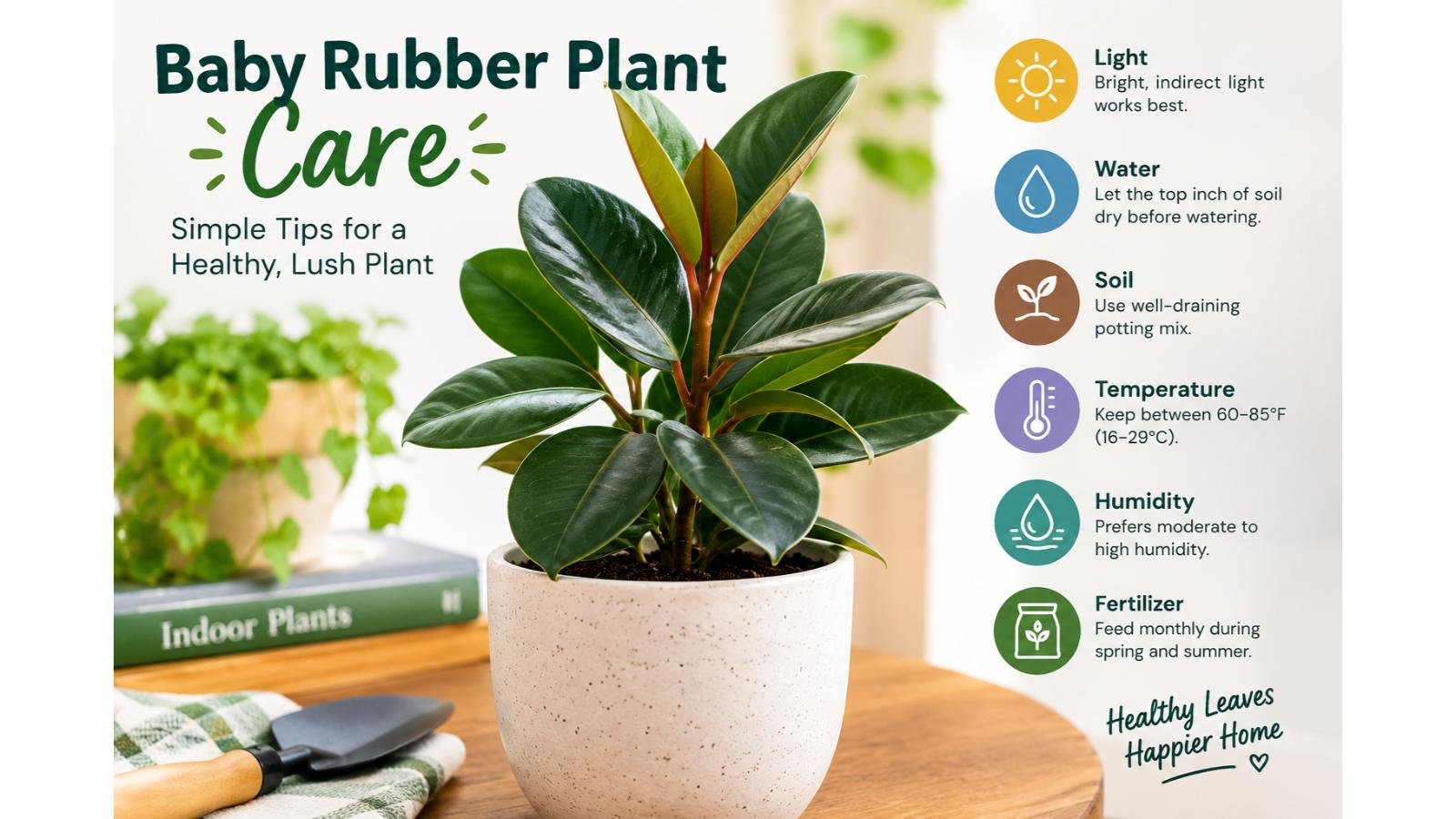
Quick Answer Baby rubber plant care is mainly about providing bright, indirect light, well-draining soil, moderate watering, and warm temperatures. The baby rubber plant, Peperomia obtusifolia, has thick, moisture-storing leaves, so it is more tolerant of occasional dryness than constantly wet soil. Allow the upper part of the potting mix to dry before watering again, ...
Read more
Nerve Plant Care: The Complete Guide to Growing Fittonia
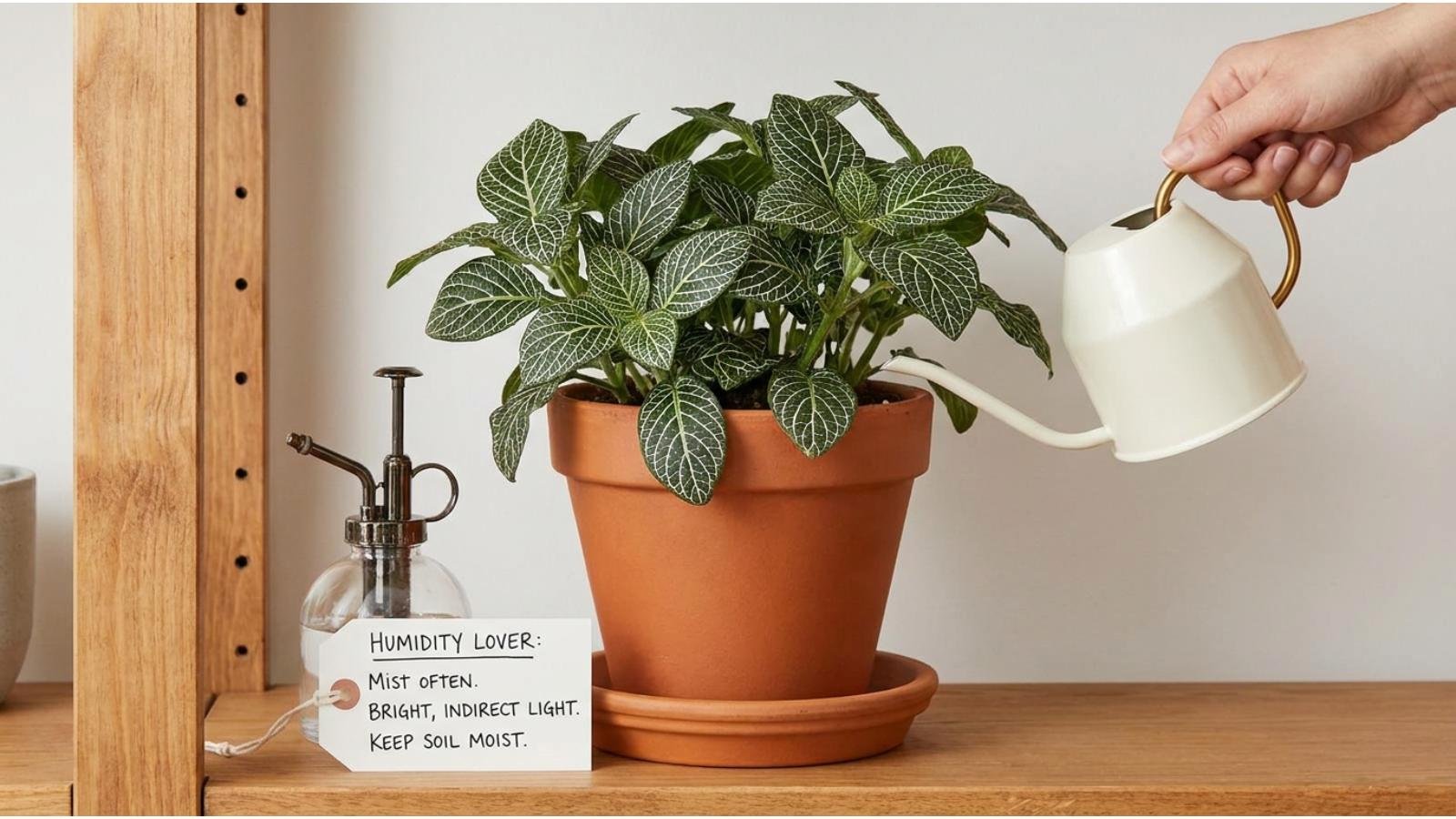
Quick Answer Nerve plant care is mainly about balancing bright indirect light, consistently moist but well-draining soil, warmth, and high humidity. Nerve plants, also called Fittonia or mosaic plants, naturally grow in humid tropical forests, so they struggle when exposed to harsh direct sun, dry air, or prolonged drought. Keep the soil lightly moist without ...
Read more